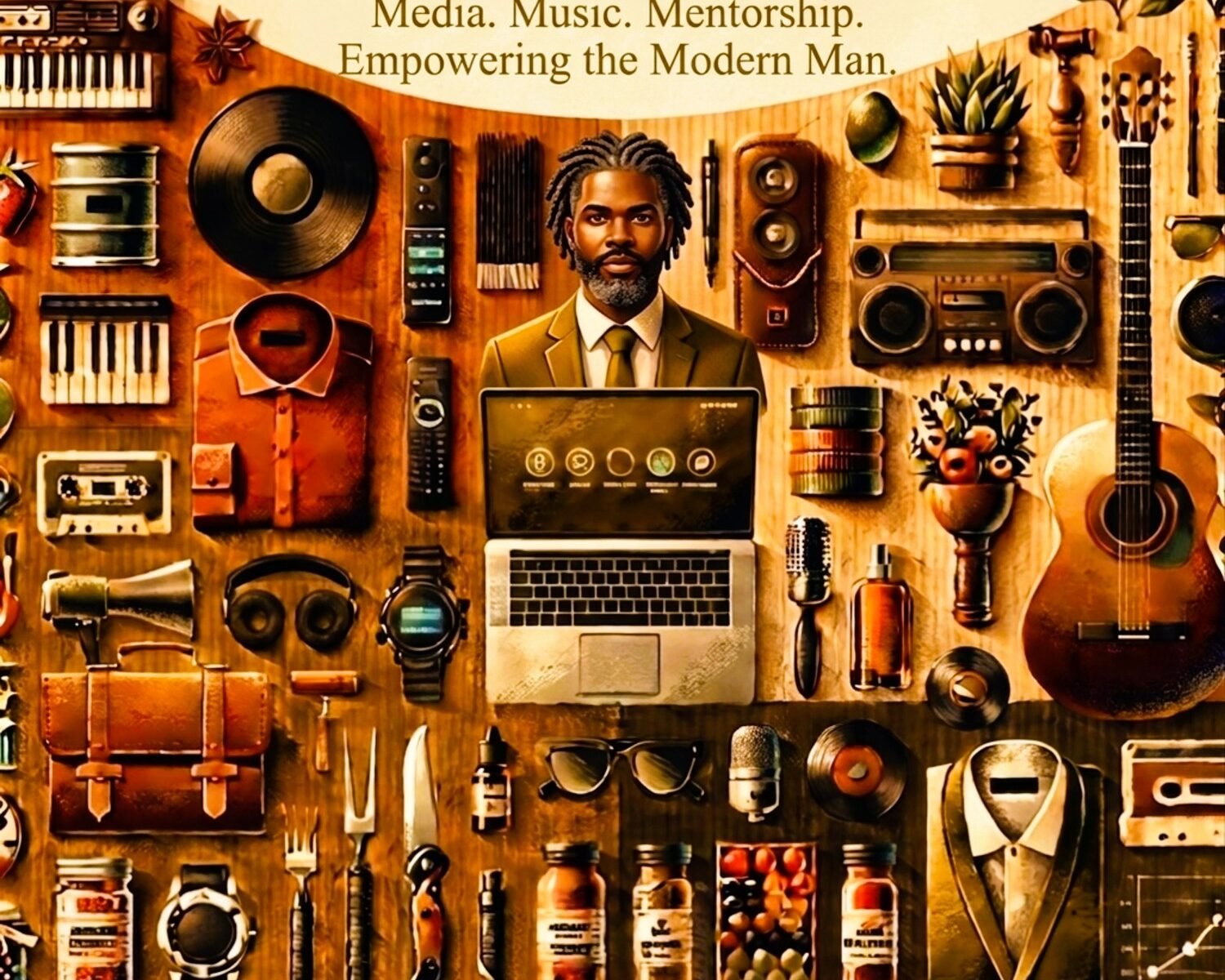
This platform is more than a business it’s a calling to share faith, real life experiences, creativity, and knowledge.
By combining music, biblical teachings, and innovative media, I aim to inspire others to pursue their purpose and make a positive impact in their communities.
Our productions and output is a reflection of our journey, our values, and our commitment to excellence.”
We invite you to explore our latest projects and join us as we strive for growth and faith in everything we create.
Stay tuned for more updates, music releases, and impactful stories designed to uplift and empower.
Introduction
In today’s fast-paced world, the modern man is constantly seeking ways to enhance his life. Richboy Entertainment is at the forefront of this revolution, offering multimedia excellence that empowers individuals.
Through various forms of media, we aim to inspire and motivate men to embrace their potential and pursue their passions.
The Impact of Multimedia
Multimedia plays a crucial role in shaping the experiences of contemporary life. Videos, podcasts, and interactive content enrich our understanding and provide platforms for learning and growth.
Richboy Entertainment utilizes these tools to create an engaging environment where men can learn not only about personal development but also about cultural and social issues that affect their lives.
Empowering Through Content
At Richboy Entertainment, we believe that empowering the modern man involves more than just entertainment; it requires a commitment to delivering quality content that resonates.
Whether it’s through personal storytelling, informative discussions, or entertaining narratives, our goal is to curate a selection of multimedia that shapes positive identities.
We encourage self-expression and equip men with resources that promote confidence and ambition.
In conclusion, the mission of Richboy Entertainment is to elevate the modern man’s experience through multimedia excellence.
By focusing on content that empowers and inspires, we aim to create a community that not only enjoys rich forms of entertainment but also thrives in their personal and professional lives.
Urban art, often referred to as street art, encompasses a diverse range of artistic expressions that emerge from the unique interplay between culture and urban environments. Originating in the rebellious spirit of the late 20th century, urban art has evolved from simple graffiti scrawled on city walls to a multifaceted cultural phenomenon that includes various forms such as muralism, stenciling, and street installations. Its roots can be traced back to the graffiti movements of the 1960s and 1970s, primarily in metropolitan areas like New York City. Artists utilized spray paint and markers to voice their thoughts, challenge societal norms, and convey messages about their surroundings, giving birth to an art form that was both provocative and deeply personal.
Over the years, urban art has transcended its initial reputation as vandalism and gained recognition as a legitimate form of artistic expression. With this shift, urban art has been embraced by communities worldwide, becoming a key aspect of cultural identity. Today, it serves as a canvas for artists to address social issues, convey political sentiments, and celebrate local heritage. Different styles of urban art have emerged, influenced by various cultures and artistic movements. Muralism, for example, involves the creation of large-scale public artworks that beautify urban spaces and often tell stories relevant to the community, while street installations use unexpected objects or materials to engage passersby, challenging them to rethink their environment.
This evolution illustrates the complex relationship between urban art and the cities it inhabits. It reflects societal changes and cultural dynamics, fostering a sense of belonging and community pride. By examining urban art, one gains valuable insights into the collective identity of urban populations and the ways in which art can bridge gaps between individuals and cultures. As urban art continues to thrive, it occupies a vital space in the cultural landscape, inviting dialogue and contributing to the ongoing narrative of urban life.
Historical Significance of Urban Art
Urban art, often manifested through graffiti, murals, and street installations, possesses a rich historical significance that traces back to ancient civilizations. The roots of urban art can be detected in the cave paintings of prehistoric societies, where early citizens of the planet used natural pigments to communicate, document their existence, and express their cultural narratives. Moving forward in history, one finds that the walls of ancient Egypt, Rome and Pompeii featured writings and art that served both decorative and communicative purposes, firmly establishing a tradition of public art within urban landscapes.
As urban environments evolved, so too did the medium and motivations behind these artistic expressions. The Renaissance period marked a pivotal transition, where public artworks such as frescoes and statues reflected the sociopolitical climate of the era, often commissioned by important figures and institutions as a means of displaying power and propaganda. The significance of these works cannot be overstated, as they encapsulated the values, struggles, and aspirations of their time, intertwining with the politics of the day.
In the 20th century, urban art underwent a notable transformation, influenced significantly by movements such as Dadaism and Surrealism, which challenged conventional aesthetics and societal norms. The post-World War II era saw the rise of street art as a form of social commentary, with artists like Keith Haring and Jean-Michel Basquiat using the urban canvas to address issues such as inequality, racism, and identity. This period marked a democratization of art, where the streets became a gallery accessible to all, rather than confined within the walls of traditional institutions.
Throughout these historical epochs, urban art has retained its sociopolitical significance, evolving as a vehicle for marginalized voices and a platform for cultural dialogue. Today, it continues to reflect the complexities of modern society, reinforcing the idea that urban art is not merely about aesthetics but is deeply intertwined with history and human experience.
Urban Art in the 21st Century
The 21st century has witnessed a remarkable evolution in urban art, reflecting both societal changes and advancements in technology. Contemporary urban art is no longer confined to the walls of cities; it encompasses a vast array of mediums and platforms, propelled by the rise of digital media. Notable artists such as Banksy, Shepard Fairey, and JR have successfully elevated street art from a subculture to a prominent realm of visual expression recognized globally.
One significant trend in urban art is the incorporation of technology in both creation and dissemination. Artists now utilize digital tools, augmented reality, and social media to expand their reach and engage with audiences in unprecedented ways. For example, augmented reality artworks allow viewers to interact with pieces via their smartphones, merging physical and digital spaces. Techniques such as projection mapping have transformed public spaces into dynamic canvases, showcasing a dramatic shift in creative possibilities.
Moreover, the themes explored in urban art have become increasingly pertinent as artists respond to pressing social issues, including climate change, racial inequality, and political unrest. Many urban artists utilize their work to raise awareness and provoke thought, addressing the narratives often overlooked in mainstream discourse. The globalized nature of today’s society has also influenced urban art, enabling artists from diverse backgrounds to share their stories through their work, transcending cultural boundaries.
As a result, urban art has transformed into a multifaceted movement that not only enriches city environments but also serves as a powerful medium for social commentary and community engagement. The dialogue between urban art and contemporary societal issues highlights its importance in understanding and navigating the complexities of modern life. This vibrant art form continues to thrive, reflecting the dynamic nature of the world in which it exists today.
Cultural Impact and Community Engagement
Urban art plays a vital role in fostering community engagement and promoting cultural dialogue. It has served as a powerful medium for expression, enabling artists to address pressing social issues and advocate for marginalized voices within society. This form of artistic expression often takes shape in community-led projects, where local residents collaborate to create murals, sculptures, or other public art installations that reflect their shared experiences, values, and aspirations.
One prominent example of such community-driven urban art projects is the “Murals of Philadelphia“ initiative, which transformed numerous blank walls throughout the city into vibrant canvases showcasing various themes, including history, culture, and identity. These murals not only beautify the urban landscape but also spark conversations among residents and visitors alike, fostering a sense of unity and pride within the community. Furthermore, these projects often involve workshops and interactive sessions where local artists and community members can collaborate, learn from one another, and strengthen their bonds.
Public art installations can also serve as platforms for marginalized voices. In many cities, urban art has emerged as a vital form of protest, providing space for individuals and groups to express their frustrations, hopes, and dreams. The “Black Lives Matter” mural painted on the streets of Washington, D.C., is a striking example, as it not only reflects a collective demand for justice but also engages the wider community in discourse around race and equality. Such installations invite dialogue and challenge viewers to reflect on the socio-political context that shaped them.
Ultimately, urban art contributes significantly to community cohesion and identity. By highlighting the diverse narratives within a neighborhood, these artistic endeavors strengthen social ties among residents and celebrate their shared cultural heritage. This form of art encourages individuals to take pride in their surroundings and engage meaningfully with their community, fostering a sense of belonging and ownership over the shared space.
Commercialization of Urban Art
The commercialization of urban art has significantly transformed the dynamics within this vibrant artistic movement. Initially emerging as a form of self-expression nestled within the streets and public spaces, urban art has gained substantial attention in the contemporary art market. The ascent of urban artists into commercial platforms raises essential questions about the authenticity and intent behind their works. Increasingly, these artists are navigating dual realities: maintaining their grassroots ethos while capitalizing on market opportunities.
In recent years, platforms such as Amazon and Temu have played a pivotal role in popularizing urban art prints and decor. Many artists have begun selling reproductions of their work, sometimes for substantial prices, thereby fueling a debate regarding the potential commodification of their artistic message. While the rise of e-commerce offers significant exposure and financial benefit to artists, it also exposes them to critique. The commercialization of their artwork can dilute the original social and political messages that often accompany street art, potentially transforming powerful expressions into mere consumer goods.
Case Studies of Iconic Urban Artwork
Urban art has evolved into a powerful form of expression, reflecting social issues, cultural narratives, and the consciousness of communities. Among the most iconic pieces are those by Banksy and Shepard Fairey, both of whom have made substantial contributions to the landscape of urban art, each with a distinct voice and message.
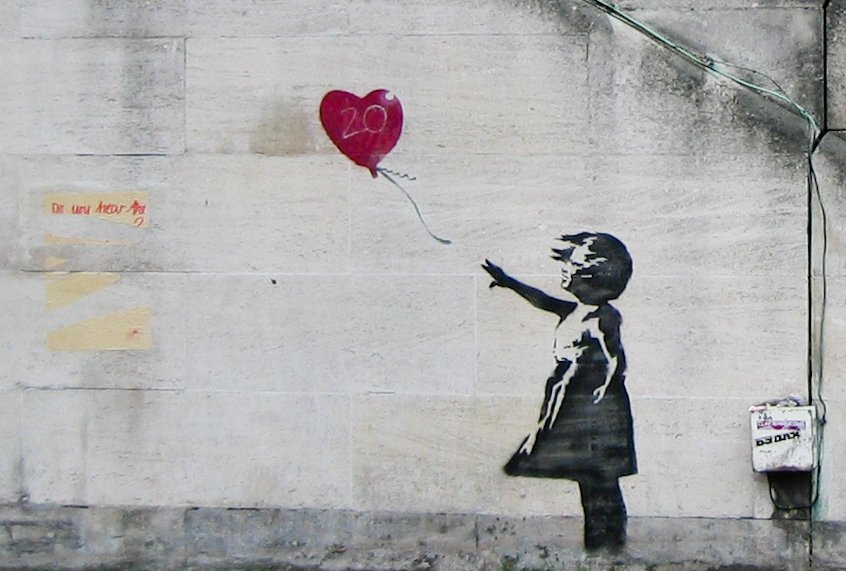
One of Banksy’s most famous works is “Girl with a Balloon,” which emerged from the streets of London. This piece captures a moment of innocence and hope as a young girl reaches for a heart-shaped balloon. The artwork has transcended its original context; during a 2018 auction, it was partially shredded, offering a commentary on the commercialization of art. This unexpected transformation sparked conversations about value, permanence, and the role of art in society, making it a vital topic in urban art discussions.
On the other hand, Shepard Fairey’s “Obey Giant,” characterized by its striking use of propaganda-style graphics, has transformed public spaces across the globe. Initially conceived as an art campaign, the image of Andre the Giant became emblematic of resistance against conformity and a call to question authority. Fairey’s work, particularly during the 2008 Obama campaign, played a critical role in political art, showing how urban murals can serve as catalysts for social and political movements.
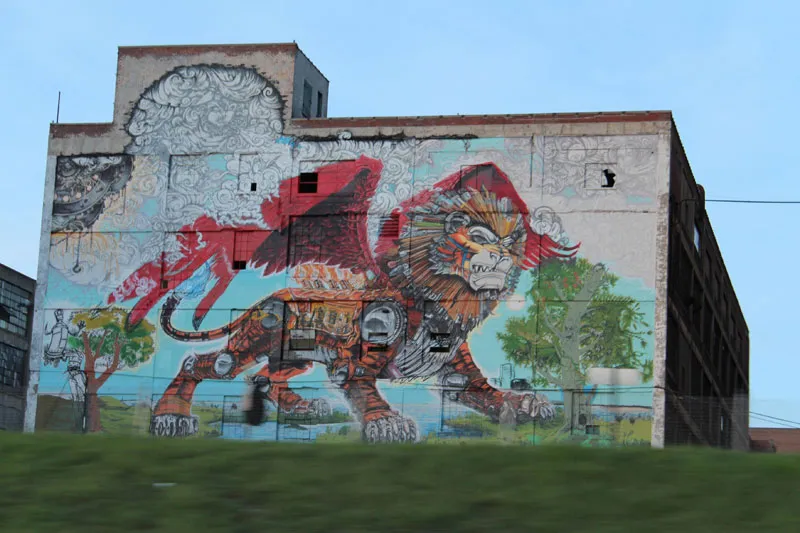
In addition to individual artists, community murals serve as vital expressions of cultural identity. For example, Detroit’s “The Spirit of Detroit“ mural highlights themes of resilience and unity, encapsulating the city’s rich history and strength. Such community initiatives not only beautify urban spaces but also foster dialogue and solidarity among residents, illustrating the power of urban art to inspire change and deliver meaningful messages.
Urban art has emerged as a powerful medium for reflecting and addressing social issues, making it a vital aspect of contemporary cultural discussions. Artists often utilize the streets as a canvas, transforming public spaces into platforms for commentary on pressing societal challenges. This form of art captures the complexities of urban life and highlights issues such as racial inequality, environmental degradation, and political unrest.
Racial inequality is often at the forefront of urban art, where artists express their frustrations and hopes for social justice. Murals and graffiti depicting figures and moments from the civil rights movement serve as visual reminders of ongoing struggles against racism. These works not only commemorate historical events but also encourage dialogue and awareness regarding the systemic issues still prevalent today. By disseminating powerful messages through visual language, urban artists foster a collective consciousness about racial disparities and social justice.
Moreover, environmental issues have become a prominent subject within urban art narratives. Many artists address climate change and ecological destruction through imaginative portrayals of nature juxtaposed against urban landscapes. This artistic approach serves as an urgent call for action, urging the public to recognize and react to environmental threats. Through their creative expressions, artists shed light on the necessity of sustainability and responsible engagement with our surroundings.
Political unrest, historically tied to urban art movements, continues to shape contemporary works. Street art often reflects the frustrations of citizens facing governmental corruption, social injustice, and war. Muralists and graffiti artists use their craft to critique public policies and promote civic engagement, elevating the voices of marginalized communities. Such art not only serves to inform but also inspires others to take action, becoming a transformative tool within urban spaces.
In essence, urban art acts as a mirror to societal challenges, using visual storytelling to provoke thought and raise awareness. As a dynamic intersection of culture, art, and activism, it continues to play a crucial role in shaping public discourse around diverse social issues.
Urban Art and Modern Technology
The relationship between urban art and modern technology has evolved dramatically over the past few decades. This convergence has transformed how artists express themselves, share their work, and engage with their audiences. Digital tools and advances in technology have created new opportunities for creativity, resulting in innovative urban artworks that push conventional boundaries.
One notable advancement is the emergence of digital graffiti, which enables artists to use software and applications to create virtual street art. These digital artworks can be projected onto buildings or displayed on screens, allowing for an interactive and ephemeral experience. In this environment, artists can experiment with dynamic visuals, making their work accessible to a broader audience without the limitations imposed by traditional materials or physical locations.
Additionally, augmented reality (AR) has opened up new possibilities for urban artistry. Artists can now integrate AR technology into their projects, allowing viewers to engage with their art in an immersive manner. For instance, using a smartphone app, spectators can point their devices at a mural and see additional layers of digital content overlayed onto the physical artwork. This interplay between the real and digital worlds encourages creativity while fostering a deeper connection between the art and its audience.
Moreover, the role of social media in promoting urban artists cannot be overstated. Platforms such as Instagram and TikTok allow creators to share their work instantly with global audiences, transcending geographical barriers. Artists can connect with fans and gain valuable feedback, leading to a more participatory art culture. This online presence not only helps artists gain recognition but also fosters community engagement as people share their experiences and reactions to urban art. Overall, modern technology acts as a catalyst, redefining the landscape of urban art and enhancing its significance in contemporary culture.
Conclusion: The Future of Urban Art
Urban art, as a dynamic form of cultural expression, holds a significant place in today’s society. Its evolution from mere graffiti to a respected art form signals an important shift in how we perceive public spaces and artistic creativity. In contemporary culture, urban art is not restricted to traditional murals and street graffiti; it encompasses a wide range of multimedia installations, performances, and digital art forms that engage with both local communities and global audiences. This transformation underscores the potential of urban art to foster dialogue around social issues, cultural identity, and urbanization.
The ongoing evolution of urban art reflects society’s changing values and concerns. As urban areas become increasingly dense and diverse, the role of urban artists will likely expand to incorporate greater social responsibilities. Artists are not only challengers of societal norms but also collaborators in revitalizing communities. With a focus on themes such as sustainability, inclusivity, and social justice, future trends may see urban art becoming an increasingly valuable tool for community engagement and advocacy. As artists tackle pressing social issues through their work, the distinction between artist and activist might blur, reshaping our understanding of both roles in society.
Furthermore, as technology continues to advance, the integration of digital platforms, augmented reality, and interactive elements will likely expand the reach and impact of urban art. This convergence of art and technology may create new opportunities for urban artists to engage wider audiences, fostering a sense of belonging and collaboration among viewers. Individuals can play a crucial role in promoting urban art by supporting local artists, attending events, and advocating for art-friendly policies. By participating in this evolving dialogue, communities can contribute to the richness of urban landscapes and ensure that urban art remains a vibrant aspect of cultural identity for generations to come.
Disclaimer: 👉Some links in this description may be affiliate links in which we may receive a commission for qualifying purchases. This is absolutely no additional charge to you.