

The ability to empathize, understand different perspectives, and respond appropriately to emotional cues will undoubtedly become essential skills in maintaining a productive and positive environment.
Understanding Emotional Intelligence
The Key 2 Success
EQ vs. IQ: Why emotional maturity often outweighs technical skill.
Emotional intelligence (EI) refers to the ability to recognize, understand, and manage our emotions, as well as understanding the emotions of others.
This concept encompasses several key components:
- Self-awareness
- Self-regulation
- Social awareness, and
- Relationship management.
While traditional intelligence, often measured through IQ, emphasizes cognitive abilities, emotional intelligence highlights the importance of emotional and social skills for effective functioning in daily life, that’s true intelligence.
The origins of emotional intelligence can be traced back to the work of psychologists such as Peter Salovey and John D. Mayer, who first introduced the term in their 1990 article.
They defined EI as the ability to process emotional information and use it in reasoning and behavior. However, it was Daniel Goleman’s 1995 book, “Emotional Intelligence: Why It Can Matter More Than IQ,” that brought significant attention to the concept.
Goleman’s framework elaborates on the essential domains of EI, emphasizing its relevance not only in personal development but also in leadership and organizational effectiveness.

Self-awareness is the foundation of emotional intelligence. It involves recognizing one’s own emotions and their impacts on thoughts and behavior.
Self-regulation follows, allowing individuals to manage their emotional responses in a constructive manner. Social awareness, another critical component, pertains to the ability to empathize with others and understand social dynamics.
Finally, relationship management encompasses the skills needed to cultivate and maintain healthy interpersonal connections, facilitating better teamwork and conflict resolution.
The significance of emotional intelligence in daily life cannot be overstated. Individuals with high EI are often better equipped to navigate social complexities, reduce stress, and enhance their communication and leadership abilities.
This skill set is increasingly recognized as vital for professional success, making emotional intelligence an essential area of focus for personal and professional growth.
The Importance of Self-Awareness
Mindfulness Practices: Tools for staying present with your emotions.

Self-awareness is a fundamental component of emotional intelligence, forming the cornerstone of effective personal and professional relationships.
It involves an individual’s ability to recognize and understand their own emotions, strengths, weaknesses, and triggers.
Developing self-awareness not only helps in making informed decisions but also enhances interactions with others, fostering a more empathetic and understanding environment.
People who exhibit high levels of self-awareness are more adept at navigating complex social situations and managing relationships.
By recognizing your emotional responses, you can mitigate impulsive reactions that may stem from stress or frustration. This ability leads to better decision-making, as choices can be made based on rational thought rather than emotional upheaval.
Furthermore, self-awareness allows us to acknowledge our limitations and we all have them, however being self-aware is ultimately driving personal growth and professional development.
Practical strategies for enhancing self-awareness are invaluable for both personal and professional contexts.
One effective method is journaling, which provides a space to reflect on daily emotions and experiences. This practice encourages individuals to analyze their emotional responses and gain insights into their behaviors and thoughts.
Additionally, seeking constructive feedback from peers and mentors can illuminate blind spots in one’s self-perception, leading to a deeper understanding of how actions are perceived by others.

Mindfulness practices, such as meditation or prayer, also serve to heighten self-awareness. Deep breathing impacts us positively as well, it helps alleviate stress, stabilizes blood pressure, among other biological and neurological benefits.
These techniques promote a moment-to-moment awareness of thoughts and feelings, enabling you to observe your emotional states.
By consistently applying these techniques, individuals can cultivate a heightened sense of self-awareness, paving the way for improved emotional intelligence. Ultimately, developing this crucial aspect of emotional intelligence will lead to enhanced relationships and greater success in various areas of life.
Developing Self-Regulation Skills
The Power of the Pause: Choosing responses instead of reacting impulsively.

Self regulation is a crucial component of emotional intelligence, allowing us to manage our emotions, thoughts, and behaviors effectively.
This skill involves the ability to control one’s impulses, maintain focus, and remain composed in challenging situations.
By honing self-regulation skills, we can navigate both personal and professional environments with greater ease and confidence.
One fundamental strategy to improve self-regulation is mindfulness practice.
Engaging in mindfulness techniques, like prayer or meditation, enables us to become more aware of our emotional responses.
This heightened awareness provides the opportunity to pause before reacting, facilitating a more thoughtful approach to conflicts or stressful scenarios.
For instance, a manager who practices mindfulness may handle team disagreements with calmness, fostering a more constructive dialogue.

Another effective method for developing self-regulation is goal setting. By establishing clear, achievable goals, individuals can create a sense of purpose and direction.
These goals should be specific and measurable, allowing for introspect and adjustment as needed.
For example, a salesperson aiming to improve their performance might outline daily targets to maintain focus and motivation, thereby reducing frustration when facing challenges.
Practicing gratitude is also instrumental in enhancing self-regulation.
Regularly acknowledging and appreciating the positives in your lives, you can cultivate optimism and resilience.
This mindset shift can better equip you to handle disappointments and setbacks without falling victim to impulsive emotional reactions and coming loose at the seams.
In a professional context, a team member who expresses gratitude for colleagues’ contributions can foster a more positive and cooperative work environment.
Ultimately, effective self regulation not only supports personal well being but also enhances interpersonal relationships.
By mastering this skill, you can and will contribute positively to your social and workplace dynamics, leading to improved communication and collaboration.
Enhancing Social Awareness
Mastering Empathy: Understanding the perspectives and feelings of others.

Social awareness is a vital aspect of emotional intelligence that involves recognizing and understanding the emotions of others. Empathy.
This skill is fundamental not only in personal relationships but also in professional settings, where teamwork and collaboration are essential.
Developing social awareness allows individuals to empathize with others, fostering an environment conducive to effective communication.
This ability to perceive social cues and respond appropriately is pivotal in achieving success both personally and professionally.
The first step toward enhancing social awareness is cultivating empathy.
Empathy goes beyond mere sympathy; it involves understanding and sharing the feelings of others.
One effective way to develop this skill is by actively listening during conversations.
When engaging with others, focus on their verbal and non-verbal cues, such as tone of voice and facial expressions, which can provide key insights into their emotional states.
By reflecting on and validating their feelings, an individual demonstrates genuine concern and creates a supportive environment.
Additionally, practicing mindfulness can significantly contribute to one’s social awareness. By becoming more attuned to your own emotions and triggers, you can better respond to the emotional contexts of others.
Mindfulness encourages individuals to slow down, observe their surroundings, and recognize interpersonal dynamics, which can improve the ability to gauge the feelings of others accurately.
This heightened sensitivity can lead to improved teamwork, as members who are aware of each other’s emotional states can work together more effectively.
Furthermore, involving oneself in diverse social situations can enhance the understanding of differing perspectives.
Engaging with people from various backgrounds exposes a person to a range of emotional expressions and social cues.
This exposure not only broadens one’s understanding of others but also enriches interpersonal interactions, making collaboration more successful.
As social awareness grows, so does the potential for forming meaningful relationships that thrive on mutual respect and understanding.
Building Strong Relationships through Emotional Intelligence
Active Listening Techniques: Creating deeper connections through focused attention.

Emotional intelligence (EI) plays a pivotal role in fostering strong relationships, both personally and professionally.
Individuals with high emotional intelligence possess the ability to perceive, understand, and manage their own emotions, as well as those of others.
This skill is essential for effective communication, conflict resolution, and building trust within any relationship.
By mastering emotional intelligence, individuals can significantly enhance their interpersonal interactions.
Effective communication is the cornerstone of relationship management.
Individuals who are emotionally intelligent actively listen to others, demonstrating empathy and understanding.
By asking open-ended questions and reflecting feelings, they create an environment where others feel safe to express themselves.
This practice not only improve understanding but also encourage dialogue that can lead to comprehensive solutions.

Remember, emotionally intelligent people are adept at articulating their thoughts and feelings in a clear, respectful manner, thereby reducing the potential for misunderstandings.
Conflict is an inevitable aspect of any relationship; however, it can be effectively managed through the application of emotional intelligence.
Individuals who can recognize their own emotional triggers are better equipped to respond rationally rather than react impulsively to challenging situations.
Techniques such as viewing conflicts as opportunities for growth and focusing on shared goals can transform adversarial dynamics into collaborative problem solving experiences.
This approach not only resolves the immediate conflict but fosters a deeper understanding and respect among parties involved.
“A soft answer turns away anger”.
In leadership and team dynamics, emotional intelligence is invaluable. Leaders who demonstrate EI are able to inspire and motivate their teams by creating a supportive and trusting atmosphere.
They recognize the importance of each team member’s emotions and how these can impact overall performance and morale.
By valuing emotional intelligence in both themselves and their teams, leaders can cultivate stronger relationships that promote cooperation and effectiveness.
Ultimately, the integration of emotional intelligence into relationship management leads to enriched interactions and a more harmonious environment.
Emotional Intelligence in the Workplace
Leadership and EQ: How high emotional intelligence drives team success.

Emotional intelligence (EI) has emerged as a critical factor influencing success in professional environments.
The ability to recognize, understand, and manage one’s own emotions, as well as the emotions of others, directly correlates with various aspects of job performance.
Research indicates that employees with high emotional intelligence tend to have better interpersonal skills, allowing them to navigate complex workplace dynamics more effectively.
These individuals are often more adept at communication and conflict resolution, contributing positively to team cohesion and collaboration.
Moreover, a significant body of research links emotional intelligence to enhanced employee satisfaction.
Empirical studies have shown that workplaces cultivating emotional intelligence create an atmosphere of trust and empathy.
Employees who feel understood and valued are more likely to exhibit higher job engagement and lower levels of turnover.
For instance, a study conducted by the University of California demonstrated that teams with emotionally intelligent members reported higher levels of job satisfaction and morale compared to those without such capabilities.
Furthermore, organizations emphasizing emotional intelligence as part of their corporate culture often experience improved overall performance.
A case study involving a multinational corporation highlighted that implementing EI workshops led to a marked increase in both productivity and innovation.
Employees who participated in these programs showed a 25% improvement in dealing with customer queries effectively, showcasing the tangible benefits of emotional intelligence in enhancing customer relations.
In summary, the role of emotional intelligence in the workplace cannot be understated.
By integrating emotional intelligence into training and leadership strategies, organizations not only boost individual job performance but also create a healthier, more productive work environment.
The evidence clearly illustrates that fostering emotional intelligence is not merely beneficial; it is essential for organizational success in today’s competitive landscape.
Practical Exercises to Develop Emotional Intelligence
The “Three-Minute Breathing” Space: A quick reset for emotional clarity.
Enhancing one’s emotional intelligence (EI) is a valuable pursuit that can have significant impacts on both personal and professional success.
Individuals aiming to cultivate EI can engage in various practical exercises designed to foster greater self-awareness, empathy, and emotional regulation.
Below are several effective strategies that can be easily integrated into daily life.

One of the simplest and most impactful practices is journaling.
By regularly documenting thoughts, feelings, and reactions to various situations, you can gain insight into your emotional patterns.
This reflective practice encourages self exploration and aids in identifying triggers that escalate or diminish emotional responses.

Journaling can also promote a deeper understanding of personal motivations and reactions, thereby enhancing self-awareness.
Role-playing is another highly effective exercise that allows us to explore different perspectives and reactions in a safe environment.
By acting out scenarios that involve emotional complexity such as conflict resolution or giving difficult feedback, participants can practice empathetic engagement and develop better communication skills.
This approach not only enhances understanding of others’ viewpoints but also cultivates resilience in emotionally charged situations.
Mindfulness practices, such as meditation, prayer and deep-breathing exercises, can significantly contribute to the development of emotional intelligence.
These techniques cultivate a greater sense of being in the moment, which helps us to recognize our emotional states and manage responses more effectively.
Regular mindfulness practice can lead to improved emotional regulation, enabling you to respond thoughtfully rather than react impulsively in stressful situations.

Incorporating these exercises into daily routines can lead to a gradual but lasting enhancement of emotional intelligence.
Those who actively engage in these practices are likely to find improved interpersonal relationships and greater overall satisfaction in both personal and professional spheres.
The commitment to developing EI is not only a personal endeavor; it is an investment in future success.
Overcoming Barriers to Emotional Intelligence
Breaking Defensive Habits: Moving past the ego to foster growth.
Emotional intelligence (EI) is an invaluable asset, yet many people encounter barriers when striving to develop it.
A prevalent misconception is that emotional intelligence is an inherent trait, rather than a skill that can be cultivated over time.
This belief can lead to feelings of inadequacy and discourage individuals from actively pursuing growth in this area.

Recognizing that emotional intelligence can be learned through practice and experience is the first step toward overcoming this barrier.
Another common challenge is the tendency to avoid difficult emotions.
People often view emotions as a sign of weakness and may feel uncomfortable expressing their feelings or empathizing with others.
This avoidance can inhibit emotional awareness and lead to ineffective communication.
To counter this, practice mindfulness techniques, which can aid in acknowledging and processing emotions rather than suppressing them.
By creating a safe space for self expression, individuals can enhance their emotional intelligence and improve their interactions with others.
Moreover, societal and cultural factors can also act as barriers.
In certain environments, emotional expression may be undervalued or even discouraged, leading to a lack of support for those seeking to enhance their EI.
It is essential for us to seek out diverse perspectives and support networks that encourage emotional growth.

Engaging with mentors or participating in workshops focused on emotional intelligence can provide the necessary encouragement and resources to overcome these societal limitations.

Lastly but not least, self-doubt can hinder progress considerably.
You may struggle to believe in your capability to change and grow in your emotional understanding.
To combat self-doubt, setting realistic, achievable goals can promote incremental improvements in emotional intelligence.
By celebrating small victories along the way, we can build confidence and affirm our ability to develop this crucial skill.
With dedication and a proactive mindset, overcoming barriers to emotional intelligence becomes increasingly feasible, leading to enriched personal and professional relationships.
The Future of Emotional Intelligence
EQ in the Age of AI: Why human emotion remains a unique competitive advantage.

As we navigate through an era characterized by rapid technological advancements and increasing automation, the significance of emotional intelligence (EI) is poised to grow even more.
In workplaces where artificial intelligence and machinery are taking over routine tasks, emotional intelligence emerges as a vital differentiator between human competency and robotic efficiency.
Those equipped with high levels of EI are likely to excel in roles that necessitate collaboration, creativity, and complex problem solving, areas where machines and technology will fall short.
In an environment where remote work and digital communication are becoming the norm, emotional intelligence enables individuals to build stronger relationships, navigate difficult conversations, and foster team cohesion.
Organizations that prioritize emotional intelligence training are likely to enhance employee engagement and retention, creating a more resilient workforce.

To cultivate emotional intelligence, you are encouraged to adopt a mindset of continuous learning.
Various resources exist to develop this growth, including workshops, online courses, and books focused on EI development.
These materials can provide insights into self awareness, empathy, and effective communication, all of which are crucial for personal and professional success.
Moreover, engaging in reflective practices such as journaling or mindfulness can help individuals better understand their emotional responses and improve their interactions with others.
Ultimately, the journey of developing emotional intelligence is lifelong. As society continues to evolve, so too will the complexities of human interactions.
Embracing emotional intelligence not only prepares you to thrive in your careers but also enriches your personal lives, leading to enhanced relationships and overall well-being.



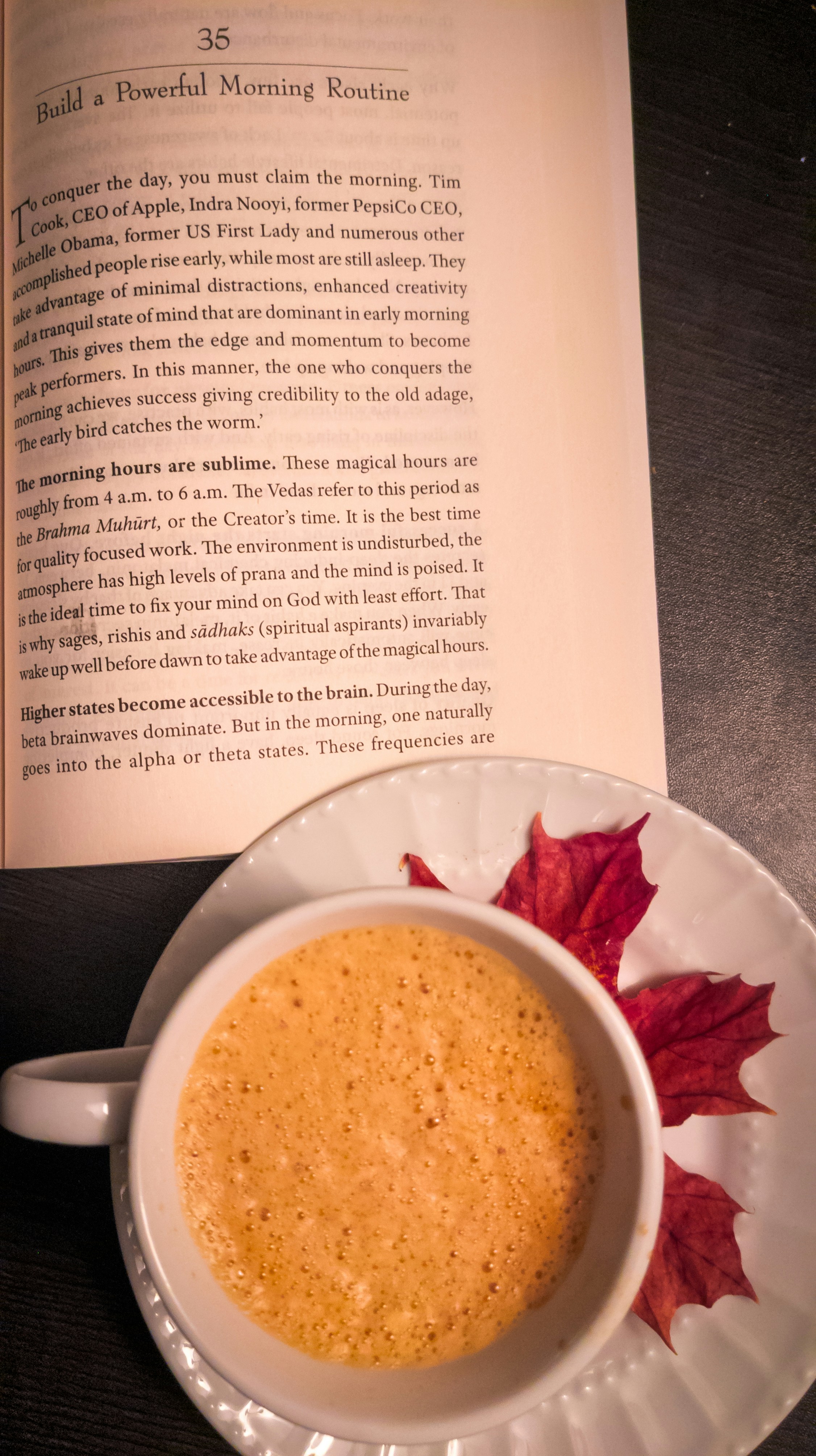


 Furthermore, the interconnected nature of discipline extends to professional life as well.