
Unlocking the Power of Emotional Intelligence: A Key to Personal and Professional Success

Unlocking the Power of Emotional Intelligence: A Key to Personal and Professional Success

The ability to empathize, understand different perspectives, and respond appropriately to emotional cues will undoubtedly become essential skills in maintaining a productive and positive environment.

Understanding Emotional Intelligence

The Key 2 Success

EQ vs. IQ: Why emotional maturity often outweighs technical skill.

Emotional intelligence (EI) refers to the ability to recognize, understand, and manage our emotions, as well as understanding the emotions of others.

This concept encompasses several key components:

  1. Self-awareness
  2. Self-regulation
  3. Social awareness, and
  4. Relationship management.

While traditional intelligence, often measured through IQ, emphasizes cognitive abilities, emotional intelligence highlights the importance of emotional and social skills for effective functioning in daily life, that’s true intelligence. 

The origins of emotional intelligence can be traced back to the work of psychologists such as Peter Salovey and John D. Mayer, who first introduced the term in their 1990 article.

They defined EI as the ability to process emotional information and use it in reasoning and behavior. However, it was Daniel Goleman’s 1995 book, “Emotional Intelligence: Why It Can Matter More Than IQ,” that brought significant attention to the concept.

Goleman’s framework elaborates on the essential domains of EI, emphasizing its relevance not only in personal development but also in leadership and organizational effectiveness.

Self-awareness is the foundation of emotional intelligence. It involves recognizing one’s own emotions and their impacts on thoughts and behavior.

Self-regulation follows, allowing individuals to manage their emotional responses in a constructive manner. Social awareness, another critical component, pertains to the ability to empathize with others and understand social dynamics.

Finally, relationship management encompasses the skills needed to cultivate and maintain healthy interpersonal connections, facilitating better teamwork and conflict resolution.

The significance of emotional intelligence in daily life cannot be overstated. Individuals with high EI are often better equipped to navigate social complexities, reduce stress, and enhance their communication and leadership abilities.

This skill set is increasingly recognized as vital for professional success, making emotional intelligence an essential area of focus for personal and professional growth.

The Importance of Self-Awareness

Mindfulness Practices: Tools for staying present with your emotions.

Self-awareness is a fundamental component of emotional intelligence, forming the cornerstone of effective personal and professional relationships.

It involves an individual’s ability to recognize and understand their own emotions, strengths, weaknesses, and triggers.

Developing self-awareness not only helps in making informed decisions but also enhances interactions with others, fostering a more empathetic and understanding environment.

People who exhibit high levels of self-awareness are more adept at navigating complex social situations and managing relationships.

By recognizing your emotional responses, you can mitigate impulsive reactions that may stem from stress or frustration. This ability leads to better decision-making, as choices can be made based on rational thought rather than emotional upheaval.

Furthermore, self-awareness allows us to acknowledge our limitations and we all have them, however being self-aware is ultimately driving personal growth and professional development.

Practical strategies for enhancing self-awareness are invaluable for both personal and professional contexts.

One effective method is journaling, which provides a space to reflect on daily emotions and experiences. This practice encourages individuals to analyze their emotional responses and gain insights into their behaviors and thoughts.

Additionally, seeking constructive feedback from peers and mentors can illuminate blind spots in one’s self-perception, leading to a deeper understanding of how actions are perceived by others.

Mindfulness practices, such as meditation or prayer, also serve to heighten self-awareness.  Deep breathing impacts us positively as well, it helps alleviate stress, stabilizes blood pressure, among other biological and neurological benefits. 

These techniques promote a moment-to-moment awareness of thoughts and feelings, enabling you to observe your emotional states.

By consistently applying these techniques, individuals can cultivate a heightened sense of self-awareness, paving the way for improved emotional intelligence. Ultimately, developing this crucial aspect of emotional intelligence will lead to enhanced relationships and greater success in various areas of life.

Developing Self-Regulation Skills

The Power of the Pause: Choosing responses instead of reacting impulsively.

Self regulation is a crucial component of emotional intelligence, allowing us to manage our emotions, thoughts, and behaviors effectively.

This skill involves the ability to control one’s impulses, maintain focus, and remain composed in challenging situations.

By honing self-regulation skills, we can navigate both personal and professional environments with greater ease and confidence.

One fundamental strategy to improve self-regulation is mindfulness practice.

Engaging in mindfulness techniques, like prayer or meditation, enables us to become more aware of our emotional responses.

This heightened awareness provides the opportunity to pause before reacting, facilitating a more thoughtful approach to conflicts or stressful scenarios.

For instance, a manager who practices mindfulness may handle team disagreements with calmness, fostering a more constructive dialogue.

Another effective method for developing self-regulation is goal setting. By establishing clear, achievable goals, individuals can create a sense of purpose and direction.

These goals should be specific and measurable, allowing for introspect and adjustment as needed.

For example, a salesperson aiming to improve their performance might outline daily targets to maintain focus and motivation, thereby reducing frustration when facing challenges.

Practicing gratitude is also instrumental in enhancing self-regulation.

Regularly acknowledging and appreciating the positives in your lives, you can cultivate optimism and resilience.

This mindset shift can better equip you to handle disappointments and setbacks without falling victim to impulsive emotional reactions and coming loose at the seams.

In a professional context, a team member who expresses gratitude for colleagues’ contributions can foster a more positive and cooperative work environment.

Ultimately, effective self regulation not only supports personal well being but also enhances interpersonal relationships.

By mastering this skill, you can and will contribute positively to your social and workplace dynamics, leading to improved communication and collaboration.

Enhancing Social Awareness

Mastering Empathy: Understanding the perspectives and feelings of others.

Social awareness is a vital aspect of emotional intelligence that involves recognizing and understanding the emotions of others. Empathy. 

This skill is fundamental not only in personal relationships but also in professional settings, where teamwork and collaboration are essential.

Developing social awareness allows individuals to empathize with others, fostering an environment conducive to effective communication.

This ability to perceive social cues and respond appropriately is pivotal in achieving success both personally and professionally.

The first step toward enhancing social awareness is cultivating empathy.

Empathy goes beyond mere sympathy; it involves understanding and sharing the feelings of others.

One effective way to develop this skill is by actively listening during conversations.

When engaging with others, focus on their verbal and non-verbal cues, such as tone of voice and facial expressions, which can provide key insights into their emotional states.

By reflecting on and validating their feelings, an individual demonstrates genuine concern and creates a supportive environment.

Additionally, practicing mindfulness can significantly contribute to one’s social awareness. By becoming more attuned to your own emotions and triggers, you can better respond to the emotional contexts of others.

Mindfulness encourages individuals to slow down, observe their surroundings, and recognize interpersonal dynamics, which can improve the ability to gauge the feelings of others accurately.

This heightened sensitivity can lead to improved teamwork, as members who are aware of each other’s emotional states can work together more effectively.

Furthermore, involving oneself in diverse social situations can enhance the understanding of differing perspectives.

Engaging with people from various backgrounds exposes a person to a range of emotional expressions and social cues.

This exposure not only broadens one’s understanding of others but also enriches interpersonal interactions, making collaboration more successful.

As social awareness grows, so does the potential for forming meaningful relationships that thrive on mutual respect and understanding.

Building Strong Relationships through Emotional Intelligence

Active Listening Techniques: Creating deeper connections through focused attention.

Emotional intelligence (EI) plays a pivotal role in fostering strong relationships, both personally and professionally.

Individuals with high emotional intelligence possess the ability to perceive, understand, and manage their own emotions, as well as those of others.

This skill is essential for effective communication, conflict resolution, and building trust within any relationship.

By mastering emotional intelligence, individuals can significantly enhance their interpersonal interactions.

Effective communication is the cornerstone of relationship management.

Individuals who are emotionally intelligent actively listen to others, demonstrating empathy and understanding.

By asking open-ended questions and reflecting feelings, they create an environment where others feel safe to express themselves.

This practice not only improve understanding but also encourage dialogue that can lead to comprehensive solutions.

Remember, emotionally intelligent people are adept at articulating their thoughts and feelings in a clear, respectful manner, thereby reducing the potential for misunderstandings.

Conflict is an inevitable aspect of any relationship; however, it can be effectively managed through the application of emotional intelligence.

Individuals who can recognize their own emotional triggers are better equipped to respond rationally rather than react impulsively to challenging situations.

Techniques such as viewing conflicts as opportunities for growth and focusing on shared goals can transform adversarial dynamics into collaborative problem solving experiences.

This approach not only resolves the immediate conflict but fosters a deeper understanding and respect among parties involved.

“A soft answer turns away anger”.

In leadership and team dynamics, emotional intelligence is invaluable. Leaders who demonstrate EI are able to inspire and motivate their teams by creating a supportive and trusting atmosphere.

They recognize the importance of each team member’s emotions and how these can impact overall performance and morale.

By valuing emotional intelligence in both themselves and their teams, leaders can cultivate stronger relationships that promote cooperation and effectiveness.

Ultimately, the integration of emotional intelligence into relationship management leads to enriched interactions and a more harmonious environment.

Emotional Intelligence in the Workplace

Leadership and EQ: How high emotional intelligence drives team success.

Emotional intelligence (EI) has emerged as a critical factor influencing success in professional environments.

The ability to recognize, understand, and manage one’s own emotions, as well as the emotions of others, directly correlates with various aspects of job performance.

Research indicates that employees with high emotional intelligence tend to have better interpersonal skills, allowing them to navigate complex workplace dynamics more effectively.

These individuals are often more adept at communication and conflict resolution, contributing positively to team cohesion and collaboration.

Moreover, a significant body of research links emotional intelligence to enhanced employee satisfaction.

Empirical studies have shown that workplaces cultivating emotional intelligence create an atmosphere of trust and empathy.

Employees who feel understood and valued are more likely to exhibit higher job engagement and lower levels of turnover.

For instance, a study conducted by the University of California demonstrated that teams with emotionally intelligent members reported higher levels of job satisfaction and morale compared to those without such capabilities.

Furthermore, organizations emphasizing emotional intelligence as part of their corporate culture often experience improved overall performance.

A case study involving a multinational corporation highlighted that implementing EI workshops led to a marked increase in both productivity and innovation.

Employees who participated in these programs showed a 25% improvement in dealing with customer queries effectively, showcasing the tangible benefits of emotional intelligence in enhancing customer relations.

In summary, the role of emotional intelligence in the workplace cannot be understated.

By integrating emotional intelligence into training and leadership strategies, organizations not only boost individual job performance but also create a healthier, more productive work environment.

The evidence clearly illustrates that fostering emotional intelligence is not merely beneficial; it is essential for organizational success in today’s competitive landscape.

Practical Exercises to Develop Emotional Intelligence

The “Three-Minute Breathing” Space: A quick reset for emotional clarity.

Enhancing one’s emotional intelligence (EI) is a valuable pursuit that can have significant impacts on both personal and professional success.

Individuals aiming to cultivate EI can engage in various practical exercises designed to foster greater self-awareness, empathy, and emotional regulation.

Below are several effective strategies that can be easily integrated into daily life.

One of the simplest and most impactful practices is journaling.

By regularly documenting thoughts, feelings, and reactions to various situations, you can gain insight into your emotional patterns.

This reflective practice encourages self exploration and aids in identifying triggers that escalate or diminish emotional responses.

Journaling can also promote a deeper understanding of personal motivations and reactions, thereby enhancing self-awareness.

Role-playing is another highly effective exercise that allows us to explore different perspectives and reactions in a safe environment.

By acting out scenarios that involve emotional complexity such as conflict resolution or giving difficult feedback, participants can practice empathetic engagement and develop better communication skills.

This approach not only enhances understanding of others’ viewpoints but also cultivates resilience in emotionally charged situations.

Mindfulness practices, such as meditation, prayer and deep-breathing exercises, can significantly contribute to the development of emotional intelligence.

These techniques cultivate a greater sense of being in the moment, which helps us to recognize our emotional states and manage responses more effectively.

Regular mindfulness practice can lead to improved emotional regulation, enabling you to respond thoughtfully rather than react impulsively in stressful situations.

Incorporating these exercises into daily routines can lead to a gradual but lasting enhancement of emotional intelligence.

Those who actively engage in these practices are likely to find improved interpersonal relationships and greater overall satisfaction in both personal and professional spheres.

The commitment to developing EI is not only a personal endeavor; it is an investment in future success.

Overcoming Barriers to Emotional Intelligence

Breaking Defensive Habits: Moving past the ego to foster growth.

Emotional intelligence (EI) is an invaluable asset, yet many people encounter barriers when striving to develop it.

A prevalent misconception is that emotional intelligence is an inherent trait, rather than a skill that can be cultivated over time.

This belief can lead to feelings of inadequacy and discourage individuals from actively pursuing growth in this area.

Recognizing that emotional intelligence can be learned through practice and experience is the first step toward overcoming this barrier.

Another common challenge is the tendency to avoid difficult emotions.

People often view emotions as a sign of weakness and may feel uncomfortable expressing their feelings or empathizing with others.

This avoidance can inhibit emotional awareness and lead to ineffective communication.

To counter this, practice mindfulness techniques, which can aid in acknowledging and processing emotions rather than suppressing them.

By creating a safe space for self expression, individuals can enhance their emotional intelligence and improve their interactions with others.

Moreover, societal and cultural factors can also act as barriers.

In certain environments, emotional expression may be undervalued or even discouraged, leading to a lack of support for those seeking to enhance their EI.

It is essential for us to seek out diverse perspectives and support networks that encourage emotional growth.

Engaging with mentors or participating in workshops focused on emotional intelligence can provide the necessary encouragement and resources to overcome these societal limitations.

Lastly but not least, self-doubt can hinder progress considerably.

You may struggle to believe in your capability to change and grow in your emotional understanding.

To combat self-doubt, setting realistic, achievable goals can promote incremental improvements in emotional intelligence.

By celebrating small victories along the way, we can build confidence and affirm our ability to develop this crucial skill.

With dedication and a proactive mindset, overcoming barriers to emotional intelligence becomes increasingly feasible, leading to enriched personal and professional relationships.

The Future of Emotional Intelligence

EQ in the Age of AI: Why human emotion remains a unique competitive advantage.

As we navigate through an era characterized by rapid technological advancements and increasing automation, the significance of emotional intelligence (EI) is poised to grow even more.

In workplaces where artificial intelligence and machinery are taking over routine tasks, emotional intelligence emerges as a vital differentiator between human competency and robotic efficiency.

Those equipped with high levels of EI are likely to excel in roles that necessitate collaboration, creativity, and complex problem solving, areas where machines and technology will fall short.

In an environment where remote work and digital communication are becoming the norm, emotional intelligence enables individuals to build stronger relationships, navigate difficult conversations, and foster team cohesion.

Organizations that prioritize emotional intelligence training are likely to enhance employee engagement and retention, creating a more resilient workforce.

To cultivate emotional intelligence, you are encouraged to adopt a mindset of continuous learning.

Various resources exist to develop this growth, including workshops, online courses, and books focused on EI development.

These materials can provide insights into self awareness, empathy, and effective communication, all of which are crucial for personal and professional success.

Moreover, engaging in reflective practices such as journaling or mindfulness can help individuals better understand their emotional responses and improve their interactions with others.

Ultimately, the journey of developing emotional intelligence is lifelong. As society continues to evolve, so too will the complexities of human interactions.

Embracing emotional intelligence not only prepares you to thrive in your careers but also enriches your personal lives, leading to enhanced relationships and overall well-being.


Best Summer Hats for Men 2026: The Ultimate Style & Sun Protection Guide

Best Summer Hats for Men 2026: The Ultimate Style & Sun Protection Guide

The Importance of Choosing the Right Summer Headwear

The Crown On Your Head

As the summer months approach, selecting the right headwear becomes increasingly critical for men. Summer headwear serves a dual purpose: it offers vital protection from the sun while also enhancing personal style. The significance of hats cannot be overstated, especially when considering the harmful effects of ultraviolet (UV) rays on skin health.

Prolonged exposure to these rays can lead to sunburn, premature aging, and even more severe conditions like skin cancer. Wearing a well-fitted hat can significantly reduce the chances of sun exposure on the face and neck, thereby acting as a practical barrier against these potential dangers.

Moreover, summer hats are instrumental in preventing heat stroke—a serious health risk during the hotter months. By shielding the head and face from direct sunlight, headwear can help regulate body temperature, ensuring comfort even on the warmest days.

A breathable, lightweight hat allows for better air circulation, providing not just protection but also comfort. Fabrics like cotton, linen, and straw are often ideal for summer headwear, as they are both breathable and lightweight, making them suitable for outdoor activities.

In addition to health considerations, summer headwear plays an essential role in defining personal style. Choosing the right hat can elevate an outfit, whether it is a casual beach day or a more formal outdoor event.

Hats come in various styles—from fedoras to baseball caps allowing men to express their uniqueness while maintaining functionality. In summary, choosing the right summer headwear is crucial for both protection against UV rays and for accentuating personal style.

The investment in quality headwear can contribute significantly to comfort and health throughout the sweltering summer months.

Exploring Different Styles of Summer Hats

The Elegance of Your Crown

When it comes to summer headwear for men, various styles of hats provide not only sun protection but also elevate one’s overall fashion. Each hat style possesses unique characteristics, making it essential to understand their distinct attributes, ideal occasions, and compatibility with various outfits.

Summer Headwear
Summer Headwear 4 Men

One of the most well-known options is the fedora, characterized by its soft brim and defining indentations on the crown. Typically made of lightweight felt or straw, the fedora blends well with both casual and formal summer attire. This hat is particularly ideal for outdoor events such as weddings and garden parties, as it conveys a sense of sophistication and timeless elegance.

To style a fedora, consider pairing it with a crisp linen shirt and dress shorts, maintaining a well-dressed yet approachable look.

Next, the Panama hat embraces a more relaxed aesthetic, crafted from finely woven straw, making it an excellent choice for beach outings and summer vacations. Its lightweight nature allows for significant breathability, making it desirable for warmer climates.

The Panama hat complements casual outfits, like cotton t-shirts and swim trunks, while also being suitable for semi-formal affairs when matched with a summer blazer.

The bucket hat has recently regained popularity, noted for its wide, downward-sloping brim that provides ample sun protection. This versatile hat can suit laid-back occasions such as picnics or music festivals and can seamlessly blend with streetwear.

Pairing a bucket hat with shorts and a graphic tee can achieve a trendy yet effortless summer style.

Lastly, the classic cap, available in various materials like cotton and denim, offers a sporty option suitable for casual outings and daytime activities.

Caps can be styled with athleisure outfits or simply paired with jeans and a simple tee for a neat and unpretentious look. Choosing the right summer hat involves considering personal style preferences, occasion appropriateness, and effective coordination with your outfit choices.

Color and Material Choices for Trendy Summer Hats

Choosing the Right Color

Bruno Capelo

Choosing the right color and material for summer hats is essential not only for comfort but also for style. As temperatures rise, opt for lighter color palettes that reflect the vibrant essence of the summer season. Popular choices include light neutrals, pastel shades, and even bold prints that allow men to express their personal style.

These hues not only resonate with the season but also complement various skin tones, enhancing overall appearance.

Light neutrals, such as beige, white, or light grey, are timeless and versatile. They can easily be matched with a wide range of outfits, making them an ideal choice for various summer occasions.

Pastel shades like soft blues, pinks, and greens offer a fresh, cheerful look that is particularly appealing during the summer months.

For those who prefer a more daring approach, bold patterns and prints can make a statement, allowing wearers to stand out while enjoying the sunny weather.

Equally important as color selection is the choice of materials. Popular fabric options include straw, cotton, and linen. Straw hats are highly breathable, making them a favored choice among men seeking sun protection while staying comfortable in heat.

They come in various styles, such as wide-brimmed hats and fedoras, providing both shade and fashion. Cotton hats are another excellent option, as they manage moisture well and offer comfort through their soft texture.

Linen, known for its lightweight and breathable quality, is perfect for hot days as it allows for airflow, keeping the head cool.

Ultimately, selecting the right combination of color and material for summer hats ensures both functionality and style, allowing men to navigate the season with confidence.

Finding the Perfect Fit

Sizing Your Summer Hat

When selecting summer headwear, sizing is a fundamental consideration that can impact both comfort and style. Wearing a hat that fits properly is essential for enhancing your overall appearance and ensuring a pleasant experience during warm weather. An ill-fitting hat can lead to discomfort, be it through constant adjustment or an undesirable look.

To determine your ideal hat size, it is advisable to measure the circumference of your head. This can be achieved by using a soft measuring tape, wrapping it around the widest part of your head, typically just above your ears and eyebrows.

Take note of the measurement in inches or centimeters, as this will correspond to hat sizes. The average adult sizes vary but typically range from 21 to 24 inches. If you are between sizes, opt for the larger size for a more comfortable fit.

In addition to standard sizes, many brands offer adjustable styles, such as snapback, strapback, or elasticized designs. These options provide versatility, accommodating various head sizes while maintaining style.

Adjustable hats not only fit different individuals comfortably, but also allow for personal adjustments on a warm day when your head may feel a bit swollen from heat.

Before purchasing a summer hat, try it on to assess its fit and feel. Check how it sits on your head and evaluate any possible pressure points. A well-fitted hat should sit comfortably without slipping or feeling constraining. If shopping online, consult sizing charts and customer reviews for additional insights.

Proper sizing ensures that your summer hat not only protects you from the sun but also complements your personal style effectively.

Spring Forward: A Guide for Men to Embrace Change and Boost Wellbeinghttps://richboyent903.in/spring-forward-a-guide-for-men-to-embrace-change-and-boost-wellbeing/

The Modern Man
First Name
Last Name
Email
Message
The form has been submitted successfully!
There has been some error while submitting the form. Please verify all form fields again.

Consistency: The Key 2 Mastery | The Discipline Blueprint

Consistency: The Key 2 Mastery | The Discipline Blueprint

A Scientifically Supported Guide

Unlocking the Secrets to Health and Vitality: A Scientifically Supported Guide

Unlocking the Secrets to Health and Vitality

Understanding Health and Vitality

Physical health and Vitality is the most visible aspect of well-being, often measured by factors such as body composition, fitness levels, and the absence of chronic diseases.

It forms the foundation for vitality, as a strong body typically supports a more active lifestyle, allowing for greater participation in various activities.

Mental health involves cognitive functions, emotional stability, and psychological well-being, playing a pivotal role in how individuals perceive and interact with the world, and people in their world.

This dimension of health affects motivation, focus, and the ability to cope with life’s challenges, directly influencing one’s vitality.

Emotional health encompasses the ability to understand, manage, and express emotions effectively.

It is inherently linked to both mental and physical dimensions, as emotional turmoil can lead to physical ailments, while good emotional health enhances mental clarity and resilience.

The interplay between these aspects of health underscores their interconnectedness; a deficiency in one area can adversely impact the others, thereby diminishing overall vitality.

Recognizing this interconnectedness is crucial for developing a balanced approach to wellness that encourages sustained health and vitality throughout life.


The Role of Nutrition in Health and Vitality

Superfoods and Antioxidants: Nature’s Defense System

Nutrition plays a fundamental role in maintaining health and ensuring vitality throughout your life. 

Scientific research has established that a well-balanced diet, rich in essential nutrients, is crucial for optimal physiological functioning.

Essential nutrients include carbohydrates, proteins, fats, vitamins, and minerals, each contributing to various bodily processes such as energy production, immune response, and cellular repair.

A balanced diet emphasizes the importance of consuming a variety of foods that provide these essential nutrients in appropriate proportions.

This approach not only supports overall health but also contributes to the prevention of chronic illnesses.

For example, research has shown that diets rich in fruits, vegetables, whole grains, and lean proteins can lower the risk of conditions like obesity, diabetes, and cardiovascular disease.

High blood pressure, low blood pressure….no blood pressure.

On the other hand, excessive consumption of processed foods high in sugars and unhealthy fats can lead to detrimental health outcomes.


In addition to traditional dietary components, recent studies have spotlighted the benefits of superfoods foods that are particularly nutrient-dense and beneficial for health.

Some examples include quinoa, blueberries, and chia seeds, which are known for their high levels of antioxidants, fiber, and essential fatty acids.

Let’s not forget, strawberries, bananas, melons and broccoli; Yes BROCOLLI.

Incorporating superfoods into your daily diet can enhance vitality by supporting metabolic health and minimizing oxidative stress in the body.

Emerging dietary patterns such as the Mediterranean diet or plant-based diets have also drawn attention for their association with improved health outcomes.

These diets typically emphasize whole, minimally processed foods and promote healthy fats, offering a substantial array of nutrients that contribute to both physical and mental well-being.

Ultimately, understanding the scientific principles surrounding nutrition enables individuals to make informed dietary choices, paving the way for long-lasting health and vitality.


The Science of Exercise and Physical Activity

Strength Training: Building Longevity through Muscle

Regular exercise and physical activity have been shown to be vital for enhancing overall health and longevity.

Scientific research underscores the importance of these activities in improving cardiovascular health, optimizing metabolic rates, and fostering mental well-being.

Engaging in physical activity boosts the efficiency of the cardiovascular system, which includes providing greater oxygen delivery, improving blood circulation, and lowering the risk of heart disease.

Enhanced cardiovascular function is linked to lower blood pressure and improved cholesterol levels, reinforcing the body’s ability to transport oxygen and nutrients efficiently.


The Impact of Mental Health on Vitality

Mind-Body Synergy: How Thoughts Affect Physical Health

Mental health plays a critical role in determining an individual’s overall vitality. It encompasses emotional, psychological, and social well-being, influencing how we think, feel, and act.

Poor mental health can lead to issues such as anxiety, depression, and stress, all of which can significantly detract from an individual’s sense of health and vitality.

When individuals experience these common mental health issues, it may result in a diminished capacity to engage with life fully, thereby affecting their energy levels and zest for everyday activities.


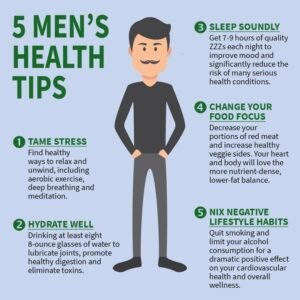
One of the most effective ways to enhance mental health and, consequently, vitality is through stress management techniques.

Engaging in regular physical exercise, practicing deep breathing exercises, and maintaining a balanced diet can mitigate the effects of stress on mental health.

These strategies not only help in reducing anxiety and promoting relaxation but also improve overall well-being. Additionally, social support plays an integral role in managing stress.

Strong social connections enable us to share our experiences and feelings, thereby creating a buffer against stressors that can impact mental health.


Mindfulness and emotional resilience are also vital components in maintaining vitality. Practicing mindfulness helps individuals stay present and aware, allowing for better emotional regulation.

Techniques such as meditation and prayer promote a sense of calm and clarity, contributing positively to mental health.

Moreover, nurturing emotional resilience equips individuals with the tools to overcome life’s setbacks, (and you will have them) however it makes us better equipped to handle challenges.

This resilience not only enriches personal experiences but serves as a foundation for maintaining vitality in various aspects of life.


In conclusion, mental health significantly influences vitality by affecting emotional well-being, stress levels, and resilience. By prioritizing mental health through effective techniques, you can enhance your overall quality of life and pursue vitality with renewed vigor.


Sleep: The Unsung Hero of Health

The Architecture of Sleep: Understanding REM and Deep Cycles

Sleep is often overlooked in discussions surrounding health and vitality, yet scientific research consistently highlights its critical importance.

Quality sleep plays a vital role in numerous physiological processes, influencing everything from immune function to emotional well-being.

During sleep, the body engages in essential restorative functions, including muscle repair, tissue growth, and memory consolidation.


Understanding sleep cycles is crucial for appreciating its role in overall health. Sleep consists of several stages, primarily divided into REM (rapid eye movement) and NREM (non-rapid eye movement) sleep.

Each stage serves distinct functions; while NREM contributes to physical restoration and hormonal balance, REM sleep is integral to cognitive processes such as memory and learning.

Disruptions in these sleep cycles can lead to significant adverse effects on both physical and mental health.


Consequently, sleep deprivation can result in a host of negative outcomes, including cognitive decline, reduced concentration, and impaired decision making abilities.

A study published in the journal Sleep demonstrated that even short-term sleep deprivation significantly decreased participants’ cognitive performance.

Additionally, chronic sleep deprivation is associated with increased risks of various health conditions, including obesity, diabetes, and cardiovascular disease.


Given the profound effects of sleep on health, prioritizing sleep hygiene is paramount. Simple strategies can lead to substantial improvements in sleep quality.

Maintaining a regular sleep schedule by going to bed and waking up at the same time daily fosters a healthy sleep routine.

Creating a restful environment, free from noise and excessive light, can further enhance sleep quality.

Additionally, limiting screen time before bedtime, as artificial light can interfere with the body’s natural circadian rhythms, is advisable.


In summary, sleep should not be underestimated as a fundamental pillar of health and vitality. Understanding its significance and implementing practices to improve sleep hygiene can lead to marked improvements in both physical and cognitive well-being.

The Power of Social Connections

Nurturing Meaningful Relationships for Emotional Support


Social connections play an essential role in health and overall vitality, contributing significantly to an individual’s mental and emotional well-being.

Numerous scientific studies have emphasized the importance of relationships and social interactions in promoting a sense of belonging and community.

Individuals with strong social support systems tend to experience lower levels of stress, anxiety, and depression, leading to improved mental health outcomes.


The quality of relationships is just as significant as the quantity. Positive interactions with family, friends, and colleagues foster emotional resilience, which is vital for coping with life’s challenges.

Research suggests that people who engage in meaningful social activities tend to have improved immune function and even experience lower blood pressure, which are critical indicators of physical health.

Furthermore, the act of connecting with others can stimulate the release of oxytocin, often referred to as the “bonding hormone,” which promotes feelings of trust and emotional safety.


Investing time and effort into nurturing relationships and engaging with the community can yield significant health benefits.

Strong social connections are associated with longer life expectancy, lower risk of chronic diseases, and better recovery from illness.

Ultimately, maintaining supportive and positive relationships is a vital component of a healthy lifestyle, enhancing both mental and physical vitality.


Stress Management Techniques for Vitality

Mindfulness in Daily Life: Finding Balance in a Busy World


Effective stress management is crucial for maintaining health and vitality in today’s fast-paced world.

Numerous studies have demonstrated that chronic stress can lead to a myriad of health issues, including heart disease, obesity, and weakened immune function.

As such, incorporating scientifically supported techniques can significantly enhance one’s well-being. Among these, meditation, yoga, and various relaxation practices have emerged as beneficial strategies.


The Positive Impact of Prayer and Health

Prayer and Mental Well-Being


Stretching another effective technique, combines physical movement with breath control and concentration.

Many studies have shown that regular stretching practice can lower cortisol levels, the body’s primary stress hormone, thereby facilitating relaxation and improving mood.

Furthermore, engaging in stretching fosters physical flexibility and mental resilience. Practitioners can choose from various styles tailoring their practice to meet their individual preferences and needs.


Additionally, relaxation techniques like progressive muscle relaxation and deep breathing exercises serve as excellent tools for stress management.

These methods encourage individuals to recognize tension in their bodies and consciously release it, promoting a sense of tranquility.

Incorporating these stress management practices into daily routines can significantly enhance health, vitality, and overall quality of life, leading to a more balanced and fulfilling existence.


Preventive Health: The Importance of Regular Check-ups

Building Resilience: Adapting Your Plan to Life’s Challenges


Preventive health plays a pivotal role in maintaining overall well-being and ensuring a healthier future.

Regular check-ups are essential to identify potential health issues before they become serious concerns.

Engaging in routine screenings allows for early detection of diseases, which significantly improves treatment outcomes.

Health screenings often include a variety of tests, ranging from blood pressure monitoring and cholesterol checks to cancer screenings and immunizations, tailored to different age groups and individual risk factors.


Guidelines for regular check-ups vary based on age, gender, and medical history.

For young adults, annual physical examinations typically suffice, while middle-aged individuals may require more frequent assessments involving cholesterol and blood sugar testing.

Elderly patients, especially those with chronic conditions, are generally advised to have regular screenings, as they are at an increased risk for heart disease, diabetes, and certain cancers.

Adhering to these preventive measures can lead to a more proactive approach to health management, empowering individuals to take charge of their health.


The psychology behind healthcare engagement is another critical factor in preventive health.

Many individuals may avoid regular check-ups out of fear or a belief that they are healthy enough to forgo these important assessments.

However, fostering a positive attitude towards health maintenance and emphasizing the benefits of early detection can encourage more proactive behavior.

Healthcare providers play a vital role in this regard by providing informative discussions around the value of regular screenings and addressing any concerns patients may have.


In essence, regular health check-ups are instrumental in promoting preventive health.

By recognizing the importance of routine screenings, individuals can significantly enhance their chances of leading a vibrant and healthy life.

The focus on preventive measures not only aids in early disease detection but also reinforces a culture of health awareness and proactive engagement with personal well-being.


Creating a Personal Health and Vitality Plan

Tracking Progress: Tools and Metrics for Success


Developing a personal health and vitality plan is essential for achieving optimal well-being and sustaining the progress made throughout your health journey.

To create an effective plan, it is crucial to integrate insights from various aspects of health, including nutrition, physical activity, sleep, and mental wellness.

The first step is to assess your current health status and identify specific areas that require attention. This self-assessment can help you set realistic and achievable goals tailored to your individual needs.


Once you have a clear understanding of your starting point, define short-term and long-term objectives.

Short-term goals might include incorporating more fruits and vegetables into your diet, while long-term goals could involve adopting a consistent workout regimen or improving sleep quality.

It’s important to ensure that these goals are specific, measurable, attainable, relevant, and time-bound (SMART), as this framework will facilitate motivation and accountability.


Alongside goal-setting, focus on creating sustainable lifestyle changes. Instead of opting for drastic measures, gradually incorporate healthier habits into your daily routine.

For instance, replacing sugary snacks with healthier options, such as nuts or yogurt, can lead to improved energy levels and overall vitality without significant disruption to your current lifestyle.

Regular physical activity, even if it starts with 10 to 15 minutes a day, can enhance physical fitness and mental health. Furthermore, prioritizing quality sleep routines is vital for recovery and maintaining energy levels.

Lastly, it is beneficial to regularly review and adjust your health and vitality plan as needed.

As your life circumstances change, so too should your objectives and strategies. Maintain flexibility and remain open to seeking support from health professionals, if necessary.

By implementing a personalized health and vitality plan rooted in scientific principles, individuals can embark on a journey to achieve lasting wellness and vitality.


First Name

Last Name

Email

Message

The form has been submitted successfully!
There has been some error while submitting the form. Please verify all form fields again.

Verified by MonsterInsights