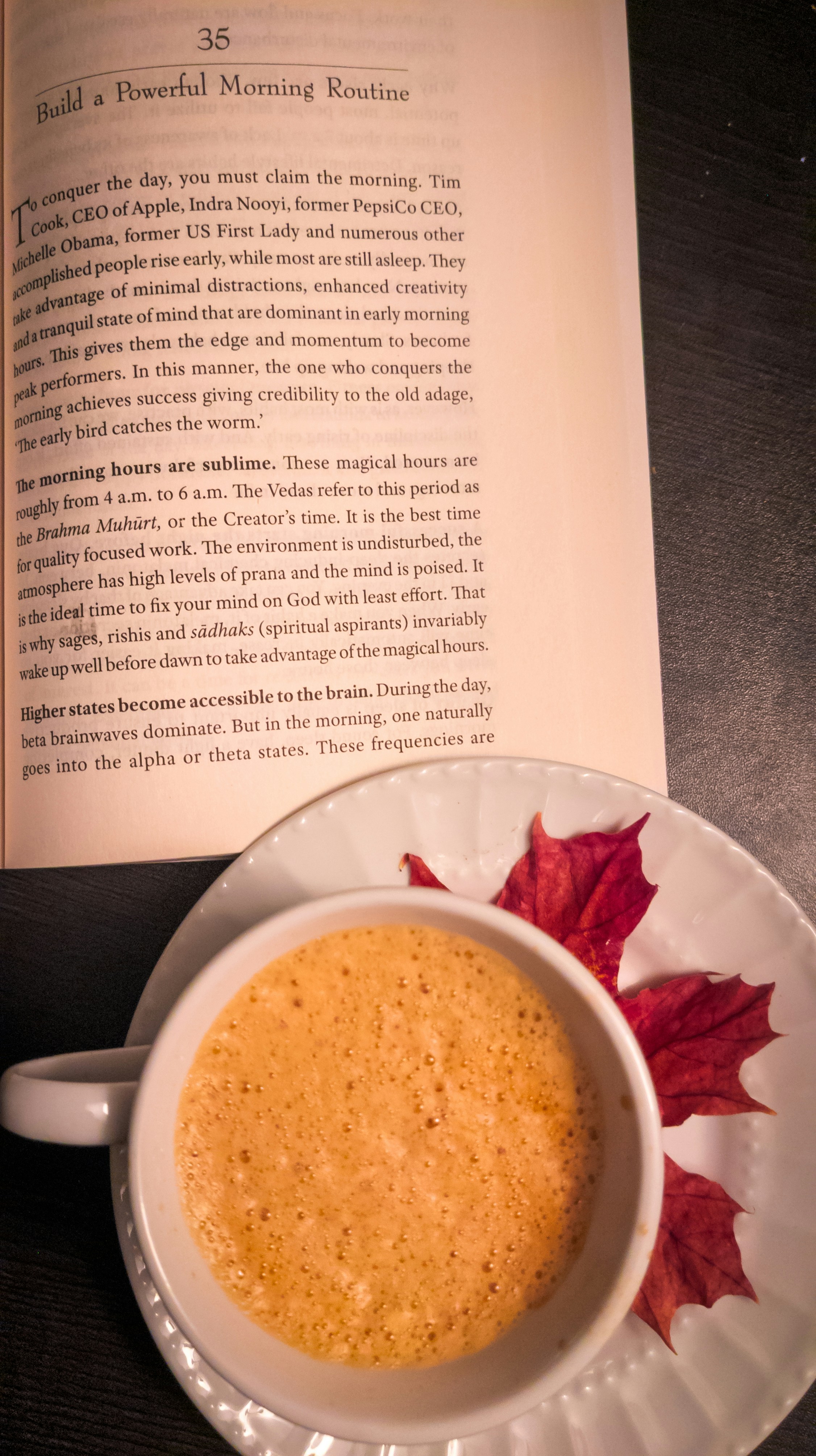

Building Your Morning Foundation | The Discipline Blueprint Pt. 2

Building Your Morning Foundation | The Discipline Blueprint Pt. 2

Building Freedom Through Structure

The Blueprint

Discipline is often perceived through a lens of restriction and control; however, it encompasses much more than mere adherence to rules.

    • At its core, discipline serves as a foundational pillar in the pursuit of personal freedom.

By establishing boundaries and routines, individuals can harness discipline to create a structured environment where autonomy can thrive.

Autonomy, which is a fancy word for self-governance or self-control, is a structure that allows for enhanced self-respect, as you learn to manage their time, energy, and resources effectively.

The significance of discipline manifests across various aspects of life, including personal development, career advancement, and relational dynamics.

In the realm of personal development, discipline cultivates resilience and the ability to overcome obstacles. It encourages you to set clear goals and take incremental steps toward achieving them.

This process not only builds skills and knowledge but also instills a sense of accomplishment, reinforcing the value of self-discipline.

Additionally, discipline plays a crucial role in professional settings, where the ability to maintain focus and adhere to deadlines can significantly influence career trajectories.

A disciplined approach to work enhances productivity and fosters a reputation for reliability. As a result, individuals who embrace discipline often find themselves presented with greater opportunities and potential for advancement.

The relationship between discipline and success is not linear; rather, it unfolds as a dynamic interplay.

As you engage with your routines and structures, you will develop a clearer understanding of your priorities and passions.

This clarity enables you to make informed choices, ultimately leading to greater personal fulfillment and freedom.

By recontextualizing discipline as a pathway to autonomy, you can unlock doors to a more balanced, successful life. Through this comprehensive exploration, the importance of discipline as a vehicle for achieving personal freedom becomes increasingly evident.

The Role of Structure in Discipline

A psychological perspective


    • Establishing a structured environment is a fundamental component in enhancing an individual’s capacity for discipline.

The concept of structure encompasses not only the physical arrangement of one’s surroundings but also the routines and schedules that govern daily life.

When intentional structure is integrated into one’s lifestyle, it can significantly enhance focus, productivity, and overall well-being.

From a psychological perspective, having a consistent routine serves to minimize distractions and can reduce decision fatigue.

When we engage in habits that are predefined and predictable, we’ll spend less mental energy determining which course of action to take at any given moment.

This reduction in uncertainty allows for greater cognitive resource allocation towards essential tasks. Therefore, one might find that their focus sharpens, leading to more effective execution of responsibilities and goals.

To create a personal structure that fosters discipline, you should begin by identifying your priorities and daily obligations.

This may involve breaking down large tasks into manageable segments and establishing fixed time blocks for each.

For instance, you could designate specific hours for work, exercise, or leisure, creating a balance that allows for personal growth without overwhelming yourself.

Consistent reflection on these routines can lead to necessary adjustments, ensuring that the structure remains beneficial and responsive to changing needs.

Moreover, the integration of techniques such as time management tools and organizational systems can greatly enhance our ability to adhere to established routines.

Utilizing calendars, reminders, and checklists can serve to reinforce the structured environment.

Ultimately, the alignment of tasks with one’s goals through structured approaches not only cultivates discipline but also paves the way for greater personal freedom. Structured environments, therefore, hold intrinsic value in the pursuit of your aspirations.

Crafting Your Morning Routine

Designing a Blueprint for Daily Success

Establishing a well-structured morning routine is essential for developing a disciplined mindset and setting a positive tone for the day ahead.

  • The first step in crafting this routine is to determine an appropriate wake-up time.

Waking up early offers the advantage of more uninterrupted time, allowing for a smoother transition into the day’s activities.

Aim for a consistent wake-up time, even on weekends, to establish a rhythm that your body can easily adjust to.

After waking, consider starting your day with energizing activities that align with your personal goals.

These could include light stretching or a short workout, which serve to increase blood flow and invigorate both the body and the mind.

Alternatively, engaging in mindfulness practices such as meditation, prayer or journaling can provide clarity and focus, providing a sense of calm for the day ahead.

Incorporating a healthy breakfast rich in nutrients can fuel your body and enhance your overall productivity.

    • Another important aspect of a successful morning routine is prioritizing tasks that contribute to long-term goals.

Allocate time for reading or learning something new, as this can expand your knowledge and spark creativity.

By incorporating these elements into your morning, you not only enhance your energy levels but also empower yourself with a sense of accomplishment.

As you refine your morning routine, track your progress and make adjustments as necessary.

Reflect on how certain activities affect your mood and productivity, and be open to experimenting with new methods for improvement.

Eventually, you will develop a personalized routine that cultivates discipline, enhances focus, and promotes overall well-being.

Consistency: The Key to Mastery

 Turning Small Actions into Lifelong Habits

Consistency is a pivotal element in the journey of mastery across various domains of life.

“Think before you speak. (Fran Lebowitz) Read before you Think

    • It is the practice of engaging in small, manageable actions repeatedly over time that cultivates discipline and drives progress.

By focusing on consistency, individuals can create a sustainable framework within which they operate, leading to significant results that compound over time.

This principle applies universally, whether in professional endeavors, health routines, or personal development efforts.

In a professional context, consistency can manifest through daily work habits that enhance productivity and effectiveness.

For instance, setting aside a specific time each day to tackle tasks or engage with team members can and will foster a reliable work environment.

This routine not only improves individual performance but also contributes to the overall efficiency of the organization.

As such, professional routines that prioritize consistency enable individuals to hone their skills and develop their careers effectively.

Similarly, in the domain of health, a consistent approach to diet and exercise is crucial.

Rather than pursuing extreme diets or exhaustive workout regimens that may lead to burnout, adopting small, incremental changes can promote long-term wellness.

For example, decoupling exercise from extreme routines and instead committing to regular, manageable physical activities like walking can yield substantial health benefits over time, eventually leading to a sustainable lifestyle change.

    • Personal development, too, thrives on consistency.

By setting aside time daily for self-reflection, reading, or skill-building, individuals can gradually broaden their horizons and deepen their personal insights.

The key lies in establishing a habit/routine that allows these activities to become a natural part of one’s daily life rather than an occasional pursuit.

Cultivating consistency in our daily actions, we lay the groundwork for continuous growth and mastery in various areas of life.

Celebrating Small Victories

 How Micro-Wins Fuel Long-Term Momentum

In the pursuit of discipline, it is crucial to acknowledge and celebrate small victories.

Each minor achievement acts as a building block in the framework of our progress, reinforcing the behavior of consistently striving towards our goals.

These moments of recognition are not merely pleasurable; they serve a practical purpose by boosting motivation and enhancing self-respect.

When we take the time to reflect on and celebrate our accomplishments, no matter how small, we create a positive feedback loop that encourages ongoing effort and resilience.      


One effective strategy for tracking progress is the establishment of a journaling system where you can document your small victories regularly.

This practice not only allows for reflection but also provides a tangible record of progress, which can be quite motivating when you feel like you are not moving forward.

Setting specific milestones and rewarding oneself upon reaching them can further amplify motivation.

These rewards can be simple, such as treating oneself to a favorite snack, enjoying a leisurely activity, or sharing the achievement with friends or family.

Moreover, involving others in the celebration of these victories adds another layer of encouragement, however, be selective of those you share your accomplishments with. 

Sharing accomplishments with supportive peers or family members creates a sense of community and accountability.

Such social reinforcement can heighten the emotional impact of the achievement and inspire others to pursue their goals diligently.

By creating an environment that emphasizes the importance of these small wins, you can reinforce your commitment to your routines and structures.

In conclusion, celebrating small victories plays a vital role in the journey towards greater discipline.

Recognizing these achievements cultivates a sense of fulfillment, motivates continued effort, and ultimately supports you in building a more disciplined lifestyle that leads to comprehensive freedom.

Building Unshakable Self-Respect

Strengthening Your Inner Foundation Through Integrity

Self-respect is a crucial element of personal development and is deeply intertwined with the concept of discipline.

When individuals commit to a structured routine, they embark on a journey that not only enhances their efficiency but also fortifies their sense of identity and self-worth.

This relationship between discipline and self-respect illustrates how consistent, disciplined actions can lead to a more profound understanding of oneself and greater confidence in one’s abilities.

    • One of the primary ways that discipline fosters self-respect is through accountability.

When individuals set specific goals and adhere to a structured routine, they actively engage in a commitment to themselves.

Successfully meeting these commitments reinforces positive self-perception and instills a sense of pride, which, in turn, cultivates self-respect.

Each achievement, whether large or small, contributes to a growing acknowledgment of one’s capabilities, proving that discipline acts as a pathway to self-empowerment.

Additionally, the practice of discipline in everyday life can help individuals develop a deeper understanding of their values and principles.

By consistently aligning their actions with these values through disciplined efforts, individuals learn to respect themselves more significantly.

This conscious alignment not only enhances the integrity of one’s character but also fosters a stronger identity, further solidifying an individual’s self-respect.

The connection between routine and self-discovery is powerful; it encourages individuals to reflect on their aspirations and, seamlessly, to act upon them.

Ultimately, cultivating self-respect through discipline leads to greater life satisfaction.

When individuals respect themselves, they are more likely to pursue their goals, maintain healthier relationships, and navigate challenges with resilience.

The iterative process of setting and achieving disciplined objectives empowers individuals to recognize their worth and capabilities, establishing a foundation of unshakable self-respect that benefits all facets of their lives.

Overcoming Obstacles to Discipline

Strategies for Navigating Resistance and Setbacks

    • Maintaining discipline can be a formidable challenge for many individuals.

Common hurdles such as procrastination, distractions, and self-doubt often disrupt the pursuit of goals and can hinder personal development.

Understanding these obstacles is essential for anyone striving to cultivate a structured and routine-oriented life.

Procrastination is one of the most prevalent challenges faced when trying to adhere to a disciplined lifestyle. It often stems from fear of failure or feeling overwhelmed by tasks.

To counter this, individuals can implement practical strategies such as breaking tasks into smaller, manageable parts and setting specific deadlines.

This approach not only makes large projects less daunting but also allows for a sense of accomplishment with each completed segment.

Distractions can significantly derail focus and productivity. In an increasingly digital world, many find it difficult to engage in undistracted work due to constant notifications and access to social media.

One effective strategy to mitigate distractions is the use of the Pomodoro Technique, where one works for a specified period, followed by short breaks.

This method encourages sustained effort while providing scheduled respite, making it easier to maintain concentration over extended periods.

Self-doubt often clouds one’s ability to maintain discipline, leading to a reduced belief in personal capabilities. Overcoming this obstacle requires fostering a positive self-image.

This can be achieved by acknowledging past successes, no matter how minor, and surrounding oneself with supportive individuals who encourage perseverance.

Real-life examples abound of individuals who have triumphed over self-doubt, reinforcing the idea that success often comes from consistent effort and a supportive environment.

By addressing these obstacles with determination and utilizing practical strategies, individuals can enhance their discipline.

Embracing structure and routine, along with recognizing these challenges, is pivotal for forging a path towards personal freedom and accomplishing set goals.

The Ripple Effect of Discipline in Life

 How Personal Order Transforms Your External World

Discipline serves as a foundational element that permeates various aspects of life, often establishing a domino effect that enhances well-being and productivity.

When an individual devotes effort to cultivating discipline in one area, such as health, the benefits are frequently reflected in other areas, including personal relationships and financial stability.

For instance, practicing self-discipline in dietary habits not only improves physical health but also enhances mental clarity and boosts overall energy levels.

Healthy Eating

This heightened state of well-being can lead to better interactions with family and friends, fostering stronger relationships.

Moreover, the practice of discipline in financial management can yield significant advantages in personal life.

Individuals who adopt structured budgeting and savings habits are more likely to experience reduced stress and anxiety related to monetary concerns.

The confidence that arises from effective financial discipline can liberate an individual from the burdens of financial insecurity, thereby allowing them to invest time and energy into nurturing their personal relationships and engaging in healthier lifestyle choices.

Furthermore, the interconnected nature of discipline extends to professional life as well.

Those who exhibit diligence and consistency in their work often find that this commitment translates into increased productivity and career advancements.

Consequently, a person who embraces disciplined work ethics may also enjoy improved personal satisfaction and a sense of accomplishment, reinforcing a positive feedback loop that enriches overall life experience.

In essence, the establishment of discipline in any singular aspect serves as a catalyst for growth in multiple areas, ultimately fostering a holistic sense of freedom.

This interconnectedness emphasizes that the pursuit of personal discipline is not merely a solitary endeavor, but rather a comprehensive approach to enhancing one’s lifestyle and well-being across the board.

Conclusion: Your Journey to Discipline and Freedom

Embracing the Path to Lasting Autonomy

As we arrive at the conclusion of our exploration into the principles of discipline and freedom, it is essential to recognize the transformative power that structure and routine hold in our lives.

By understanding and implementing these concepts, you are well-equipped to embark on a path that fosters personal growth and fulfillment.

The key takeaways from our discussion emphasize that discipline is not a restriction; rather, it serves as a catalyst for the freedom one seeks in various aspects of life.

Throughout this aritcle, we have examined the importance of establishing a solid foundation for habit formation, prioritizing consistency, and embracing the process of continual improvement.

Each strategy presented is designed to empower you to devise your unique discipline blueprint.

By setting clear goals and adhering to a structured routine, you not only cultivate self-control but also create an environment conducive to achieving your aspirations.

This proactive approach, infused with determination, allows you to take charge of your life’s trajectory.

    • Moving forward, the journey toward discipline and freedom lies in your hands.

Begin by selecting one or two strategies that resonate with you and gradually incorporate them into your daily routine.

Whether it’s time management techniques, setting specific goals, or fostering accountability, the choices you make will significantly impact your ability to attain personal freedom.

Embrace the journey and its challenges, for it is through these experiences that personal growth flourishes.

In closing, we encourage you to take the first step on your path today.

Harness the principles you have learned and start building your discipline blueprint.

The rewards of a structured and intentional life await, leading to a more liberated and fulfilling existence.

Your journey towards a disciplined life can unlock the freedom you desire.

    • Cultivate successful morning routine 

    • Craft a routine to determine an appropriate wake-up time.

    • Establish a structured environment

  •  

The Discipline Blueprint: Building Freedom Through Structure and Routine
[wpforms id=”802″ description=”true”]


The Ultimate Men’s Hygiene Routine: 10 Essentials for Every Man.

The Ultimate Men’s Hygiene Routine: 10 Essentials for Every Man.

The Basics Fundamentals

Personal hygiene refers to the practices that individuals adopt to maintain cleanliness and overall health. It encompasses a variety of activities, such as bathing, brushing teeth, washing hands, and wearing clean clothes. The importance of personal hygiene extends beyond mere cleanliness; it plays a crucial role in preventing illness and promoting mental well-being. By adhering to good hygiene practices, individuals significantly reduce their risk of infections caused by bacteria and viruses.

The Impact on Self-Esteem and Social Life

Maintaining personal hygiene is not just about health; it also significantly impacts one’s self-esteem and social interactions. When individuals feel clean and fresh, they are generally more confident, leading to improved self-image. This confidence can foster better relationships with others, as individuals who prioritize hygiene often feel more comfortable engaging in social situations. Conversely, poor hygiene can lead to social stigma, causing isolation and discomfort in interpersonal relationships.

Mental Health and Daily Rituals

Moreover, the benefits of good personal hygiene extend to mental health. Engaging in a regular hygiene routine can create a sense of order and control, contributing positively to one’s mental state. The simple act of cleaning oneself can serve as a refreshing start to the day or a calming ritual before bedtime. This structured approach cultivates mindfulness, allowing individuals to reflect and prioritize their well-being.

In summary, personal hygiene encompasses both physical health and mental wellness. The practices associated with personal hygiene, when consistently executed, have the power to enhance one’s life greatly. In the subsequent sections, we will delve deeper into specific practices and routines essential for maintaining optimal personal hygiene, ensuring a fresh and clean feeling each day.

A Look at Bacteria and Pathogens

The biological rationale behind hygiene underscores the role of bacteria in health. While some bacteria are beneficial, the pathogenic types can cause health complications ranging from minor infections to severe illnesses. Frequent handwashing, for example, significantly reduces the incidence of respiratory infections and gastrointestinal diseases. Furthermore, good oral hygiene lowers the risk of dental problems that can have far-reaching health implications. Thus, effective personal hygiene practices are not just about looking clean; they are pivotal in promoting better health outcomes.

Psychological Benefits of Cleanliness

Beyond physical health, the psychological influence of hygiene cannot be overlooked. Research has indicated a strong link between cleanliness and mental health. Individuals who maintain high standards of personal hygiene often report higher self-esteem and a greater sense of well-being. This could be attributed to the association between cleanliness and social acceptance, as well as the positive reinforcement experienced from feeling and appearing fresh. Clean environments and hygienic practices can diminish stress levels and foster a sense of control over one’s life. Therefore, establishing routines that improve hygiene cultivates both mental and physical resilience.

So Fresh So Clean

Maintaining personal hygiene is a crucial aspect that contributes significantly to overall health and well-being. Incorporating effective daily routines can ensure that individuals feel fresh and clean throughout the day. One of the foundational routines is showering, which not only cleans the skin but helps to refresh the body and mind. It is advisable to shower daily, especially after engaging in physical activities or excessive sweating, as this assists in removing dirt, bacteria, and dead skin cells.

Oral care is another essential practice that should not be overlooked in daily hygiene routines. Brushing teeth at least twice a day, preferably after meals, is fundamental in preventing dental issues such as cavities and gum disease. Additionally, flossing once a day and using mouthwash can further enhance oral hygiene by reaching areas that brushing alone may miss. This comprehensive approach to dental care promotes a clean mouth and contributes to overall health.

Handwashing is a crucial practice that plays a vital role in controlling the spread of germs. Incorporating regular handwashing into daily hygiene—before meals, after using the restroom, and after being in crowded public spaces—is essential. The proper technique involves scrubbing hands with soap for at least 20 seconds, ensuring that all parts of the hands, including between the fingers and under the nails, are thoroughly cleaned.

To seamlessly integrate these hygiene routines into daily life, setting specific times for each practice can be beneficial. For instance, showering can be part of one’s morning routine, while oral care can be paired with meals. By establishing these habits, individuals can enhance their personal hygiene and maintain that fresh, clean feeling effectively.

Protection 4 The Complexion

Skincare plays a crucial role in personal hygiene, extending far beyond mere surface cleansing. The skin, as the body’s largest organ, acts as a protective barrier against various environmental elements, and therefore it requires proper care to maintain its health and functionality. Understanding skin types is essential for establishing an effective skincare regimen. Generally, skin types can be classified into five categories: normal, dry, oily, combination, and sensitive. Each type has distinct characteristics and requires specific products to ensure optimal care.

Effective cleansing is the foundation of a robust skincare routine. Cleansing removes dirt, oil, and other impurities that accumulate on the skin’s surface throughout the day. It is advisable to choose a gentle cleanser suited to one’s skin type, as harsh products can strip the skin of natural oils and lead to irritation. For instance, individuals with oily skin might benefit from foaming or gel-based cleansers, while those with dry skin may prefer creamy or hydrating formulas.

The Importance of Hydration and Sun Protection

Additionally, moisture plays a pivotal role in maintaining skin health. Applying a suitable moisturizer after cleansing helps to lock in hydration and prevent the skin from becoming dry or flaky. Ingredients such as hyaluronic acid and glycerin are effective in attracting moisture, thus ensuring the skin remains supple and vibrant. Using a moisturizer tailored to the specific skin type promotes a balanced complexion and supports overall hygiene.

Sun protection is another crucial aspect of skincare that should not be neglected. Exposure to harmful UV rays can lead to premature aging, skin damage, and increased risk of skin cancer. Incorporating a broad-spectrum sunscreen into the daily routine, even on cloudy days, helps to protect the skin from these harmful effects. Choosing appropriate skincare products that include SPF can also simplify the routine, combining multiple benefits into one step.

Scalp Health = Hair Health

Maintaining clean and healthy hair is an essential aspect of personal hygiene that contributes to overall well-being. The first step in effective hair care is selecting the right shampoo and conditioner. It is crucial to choose products that correspond with your hair type—be it oily, dry, or chemically treated. For instance, individuals with oily hair should opt for a clarifying shampoo that effectively removes excess oil and buildup. In contrast, those with dry hair should look for moisturizing shampoos that hydrate and nourish the hair fibers. For individuals with chemically treated hair, such as those who have undergone coloring or perming, it is essential to use products specifically formulated to protect and maintain the hair’s health. These products often contain ingredients that help to repair damage and prevent further breakage. Additionally, using a wide-tooth comb to detangle hair while it is wet can help to minimize breakage and damage. It is also important to avoid using heat styling tools, such as flat irons and curling irons, as much as possible, as these can cause significant damage to the hair fibers. If you must use heat styling tools, be sure to apply a heat protectant spray beforehand to help minimize damage. Regularly trimming your hair every 6-8 weeks can also help to prevent split ends and keep your hair looking healthy and vibrant. By following these simple hair care tips, you can maintain clean and healthy hair that looks and feels its best.

When washing your hair, be mindful of how often you do it. While some may feel compelled to wash their hair daily, excessive washing can strip the scalp of its natural oils, leading to dryness and damage. The general recommendation is to wash hair 2-3 times a week, although individuals with very oily hair may need to wash more frequently.

Conditioner plays a pivotal role in hair care as well. Applying conditioner after shampooing helps to detangle hair and adds moisture. It is advisable to focus conditioner on the mid-lengths and ends of the hair, avoiding the scalp to prevent excess oiliness. Additionally, deep conditioning treatments once a week can significantly improve hair texture and manageability.

Scalp health is equally important in maintaining cleanliness and vitality in hair. Regularly exfoliating the scalp can remove dead skin cells and promote healthy hair growth. Using essential oils like tea tree or peppermint may also enhance scalp hygiene by combating dandruff and fostering a clean environment for hair follicles.

In summary, adopting a thoughtful hair care regimen that includes appropriate washing frequency, choosing the right products, and caring for the scalp will contribute significantly to maintaining clean and healthy hair. Neglecting these aspects can result in a range of hair issues, ultimately affecting one’s overall hygiene and confidence.

Eating Healthy Leads 2 Healthy Living

Diet plays a crucial role in maintaining personal hygiene and overall health. The foods we consume significantly influence our body’s natural processes, impacting everything from skin clarity to body odor. A balanced diet rich in vitamins, minerals, and antioxidants supports the body’s immune system, helping to ward off infections and promote healthy skin. For instance, consuming plenty of fruits and vegetables provides essential nutrients like Vitamin C and E, which are vital for skin health and repair. Additionally, staying hydrated by drinking plenty of water is essential for flushing out toxins and keeping the skin hydrated and glowing. On the other hand, a diet high in processed foods, sugar, and unhealthy fats can lead to various skin issues, such as acne and inflammation. It can also contribute to unpleasant body odor, as the body struggles to process and eliminate these substances. Therefore, making conscious choices about what we eat is not only important for our internal health but also for our external appearance and hygiene. By prioritizing a nutrient-dense diet and staying hydrated, we can support our body’s natural hygiene mechanisms and maintain a fresh and clean feeling from the inside out.

The Modern Man’s Guide to Personal Growth and Mental Wellbeing

The Modern Man’s Guide to Personal Growth and Mental Wellbeing

Spring is often associated with new beginnings. It is a season that encourages individuals to let go of the past and embrace change. This period offers a chance for men to critically evaluate their current situations, habits, and aspirations. It is an invitation to reflect on what has been holding them back and take proactive steps toward achieving personal fulfillment. By recognizing the potential for transformation that accompanies the changing seasons, men can foster a mindset geared towards success and well-being.

Furthermore, the symbolism of spring can promote a more positive outlook. The juxtaposition of winter’s harshness against the burgeoning life of spring can serve as a reminder that challenges can lead to growth. As flowers bloom and trees regain their foliage, men can draw parallels to their own lives, realizing that difficulties often pave the way for enlightenment and personal development. Embracing this season of change allows for rejuvenation, encouraging a fresh perspective on what is possible. In this way, the significance of changing seasons both literally and metaphorically extends beyond the physical environment, igniting a transformative journey in one’s life.

Running is one of the simplest and most accessible outdoor exercises suitable for spring. It requires minimal equipment and can be adapted to various levels of fitness. Many local parks and trails offer scenic paths where individuals can enjoy running while taking in the beauty of blooming flowers and awakening wildlife. Additionally, hiking presents another excellent option; it combines exercise with nature exploration, allowing one to experience the tranquility of natural landscapes.

Participating in outdoor sports like soccer, basketball, or tennis can also be a fun way to stay active while socializing with friends or family. These activities not only enhance physical fitness but also help in building relationships and fostering community bonds. The element of teamwork and friendly competition can add motivation and enjoyment to workouts.

Engaging in outdoor exercise has been shown to improve mental health, reducing symptoms of anxiety and depression while boosting mood. The natural surroundings, combined with cardiovascular activities, can contribute to higher levels of endorphins, enhancing feelings of happiness and satisfaction. Moreover, spending time outdoors fosters a deeper connection to the environment, encouraging individuals to appreciate and protect the natural world. This spring, embracing outdoor exercise can lead to a fulfilling and rejuvenating experience, laying a strong foundation for ongoing wellbeing throughout the year.

Journaling also serves as a powerful tool for emotional expression and self-exploration. By putting thoughts on paper, individuals can gain insights into their feelings, track their moods, and identify recurring patterns in their lives. This deliberate act of writing offers a safe space to articulate thoughts, thereby fostering greater clarity. The practice of gratitude is another significant element that enhances mental health during this time of change. Taking a moment each day to reflect on and acknowledge things you are grateful for can shift your mindset from a focus on negativity to one of appreciation.

Moreover, employing positive affirmations serves as an empowering practice that reinforces self-worth and positivity. By repeating affirmations daily, individuals can combat negative self-talk and build resilience. Together, these practices—meditation, mindfulness, journaling, gratitude, and affirmations—create a solid foundation for mental and spiritual health, paving the way for overall wellness as one navigates the changes brought about by spring. Embracing these techniques can significantly enhance one’s ability to adapt and thrive in a season characterized by growth and renewal.

Creating a vision board can be an effective tool in this process. A vision board allows you to visualize your goals and serves as a constant reminder of your aspirations. Gather images, quotes, and mementos that resonate with the changes you want to manifest. Arrange them in a space where you can view them daily, allowing the motivation to reinforce your intent. By visualizing your goals, you are more likely to stay committed and inspired throughout the season.

Additionally, it is crucial to break down larger goals into smaller, actionable steps. For instance, if your goal is to improve fitness, consider establishing a routine that includes specific exercises scheduled throughout the week. Setting milestones, such as completing a certain number of workouts or achieving a measurable gain in strength or endurance, can provide a sense of accomplishment and keep you motivated as progress unfolds.

Moreover, having a robust support system is essential for maintaining momentum. Share your goals with friends, family, or mentors who can provide encouragement and accountability. Engaging with others on a similar journey can enhance motivation, allowing for shared experiences and the exchange of strategies to overcome challenges. As the season progresses, regularly review and adjust your goals as necessary, ensuring they remain relevant and achievable.

Ultimately, setting goals for a brighter future is about building a pathway toward sustained personal growth and enjoyment through the spring months. Embrace the renewed energy of the season as you embark on this transformative journey.

Maximizing Men’s Physical and Mental Health: Effective Exercises and Routines for Spring and Summer

Introduction to Men’s Health

The importance of maintaining both physical and mental health for men cannot be overstated. As the seasons transition to warmer spring and summer months, there is an ever-present opportunity for men to prioritize their well-being. A balanced approach that incorporates both physical fitness and mental resilience can significantly enhance overall quality of life. Engaging in regular exercise not only strengthens the body but also fosters a sense of achievement and boosts self-confidence, which is pivotal for mental health.

Physical fitness plays a critical role in managing stress, anxiety, and depression, all of which can disproportionately impact men. Research indicates that men are often less likely to seek help for mental health issues, leading to higher rates of mental fatigue and emotional distress. An active lifestyle, which includes effective exercises tailored for men’s health, provides a natural outlet for improving mood and combating these challenges. As men embrace outdoor activities and sports during the spring and summer seasons, they can enjoy the additional benefits of vitamin D and fresh air, which have been shown to enhance psychological well-being.

The warmer weather not only encourages outdoor physical activities but also serves as a reminder to reassess health goals. Establishing robust routines that incorporate fitness can help men cultivate resilience against everyday stressors while simultaneously encouraging a community-focused environment. Whether through group sports or shared workouts, the camaraderie formed during these activities can further alleviate feelings of isolation, a common concern among men.

By recognizing the interconnectedness of physical and mental health, men can embark on a transformative journey towards better health and well-being. The arrival of spring and summer signifies a perfect time to commit to this holistic approach, leading to improved confidence, increased happiness, and enhanced overall health.

Understanding Physical and Mental Health Benefits

Maintaining physical fitness offers a myriad of benefits that significantly enhance both physical and mental health. Engaging in regular exercise has been proven to improve mood, leading to a decrease in feelings of stress and anxiety. This is largely due to the release of endorphins, commonly referred to as “feel-good” hormones, which promotes a sense of well-being. In addition, consistent physical activity contributes to improved sleep patterns, which further support mental resilience and cognitive function.

The interconnection between physical activity and mental health cannot be overstated. Exercise not only fosters physical strength and stamina but also plays a crucial role in cognitive processes. Research indicates that aerobic activities, such as running or swimming, can promote neurogenesis, the process of forming new neurons, particularly in the hippocampus. This region of the brain is vital for memory, learning, and emotional regulation. As a result, individuals who maintain an active lifestyle often report elevated cognitive abilities and enhanced emotional stability.

Moreover, engaging in physical exercise can serve as a powerful coping mechanism against anxiety and depression. Various studies have shown that participation in team sports or group workouts not only facilitates physical health but also cultivates a sense of community and belonging. The social interactions and support systems formed through group activities have shown significant benefits for mental health. Even short bursts of physical activity throughout the day can produce significant positive outcomes for both mental clarity and emotional well-being.

Thus, understanding the multifaceted benefits of maintaining physical fitness is pivotal. It’s not merely about building muscle or achieving a certain aesthetic; it’s about creating a foundation for improved mood, reduced anxiety, and enhanced cognitive function. As we embrace the warmth of spring and summer, incorporating effective exercise routines can lead to substantial gains in overall health and wellness.

Essential Exercises for Rapid Results

When it comes to maximizing physical health, a strategic combination of strength training, cardiovascular workouts, and flexibility exercises can be highly effective for men aiming for rapid results. Incorporating these elements into a well-structured routine can enhance performance, boost overall well-being, and promote a healthier lifestyle.

Strength training is crucial for developing muscle mass and increasing metabolism. Compound exercises such as squats, deadlifts, and bench presses engage multiple muscle groups, ensuring efficient workouts. It is essential to focus on proper form: keep your back straight, knees aligned over toes, and engage your core. Aim for three to four sets of eight to twelve repetitions for each exercise, adjusting the weights according to your fitness level. For those with limited time, bodyweight exercises like push-ups and pull-ups can also provide rapid strength gains without the need for a gym.

Cardiovascular fitness cannot be overlooked. High-intensity interval training (HIIT) has gained popularity due to its efficiency in burning calories and improving heart health. Short bursts of intense activity followed by rest periods can be performed with running, cycling, or swimming. A common approach is to engage in a 20-minute session that alternates between all-out effort and recovery phases, repeated for several cycles. Additionally, moderate-intensity exercises such as jogging or brisk walking for 30 minutes, three to five times a week, augment cardiovascular health.

Lastly, flexibility exercises, such as yoga or dynamic stretching routines, should be integrated to prevent injuries and improve range of motion. Focusing on muscle groups used in strength training, such as hamstrings and quadriceps, can enhance recovery and performance. Incorporating static stretches post-workout for 15 to 30 seconds will help maintain flexibility and reduce muscle tightness.

By implementing this comprehensive approach of strength, cardio, and flexibility training, men can significantly enhance their physical health and see rapid results as they embrace the warmer months ahead.

Effective Stretching Techniques

In the pursuit of enhancing physical health, effective stretching techniques play a pivotal role, particularly when integrated with strength training routines. Stretching not only improves flexibility, but it also aids in recovering from workouts and preventing injuries that commonly afflict men, especially in areas such as the hips, back, and shoulders. Incorporating a variety of stretches into a fitness regimen can significantly enhance overall performance and well-being.

One highly effective stretching technique is the hip flexor stretch. Given the sedentary nature of modern lifestyles, many men experience tightness in the hip area. To perform this stretch, start by kneeling on the floor with one knee on the ground and the other foot positioned firmly in front, creating a 90-degree angle. Gently push your hips forward, feeling a stretch along the hip flexor of the kneeling leg. Maintain this position for 20-30 seconds before switching sides.

Another essential stretch is the seated forward bend. This stretch targets the lower back and hamstrings, alleviating tension from extensive sitting. Begin by sitting on the floor with your legs extended in front of you. Inhale deeply, and as you exhale, hinge at the hips to reach toward your toes. It is crucial to maintain a straight back while extending. Hold the position for 20-30 seconds to maximize its effectiveness.

For the shoulders, the doorway stretch is beneficial. Stand facing an open doorway, placing your arms on the frame at shoulder height. Lean forward gently until a stretch is felt across the shoulder muscles. This can be held for 15-20 seconds. By integrating these effective stretching techniques into weekly routines, men can enhance their flexibility and overall physical health, thus complementing their strength training workouts while minimizing injury risks.

Circuit Training for Efficiency

Circuit training is an effective workout methodology that combines various forms of exercise into a streamlined routine. This approach allows individuals to engage different muscle groups while incorporating both strength and cardiovascular training. Remarkably efficient, circuit training can be completed within a limited timeframe, making it an ideal choice for those looking to maximize their physical health without dedicating extensive hours to workouts.

A typical circuit training workout consists of a series of exercises performed in succession, with minimal rest between them. This format keeps the heart rate elevated, promoting cardiovascular fitness while simultaneously building strength. For instance, a basic circuit may include exercises such as push-ups, squats, jumping jacks, and dumbbell rows, with each exercise lasting for about 30 seconds. After completing one round, participants can take a brief rest before repeating the circuit several times. This method not only enhances strength and endurance but also improves overall body composition.

One of the distinctive advantages of circuit training is its versatility. Individuals can tailor their routines based on personal fitness levels and goals. For instance, beginners may opt for bodyweight exercises and shorter durations, while advanced fitness enthusiasts can incorporate heavier weights and high-intensity intervals for increased challenges. Furthermore, circuit training can be easily adapted for outdoor workouts during the spring and summer, utilizing parks or open spaces for a refreshing change of environment. By using minimal equipment, such as resistance bands or kettlebells, participants can achieve substantial results without the need for a gym setting.

In summary, circuit training serves as an efficient workout solution that melds strength and cardio training into a compact format that fits into busy schedules. Whether one is at home, in a gym, or enjoying outdoor space, circuit training can effectively enhance both physical and mental health, yielding impressive fitness benefits in a short amount of time.

Creating Your Regimen and Workout Schedule

Establishing a personalized fitness regimen is essential for optimizing physical and mental health. To create a workout schedule that aligns with individual fitness objectives, one must first assess current fitness levels and define personal goals, whether they involve weight loss, muscle gain, or improving cardiovascular endurance. A balanced approach to fitness typically includes strength training, cardiovascular exercise, and restorative practices such as stretching or yoga.

A sample weekly workout schedule could start with a combination of cardio and strength training exercises. For instance, on Mondays, individuals might perform a full-body strength routine that includes compound movements like squats, deadlifts, and bench presses to stimulate multiple muscle groups. On Tuesdays, a cardio session, such as cycling or running, can be included to enhance heart health and endurance.

Midweek, on Wednesdays, another strength training session could focus on upper body exercises, such as push-ups, rows, and shoulder presses, ensuring all muscle groups are engaged within the week. Thursday could again feature cardio, this time with high-intensity interval training (HIIT) to boost fitness levels efficiently. Scheduling Fridays as a rest or active recovery day—incorporating gentle activities like walking or yoga—allows the body time to recuperate and repair muscle tissues, enhancing subsequent workout effectiveness.

The weekend can be an opportunity to mix it up; Saturday might involve outdoor activities, such as hiking or sports, while Sundays could return focus to strength training, targeting lower body muscles specifically. This balanced regimen ensures a comprehensive approach to fitness, facilitating mental wellbeing through structured physical activity, while also allowing for sufficient recovery. Consistency is key, so adapting the schedule based on progress and energy levels is advisable to make steady strides towards achieving fitness goals.

The Aesthetic Transformation: How Fitness Affects Fashion

As the seasons shift from winter to spring and summer, many men begin to reevaluate their physical fitness. A commitment to regular exercise not only boosts overall health but also significantly enhances one’s aesthetic appeal. The connection between fitness and confidence is vital, particularly as warmer weather invites a more casual and less layered wardrobe. A fit physique can lead to increased body confidence, enabling men to embrace spring and summer fashion choices with enthusiasm and self-assurance.

When men invest in fitness, their bodies undergo noticeable transformations—this includes improved muscle tone, defined body contours, and enhanced posture. Such changes do not go unnoticed; they can create an instant uplift in self-esteem. As men adopt healthier lifestyles, they often feel more inclined to showcase their bodies through fashion. This shift towards fitness aligns seamlessly with styling trends that emphasize fitted shirts, tailored shorts, and swimwear that celebrates the male form.

To complement a fit physique, men should consider several styling tips. Opting for clothing that highlights muscular features while providing the right amount of comfort is essential. For instance, garments made from breathable fabrics can be particularly advantageous during the warmer months, ensuring ease of movement while maintaining a polished appearance. Additionally, choosing colors and patterns that flatter one’s physique can enhance visual appeal, making it easier for men to express their personality through their style.

Ultimately, the aesthetic benefits of physical fitness extend beyond the body itself. They contribute to a holistic sense of well-being that influences how men view their clothing choices and self-presentation. As spring and summer approach, an increased focus on fitness not only transforms physical appearance but also encourages a more elevated approach to fashion. Through embracing both fitness regimens and mindful styling, men can truly amplify their confidence this season.

Skin Care for Active Men

Active men who regularly engage in physical exercise must prioritize their skin care routines, particularly when the warmer months arrive. Increased exposure to sunlight, sweat, and varying environmental conditions can significantly impact skin health if proper care is neglected. To maintain a healthy complexion, several essential practices should be implemented into daily routines.

First and foremost, cleansing the skin is fundamental. After exercise, sweat and bacteria can accumulate on the skin’s surface. Using a gentle cleanser tailored for men can help remove impurities, ensuring that the skin remains clear and refreshed. It is advisable to wash the face and any other exposed skin thoroughly after workouts to prevent breakouts and irritation.

Another critical product for men who are physically active during spring and summer is sunscreen. Exposure to ultraviolet (UV) rays can lead to severe long-term skin damage, including premature aging and an increased risk of skin cancer. Choosing a broad-spectrum sunscreen with an SPF of at least 30 is recommended to protect against both UVA and UVB rays. Applying sunscreen generously and reapplying every two hours, particularly after sweating or swimming, is crucial for maintaining skin health.

In addition to cleansing and sun protection, moisturizing is vital in any skin care regimen. Active men often experience skin dryness due to sweating and environmental factors. Utilizing a lightweight, non-comedogenic moisturizer can help hydrate the skin without clogging pores. Look for products containing hyaluronic acid or glycerin, which are effective in retaining moisture.

Finally, exfoliation should be incorporated into weekly routines. Exfoliating helps eliminate dead skin cells, promoting a healthier appearance and preventing clogged pores. Men can opt for chemical exfoliants, such as alpha-hydroxy acids, or physical scrubs suitable for their skin type.

By implementing these essential skin care practices, active men can ensure their skin remains healthy and resilient during the spring and summer. Taking these steps will not only improve overall skin appearance but also bolster confidence as they engage in outdoor activities.

Conclusion: Investing in Your Health

As we transition into the vibrant seasons of spring and summer, prioritizing both physical and mental health becomes increasingly important. Throughout this blog post, we have explored various effective exercises and routines tailored specifically for men, emphasizing their dual impact on wellbeing. Physical activity not only enhances cardiovascular health and muscular strength, but it also greatly influences mental clarity and emotional stability. Regular engagement in physical fitness routines fosters resilience, improves mood, and sharpens cognitive function, allowing men to navigate daily challenges with greater ease.

Moreover, incorporating mindfulness practices, such as prayer, yoga or meditation, alongside traditional workout regimes, offers a holistic approach to health. These techniques encourage an awareness of one’s mental state and promote relaxation, helping to alleviate stress and anxiety—a critical aspect of maintaining overall health. Therefore, dedicating time to both physical exercises and mental health activities enriches life quality, leading to an enriched outlook and increased confidence.

Investing in your health this spring and summer is not merely a temporary commitment but a crucial step toward a sustainable lifestyle transformation. The positive outcomes of adopting a routine focused on fitness and mental wellbeing extend beyond the sunny months; they cultivate long-lasting habits that can improve life satisfaction and longevity. By embracing these practices as integral components of daily life, men can achieve significant improvements in overall well-being. As the seasons change and outdoor opportunities abound, now is the time to take actionable steps towards a healthier future. Prioritizing health is an invaluable investment that pays dividends in vitality and resilience, equipping men to meet various life challenges with vigor and positivity.

Verified by MonsterInsights