

Consistency: The Key 2 Mastery | The Discipline Blueprint

Consistency: The Key 2 Mastery | The Discipline Blueprint

A Scientifically Supported Guide

Unlocking the Secrets to Health and Vitality: A Scientifically Supported Guide

Unlocking the Secrets to Health and Vitality

Understanding Health and Vitality

Physical health and Vitality is the most visible aspect of well-being, often measured by factors such as body composition, fitness levels, and the absence of chronic diseases.

It forms the foundation for vitality, as a strong body typically supports a more active lifestyle, allowing for greater participation in various activities.

Mental health involves cognitive functions, emotional stability, and psychological well-being, playing a pivotal role in how individuals perceive and interact with the world, and people in their world.

This dimension of health affects motivation, focus, and the ability to cope with life’s challenges, directly influencing one’s vitality.

Emotional health encompasses the ability to understand, manage, and express emotions effectively.

It is inherently linked to both mental and physical dimensions, as emotional turmoil can lead to physical ailments, while good emotional health enhances mental clarity and resilience.

The interplay between these aspects of health underscores their interconnectedness; a deficiency in one area can adversely impact the others, thereby diminishing overall vitality.

Recognizing this interconnectedness is crucial for developing a balanced approach to wellness that encourages sustained health and vitality throughout life.

 

The Role of Nutrition in Health and Vitality

Superfoods and Antioxidants: Nature’s Defense System

Nutrition plays a fundamental role in maintaining health and ensuring vitality throughout your life. 

Scientific research has established that a well-balanced diet, rich in essential nutrients, is crucial for optimal physiological functioning.

Essential nutrients include carbohydrates, proteins, fats, vitamins, and minerals, each contributing to various bodily processes such as energy production, immune response, and cellular repair.

A balanced diet emphasizes the importance of consuming a variety of foods that provide these essential nutrients in appropriate proportions.

This approach not only supports overall health but also contributes to the prevention of chronic illnesses.

For example, research has shown that diets rich in fruits, vegetables, whole grains, and lean proteins can lower the risk of conditions like obesity, diabetes, and cardiovascular disease.

High blood pressure, low blood pressure….no blood pressure.

On the other hand, excessive consumption of processed foods high in sugars and unhealthy fats can lead to detrimental health outcomes.


In addition to traditional dietary components, recent studies have spotlighted the benefits of superfoods foods that are particularly nutrient-dense and beneficial for health.

Some examples include quinoa, blueberries, and chia seeds, which are known for their high levels of antioxidants, fiber, and essential fatty acids.

Let’s not forget, strawberries, bananas, melons and broccoli; Yes BROCOLLI.

Incorporating superfoods into your daily diet can enhance vitality by supporting metabolic health and minimizing oxidative stress in the body.

Emerging dietary patterns such as the Mediterranean diet or plant-based diets have also drawn attention for their association with improved health outcomes.

These diets typically emphasize whole, minimally processed foods and promote healthy fats, offering a substantial array of nutrients that contribute to both physical and mental well-being.

Ultimately, understanding the scientific principles surrounding nutrition enables individuals to make informed dietary choices, paving the way for long-lasting health and vitality.


The Science of Exercise and Physical Activity

Strength Training: Building Longevity through Muscle

Regular exercise and physical activity have been shown to be vital for enhancing overall health and longevity.

Scientific research underscores the importance of these activities in improving cardiovascular health, optimizing metabolic rates, and fostering mental well-being.

Engaging in physical activity boosts the efficiency of the cardiovascular system, which includes providing greater oxygen delivery, improving blood circulation, and lowering the risk of heart disease.

Enhanced cardiovascular function is linked to lower blood pressure and improved cholesterol levels, reinforcing the body’s ability to transport oxygen and nutrients efficiently.


The Impact of Mental Health on Vitality

Mind-Body Synergy: How Thoughts Affect Physical Health

Mental health plays a critical role in determining an individual’s overall vitality. It encompasses emotional, psychological, and social well-being, influencing how we think, feel, and act.

Poor mental health can lead to issues such as anxiety, depression, and stress, all of which can significantly detract from an individual’s sense of health and vitality.

When individuals experience these common mental health issues, it may result in a diminished capacity to engage with life fully, thereby affecting their energy levels and zest for everyday activities.

 

One of the most effective ways to enhance mental health and, consequently, vitality is through stress management techniques.

Engaging in regular physical exercise, practicing deep breathing exercises, and maintaining a balanced diet can mitigate the effects of stress on mental health.

These strategies not only help in reducing anxiety and promoting relaxation but also improve overall well-being. Additionally, social support plays an integral role in managing stress.

Strong social connections enable us to share our experiences and feelings, thereby creating a buffer against stressors that can impact mental health.


Mindfulness and emotional resilience are also vital components in maintaining vitality. Practicing mindfulness helps individuals stay present and aware, allowing for better emotional regulation.

Techniques such as meditation and prayer promote a sense of calm and clarity, contributing positively to mental health.

Moreover, nurturing emotional resilience equips individuals with the tools to overcome life’s setbacks, (and you will have them) however it makes us better equipped to handle challenges.

This resilience not only enriches personal experiences but serves as a foundation for maintaining vitality in various aspects of life.


In conclusion, mental health significantly influences vitality by affecting emotional well-being, stress levels, and resilience. By prioritizing mental health through effective techniques, you can enhance your overall quality of life and pursue vitality with renewed vigor.


Sleep: The Unsung Hero of Health

The Architecture of Sleep: Understanding REM and Deep Cycles

Sleep is often overlooked in discussions surrounding health and vitality, yet scientific research consistently highlights its critical importance.

Quality sleep plays a vital role in numerous physiological processes, influencing everything from immune function to emotional well-being.

During sleep, the body engages in essential restorative functions, including muscle repair, tissue growth, and memory consolidation.


Understanding sleep cycles is crucial for appreciating its role in overall health. Sleep consists of several stages, primarily divided into REM (rapid eye movement) and NREM (non-rapid eye movement) sleep.

Each stage serves distinct functions; while NREM contributes to physical restoration and hormonal balance, REM sleep is integral to cognitive processes such as memory and learning.

Disruptions in these sleep cycles can lead to significant adverse effects on both physical and mental health.


Consequently, sleep deprivation can result in a host of negative outcomes, including cognitive decline, reduced concentration, and impaired decision making abilities.

A study published in the journal Sleep demonstrated that even short-term sleep deprivation significantly decreased participants’ cognitive performance.

Additionally, chronic sleep deprivation is associated with increased risks of various health conditions, including obesity, diabetes, and cardiovascular disease.

 

Given the profound effects of sleep on health, prioritizing sleep hygiene is paramount. Simple strategies can lead to substantial improvements in sleep quality.

Maintaining a regular sleep schedule by going to bed and waking up at the same time daily fosters a healthy sleep routine.

Creating a restful environment, free from noise and excessive light, can further enhance sleep quality.

Additionally, limiting screen time before bedtime, as artificial light can interfere with the body’s natural circadian rhythms, is advisable.


In summary, sleep should not be underestimated as a fundamental pillar of health and vitality. Understanding its significance and implementing practices to improve sleep hygiene can lead to marked improvements in both physical and cognitive well-being.

The Power of Social Connections

Nurturing Meaningful Relationships for Emotional Support


Social connections play an essential role in health and overall vitality, contributing significantly to an individual’s mental and emotional well-being.

Numerous scientific studies have emphasized the importance of relationships and social interactions in promoting a sense of belonging and community.

Individuals with strong social support systems tend to experience lower levels of stress, anxiety, and depression, leading to improved mental health outcomes.


 

The quality of relationships is just as significant as the quantity. Positive interactions with family, friends, and colleagues foster emotional resilience, which is vital for coping with life’s challenges.

Research suggests that people who engage in meaningful social activities tend to have improved immune function and even experience lower blood pressure, which are critical indicators of physical health.

Furthermore, the act of connecting with others can stimulate the release of oxytocin, often referred to as the “bonding hormone,” which promotes feelings of trust and emotional safety.


Investing time and effort into nurturing relationships and engaging with the community can yield significant health benefits.

Strong social connections are associated with longer life expectancy, lower risk of chronic diseases, and better recovery from illness.

Ultimately, maintaining supportive and positive relationships is a vital component of a healthy lifestyle, enhancing both mental and physical vitality.


Stress Management Techniques for Vitality

Mindfulness in Daily Life: Finding Balance in a Busy World


Effective stress management is crucial for maintaining health and vitality in today’s fast-paced world.

Numerous studies have demonstrated that chronic stress can lead to a myriad of health issues, including heart disease, obesity, and weakened immune function.

As such, incorporating scientifically supported techniques can significantly enhance one’s well-being. Among these, meditation, yoga, and various relaxation practices have emerged as beneficial strategies.


The Positive Impact of Prayer and Health

Prayer and Mental Well-Being


Stretching another effective technique, combines physical movement with breath control and concentration.

Many studies have shown that regular stretching practice can lower cortisol levels, the body’s primary stress hormone, thereby facilitating relaxation and improving mood.

Furthermore, engaging in stretching fosters physical flexibility and mental resilience. Practitioners can choose from various styles tailoring their practice to meet their individual preferences and needs.


Additionally, relaxation techniques like progressive muscle relaxation and deep breathing exercises serve as excellent tools for stress management.

These methods encourage individuals to recognize tension in their bodies and consciously release it, promoting a sense of tranquility.

Incorporating these stress management practices into daily routines can significantly enhance health, vitality, and overall quality of life, leading to a more balanced and fulfilling existence.


Preventive Health: The Importance of Regular Check-ups

Building Resilience: Adapting Your Plan to Life’s Challenges


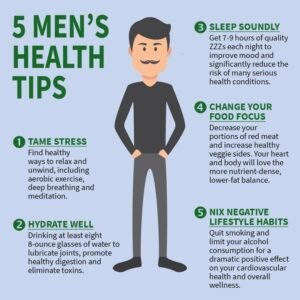
Preventive health plays a pivotal role in maintaining overall well-being and ensuring a healthier future.

Regular check-ups are essential to identify potential health issues before they become serious concerns.

Engaging in routine screenings allows for early detection of diseases, which significantly improves treatment outcomes.

Health screenings often include a variety of tests, ranging from blood pressure monitoring and cholesterol checks to cancer screenings and immunizations, tailored to different age groups and individual risk factors.
 

Guidelines for regular check-ups vary based on age, gender, and medical history.

For young adults, annual physical examinations typically suffice, while middle-aged individuals may require more frequent assessments involving cholesterol and blood sugar testing.

Elderly patients, especially those with chronic conditions, are generally advised to have regular screenings, as they are at an increased risk for heart disease, diabetes, and certain cancers.

Adhering to these preventive measures can lead to a more proactive approach to health management, empowering individuals to take charge of their health.


The psychology behind healthcare engagement is another critical factor in preventive health.

Many individuals may avoid regular check-ups out of fear or a belief that they are healthy enough to forgo these important assessments.

However, fostering a positive attitude towards health maintenance and emphasizing the benefits of early detection can encourage more proactive behavior.

Healthcare providers play a vital role in this regard by providing informative discussions around the value of regular screenings and addressing any concerns patients may have.


In essence, regular health check-ups are instrumental in promoting preventive health.

By recognizing the importance of routine screenings, individuals can significantly enhance their chances of leading a vibrant and healthy life.

The focus on preventive measures not only aids in early disease detection but also reinforces a culture of health awareness and proactive engagement with personal well-being.


Creating a Personal Health and Vitality Plan

Tracking Progress: Tools and Metrics for Success


Developing a personal health and vitality plan is essential for achieving optimal well-being and sustaining the progress made throughout your health journey.

To create an effective plan, it is crucial to integrate insights from various aspects of health, including nutrition, physical activity, sleep, and mental wellness.

The first step is to assess your current health status and identify specific areas that require attention. This self-assessment can help you set realistic and achievable goals tailored to your individual needs.


Once you have a clear understanding of your starting point, define short-term and long-term objectives.

Short-term goals might include incorporating more fruits and vegetables into your diet, while long-term goals could involve adopting a consistent workout regimen or improving sleep quality.

It’s important to ensure that these goals are specific, measurable, attainable, relevant, and time-bound (SMART), as this framework will facilitate motivation and accountability.


Alongside goal-setting, focus on creating sustainable lifestyle changes. Instead of opting for drastic measures, gradually incorporate healthier habits into your daily routine.

For instance, replacing sugary snacks with healthier options, such as nuts or yogurt, can lead to improved energy levels and overall vitality without significant disruption to your current lifestyle.

Regular physical activity, even if it starts with 10 to 15 minutes a day, can enhance physical fitness and mental health. Furthermore, prioritizing quality sleep routines is vital for recovery and maintaining energy levels.

Lastly, it is beneficial to regularly review and adjust your health and vitality plan as needed.

As your life circumstances change, so too should your objectives and strategies. Maintain flexibility and remain open to seeking support from health professionals, if necessary.

By implementing a personalized health and vitality plan rooted in scientific principles, individuals can embark on a journey to achieve lasting wellness and vitality.
 

First Name

Last Name

Email

Message

The form has been submitted successfully!
There has been some error while submitting the form. Please verify all form fields again.

Building Your Morning Foundation | The Discipline Blueprint Pt. 2

Building Your Morning Foundation | The Discipline Blueprint Pt. 2

Building Freedom Through Structure

The Blueprint

Discipline is often perceived through a lens of restriction and control; however, it encompasses much more than mere adherence to rules.

    • At its core, discipline serves as a foundational pillar in the pursuit of personal freedom.

By establishing boundaries and routines, individuals can harness discipline to create a structured environment where autonomy can thrive.

Autonomy, which is a fancy word for self-governance or self-control, is a structure that allows for enhanced self-respect, as you learn to manage their time, energy, and resources effectively.

The significance of discipline manifests across various aspects of life, including personal development, career advancement, and relational dynamics.

In the realm of personal development, discipline cultivates resilience and the ability to overcome obstacles. It encourages you to set clear goals and take incremental steps toward achieving them.

This process not only builds skills and knowledge but also instills a sense of accomplishment, reinforcing the value of self-discipline.

Additionally, discipline plays a crucial role in professional settings, where the ability to maintain focus and adhere to deadlines can significantly influence career trajectories.

A disciplined approach to work enhances productivity and fosters a reputation for reliability. As a result, individuals who embrace discipline often find themselves presented with greater opportunities and potential for advancement.

The relationship between discipline and success is not linear; rather, it unfolds as a dynamic interplay.

As you engage with your routines and structures, you will develop a clearer understanding of your priorities and passions.

This clarity enables you to make informed choices, ultimately leading to greater personal fulfillment and freedom.

By recontextualizing discipline as a pathway to autonomy, you can unlock doors to a more balanced, successful life. Through this comprehensive exploration, the importance of discipline as a vehicle for achieving personal freedom becomes increasingly evident.

The Role of Structure in Discipline

A psychological perspective


    • Establishing a structured environment is a fundamental component in enhancing an individual’s capacity for discipline.

The concept of structure encompasses not only the physical arrangement of one’s surroundings but also the routines and schedules that govern daily life.

When intentional structure is integrated into one’s lifestyle, it can significantly enhance focus, productivity, and overall well-being.

From a psychological perspective, having a consistent routine serves to minimize distractions and can reduce decision fatigue.

When we engage in habits that are predefined and predictable, we’ll spend less mental energy determining which course of action to take at any given moment.

This reduction in uncertainty allows for greater cognitive resource allocation towards essential tasks. Therefore, one might find that their focus sharpens, leading to more effective execution of responsibilities and goals.

To create a personal structure that fosters discipline, you should begin by identifying your priorities and daily obligations.

This may involve breaking down large tasks into manageable segments and establishing fixed time blocks for each.

For instance, you could designate specific hours for work, exercise, or leisure, creating a balance that allows for personal growth without overwhelming yourself.

Consistent reflection on these routines can lead to necessary adjustments, ensuring that the structure remains beneficial and responsive to changing needs.

Moreover, the integration of techniques such as time management tools and organizational systems can greatly enhance our ability to adhere to established routines.

Utilizing calendars, reminders, and checklists can serve to reinforce the structured environment.

Ultimately, the alignment of tasks with one’s goals through structured approaches not only cultivates discipline but also paves the way for greater personal freedom. Structured environments, therefore, hold intrinsic value in the pursuit of your aspirations.

Crafting Your Morning Routine

Designing a Blueprint for Daily Success

Establishing a well-structured morning routine is essential for developing a disciplined mindset and setting a positive tone for the day ahead.

  • The first step in crafting this routine is to determine an appropriate wake-up time.

Waking up early offers the advantage of more uninterrupted time, allowing for a smoother transition into the day’s activities.

Aim for a consistent wake-up time, even on weekends, to establish a rhythm that your body can easily adjust to.

After waking, consider starting your day with energizing activities that align with your personal goals.

These could include light stretching or a short workout, which serve to increase blood flow and invigorate both the body and the mind.

Alternatively, engaging in mindfulness practices such as meditation, prayer or journaling can provide clarity and focus, providing a sense of calm for the day ahead.

Incorporating a healthy breakfast rich in nutrients can fuel your body and enhance your overall productivity.

    • Another important aspect of a successful morning routine is prioritizing tasks that contribute to long-term goals.

Allocate time for reading or learning something new, as this can expand your knowledge and spark creativity.

By incorporating these elements into your morning, you not only enhance your energy levels but also empower yourself with a sense of accomplishment.

As you refine your morning routine, track your progress and make adjustments as necessary.

Reflect on how certain activities affect your mood and productivity, and be open to experimenting with new methods for improvement.

Eventually, you will develop a personalized routine that cultivates discipline, enhances focus, and promotes overall well-being.

Consistency: The Key to Mastery

 Turning Small Actions into Lifelong Habits

Consistency is a pivotal element in the journey of mastery across various domains of life.

“Think before you speak. (Fran Lebowitz) Read before you Think

    • It is the practice of engaging in small, manageable actions repeatedly over time that cultivates discipline and drives progress.

By focusing on consistency, individuals can create a sustainable framework within which they operate, leading to significant results that compound over time.

This principle applies universally, whether in professional endeavors, health routines, or personal development efforts.

In a professional context, consistency can manifest through daily work habits that enhance productivity and effectiveness.

For instance, setting aside a specific time each day to tackle tasks or engage with team members can and will foster a reliable work environment.

This routine not only improves individual performance but also contributes to the overall efficiency of the organization.

As such, professional routines that prioritize consistency enable individuals to hone their skills and develop their careers effectively.

Similarly, in the domain of health, a consistent approach to diet and exercise is crucial.

Rather than pursuing extreme diets or exhaustive workout regimens that may lead to burnout, adopting small, incremental changes can promote long-term wellness.

For example, decoupling exercise from extreme routines and instead committing to regular, manageable physical activities like walking can yield substantial health benefits over time, eventually leading to a sustainable lifestyle change.

    • Personal development, too, thrives on consistency.

By setting aside time daily for self-reflection, reading, or skill-building, individuals can gradually broaden their horizons and deepen their personal insights.

The key lies in establishing a habit/routine that allows these activities to become a natural part of one’s daily life rather than an occasional pursuit.

Cultivating consistency in our daily actions, we lay the groundwork for continuous growth and mastery in various areas of life.

Celebrating Small Victories

 How Micro-Wins Fuel Long-Term Momentum

In the pursuit of discipline, it is crucial to acknowledge and celebrate small victories.

Each minor achievement acts as a building block in the framework of our progress, reinforcing the behavior of consistently striving towards our goals.

These moments of recognition are not merely pleasurable; they serve a practical purpose by boosting motivation and enhancing self-respect.

When we take the time to reflect on and celebrate our accomplishments, no matter how small, we create a positive feedback loop that encourages ongoing effort and resilience.      


One effective strategy for tracking progress is the establishment of a journaling system where you can document your small victories regularly.

This practice not only allows for reflection but also provides a tangible record of progress, which can be quite motivating when you feel like you are not moving forward.

Setting specific milestones and rewarding oneself upon reaching them can further amplify motivation.

These rewards can be simple, such as treating oneself to a favorite snack, enjoying a leisurely activity, or sharing the achievement with friends or family.

Moreover, involving others in the celebration of these victories adds another layer of encouragement, however, be selective of those you share your accomplishments with. 

Sharing accomplishments with supportive peers or family members creates a sense of community and accountability.

Such social reinforcement can heighten the emotional impact of the achievement and inspire others to pursue their goals diligently.

By creating an environment that emphasizes the importance of these small wins, you can reinforce your commitment to your routines and structures.

In conclusion, celebrating small victories plays a vital role in the journey towards greater discipline.

Recognizing these achievements cultivates a sense of fulfillment, motivates continued effort, and ultimately supports you in building a more disciplined lifestyle that leads to comprehensive freedom.

Building Unshakable Self-Respect

Strengthening Your Inner Foundation Through Integrity

Self-respect is a crucial element of personal development and is deeply intertwined with the concept of discipline.

When individuals commit to a structured routine, they embark on a journey that not only enhances their efficiency but also fortifies their sense of identity and self-worth.

This relationship between discipline and self-respect illustrates how consistent, disciplined actions can lead to a more profound understanding of oneself and greater confidence in one’s abilities.

    • One of the primary ways that discipline fosters self-respect is through accountability.

When individuals set specific goals and adhere to a structured routine, they actively engage in a commitment to themselves.

Successfully meeting these commitments reinforces positive self-perception and instills a sense of pride, which, in turn, cultivates self-respect.

Each achievement, whether large or small, contributes to a growing acknowledgment of one’s capabilities, proving that discipline acts as a pathway to self-empowerment.

Additionally, the practice of discipline in everyday life can help individuals develop a deeper understanding of their values and principles.

By consistently aligning their actions with these values through disciplined efforts, individuals learn to respect themselves more significantly.

This conscious alignment not only enhances the integrity of one’s character but also fosters a stronger identity, further solidifying an individual’s self-respect.

The connection between routine and self-discovery is powerful; it encourages individuals to reflect on their aspirations and, seamlessly, to act upon them.

Ultimately, cultivating self-respect through discipline leads to greater life satisfaction.

When individuals respect themselves, they are more likely to pursue their goals, maintain healthier relationships, and navigate challenges with resilience.

The iterative process of setting and achieving disciplined objectives empowers individuals to recognize their worth and capabilities, establishing a foundation of unshakable self-respect that benefits all facets of their lives.

Overcoming Obstacles to Discipline

Strategies for Navigating Resistance and Setbacks

    • Maintaining discipline can be a formidable challenge for many individuals.

Common hurdles such as procrastination, distractions, and self-doubt often disrupt the pursuit of goals and can hinder personal development.

Understanding these obstacles is essential for anyone striving to cultivate a structured and routine-oriented life.

Procrastination is one of the most prevalent challenges faced when trying to adhere to a disciplined lifestyle. It often stems from fear of failure or feeling overwhelmed by tasks.

To counter this, individuals can implement practical strategies such as breaking tasks into smaller, manageable parts and setting specific deadlines.

This approach not only makes large projects less daunting but also allows for a sense of accomplishment with each completed segment.

Distractions can significantly derail focus and productivity. In an increasingly digital world, many find it difficult to engage in undistracted work due to constant notifications and access to social media.

One effective strategy to mitigate distractions is the use of the Pomodoro Technique, where one works for a specified period, followed by short breaks.

This method encourages sustained effort while providing scheduled respite, making it easier to maintain concentration over extended periods.

Self-doubt often clouds one’s ability to maintain discipline, leading to a reduced belief in personal capabilities. Overcoming this obstacle requires fostering a positive self-image.

This can be achieved by acknowledging past successes, no matter how minor, and surrounding oneself with supportive individuals who encourage perseverance.

Real-life examples abound of individuals who have triumphed over self-doubt, reinforcing the idea that success often comes from consistent effort and a supportive environment.

By addressing these obstacles with determination and utilizing practical strategies, individuals can enhance their discipline.

Embracing structure and routine, along with recognizing these challenges, is pivotal for forging a path towards personal freedom and accomplishing set goals.

The Ripple Effect of Discipline in Life

 How Personal Order Transforms Your External World

Discipline serves as a foundational element that permeates various aspects of life, often establishing a domino effect that enhances well-being and productivity.

When an individual devotes effort to cultivating discipline in one area, such as health, the benefits are frequently reflected in other areas, including personal relationships and financial stability.

For instance, practicing self-discipline in dietary habits not only improves physical health but also enhances mental clarity and boosts overall energy levels.

Healthy Eating

This heightened state of well-being can lead to better interactions with family and friends, fostering stronger relationships.

Moreover, the practice of discipline in financial management can yield significant advantages in personal life.

Individuals who adopt structured budgeting and savings habits are more likely to experience reduced stress and anxiety related to monetary concerns.

The confidence that arises from effective financial discipline can liberate an individual from the burdens of financial insecurity, thereby allowing them to invest time and energy into nurturing their personal relationships and engaging in healthier lifestyle choices.

Furthermore, the interconnected nature of discipline extends to professional life as well.
Those who exhibit diligence and consistency in their work often find that this commitment translates into increased productivity and career advancements.

Consequently, a person who embraces disciplined work ethics may also enjoy improved personal satisfaction and a sense of accomplishment, reinforcing a positive feedback loop that enriches overall life experience.

In essence, the establishment of discipline in any singular aspect serves as a catalyst for growth in multiple areas, ultimately fostering a holistic sense of freedom.

This interconnectedness emphasizes that the pursuit of personal discipline is not merely a solitary endeavor, but rather a comprehensive approach to enhancing one’s lifestyle and well-being across the board.

Conclusion: Your Journey to Discipline and Freedom

Embracing the Path to Lasting Autonomy

As we arrive at the conclusion of our exploration into the principles of discipline and freedom, it is essential to recognize the transformative power that structure and routine hold in our lives.

By understanding and implementing these concepts, you are well-equipped to embark on a path that fosters personal growth and fulfillment.

The key takeaways from our discussion emphasize that discipline is not a restriction; rather, it serves as a catalyst for the freedom one seeks in various aspects of life.

Throughout this aritcle, we have examined the importance of establishing a solid foundation for habit formation, prioritizing consistency, and embracing the process of continual improvement.

Each strategy presented is designed to empower you to devise your unique discipline blueprint.

By setting clear goals and adhering to a structured routine, you not only cultivate self-control but also create an environment conducive to achieving your aspirations.

This proactive approach, infused with determination, allows you to take charge of your life’s trajectory.

    • Moving forward, the journey toward discipline and freedom lies in your hands.

Begin by selecting one or two strategies that resonate with you and gradually incorporate them into your daily routine.

Whether it’s time management techniques, setting specific goals, or fostering accountability, the choices you make will significantly impact your ability to attain personal freedom.

Embrace the journey and its challenges, for it is through these experiences that personal growth flourishes.

In closing, we encourage you to take the first step on your path today.

Harness the principles you have learned and start building your discipline blueprint.

The rewards of a structured and intentional life await, leading to a more liberated and fulfilling existence.

Your journey towards a disciplined life can unlock the freedom you desire.

    • Cultivate successful morning routine 

    • Craft a routine to determine an appropriate wake-up time.

    • Establish a structured environment

  •  

The Discipline Blueprint: Building Freedom Through Structure and Routine
Name


Mastering Men’s Hygiene Attention to Detail

Mastering Men’s Hygiene Attention to Detail
The Fragrance of A Man
So Fresh, So Clean

Essential Men’s Hygiene Tips for Summer

The Importance of Hygiene as Temperatures Rise

As temperatures rise and the warm months approach, the importance of maintaining personal Hygiene becomes even more pronounced. The combination of increased heat and humidity can complicate hygiene efforts, leading to more significant challenges such as excessive sweating, body odor, and skin irritations.

The body’s natural response to higher temperatures often results in increased perspiration, which, while serving to cool the body, can also create an environment conducive to bacteria growth, thus heightening body odor issues.

Moreover, during the warmer months, people typically engage in more outdoor activities, from exercising to attending social gatherings. These activities not only expose individuals to more perspiration but also dirt and pollutants, further underscoring the importance of freshening up regularly.

Consequently, ensuring proper hygiene during this time becomes vital, not only for personal health but also for social interactions. Societal expectations around cleanliness can shift with the changing weather, as people may become more sensitive to odors during hotter climates, leading to increased scrutiny in social and professional settings.

To combat these hygiene challenges, a proactive approach is advisable. This could include adapting one’s shower routine, using products designed for hotter climates, and paying special attention to areas prone to sweat.

Utilizing antiperspirants and wearing breathable fabrics can significantly contribute to reducing odor and maintaining skin health.

Additionally, incorporating regular skin and body cleansing rituals into the daily routine can improve confidence and promote overall well-being, ultimately fostering a more enjoyable summer experience.

Choosing the Right Soap and Body Wash

Soap & Bodywash Are Not The Same

When it comes to maintaining effective hygiene practices, especially during warmer months, the selection of soap and body wash plays a crucial role.

There are numerous types of soaps available, each designed to cater to various skin types and personal preferences. Traditional bar soaps, liquid soaps, and body washes vary in formulation, efficacy, and application.

While bar soaps typically contain fewer synthetic chemicals, liquid forms are often formulated to provide added moisture.

One key consideration in choosing the right product is the specific ingredients used. For dry skin, opt for soaps and body washes that contain hydrating elements such as glycerin or shea butter, which help to lock in moisture.

Conversely, if you have oily or acne-prone skin, products featuring salicylic acid or tea tree oil can help in managing excess oil and preventing breakouts.

Additionally, fragrance-free options are highly recommended for sensitive skin, as they reduce the risk of irritation.

A significant aspect of any cleansing product is its pH balance. The skin’s natural pH level is typically around 5.5, and using soaps with a similar balance helps maintain its barrier function.

Products that are too alkaline can strip the skin of its natural oils, leading to dryness and irritation, particularly in warmer weather when skin is already exposed to additional stressors like sweat and humidity.

Furthermore, the impact of fragrance should not be overlooked. While many individuals enjoy fragrant soaps, specific scents can trigger allergies or irritate sensitive skin.

Hence, choosing a body wash or soap with a mild, natural fragrance, or those labeled as hypoallergenic, could be beneficial for overall skin health.

Ultimately, selecting the right soap or body wash tailored to individual needs not only enhances personal hygiene but also contributes to healthier skin during the warmer months.

Understanding Deodorant and Antiperspirant: What’s the Difference?

Choose Your Deodorant and Antiperspirant Wisely

When it comes to personal hygiene, particularly in warmer months, many individuals turn to deodorants and antiperspirants to ensure they feel fresh and clean throughout the day. Although often used interchangeably, these two products serve distinct purposes and operate through different mechanisms.

Essential for Every Man

Deodorants primarily focus on masking or neutralizing body odor, which is caused by the bacteria that thrive in sweat. They do not prevent sweating but instead contain antimicrobial agents to inhibit the growth of odor-causing bacteria, coupled with fragrances to provide a pleasant scent.

This makes deodorants an ideal choice for individuals who do not sweat profusely but wish to combat body odor effectively.

On the other hand, antiperspirants are specifically formulated to reduce sweating. They typically contain aluminum-based compounds that temporarily block the sweat glands, thereby limiting the amount of perspiration that reaches the skin’s surface.

This can be particularly advantageous during hot weather or for individuals who engage in strenuous physical activities, as it helps maintain dryness and comfort in warm conditions.

Both products have their unique benefits. While deodorants can be beneficial for daily use with continuous scent enhancement, antiperspirants provide the added advantage of controlling wetness.

Understanding your personal needs and body chemistry is essential in selecting the right product. Factors such as skin type, activity level, and individual preferences can help inform whether a deodorant or antiperspirant is better suited to your lifestyle.

In particularly hot months, opting for a strong antiperspirant may provide added assurance, whereas deodorants can suffice for moderate conditions.

Essentials 4 Men

Moisturizers, Oral Hygiene, and Fragrances

The Fragrance of A Man

As we strive to uphold exemplary standards of personal hygiene, it becomes crucial to explore other essential products that contribute to optimal freshness during the warmer months.

Among these, moisturizers, oral hygiene products, and fragrances play a vital role in ensuring that one’s grooming routine is both effective and enjoyable. Moisturizers are not solely reserved for dry skin conditions; they are essential in maintaining the skin’s integrity, particularly as temperatures rise.

High-quality body lotions and facial moisturizers help hydrate the skin, preventing it from becoming dull, flaky, or oily in hot weather.

When selecting a moisturizer, it is important to consider your skin type—whether it be oily, dry, or combination.

Choosing a non-comedogenic formula can help avoid clogged pores, while lightweight gel-based moisturizers might be ideal for hotter days.

Integrating a moisturizer into your daily routine can lead to a noticeable improvement in skin health.

Oral Hygiene

Oral hygiene is another fundamental pillar of personal care. Healthy teeth and gums are not only essential for overall well-being but also enhance attractiveness and confidence.

Using fluoride toothpaste and antiseptic mouthwash can significantly reduce plaque buildup and prevent bad breath.

Moreover, considering products that address specific concerns such as whitening toothpaste for brighter smiles or sensitive formulations for discomfort can greatly improve one’s oral hygiene strategy. Complementing this with regular flossing reinforces a comprehensive oral care routine.

Your Cologne Makes The Difference

Finally, fragrances encapsulate the essence of personal hygiene during warmer months. Selecting a suitable cologne or body spray can contribute significantly to maintaining a fresh presence, particularly in heat.

Opting for light and refreshing scents, such as citrus or aquatic notes, can complement the overall clean feeling during this time. To optimize its effect, applying fragrance after grooming rituals can enhance its longevity and impact.

Incorporating these elements—moisturizers for hydration, oral care products for freshness, and fragrances for allure—will aid in mastering men’s hygiene, ensuring that one feels comfortable and confident throughout the summer.

Thoughtful selection of each product is essential to meet individual skin types and preferences, ultimately leading to a holistic approach to personal cleanliness.

Men’s Health: Preparing for Fall and Winter – A Holistic Approach

Physical Health: Staying Active in Colder Months

As the seasons transition into fall and winter, it becomes increasingly important for men to prioritize their physical health. The impact of colder months on regular exercise routines can be substantial, and adapting to this change is essential for maintaining fitness and well-being. Engaging in physical activity during these months supports cardiovascular health, helps build muscle strength, and can significantly enhance overall energy levels.

Indoor workouts present a viable solution for those seeking to stay active despite the chilly weather. Gyms and fitness centers offer a range of activities, including weight training, yoga, and group fitness classes, catering to various preferences and fitness levels. Alternatively, men can implement home workout routines that require minimal equipment, allowing for flexibility and convenience. Online platforms provide guided sessions covering everything from strength training to high-intensity interval workouts, ensuring that there is something for everyone.

  • PERFECT ROPE FOR ANYONE. The 5.5mm steel rope is weighed at 1/4 lb. The handles are built at highest quality standard. W…
  • ADJUSTABLE LENGTH. This 10-foot jump rope is adjustable between 9 ft and 10 ft, It’s suitable for any adult between 5’8″…
  • PROFESSIONAL BALL BEARINGS. High speed ball bearings are placed inside the handles to ensure smooth spinning and long ti…

For those who prefer the outdoors, various sports and activities remain accessible even in the colder months. Running, cycling, and hiking are still enjoyable; however, dressing appropriately for the weather is crucial to avoid injuries related to cold exposure. Additionally, engaging in recreational sports, such as basketball or soccer, can foster camaraderie and motivation while keeping fitness levels up.

Adjusting workout routines and setting realistic fitness goals is necessary to adapt to the seasonal changes, ensuring that men do not lose momentum in their fitness journey. Creating a balanced plan that includes both cardio and strength training is vital for overall health during this time. Regular physical activity can help mitigate seasonal affective disorder (SAD), providing a natural boost to mood and energy, ultimately leading to better overall health in both fall and winter.

Mental Health: Coping with Seasonal Changes

As the seasons transition from vibrant autumn to the chill of winter, many individuals face unique mental health challenges. The reduction in daylight hours significantly impacts mood, motivation, and overall psychological well-being. One notable condition that can arise during this period is Seasonal Affective Disorder (SAD), a type of depression that commonly occurs during the fall and winter months. Symptoms include persistent sadness, fatigue, changes in sleeping and eating patterns, and a general sense of lethargy. It is essential to recognize these signs early and adopt strategies to mitigate their effects.

The key to navigating these mental health challenges lies in proactive management. Mindfulness practices can be particularly beneficial, allowing individuals to cultivate awareness of their thoughts and feelings without judgment. Engaging in daily meditation can create a sense of calm, helping to elevate mood and enhance emotional resilience. Additionally, participating in hobbies that bring joy and fulfillment can provide a much-needed distraction from the gloom often associated with the winter months. Whether it be painting, cooking, or even gardening indoors, immersing oneself in creative activities fosters a positive mindset.

Social connections also play a critical role in mental well-being during the colder seasons. Maintaining relationships with friends and family can counter feelings of isolation that tend to accompany winter’s gloom. It is beneficial to schedule regular gatherings or virtual meetups to share experiences and offer support. Furthermore, seeking professional help, whether through therapy or counseling, can provide individuals with coping strategies tailored to their specific needs.

Overall, awareness of the potential mental health impacts of seasonal changes is vital. By incorporating mindfulness techniques, engaging in fulfilling hobbies, and nurturing social connections, individuals can effectively manage their mental health through the fall and winter months, ultimately fostering resilience and well-being.

Spiritual Health: Finding Balance and Purpose

Spiritual health plays a vital role in the overall well-being of men, especially as the seasons change and colder months approach. During this introspective time, it becomes essential to connect with one’s inner self and cultivate a deeper sense of purpose. Spirituality is multifaceted and can encompass various beliefs and practices that provide individuals with direction, peace, and a supportive community.

One effective method for enhancing spiritual health is through journaling. This practice allows men to articulate their thoughts, feelings, and experiences, facilitating self-reflection and insight. By writing down personal values, aspirations, and challenges, individuals can better understand their inner desires and motivations, fostering personal growth. Journals can serve as a record of one’s journey, highlighting progress over time.

Expressing gratitude is another powerful tool for achieving spiritual well-being. Taking time each day to acknowledge positive occurrences and the contributions of others can shift focus away from negativity, encouraging a more optimistic outlook. Engaging in gratitude practices can ultimately enhance emotional resilience and promote deeper connections with loved ones.

Participating in community service also enriches spiritual health by fostering a sense of interconnectedness and belonging. Men can significantly impact their communities by dedicating time and resources to help others. This engagement often brings fulfillment and demonstrates the importance of altruism and compassion, reinforcing a sense of purpose.

Finally, many find solace in spiritual or religious practices. Whether through meditation, prayer, or attending services, these activities offer a structured way to explore faith and values. They can create a supportive environment that enhances emotional well-being and fosters relationships with like-minded individuals.

In essence, seasonal shifts present an ideal opportunity for men to engage with their spiritual health, reflecting on their purpose and aligning with core beliefs. Such practices not only contribute to personal growth but also pave the way for deeper connections with others.

Nutrition for Longevity: Healthy Foods for Strength and Endurance

Maintaining optimal nutrition is vital for men’s health, especially as the seasons change from fall to winter. The right foods not only support overall well-being but also provide the strength and endurance necessary to navigate the colder months. Seasonal fruits and vegetables play a significant role in a balanced diet. For instance, root vegetables like carrots and sweet potatoes are rich in vitamins and antioxidants, which are essential for boosting the immune system. Incorporating these into meals can help men fend off common illnesses associated with cooler weather.

Lean proteins are another cornerstone of a nutritious diet. Options such as chicken, fish, and legumes provide the amino acids necessary for muscle recovery and maintenance. High-quality protein sources support energy levels, which is crucial during the shorter days of winter. Furthermore, including healthy fats from sources like avocados, nuts, and olive oil fosters sustained energy release, helping to combat fatigue.

Whole grains are an often-overlooked component that contributes significantly to endurance. Foods such as brown rice, quinoa, and oats deliver essential fiber, allowing for improved digestion and prolonged energy levels. Their complex carbohydrates are particularly beneficial in maintaining energy for daily activities and workouts. In addition, these grains aid in maintaining a balanced mood, which can sometimes fluctuate with seasonal changes.

Planning meals ahead of time can ensure that these nutritious foods are consistently incorporated into daily diets. Preparing quick weekday meals or batch cooking can simplify healthy eating. Additionally, using a variety of spices and herbs can enhance flavors and health benefits, making nutritious meals enjoyable. By prioritizing these elements in their diets, men can enrich their nutrition, ultimately supporting longevity, strength, and endurance throughout the fall and winter seasons.

Bestseller #1
Bestseller #2
  • 24% Copper Ions Infused Fiber + 62% Nylon +14% Spandex
  • Imported
  • 🎁 Best Gift Idea For Your Friends And Family! 🎁—NEENCA Professional Medical Compression Socks with Copper Ions Infused F…

#CommissionsEarned

Verified by MonsterInsights