
A Scientifically Supported Guide

Unlocking the Secrets to Health and Vitality
Understanding Health and Vitality
Physical health and Vitality is the most visible aspect of well-being, often measured by factors such as body composition, fitness levels, and the absence of chronic diseases.
It forms the foundation for vitality, as a strong body typically supports a more active lifestyle, allowing for greater participation in various activities.
Mental health involves cognitive functions, emotional stability, and psychological well-being, playing a pivotal role in how individuals perceive and interact with the world, and people in their world.
This dimension of health affects motivation, focus, and the ability to cope with life’s challenges, directly influencing one’s vitality.
Emotional health encompasses the ability to understand, manage, and express emotions effectively.
It is inherently linked to both mental and physical dimensions, as emotional turmoil can lead to physical ailments, while good emotional health enhances mental clarity and resilience.
The interplay between these aspects of health underscores their interconnectedness; a deficiency in one area can adversely impact the others, thereby diminishing overall vitality.
Recognizing this interconnectedness is crucial for developing a balanced approach to wellness that encourages sustained health and vitality throughout life.

The Role of Nutrition in Health and Vitality
Superfoods and Antioxidants: Nature’s Defense System
Nutrition plays a fundamental role in maintaining health and ensuring vitality throughout your life.
Scientific research has established that a well-balanced diet, rich in essential nutrients, is crucial for optimal physiological functioning.
Essential nutrients include carbohydrates, proteins, fats, vitamins, and minerals, each contributing to various bodily processes such as energy production, immune response, and cellular repair.

A balanced diet emphasizes the importance of consuming a variety of foods that provide these essential nutrients in appropriate proportions.
This approach not only supports overall health but also contributes to the prevention of chronic illnesses.
For example, research has shown that diets rich in fruits, vegetables, whole grains, and lean proteins can lower the risk of conditions like obesity, diabetes, and cardiovascular disease.
High blood pressure, low blood pressure….no blood pressure.
On the other hand, excessive consumption of processed foods high in sugars and unhealthy fats can lead to detrimental health outcomes.
In addition to traditional dietary components, recent studies have spotlighted the benefits of superfoods foods that are particularly nutrient-dense and beneficial for health.
Some examples include quinoa, blueberries, and chia seeds, which are known for their high levels of antioxidants, fiber, and essential fatty acids.
Let’s not forget, strawberries, bananas, melons and broccoli; Yes BROCOLLI.
Incorporating superfoods into your daily diet can enhance vitality by supporting metabolic health and minimizing oxidative stress in the body.
Emerging dietary patterns such as the Mediterranean diet or plant-based diets have also drawn attention for their association with improved health outcomes.
These diets typically emphasize whole, minimally processed foods and promote healthy fats, offering a substantial array of nutrients that contribute to both physical and mental well-being.
Ultimately, understanding the scientific principles surrounding nutrition enables individuals to make informed dietary choices, paving the way for long-lasting health and vitality.
The Science of Exercise and Physical Activity
Strength Training: Building Longevity through Muscle

Regular exercise and physical activity have been shown to be vital for enhancing overall health and longevity.
Scientific research underscores the importance of these activities in improving cardiovascular health, optimizing metabolic rates, and fostering mental well-being.
Engaging in physical activity boosts the efficiency of the cardiovascular system, which includes providing greater oxygen delivery, improving blood circulation, and lowering the risk of heart disease.
Enhanced cardiovascular function is linked to lower blood pressure and improved cholesterol levels, reinforcing the body’s ability to transport oxygen and nutrients efficiently.
The Impact of Mental Health on Vitality
Mind-Body Synergy: How Thoughts Affect Physical Health
Mental health plays a critical role in determining an individual’s overall vitality. It encompasses emotional, psychological, and social well-being, influencing how we think, feel, and act.
Poor mental health can lead to issues such as anxiety, depression, and stress, all of which can significantly detract from an individual’s sense of health and vitality.
When individuals experience these common mental health issues, it may result in a diminished capacity to engage with life fully, thereby affecting their energy levels and zest for everyday activities.

One of the most effective ways to enhance mental health and, consequently, vitality is through stress management techniques.
Engaging in regular physical exercise, practicing deep breathing exercises, and maintaining a balanced diet can mitigate the effects of stress on mental health.
These strategies not only help in reducing anxiety and promoting relaxation but also improve overall well-being. Additionally, social support plays an integral role in managing stress.
Strong social connections enable us to share our experiences and feelings, thereby creating a buffer against stressors that can impact mental health.
Mindfulness and emotional resilience are also vital components in maintaining vitality. Practicing mindfulness helps individuals stay present and aware, allowing for better emotional regulation.
Techniques such as meditation and prayer promote a sense of calm and clarity, contributing positively to mental health.
Moreover, nurturing emotional resilience equips individuals with the tools to overcome life’s setbacks, (and you will have them) however it makes us better equipped to handle challenges.
This resilience not only enriches personal experiences but serves as a foundation for maintaining vitality in various aspects of life.
In conclusion, mental health significantly influences vitality by affecting emotional well-being, stress levels, and resilience. By prioritizing mental health through effective techniques, you can enhance your overall quality of life and pursue vitality with renewed vigor.
Sleep: The Unsung Hero of Health
The Architecture of Sleep: Understanding REM and Deep Cycles
Sleep is often overlooked in discussions surrounding health and vitality, yet scientific research consistently highlights its critical importance.
Quality sleep plays a vital role in numerous physiological processes, influencing everything from immune function to emotional well-being.
During sleep, the body engages in essential restorative functions, including muscle repair, tissue growth, and memory consolidation.
Understanding sleep cycles is crucial for appreciating its role in overall health. Sleep consists of several stages, primarily divided into REM (rapid eye movement) and NREM (non-rapid eye movement) sleep.
Each stage serves distinct functions; while NREM contributes to physical restoration and hormonal balance, REM sleep is integral to cognitive processes such as memory and learning.
Disruptions in these sleep cycles can lead to significant adverse effects on both physical and mental health.
Consequently, sleep deprivation can result in a host of negative outcomes, including cognitive decline, reduced concentration, and impaired decision making abilities.
A study published in the journal Sleep demonstrated that even short-term sleep deprivation significantly decreased participants’ cognitive performance.
Additionally, chronic sleep deprivation is associated with increased risks of various health conditions, including obesity, diabetes, and cardiovascular disease.

Given the profound effects of sleep on health, prioritizing sleep hygiene is paramount. Simple strategies can lead to substantial improvements in sleep quality.
Maintaining a regular sleep schedule by going to bed and waking up at the same time daily fosters a healthy sleep routine.
Creating a restful environment, free from noise and excessive light, can further enhance sleep quality.
Additionally, limiting screen time before bedtime, as artificial light can interfere with the body’s natural circadian rhythms, is advisable.
In summary, sleep should not be underestimated as a fundamental pillar of health and vitality. Understanding its significance and implementing practices to improve sleep hygiene can lead to marked improvements in both physical and cognitive well-being.
The Power of Social Connections
Nurturing Meaningful Relationships for Emotional Support
Social connections play an essential role in health and overall vitality, contributing significantly to an individual’s mental and emotional well-being.
Numerous scientific studies have emphasized the importance of relationships and social interactions in promoting a sense of belonging and community.
Individuals with strong social support systems tend to experience lower levels of stress, anxiety, and depression, leading to improved mental health outcomes.


The quality of relationships is just as significant as the quantity. Positive interactions with family, friends, and colleagues foster emotional resilience, which is vital for coping with life’s challenges.
Research suggests that people who engage in meaningful social activities tend to have improved immune function and even experience lower blood pressure, which are critical indicators of physical health.
Furthermore, the act of connecting with others can stimulate the release of oxytocin, often referred to as the “bonding hormone,” which promotes feelings of trust and emotional safety.
Investing time and effort into nurturing relationships and engaging with the community can yield significant health benefits.
Strong social connections are associated with longer life expectancy, lower risk of chronic diseases, and better recovery from illness.
Ultimately, maintaining supportive and positive relationships is a vital component of a healthy lifestyle, enhancing both mental and physical vitality.
Stress Management Techniques for Vitality
Mindfulness in Daily Life: Finding Balance in a Busy World
Effective stress management is crucial for maintaining health and vitality in today’s fast-paced world.
Numerous studies have demonstrated that chronic stress can lead to a myriad of health issues, including heart disease, obesity, and weakened immune function.
As such, incorporating scientifically supported techniques can significantly enhance one’s well-being. Among these, meditation, yoga, and various relaxation practices have emerged as beneficial strategies.
The Positive Impact of Prayer and Health

Prayer and Mental Well-Being
Stretching another effective technique, combines physical movement with breath control and concentration.
Many studies have shown that regular stretching practice can lower cortisol levels, the body’s primary stress hormone, thereby facilitating relaxation and improving mood.
Furthermore, engaging in stretching fosters physical flexibility and mental resilience. Practitioners can choose from various styles tailoring their practice to meet their individual preferences and needs.
Additionally, relaxation techniques like progressive muscle relaxation and deep breathing exercises serve as excellent tools for stress management.
These methods encourage individuals to recognize tension in their bodies and consciously release it, promoting a sense of tranquility.
Incorporating these stress management practices into daily routines can significantly enhance health, vitality, and overall quality of life, leading to a more balanced and fulfilling existence.
Preventive Health: The Importance of Regular Check-ups
Building Resilience: Adapting Your Plan to Life’s Challenges
Preventive health plays a pivotal role in maintaining overall well-being and ensuring a healthier future.
Regular check-ups are essential to identify potential health issues before they become serious concerns.
Engaging in routine screenings allows for early detection of diseases, which significantly improves treatment outcomes.
Health screenings often include a variety of tests, ranging from blood pressure monitoring and cholesterol checks to cancer screenings and immunizations, tailored to different age groups and individual risk factors.
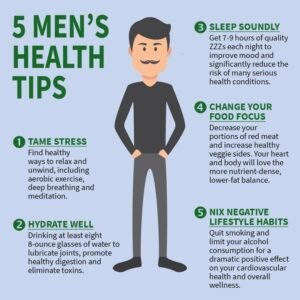
Guidelines for regular check-ups vary based on age, gender, and medical history.
For young adults, annual physical examinations typically suffice, while middle-aged individuals may require more frequent assessments involving cholesterol and blood sugar testing.
Elderly patients, especially those with chronic conditions, are generally advised to have regular screenings, as they are at an increased risk for heart disease, diabetes, and certain cancers.
Adhering to these preventive measures can lead to a more proactive approach to health management, empowering individuals to take charge of their health.
The psychology behind healthcare engagement is another critical factor in preventive health.
Many individuals may avoid regular check-ups out of fear or a belief that they are healthy enough to forgo these important assessments.
However, fostering a positive attitude towards health maintenance and emphasizing the benefits of early detection can encourage more proactive behavior.
Healthcare providers play a vital role in this regard by providing informative discussions around the value of regular screenings and addressing any concerns patients may have.
In essence, regular health check-ups are instrumental in promoting preventive health.
By recognizing the importance of routine screenings, individuals can significantly enhance their chances of leading a vibrant and healthy life.
The focus on preventive measures not only aids in early disease detection but also reinforces a culture of health awareness and proactive engagement with personal well-being.
Creating a Personal Health and Vitality Plan
Tracking Progress: Tools and Metrics for Success
Developing a personal health and vitality plan is essential for achieving optimal well-being and sustaining the progress made throughout your health journey.
To create an effective plan, it is crucial to integrate insights from various aspects of health, including nutrition, physical activity, sleep, and mental wellness.
The first step is to assess your current health status and identify specific areas that require attention. This self-assessment can help you set realistic and achievable goals tailored to your individual needs.

Once you have a clear understanding of your starting point, define short-term and long-term objectives.
Short-term goals might include incorporating more fruits and vegetables into your diet, while long-term goals could involve adopting a consistent workout regimen or improving sleep quality.
It’s important to ensure that these goals are specific, measurable, attainable, relevant, and time-bound (SMART), as this framework will facilitate motivation and accountability.
Alongside goal-setting, focus on creating sustainable lifestyle changes. Instead of opting for drastic measures, gradually incorporate healthier habits into your daily routine.
For instance, replacing sugary snacks with healthier options, such as nuts or yogurt, can lead to improved energy levels and overall vitality without significant disruption to your current lifestyle.
Regular physical activity, even if it starts with 10 to 15 minutes a day, can enhance physical fitness and mental health. Furthermore, prioritizing quality sleep routines is vital for recovery and maintaining energy levels.

Lastly, it is beneficial to regularly review and adjust your health and vitality plan as needed.
As your life circumstances change, so too should your objectives and strategies. Maintain flexibility and remain open to seeking support from health professionals, if necessary.
By implementing a personalized health and vitality plan rooted in scientific principles, individuals can embark on a journey to achieve lasting wellness and vitality.


 Furthermore, the interconnected nature of discipline extends to professional life as well.