Cultural Urban Art: The Spirit Through History and Modern Significance

man wearing cap sitting while doing portrait sketches

Breaking Barriers

Urban art, often referred to as street art, encompasses a diverse range of artistic expressions that emerge from the unique interplay between culture and urban environments. Originating in the rebellious spirit of the late 20th century, urban art has evolved from simple graffiti scrawled on city walls to a multifaceted cultural phenomenon that includes various forms such as muralism, stenciling, and street installations. Its roots can be traced back to the graffiti movements of the 1960s and 1970s, primarily in metropolitan areas like New York City. Artists utilized spray paint and markers to voice their thoughts, challenge societal norms, and convey messages about their surroundings, giving birth to an art form that was both provocative and deeply personal.

Over the years, urban art has transcended its initial reputation as vandalism and gained recognition as a legitimate form of artistic expression. With this shift, urban art has been embraced by communities worldwide, becoming a key aspect of cultural identity. Today, it serves as a canvas for artists to address social issues, convey political sentiments, and celebrate local heritage. Different styles of urban art have emerged, influenced by various cultures and artistic movements. Muralism, for example, involves the creation of large-scale public artworks that beautify urban spaces and often tell stories relevant to the community, while street installations use unexpected objects or materials to engage passersby, challenging them to rethink their environment.

This evolution illustrates the complex relationship between urban art and the cities it inhabits. It reflects societal changes and cultural dynamics, fostering a sense of belonging and community pride. By examining urban art, one gains valuable insights into the collective identity of urban populations and the ways in which art can bridge gaps between individuals and cultures. As urban art continues to thrive, it occupies a vital space in the cultural landscape, inviting dialogue and contributing to the ongoing narrative of urban life.

Historical Significance of Urban Art

Urban art, often manifested through graffiti, murals, and street installations, possesses a rich historical significance that traces back to ancient civilizations. The roots of urban art can be detected in the cave paintings of prehistoric societies, where early citizens of the planet used natural pigments to communicate, document their existence, and express their cultural narratives. Moving forward in history, one finds that the walls of ancient Egypt, Rome and Pompeii featured writings and art that served both decorative and communicative purposes, firmly establishing a tradition of public art within urban landscapes.

As urban environments evolved, so too did the medium and motivations behind these artistic expressions. The Renaissance period marked a pivotal transition, where public artworks such as frescoes and statues reflected the sociopolitical climate of the era, often commissioned by important figures and institutions as a means of displaying power and propaganda. The significance of these works cannot be overstated, as they encapsulated the values, struggles, and aspirations of their time, intertwining with the politics of the day.

In the 20th century, urban art underwent a notable transformation, influenced significantly by movements such as Dadaism and Surrealism, which challenged conventional aesthetics and societal norms. The post-World War II era saw the rise of street art as a form of social commentary, with artists like Keith Haring and Jean-Michel Basquiat using the urban canvas to address issues such as inequality, racism, and identity. This period marked a democratization of art, where the streets became a gallery accessible to all, rather than confined within the walls of traditional institutions.

Throughout these historical epochs, urban art has retained its sociopolitical significance, evolving as a vehicle for marginalized voices and a platform for cultural dialogue. Today, it continues to reflect the complexities of modern society, reinforcing the idea that urban art is not merely about aesthetics but is deeply intertwined with history and human experience.

Urban Art in the 21st Century

The 21st century has witnessed a remarkable evolution in urban art, reflecting both societal changes and advancements in technology. Contemporary urban art is no longer confined to the walls of cities; it encompasses a vast array of mediums and platforms, propelled by the rise of digital media. Notable artists such as Banksy, Shepard Fairey, and JR have successfully elevated street art from a subculture to a prominent realm of visual expression recognized globally.

“Cultural and Eclectic Art” – richboyent903.in

One significant trend in urban art is the incorporation of technology in both creation and dissemination. Artists now utilize digital tools, augmented reality, and social media to expand their reach and engage with audiences in unprecedented ways. For example, augmented reality artworks allow viewers to interact with pieces via their smartphones, merging physical and digital spaces. Techniques such as projection mapping have transformed public spaces into dynamic canvases, showcasing a dramatic shift in creative possibilities.

Moreover, the themes explored in urban art have become increasingly pertinent as artists respond to pressing social issues, including climate change, racial inequality, and political unrest. Many urban artists utilize their work to raise awareness and provoke thought, addressing the narratives often overlooked in mainstream discourse. The globalized nature of today’s society has also influenced urban art, enabling artists from diverse backgrounds to share their stories through their work, transcending cultural boundaries.

As a result, urban art has transformed into a multifaceted movement that not only enriches city environments but also serves as a powerful medium for social commentary and community engagement. The dialogue between urban art and contemporary societal issues highlights its importance in understanding and navigating the complexities of modern life. This vibrant art form continues to thrive, reflecting the dynamic nature of the world in which it exists today.

Cultural Impact and Community Engagement

Urban art plays a vital role in fostering community engagement and promoting cultural dialogue. It has served as a powerful medium for expression, enabling artists to address pressing social issues and advocate for marginalized voices within society. This form of artistic expression often takes shape in community-led projects, where local residents collaborate to create murals, sculptures, or other public art installations that reflect their shared experiences, values, and aspirations.

One prominent example of such community-driven urban art projects is the Murals of Philadelphia initiative, which transformed numerous blank walls throughout the city into vibrant canvases showcasing various themes, including history, culture, and identity. These murals not only beautify the urban landscape but also spark conversations among residents and visitors alike, fostering a sense of unity and pride within the community. Furthermore, these projects often involve workshops and interactive sessions where local artists and community members can collaborate, learn from one another, and strengthen their bonds.

https://www.visitphilly.com/things-to-do/attractions/mural-arts-philadelphia/

Public art installations can also serve as platforms for marginalized voices. In many cities, urban art has emerged as a vital form of protest, providing space for individuals and groups to express their frustrations, hopes, and dreams. The “Black Lives Matter” mural painted on the streets of Washington, D.C., is a striking example, as it not only reflects a collective demand for justice but also engages the wider community in discourse around race and equality. Such installations invite dialogue and challenge viewers to reflect on the socio-political context that shaped them.

Ultimately, urban art contributes significantly to community cohesion and identity. By highlighting the diverse narratives within a neighborhood, these artistic endeavors strengthen social ties among residents and celebrate their shared cultural heritage. This form of art encourages individuals to take pride in their surroundings and engage meaningfully with their community, fostering a sense of belonging and ownership over the shared space.

Commercialization of Urban Art

The commercialization of urban art has significantly transformed the dynamics within this vibrant artistic movement. Initially emerging as a form of self-expression nestled within the streets and public spaces, urban art has gained substantial attention in the contemporary art market. The ascent of urban artists into commercial platforms raises essential questions about the authenticity and intent behind their works. Increasingly, these artists are navigating dual realities: maintaining their grassroots ethos while capitalizing on market opportunities.

In recent years, platforms such as Amazon and Temu have played a pivotal role in popularizing urban art prints and decor. Many artists have begun selling reproductions of their work, sometimes for substantial prices, thereby fueling a debate regarding the potential commodification of their artistic message. While the rise of e-commerce offers significant exposure and financial benefit to artists, it also exposes them to critique. The commercialization of their artwork can dilute the original social and political messages that often accompany street art, potentially transforming powerful expressions into mere consumer goods.

Case Studies of Iconic Urban Artwork

Urban art has evolved into a powerful form of expression, reflecting social issues, cultural narratives, and the consciousness of communities. Among the most iconic pieces are those by Banksy and Shepard Fairey, both of whom have made substantial contributions to the landscape of urban art, each with a distinct voice and message.

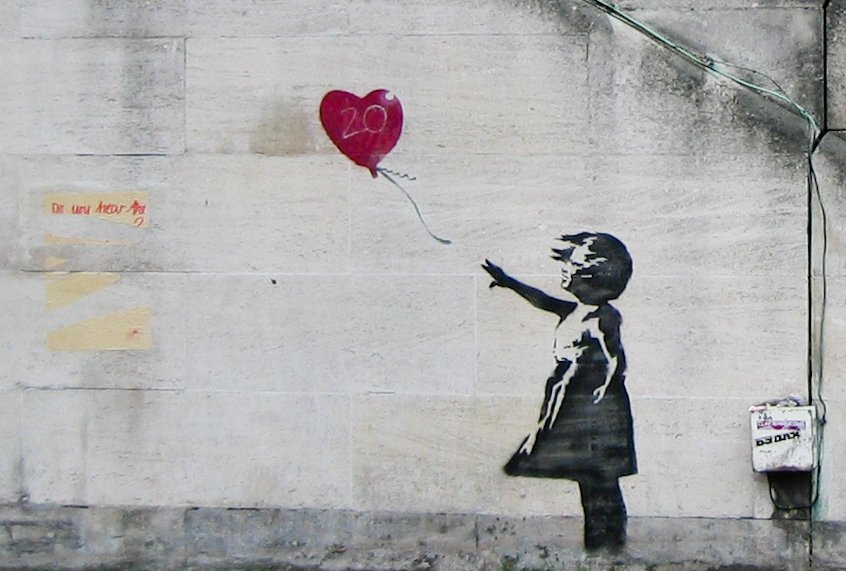
One of Banksy’s most famous works is Girl with a Balloon,” which emerged from the streets of London. This piece captures a moment of innocence and hope as a young girl reaches for a heart-shaped balloon. The artwork has transcended its original context; during a 2018 auction, it was partially shredded, offering a commentary on the commercialization of art. This unexpected transformation sparked conversations about value, permanence, and the role of art in society, making it a vital topic in urban art discussions.
https://banksyexplained.com/wp-content/uploads/2021/05/GIRL-WITH-BALLOON-MURAL-1.jpg

On the other hand, Shepard Fairey’s Obey Giant,” characterized by its striking use of propaganda-style graphics, has transformed public spaces across the globe. Initially conceived as an art campaign, the image of Andre the Giant became emblematic of resistance against conformity and a call to question authority. Fairey’s work, particularly during the 2008 Obama campaign, played a critical role in political art, showing how urban murals can serve as catalysts for social and political movements.

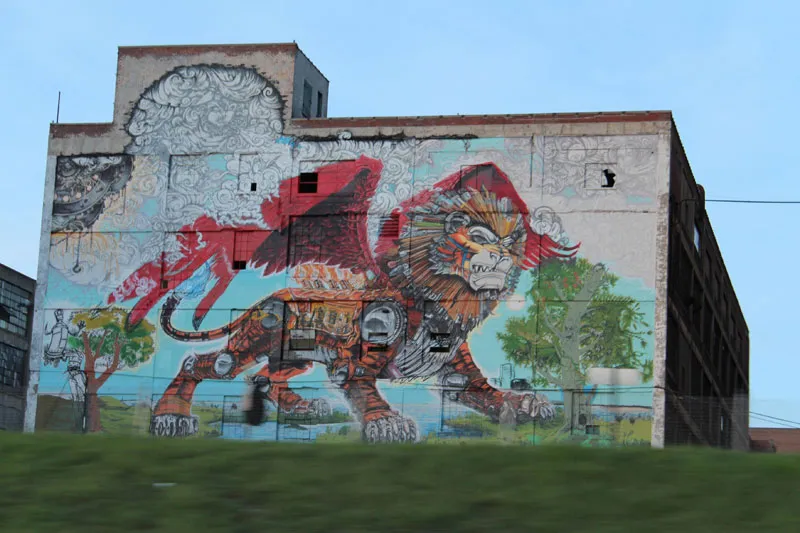
In addition to individual artists, community murals serve as vital expressions of cultural identity. For example, Detroit’s The Spirit of Detroit mural highlights themes of resilience and unity, encapsulating the city’s rich history and strength. Such community initiatives not only beautify urban spaces but also foster dialogue and solidarity among residents, illustrating the power of urban art to inspire change and deliver meaningful messages.
https://twistedsifter.com/wp-content/uploads/2013/05/detroit-chimera-mural-russel-industrial-complex-building-kobie-solomon.jpg

Urban Art as a Reflection of Social Issues

Urban art has emerged as a powerful medium for reflecting and addressing social issues, making it a vital aspect of contemporary cultural discussions. Artists often utilize the streets as a canvas, transforming public spaces into platforms for commentary on pressing societal challenges. This form of art captures the complexities of urban life and highlights issues such as racial inequality, environmental degradation, and political unrest.

Racial inequality is often at the forefront of urban art, where artists express their frustrations and hopes for social justice. Murals and graffiti depicting figures and moments from the civil rights movement serve as visual reminders of ongoing struggles against racism. These works not only commemorate historical events but also encourage dialogue and awareness regarding the systemic issues still prevalent today. By disseminating powerful messages through visual language, urban artists foster a collective consciousness about racial disparities and social justice.

Moreover, environmental issues have become a prominent subject within urban art narratives. Many artists address climate change and ecological destruction through imaginative portrayals of nature juxtaposed against urban landscapes. This artistic approach serves as an urgent call for action, urging the public to recognize and react to environmental threats. Through their creative expressions, artists shed light on the necessity of sustainability and responsible engagement with our surroundings.

Political unrest, historically tied to urban art movements, continues to shape contemporary works. Street art often reflects the frustrations of citizens facing governmental corruption, social injustice, and war. Muralists and graffiti artists use their craft to critique public policies and promote civic engagement, elevating the voices of marginalized communities. Such art not only serves to inform but also inspires others to take action, becoming a transformative tool within urban spaces.

In essence, urban art acts as a mirror to societal challenges, using visual storytelling to provoke thought and raise awareness. As a dynamic intersection of culture, art, and activism, it continues to play a crucial role in shaping public discourse around diverse social issues.

Urban Art and Modern Technology

The relationship between urban art and modern technology has evolved dramatically over the past few decades. This convergence has transformed how artists express themselves, share their work, and engage with their audiences. Digital tools and advances in technology have created new opportunities for creativity, resulting in innovative urban artworks that push conventional boundaries.

One notable advancement is the emergence of digital graffiti, which enables artists to use software and applications to create virtual street art. These digital artworks can be projected onto buildings or displayed on screens, allowing for an interactive and ephemeral experience. In this environment, artists can experiment with dynamic visuals, making their work accessible to a broader audience without the limitations imposed by traditional materials or physical locations.

Additionally, augmented reality (AR) has opened up new possibilities for urban artistry. Artists can now integrate AR technology into their projects, allowing viewers to engage with their art in an immersive manner. For instance, using a smartphone app, spectators can point their devices at a mural and see additional layers of digital content overlayed onto the physical artwork. This interplay between the real and digital worlds encourages creativity while fostering a deeper connection between the art and its audience.

Moreover, the role of social media in promoting urban artists cannot be overstated. Platforms such as Instagram and TikTok allow creators to share their work instantly with global audiences, transcending geographical barriers. Artists can connect with fans and gain valuable feedback, leading to a more participatory art culture. This online presence not only helps artists gain recognition but also fosters community engagement as people share their experiences and reactions to urban art. Overall, modern technology acts as a catalyst, redefining the landscape of urban art and enhancing its significance in contemporary culture.

Conclusion: The Future of Urban Art

Urban art, as a dynamic form of cultural expression, holds a significant place in today’s society. Its evolution from mere graffiti to a respected art form signals an important shift in how we perceive public spaces and artistic creativity. In contemporary culture, urban art is not restricted to traditional murals and street graffiti; it encompasses a wide range of multimedia installations, performances, and digital art forms that engage with both local communities and global audiences. This transformation underscores the potential of urban art to foster dialogue around social issues, cultural identity, and urbanization.

The ongoing evolution of urban art reflects society’s changing values and concerns. As urban areas become increasingly dense and diverse, the role of urban artists will likely expand to incorporate greater social responsibilities. Artists are not only challengers of societal norms but also collaborators in revitalizing communities. With a focus on themes such as sustainability, inclusivity, and social justice, future trends may see urban art becoming an increasingly valuable tool for community engagement and advocacy. As artists tackle pressing social issues through their work, the distinction between artist and activist might blur, reshaping our understanding of both roles in society.

Black Frame Abstract Bright Style Wall Art 3-piece Set: https://amzn.to/4iFE1Lw

Furthermore, as technology continues to advance, the integration of digital platforms, augmented reality, and interactive elements will likely expand the reach and impact of urban art. This convergence of art and technology may create new opportunities for urban artists to engage wider audiences, fostering a sense of belonging and collaboration among viewers. Individuals can play a crucial role in promoting urban art by supporting local artists, attending events, and advocating for art-friendly policies. By participating in this evolving dialogue, communities can contribute to the richness of urban landscapes and ensure that urban art remains a vibrant aspect of cultural identity for generations to come.

Disclaimer: 👉Some links in this description may be affiliate links in which we may receive a commission for qualifying purchases. This is absolutely no additional charge to you.

Home » 2024 » 12

Posts


Exploring the Latest Sound Technology in Smartphones

a black rectangular object with a light on it

The Revolution of Sound Technology

In recent years, sound technology has made remarkable advancements, especially in the realm of smartphones. The incorporation of superior sound systems has transformed the way we experience audio, be it through music, podcasts, or calls. The emergence of wireless ear pods and innovative sound mixers offers users a seamless auditory experience that elevates everyday activities.

Trending Products to Check Out

If you’re on the hunt for cutting-edge sound technology, platforms like Amazon provide an array of products that cater to your needs. For instance, the Apple AirPods Pro is a favorite among many, known for their exceptional noise cancellation and immersive sound quality. Alternatively, the Sony WF-1000XM4 ear pods are celebrated for their stunning sound performance and comfort.

Enhancing Your Setup with Sound Mixers

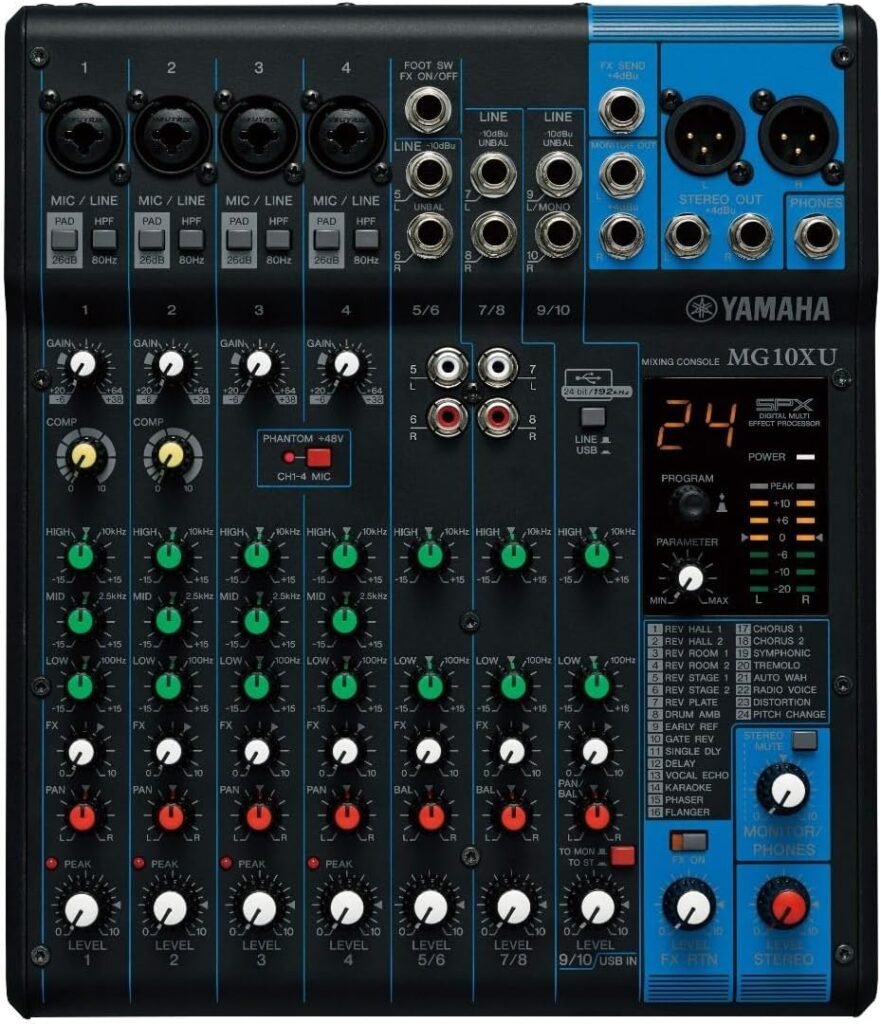
Sound mixers have also gained popularity, particularly for those keen on producing high-quality audio content. The Yamaha MG10XU audio mixer, available on Amazon, is an excellent choice for both beginners and professionals. It offers multiple input channels while ensuring clear sound output. Integrating such devices into your audio setup can notably enhance your listening experience.

With the continuous evolution of sound technology, it’s exciting to see how products like ear pods and sound mixers are shaping our auditory landscape. Keep an eye on the latest releases to stay ahead in experiencing sound like never before!

Exploring the Latest Sound Technology in Smartphones

Home » 2024 » 12

The Best Fall Clothes for Men 2024, According to GQ

Introduction to Fall Fashion Trends

Fall fashion serves as a dynamic canvas illustrating the evolving nature of style for men. Each season ushers in a series of trends that reflect not only the changing temperatures but also the cultural shifts and consumer preferences shaping men’s clothing choices. The essence of fall fashion lies in its ability to balance practicality with style, presenting a variety of options that cater to individual expression while meeting the demands of the cooler months.

In 2024, the trends emerging in men’s fall fashion focus on versatility and functionality. Layering becomes an essential technique as temperatures fluctuate, enabling men to showcase their unique styles while remaining comfortable. The incorporation of rich textures and robust fabrics is at the forefront, with materials like wool, corduroy, and leather making significant statements. These textiles not only provide warmth but also add depth to outfits, allowing for a sophisticated look, be it casual or formal.

Color palettes for this season tend to reflect nature’s autumn hues, with shades of brown, deep green, and burnt orange becoming prominent. Accessories also play a pivotal role, contributing to the overall aesthetic—items such as scarves, hats, and gloves not only serve a functional purpose but also elevate a man’s outfit. Footwear trends are leaning towards sturdier options, with boots gaining popularity for their blend of comfort and style.

As men’s fashion continues to evolve, it is essential to recognize how past influences shape contemporary choices. In 2024, elements from previous decades reappear, infused with modern aesthetics, creating a nostalgic yet fresh approach to fall attire. The intersection of tradition and innovation is pivotal in understanding current trends, setting the stage for a detailed exploration of the best fall clothing pieces that align with these emerging styles.

Key Fabrics and Textures for Autumn

As the leaves begin to change and temperatures start to drop, selecting the right fabrics and textures becomes paramount for men’s fall & winter wardrobes. The chill of autumn necessitates materials that not only provide warmth but also convey an essence of sophistication and style. Wool stands out as an essential fabric for fall, renowned for its excellent insulation properties. This natural fiber absorbs moisture while allowing breathability, making it suitable for varying temperatures. Whether in the form of suits, sweaters, or coats, wool delivers both comfort and elegance.

Flannel is another quintessential fabric of the season, characterized by its soft texture and warmth. Often made from wool or cotton, flannel shirts have become a staple in casual fall attire. They are versatile enough to be worn on their own or layered under jackets. The variety in plaids and patterns available allows for a unique expression of personal style, appealing to a broad range of fashion sensibilities. Choosing a well-fitted flannel shirt can elevate an outfit, making it perfect for both informal outings and more polished events.

Men’s Flannel Shirt on Amazon

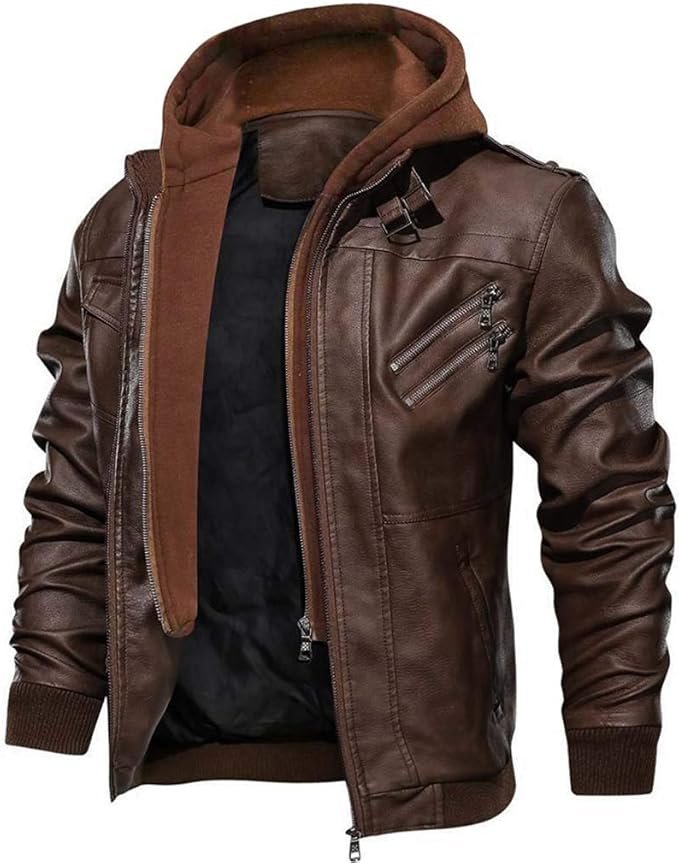
Moreover, leather continues to be a favored choice as temperatures cool. Leather jackets, trousers, or accessories offer a rugged aesthetic while providing essential warmth. They are particularly suited for transitional weather and can be effortlessly paired with various outfits, striking a balance between casual and refined. For those seeking sustainability, opting for responsibly sourced or crafted leather can enhance the fashion statement while being environmentally conscious.

In considering fabrics for various occasions, it is crucial to assess the specific environment one will be in. Opting for heavier materials like wool in colder climates or lighter fabrics such as flannel in milder weather can ensure both comfort and appropriateness. The right choice of fabric not only enhances personal style but also enriches the overall autumn experience.

Must-Have Jackets for Fall 2024

Bomber Leather Jacket on Amazon

As the leaves begin to change and the temperatures drop, selecting the right jacket becomes essential for not only warmth but also style. For fall 2024, several jacket styles are emerging as must-haves, catering to a variety of preferences and occasions. The focus is on versatility and functionality, ensuring that these outerwear pieces seamlessly integrate into any wardrobe.

One of the standout styles for this season is the bomber jacket. This classic silhouette continues to evolve, featuring updated materials and color palettes. Bomber jackets offer a casual yet polished look, making them suitable for both day and night. For a contemporary touch, opt for leather or quilted models. Pairing a bomber jacket with a fitted turtleneck and tailored trousers creates a sophisticated ensemble that balances comfort and style.

Another essential jacket to consider is the trench coat. This timeless piece is not only stylish but also practical, providing ample coverage against wind and rain. The latest iterations of trench coats come in varying lengths and materials, with options that include lightweight cotton blends and heavier wool finishes. A trench coat can be effortlessly layered over a suit for a professional appearance or worn with jeans and a sweater for a weekend ensemble. When accessorizing, a scarf and leather boots can elevate the outfit to new levels of sophistication.

Lastly, oversized outerwear is making a strong statement this fall. These jackets emphasize comfort and a relaxed fit, allowing for easy layering. When styling oversized jackets, it is crucial to balance proportions; pairing them with slim-fit trousers achieves a harmonious silhouette. Neutral tones or muted patterns can enhance the versatility of oversized jackets, ensuring they complement various outfits.

In conclusion, stay ahead of the trends this fall 2024 by incorporating bomber jackets, trench coats, and oversized outerwear into your wardrobe. Each piece not only highlights style but also provides the necessary functionality as temperatures fluctuate.

Essential Knitwear for Men

Knitwear is an indispensable element of men’s fall fashion, offering both warmth and style as temperatures begin to drop. Sweaters, cardigans, and pullovers are versatile options that can be easily integrated into various outfits. These layers provide the perfect opportunity to mix and match textures and colors, helping to create a balanced and polished wardrobe.

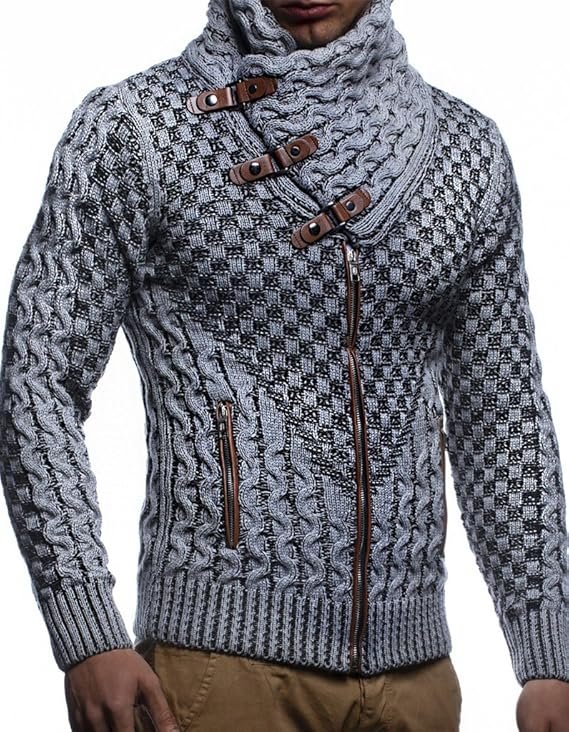
Starting with sweaters, one should consider the different types available, such as crew necks, V-necks, or turtlenecks. A crew neck sweater is a classic choice that can be worn over a collared shirt for a smart-casual look or paired with jeans for a more relaxed style. V-neck sweaters offer the advantage of elongating the neck, making them a suitable option for men with broader shoulders. Turtlenecks add sophistication to any outfit, providing a fashionable layer that looks great under a tailored coat or blazer.

Cardigans have also made a strong statement in men’s fashion. Whether opting for a fitted or oversized design, cardigans can easily transition from casual to formal. Choose thicker knit fabrics for a cozy feel that provides extra warmth on colder days. When selecting colors, it is advisable to stick to earthy tones such as olive green, navy, or burgundy during fall, which not only resonate with the season but also complement a wide array of outfits.

Another essential aspect of knitwear is fit. A well-fitted knitted piece flatters the body, whereas an ill-fitting garment can detract from the overall appearance. Slim-fit styles work well for a modern look, while regular fits offer comfort without compromising style. Exploring different fits and layering techniques is key to ensuring that the knitwear remains a staple in your fall wardrobe, enhancing both functionality and aesthetics.

Stylish Footwear Choices for Autumn

As autumn approaches, selecting the right footwear becomes pivotal in crafting a fashionable yet practical ensemble. For fall 2024, a diverse array of stylish options is available to cater to different tastes and occasions. The three standout footwear trends to consider are boots, loafers, and sneakers, with each offering unique advantages and versatility.

Boots remain a staple for the fall season, effortlessly combining durability and style. Chukka boots and Chelsea boots are particularly popular, providing an elegant option that complements both casual and semi-formal outfits. These styles not only offer warmth but also serve as a fashionable alternative to traditional dress shoes. Pairing them with tailored trousers or jeans can create a polished yet relaxed look, making them ideal for various autumn activities.

Loafers are another excellent choice for the autumn wardrobe. With their slip-on design, loafers provide ease and comfort while still maintaining a refined appearance. Suede loafers, in particular, are well-suited for fall, as they add texture and depth to outfits. When styled with chinos or wool trousers, loafers contribute to a sophisticated vibe, perfect for work or social gatherings. Opting for walnut or burgundy shades can further enhance their seasonal appeal.

Sneakers have evolved into a must-have footwear option for fall, merging comfort with contemporary style. As athleisure continues to influence fashion, high-top or leather sneakers are ideal for casual days. They can be effortlessly paired with joggers or even subtly tailored shorts for a laid-back look. Additionally, leveraging neutral colors allows for greater versatility, making them suitable for a variety of autumn colors and patterns.

In conclusion, selecting the right footwear for autumn can significantly elevate your style. By incorporating boots, loafers, and sneakers into your wardrobe, you not only ensure comfort and practicality but also enhance your overall autumn aesthetic.

Layering Techniques for Fall Outfits

As the crisp air of fall rolls in, mastering the art of layering becomes essential for achieving both style and comfort. The key to effective layering lies in combining different pieces that not only complement each other aesthetically but also provide adequate insulation against varying temperatures. One fundamental guideline is to start with a breathable base layer, such as a cotton or merino wool t-shirt. This piece serves as the foundation, wicking away moisture and providing warmth.

Next, consider adding a mid-layer, which acts as insulation. Fleece pullovers or lightweight sweaters are excellent choices for this season. Opt for versatile colors and patterns that seamlessly integrate with your outer garments. The objective is for the mid-layer to be stylish yet functional, preserving body heat without causing bulkiness. When selecting a mid-layer, thinner fabrics can ensure ease of movement while still maintaining the necessary warmth.

The outer layer is where you can express your personal style while defending against the elements. A well-fitted puffer jacket, trench coat, or a classic structured overcoat can elevate an outfit significantly. When choosing an outer layer, consider functionality; features such as hoods, windbreakers, or waterproof materials add practical benefits. Additionally, don’t shy away from layering textures, such as pairing a knit sweater with a smooth leather jacket, to create visual interest.

Accessorizing is the final touch that can enhance your layered look. Scarves, beanies, and gloves not only provide extra warmth but also add layers of texture and color. Pay attention to your footwear as well, as it completes your outfit while considering the practical demands of fall weather. Employing these layering techniques allows for adaptable and stylish fall outfits, ensuring comfort across varying occasions.

Fall Accessories That Complete the Look

As the temperatures drop and the leaves change color, it is essential to rethink not only the base layers of attire but also the accessories that enhance a fall outfit. Accessories are often overlooked but play a crucial role in adding flair and functionality to one’s wardrobe. From scarves to hats and gloves, the right accessories can transform a simple outfit into an ensemble that is both stylish and practical.

Scarves, for instance, are a quintessential fall accessory. They come in various materials, such as wool, cashmere, or even lightweight cotton, offering both warmth and a pop of style. Opt for neutral tones that can easily complement a range of outfits or choose a bold pattern to make a statement. When styling a scarf, the way it is draped can significantly influence the overall look. A simple loop or a classic knot can add sophistication while also providing warmth against chilly winds.

Hats, another vital accessory for the fall season, come in numerous styles—beanies, fedoras, and flat caps. Each type adds a unique touch to any outfit. An oversized beanie can create a casual vibe, perfect for weekend outings, while a well-structured fedora can uplift smarter attire. It’s beneficial to coordinate the hat’s color with the main elements of the outfit, ensuring a cohesive overall appearance.

https://amzn.to/3Da6bxP https://amzn.to/3Vy4Ze3 https://amzn.to/4gr9XkE

Finally, gloves are indispensable as temperatures continue to drop. Leather gloves add an element of sophistication, while knitted ones provide comfort and warmth. When selecting gloves, consider the thickness and length—longer gloves can extend up the wrist for extra warmth and style. In summary, the right fall accessories do not merely serve a functional purpose; they enhance aesthetics and allow for personal expression within a season that celebrates rich colors and textures.

Color Palettes for Fall 2024

As the autumn season approaches, men’s fashion for fall 2024 is characterized by a diverse palette that embraces both earthy tones and vibrant hues. This year’s trends emphasize a return to nature, with colors reminiscent of the great outdoors. Shades such as burnt sienna, olive green, and rustic browns reflect the changing foliage, providing a grounded aesthetic that resonates with the spirit of fall.

Earth tones are not solely about muted palettes; they can be paired with bolder colors to create striking combinations. For instance, pairing a deep olive green jacket with vibrant mustard shirt can create an eye-catching statement while remaining seasonally appropriate. Additionally, terracotta and burgundy hues are emerging as essential components for layering, offering depth and warmth to any autumn outfit.

This season, rich jewel tones are making a significant impact in men’s fall wardrobes. Colors like sapphire blue, emerald green, and deep amethyst add a touch of sophistication and vibrancy to traditional fall attire. These shades can be integrated through accessories such as scarves or hats, or larger pieces like coats and sweaters, allowing for versatility in styling.

Patterns are also a prominent trend for fall 2024, with checks, plaids, and florals featuring heavily across men’s collections. These patterns can add a dynamic element to outfits, breaking the monotony of solid color combinations. When incorporating patterns, it is wise to mix them with more subdued pieces to achieve a balanced look. For example, a plaid shirt can harmoniously complement a plain jacket, creating an ideal balance between visual interest and sophistication.

To effectively integrate these color palettes into your fall wardrobe, consider the layering technique. Start with a neutral base layer and gradually introduce these vibrant shades and patterns through additional garments and accessories, ensuring your outfit remains cohesive yet exciting.

Conclusion: Curating Your Perfect Fall Wardrobe

As the leaves begin to turn and the air becomes crisp, the arrival of fall presents an ideal opportunity for men to refresh their wardrobes. Emphasizing personal style while incorporating the best of the latest trends is crucial for creating a fall ensemble that is both fashionable and functional. This season offers a diverse range of clothing options that cater to various tastes and lifestyles.

Key pieces such as tailored coats, versatile knitwear, and well-fitted trousers are essential for building a cohesive fall wardrobe. The right outerwear can elevate an outfit significantly, making it appropriate for both casual and more formal occasions. Additionally, incorporating layers allows for adaptability as temperatures fluctuate throughout the day. Selecting quality fabrics ensures comfort and durability, which is especially important as the weather changes.

Accessorizing thoughtfully can further enhance autumnal outfits. Scarves, hats, and boots are not only stylish but also serve practical purposes, keeping you warm and protected from the elements. The careful selection of colors, textures, and patterns is also vital in achieving a well-rounded look; embracing earth tones and rich hues can evoke a sense of seasonal warmth and sophistication.

Ultimately, curating the perfect fall wardrobe requires a mix of individual preference and awareness of prevailing fashion trends. By focusing on quality, versatility, and personal style, men can assemble outfits that are both trendy and timeless. Making informed fashion choices this season will undoubtedly lead to a refined appearance, showcasing a confident and stylish attitude as you navigate the months ahead.

https://amzn.to/4iyFeny https://amzn.to/49uEoUX https://amzn.to/4fjmAgx

Cyber Week | Serious About Gaming, Unleash Your Gaming Skills

Top 10 Trending Gaming for 2025

a laptop computer sitting on top of a desk

The Next Level of Gaming PCs: Top 5 Models to Watch

As we look ahead to 2025, the gaming PC market is poised for substantial innovations that aim to enhance the gaming experience. We highlight five exceptional models expected to lead the industry, each featuring cutting-edge technology designed for various gaming requirements and needs.

The first contender is the Alienware Aurora R14, recognized for its iconic design and modular approach. With customizable graphics options featuring NVIDIA’s latest GPUs, the Aurora R14 ensures seamless gameplay at high settings. Its advanced thermal management system keeps temperatures in check, resulting in prolonged performance under demanding conditions.

Next is the ASUS ROG Strix GA35, a powerhouse built for competitive gaming enthusiasts. This model boasts the latest AMD Ryzen processors that offer impressive multi-threading capabilities. Reviews highlight its superior frame rates and responsiveness in resource-intensive games, making it a popular choice among esports players.

The HP Omen 45L showcases an innovative cooling solution with its Cryo Chamber technology, providing optimal airflow for prolonged gaming sessions. Additionally, it integrates RGB lighting for an aesthetic appeal, which has garnered praise from gamers who prioritize customization.

For budget-conscious gamers, the Lenovo Legion 5 Pro remains an excellent entry point. Featuring AMD Ryzen and NVIDIA GTX or RTX options, this model balances performance and cost-effectiveness. User reviews frequently commend its reliable performance across various titles, making it ideal for casual and serious gamers alike.

Lastly, the MSI Infinite X Plus is suited for content creators and gamers alike, thanks to its powerful CPU-GPU pairing and ample storage capacity. Its sleek design, combined with solid performance benchmarks, has earned it a dedicated following in the gaming community.

In summary, the gaming PCs highlighted exemplify cutting-edge technology, catering to diverse gaming preferences and budgets. Staying informed about these models will undoubtedly enhance the gaming experience for enthusiasts in 2025.

Must-Play Games of 2025: The Hottest Titles to Anticipate

As the gaming landscape continuously evolves, 2025 promises to deliver an array of exciting titles that cater to diverse player preferences. This section will highlight ten must-play games, showcasing their genres, storylines, gameplay mechanics, and development backgrounds.

1. **New Dawn Chronicles** – An open-world RPG that transports players to a post-apocalyptic realm. Set generations after a cataclysmic event, players assume the role of a survivor tasked with restoring civilization. The game boasts an expansive environment, dynamic weather systems, and a richly detailed narrative. Players can anticipate early access options in Q1, with several trailers already teasing the atmosphere.

2. **Legends of the Cosmos** – This action-adventure title features advanced AI that adapts to player strategies, enhancing combat and exploration. Set in a distant universe, players must uncover ancient secrets while battling cosmic entities. The blend of immersive graphics and AI-driven dynamics is set to revolutionize player interaction.

3. **Cyber Warriors: Neo Uprising** – A thrilling first-person shooter (FPS) that dives into a cyberpunk dystopia. It offers fast-paced gameplay and emphasizes tactical team strategies. Early beta testing periods are scheduled for late 2024, allowing players to experience the innovative multiplayer features firsthand.

4. **Realm of the Ancients** – A strategy game that challenges players to build and manage ancient civilizations. With a unique blend of resource management and real-time tactics, it is designed to test both creativity and strategic skills. Pre-orders open in mid-2025, enticing players with exclusive content.

5. **Endless Horizons** – A narrative-driven adventure game where choices significantly impact the story’s progression. Players will navigate through breathtaking locales, unraveling mysteries while experiencing interactive character relationships. Teasers released in early development hint at stunning visuals powered by next-gen graphics engines.

With innovative advancements and fresh gaming experiences on the horizon, the must-play titles of 2025 exemplify the future of interactive entertainment. Expect a combination of advanced technologies like AI and superior graphics, driving immersion and engagement to new heights.

Portable Gaming Equipment: Top 5 Devices for Gaming On-the-Go

As the gaming landscape evolves, portability has become a key concern for gamers, leading to the rise of innovative gaming devices designed for on-the-go entertainment. In 2025, several portable gaming devices are expected to make waves in the market, providing gamers with options that combine performance, convenience, and enhanced features.

First on the list is the next-generation handheld gaming console, which is predicted to offer a high-resolution display, longer battery life, and extensive game libraries. This console will likely incorporate ergonomic designs for comfortable extended play sessions, making it an ideal choice for both casual and hardcore gamers. With improved processors and graphics capabilities, players can expect performance that rivals traditional gaming setups.

Gaming laptops have also undergone significant advancements, catering to those who prefer a larger screen and more intricate controls without sacrificing portability. The latest models are expected to feature powerful hardware configurations with efficient cooling systems, enabling gamers to enjoy the latest titles while on the move. Additionally, ultra books with dedicated gaming modes are emerging as lightweight alternatives for gamers who prioritize mobility without compromising on performance.

Accessories play a crucial role in enhancing mobile gaming experiences. High-quality portable gaming controllers have become essential for those who want tactile feedback similar to traditional consoles. These devices often come with Bluetooth connectivity and long battery life, making them perfect for gaming on the go, while also being compatible with various platforms.

Furthermore, portable monitors are gaining attention among avid gamers, allowing them to expand their gaming experience anywhere. With the ability to connect to other devices seamlessly, these monitors ensure gamers benefit from immersive visuals without limitation.

Last but not least, power banks designed specifically for gaming are becoming must-have accessories, providing the necessary charge to keep devices operational during extended play periods. With the right combination of devices and accessories, gamers can truly enjoy a seamless experience while on the move in 2025.

Emerging Trends in Gaming Technology for 2025

The gaming landscape is poised for significant transformation by 2025, driven by technological advancements that promise to enhance the player experience. One of the most notable trends is the integration of virtual reality (VR) and augmented reality (AR) into mainstream gaming. VR technology has evolved considerably, allowing players to immerse themselves in richly detailed virtual environments that replicate reality with astounding accuracy. This shift not only changes how games are played but also influences the design and storytelling aspects of game development. Meanwhile, AR facilitates the blending of digital elements with the real world, offering players innovative experiences that are interactive and contextually relevant.

Cloud gaming is another pivotal development shaping the future of gaming technology. As internet speeds continue to improve, the ability to stream games directly to devices without the need for powerful hardware becomes increasingly feasible. This democratization of access means that a wider audience can enjoy high-quality gaming experiences regardless of their local computing power. Furthermore, the potential for cross-platform gaming is enhanced, allowing players on different devices to compete or cooperate seamlessly.

Artificial intelligence (AI) plays a crucial role in this evolving landscape as well. AI’s ability to analyze player behavior and adapt gameplay accordingly is revolutionizing how developers craft experiences. Dynamic storylines, intelligent NPCs, and personalized challenges will become the norm, ensuring that games remain engaging over prolonged periods. However, these advancements come with challenges, including the need for robust cybersecurity measures to protect user data and the potential for digital divide issues stemming from unequal access to cutting-edge technology.

In conclusion, as we look forward to 2025, the integration of VR, AR, cloud gaming, and AI into the gaming ecosystem presents both challenges and exciting opportunities. These trends are certain to redefine not only how games are developed and played but also the overall gaming culture itself, paving the way for innovative experiences that were once the realm of science fiction.

Ads Blocker Image Powered by Code Help Pro

Ads Blocker Detected!!!

We have detected that you are using extensions to block ads. Please support us by disabling these ads blocker.

Powered By
Best Wordpress Adblock Detecting Plugin | CHP Adblock