
Introduction to Sustainable Home Gardening
Sustainable home gardening embodies a holistic approach to nurturing both the environment and our personal well-being. This practice focuses on cultivating plants in a manner that minimizes ecological impact while maximizing the health of the ecosystem. One of the cornerstones of sustainable gardening is composting, which not only enriches the soil but also effectively reduces organic waste. By converting kitchen scraps and yard waste into nutrient-rich compost, gardeners can significantly improve soil fertility and structure, providing plants with the essentials they need for robust growth.
Composting serves as a pivotal component in maintaining a sustainable lifestyle. It allows individuals to recycle organic materials that would otherwise contribute to landfill overflow. By diverting waste from disposal, composting reduces methane emissions, a potent greenhouse gas, thereby mitigating climate change impacts. Furthermore, using compost in the garden can decrease the need for chemical fertilizers, fostering a healthier environment for both plants and beneficial organisms essential for soil health.
The benefits of composting extend beyond soil enrichment and waste reduction. It enhances the biodiversity of the garden by creating a thriving habitat for various microorganisms and earthworms that contribute to a balanced ecosystem. As these organisms break down compost, they release essential nutrients back into the soil, promoting vigorous plant growth while combating diseases and pests naturally. Home gardeners who adopt composting not only contribute to their health and the health of their gardens but also support broader environmental objectives such as soil conservation and sustainable land management.
This exploration of sustainable home gardening will review some of the best compost bins available, guiding readers towards efficient solutions for incorporating composting into their gardening practices. By choosing the right compost bin, individuals can streamline their composting efforts and further enhance their contributions towards a sustainable future.
Why Composting is Essential for Your Garden
The presence of compost fosters an environment ripe for beneficial microorganisms. These organisms play a critical role in breaking down organic matter into absorbable nutrients for plants. By attracting earthworms and other soil-dwelling creatures, compost enhances the biological activity in the soil, leading to improved fertility and disease resistance in plants. This complex ecosystem, nurtured by compost, creates a well-balanced environment conducive to plant growth.
Types of Compost Bins
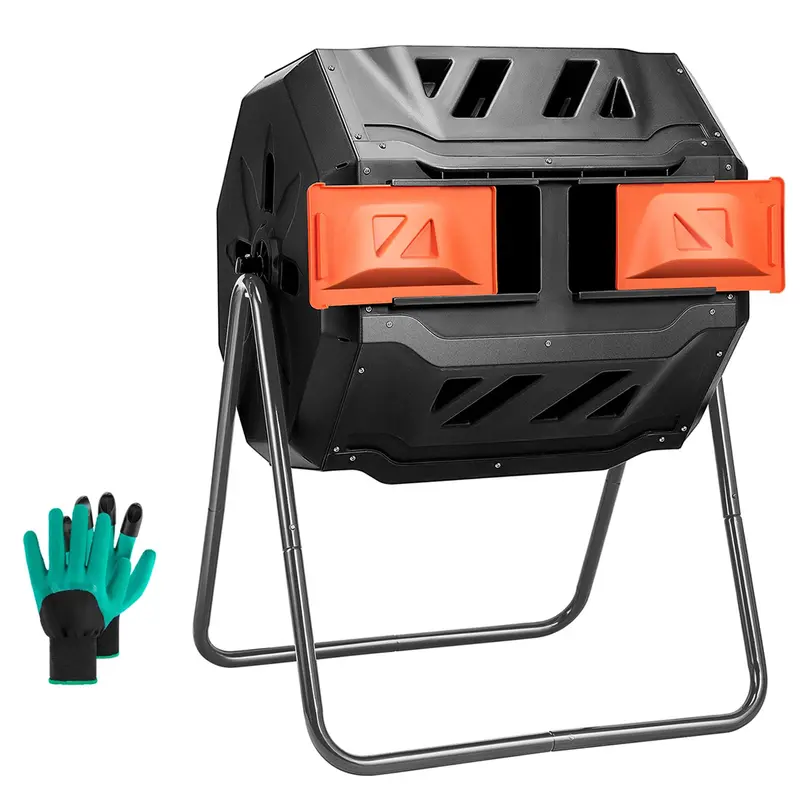
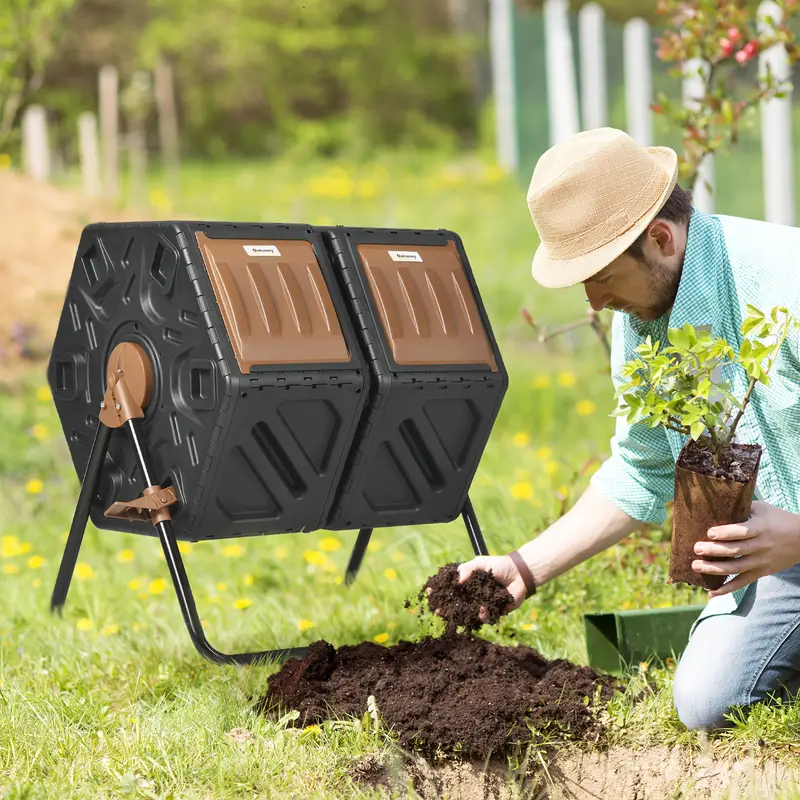
One prevalent option is the compost tumbler, which features a closed container on a rotating axis. This design allows easy mixing of compost material, ensuring that aeration occurs more efficiently. Tumblers are ideal for those who seek a faster composting process, as they can produce mature compost in as little as two to four weeks. They are also less likely to attract pests, making them a popular choice for urban gardeners.
Stationary compost bins are another common type, usually made of wood or plastic, and are designed to hold compost in a fixed location. These bins can be open or enclosed and are suitable for larger quantities of compost material. They allow for natural decomposition, requiring more time but providing larger amounts of finished compost for gardeners with space and patience.
Worm bins, or vermicomposting systems, utilize red wigglers to break down organic waste. This method is particularly suitable for those with limited outdoor space, as it can be done indoors. Worm bins produce nutrient-rich castings that serve as an excellent fertilizer for plants, thus enhancing sustainable home gardening practices.
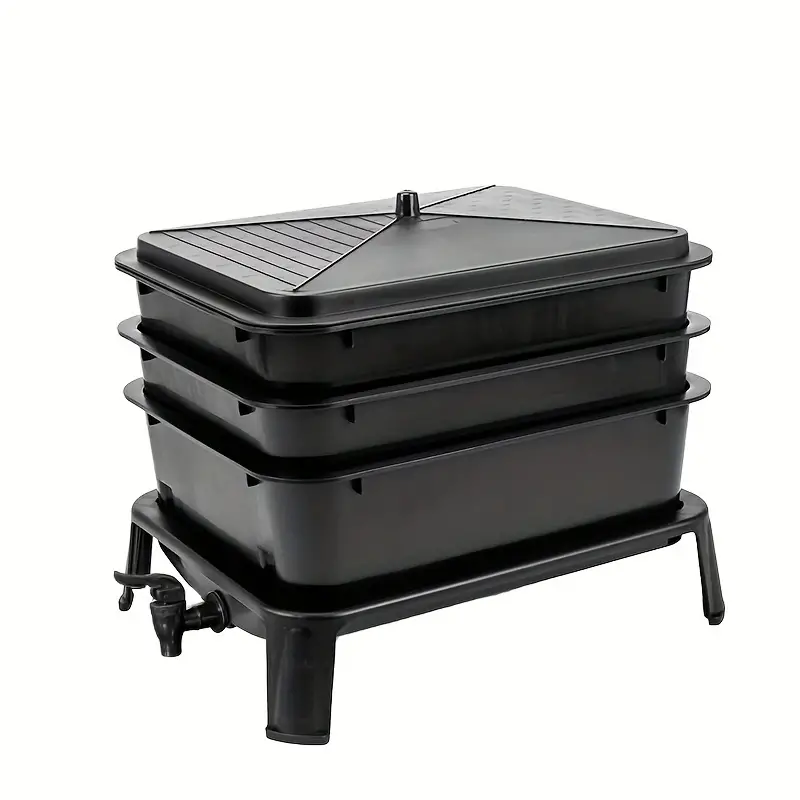
Lastly, Bokashi systems offer an innovative composting approach using fermentation to break down food waste. This method requires minimal space and works well for those who wish to compost kitchen scraps, including meat and dairy products, that traditional composting systems cannot handle. Bokashi can also be used as a pre-treatment before introducing waste into a conventional compost bin.
Overall, each type of compost bin presents unique benefits and is designed to meet various composting needs. By considering the functions and suitability of each option, gardeners can make informed decisions to further their sustainable gardening practices.
Key Features to Consider When Choosing a Compost Bin
When selecting a compost bin, several essential features must be taken into account to ensure effective composting and a seamless gardening experience. One of the primary considerations is the size of the compost bin. The volume of organic waste produced at your home will significantly influence the necessary bin capacity. A bin that is too small will require frequent emptying, while an excessively large one may become difficult to manage. It is vital to assess your gardening space and waste output to find a balance that accommodates both needs.
Another critical aspect lies in the material of the compost bin. Compost bins are typically made from plastic, metal, or wood, each with its own benefits. Plastic bins are lightweight and often come with ventilation holes, promoting airflow, which is crucial for efficient composting. Metal bins, on the other hand, are durable and resistant to pests, while wooden bins offer a more natural look and can fit into garden aesthetics. The choice of material ultimately affects longevity and maintenance requirements.
Airflow is also a key factor in the composting process. Proper aeration helps to accelerate decomposition, so choosing a bin design that allows for adequate airflow is essential. Look for bins with holes or slats that encourage air circulation, promoting a healthy composting environment.
Lastly, drainage is another fundamental feature that often gets overlooked. Proper drainage prevents excess moisture build-up, which can lead to odor issues or slow composting. Select a bin with a drainage system or consider placing it on a well-draining surface to enhance moisture control. By prioritizing these features—size, material, airflow, ease of use, and drainage—you can choose a compost bin that aligns with your lifestyle and gardening ambitions.
Budget-Friendly Compost Options
Choosing a compost bin that aligns with budget constraints while maintaining quality is essential for sustainable home gardening. Here, we present a selection of cost-effective compost bins available on Temu that cater to various needs and preferences.
One of the most popular options is the Tumbling Composter. This bin features a dual-chamber design, allowing users to fill one side while the other side efficiently decomposes. Key features include a sturdy construction, ease of use, and quick aeration.
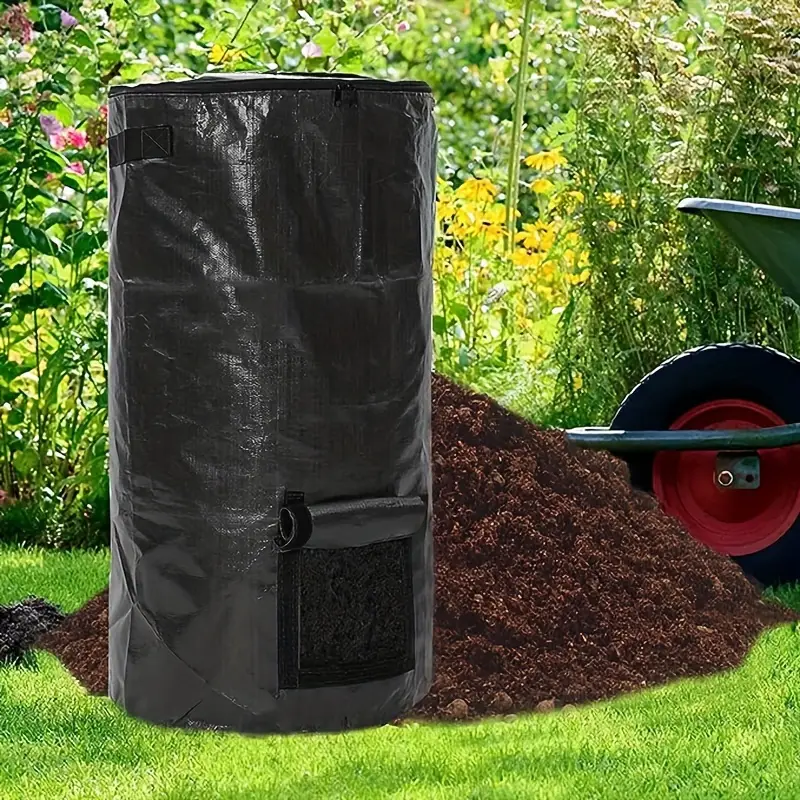
Another great choice is the Plastic Compost Bin. This bin is known for its lightweight design and easy assembly. It provides excellent ventilation and is crafted from recycled materials, contributing to eco-friendliness. Its affordability and durability make it a perfect option for budget-conscious gardeners. The downside here is that the composting process may take longer, which could deter some users seeking rapid results.
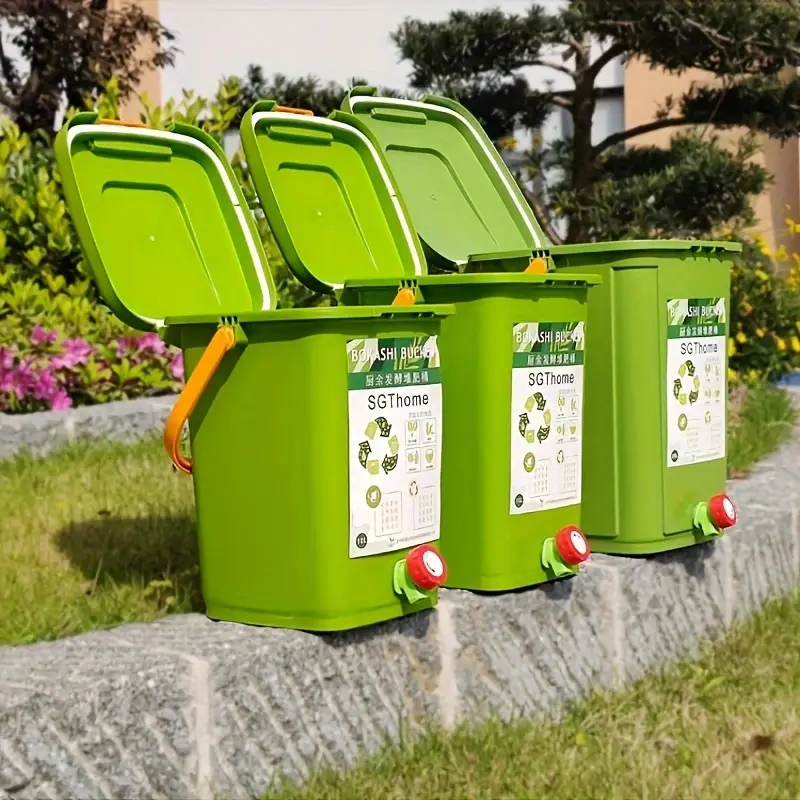
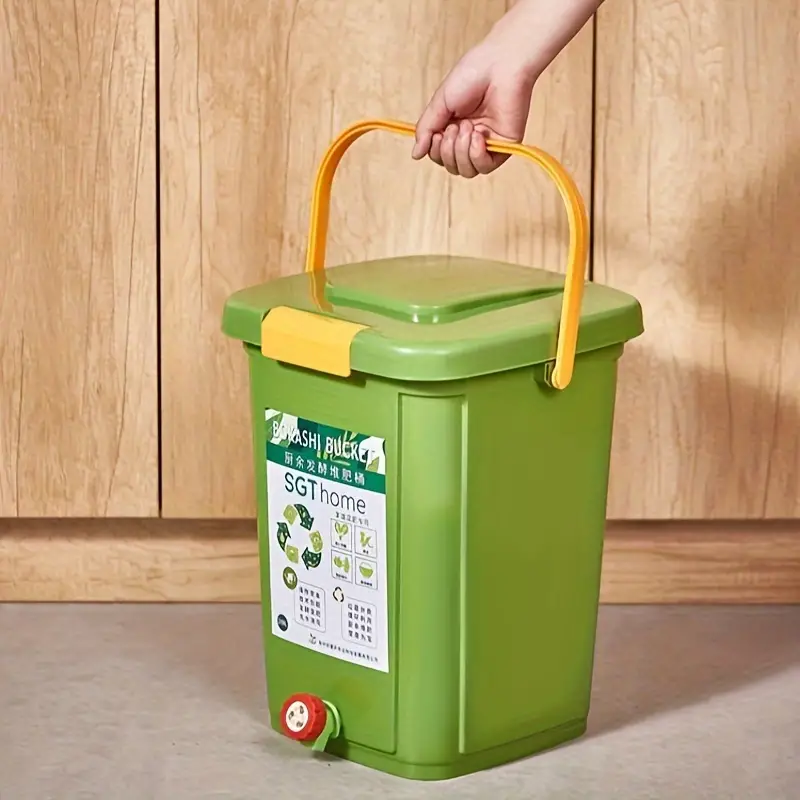
For those with limited outdoor space, the Kitchen Compost Collector is an excellent investment. This compact bin can be kept in the kitchen for easy access, allowing users to collect scraps readily. This bin typically comes with a filter to manage odor, making it ideal for urban living. While its capacity may be low compared to larger compost bins, it effectively encourages users to compost regularly without overwhelming them.
In conclusion, selecting a budget-friendly compost bin need not involve sacrificing quality or efficiency. By carefully considering options like Tumbling Composters, Plastic Compost Bins, and Kitchen Compost Collectors from Temu, gardeners can find practical solutions that fit their financial needs while promoting sustainable practices effectively.
Smart Gardening Tools to Pair with Your Compost Bin
To create a truly sustainable gardening experience, combining a high-quality compost bin with smart gardening tools can significantly enhance efficiency and productivity. Several essential tools complement compost bins by promoting healthier soil, effective plant care, and streamlined gardening practices. Below are some noteworthy options available on Temu.
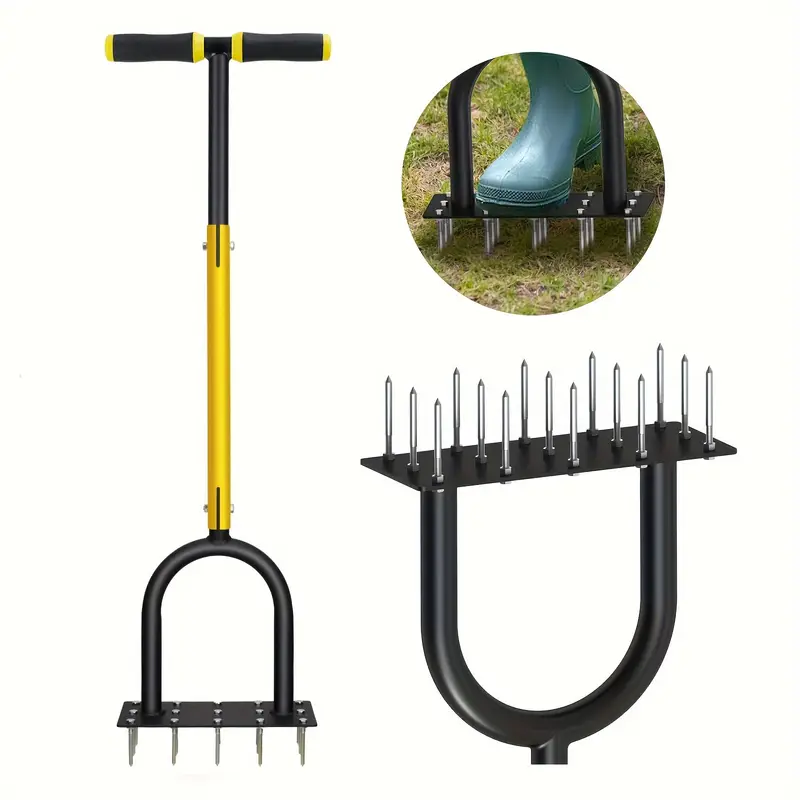
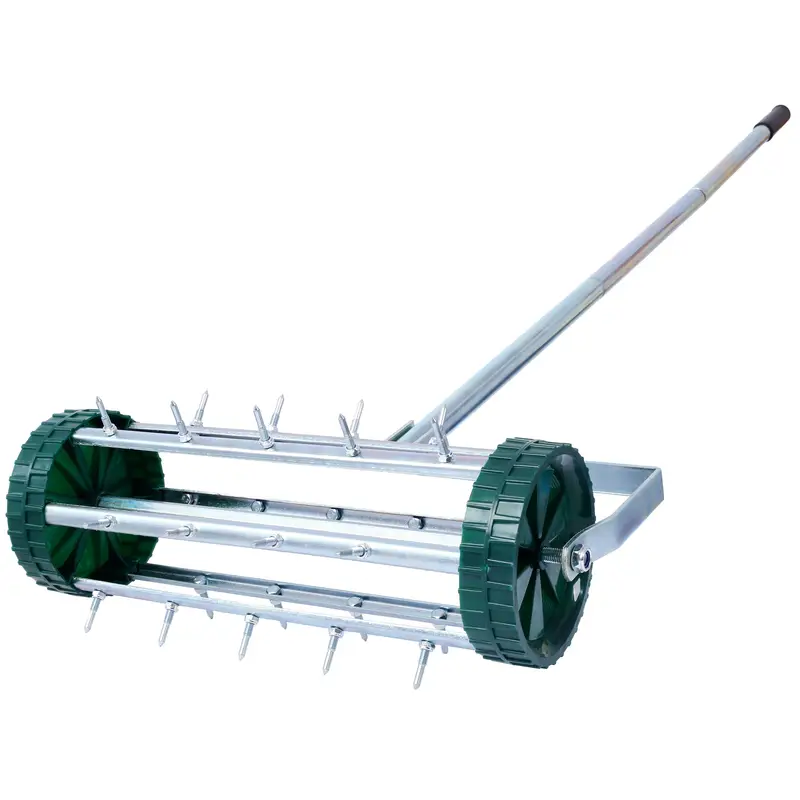
- First, consider a garden aerator. This tool is designed to perforate the soil, allowing for better air and nutrient circulation. Key features include sharp tines that penetrate tough soil and ergonomic handles for comfortable use. Pros include improved soil health and reduced compaction; however, the main con can be the physical effort required for manual aeration. Prices typically range from $25 to $50, making it a worthwhile investment for any serious gardener.
- Next, a soil moisture meter is an indispensable tool in maintaining optimal hydration levels for plants. This device offers real-time feedback on soil moisture, ensuring that you water only when necessary. With features like digital displays and multiple depth probes, these meters can range from $15 to $40. The advantage lies in preventing overwatering, but the downside might include the need for batteries that require replacement over time.
- Additionally, consider investing in composting gloves. These are specially designed to protect hands from odors and decomposing matter while working with organic materials. Premium gloves often feature reinforced fingertips and breathable fabrics. Prices can range from $10 to $30. They enhance comfort and hygiene but can hinder dexterity if too thick.
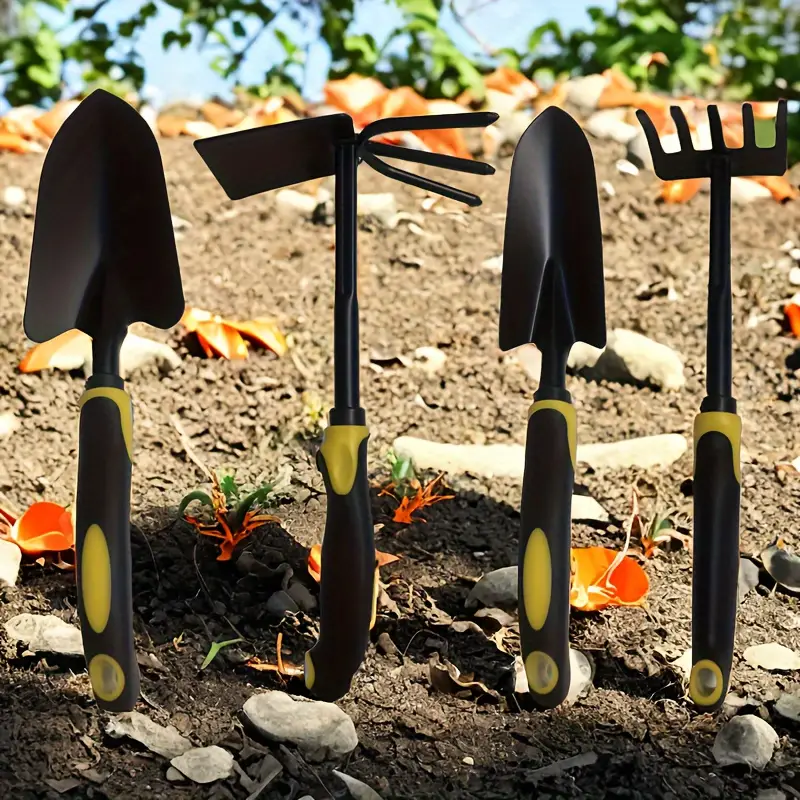
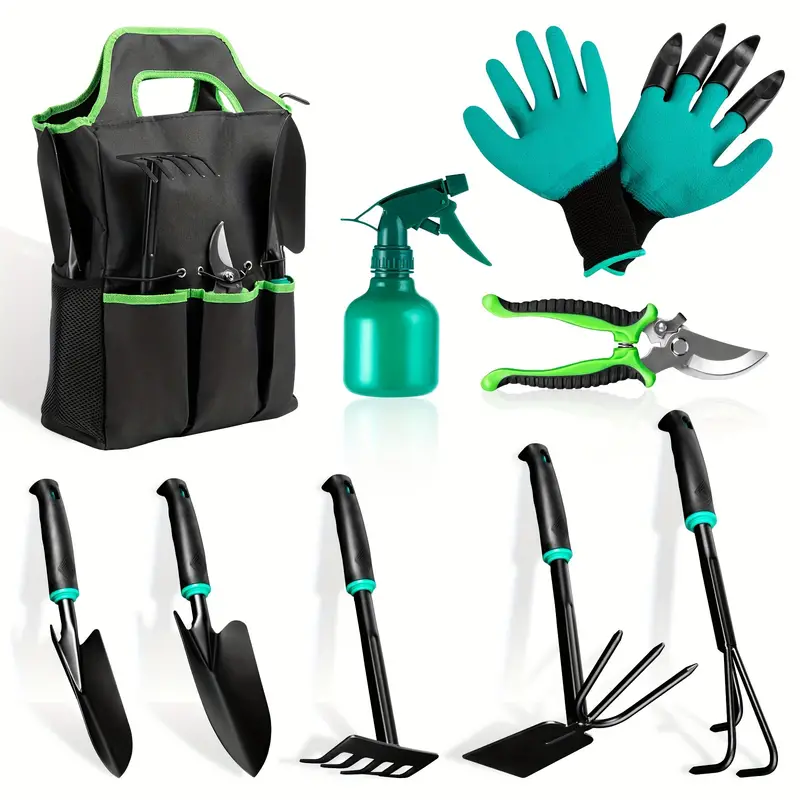
- Finally, garden trowels are essential for soil cultivation and planting. Look for models with stainless steel blades and comfortable grips. Prices generally vary from $10 to $25. The pro is their versatility, but inexpensive versions may not hold up to frequent use. Integrating these smart gardening tools with your compost bin will not only streamline your gardening efforts but also foster a more sustainable approach to home gardening.
How to Start Composting: A Step-by-Step Guide
To initiate the process, the first step is to select an appropriate compost bin.
- Next, consider the materials you will add to your compost bin. A successful compost mix consists of a balance between “greens” and “browns.” Greens include nitrogen-rich materials such as fruit scraps, vegetable peels, and coffee grounds, while browns consist of carbon-rich items like dried leaves, straw, and cardboard. It is essential to maintain a ratio of about 2:1 browns to greens to ensure efficient decomposition.
Avoid adding meat, dairy, and greasy foods, as they attract pests and disrupt the composting process.
To further optimize the composting process, keep an eye on moisture levels. The compost pile should be damp but not soggy; if it becomes too dry, the decomposition will slow down.
- As compost matures, it evolves into a rich, dark, crumbly soil called humus. This nutrient-rich substance can be used to enrich your garden. It’s important to regularly check the compost bin, adding new materials as they become available and maintaining a balanced, moist mixture. With consistent attention and care, you can create your own compost, fostering a sustainable gardening method that benefits both your garden and the environment at large.
Common Composting Mistakes and How to Avoid Them
When materials are compressed, airflow diminishes, leading to anaerobic conditions that can produce foul odors and slow down the composting process. To avoid this, ensure that the materials are well-mixed and utilize a pitchfork or garden fork to aerate the pile regularly.
Neglecting to turn the compost pile frequently is a common oversight, which can also impede the composting process. By turning the pile every few weeks, you provide essential oxygen to the microorganisms responsible for decomposition, promoting faster breakdown, water as necessary.
Recognizing these frequent mistakes will help gardeners cultivate a more successful composting experience. With proper aeration, material selection, and regular maintenance, creating a sustainable compost pile will become a rewarding aspect of home gardening.
Conclusion: Embrace Composting for a Sustainable Future
Incorporating composting into your home gardening routine is a crucial step towards achieving a sustainable lifestyle. By transforming kitchen scraps and yard waste into nutrient-rich compost, you enrich your soil naturally, promoting plant health without the need for chemical fertilizers. As we’ve discussed, investing in a quality compost bin not only facilitates this process; but also encourages an eco-friendly mindset that resonates with the principles of sustainable living.
Composting effectively reduces landfill waste, thereby lowering greenhouse gas emissions associated with organic material decomposition. The use of compost enhances soil structure, increases moisture retention, and supports biodiversity in your garden, leading to more resilient plants. Furthermore, utilizing compost contributes to a circular economy, where your household waste contributes positively to your food growth cycle. This not only saves you money on fertilizers but also enhances the growth of organic produce in your home garden.
As you consider the best compost bins suitable for your garden, take note of your space and needs. Whether you choose a tumbling compost bin for faster results or a stationary composter for larger quantities, the benefits of composting are undeniable. For those committed to sustainable gardening practices, adding smart gardening tools can further augment your efforts. These tools help fine-tune your gardening strategy and ensure optimal growth for your plants while minimizing resource usage.
Ultimately, making the switch to composting is a decision that benefits not just your garden but also the planet.
Conclusion: Embrace Composting for a Sustainable Future
Incorporating composting into your home gardening routine is a crucial step towards achieving a sustainable lifestyle. By transforming kitchen scraps and yard waste into nutrient-rich compost, you enrich your soil naturally, promoting plant health without the need for chemical fertilizers. As we’ve discussed, investing in a quality compost bin not only facilitates this process; but also encourages an eco-friendly mindset that resonates with the principles of sustainable living.
Composting effectively reduces landfill waste, thereby lowering greenhouse gas emissions associated with organic material decomposition. The use of compost enhances soil structure, increases moisture retention, and supports biodiversity in your garden, leading to more resilient plants. Furthermore, utilizing compost contributes to a circular economy, where your household waste contributes positively to your food growth cycle. This not only saves you money on fertilizers but also enhances the growth of organic produce in your home garden.
Ultimately, making the switch to composting is a decision that benefits not just your garden but also the planet. By embracing this practice, you become part of a larger movement towards sustainability. Therefore, take the leap, invest in a compost bin, and watch how your gardening journey flourishes in harmony with nature.