
Introduction to Smart Homes
Smart homes represent a transformative evolution in how we interact with our living spaces, utilizing advanced technology to enhance both convenience and security. At its core, a smart home integrates various devices and systems, allowing homeowners to control elements such as lighting, heating, and security remotely, often through a central hub or smartphone application. The rise of the Internet of Things (IoT) has significantly contributed to the proliferation of smart home devices, fostering a more interconnected lifestyle.
The concept of smart homes can be traced back several decades, with early implementations focusing primarily on automation and control systems. However, over the years, advancements in wireless communication, artificial intelligence, and user interface design have significantly enriched the capabilities of smart technology. Today, smart homes offer seamless integration of various devices, from smart thermostats and lighting systems to security cameras and voice-activated assistants, creating an ecosystem that enhances daily living.
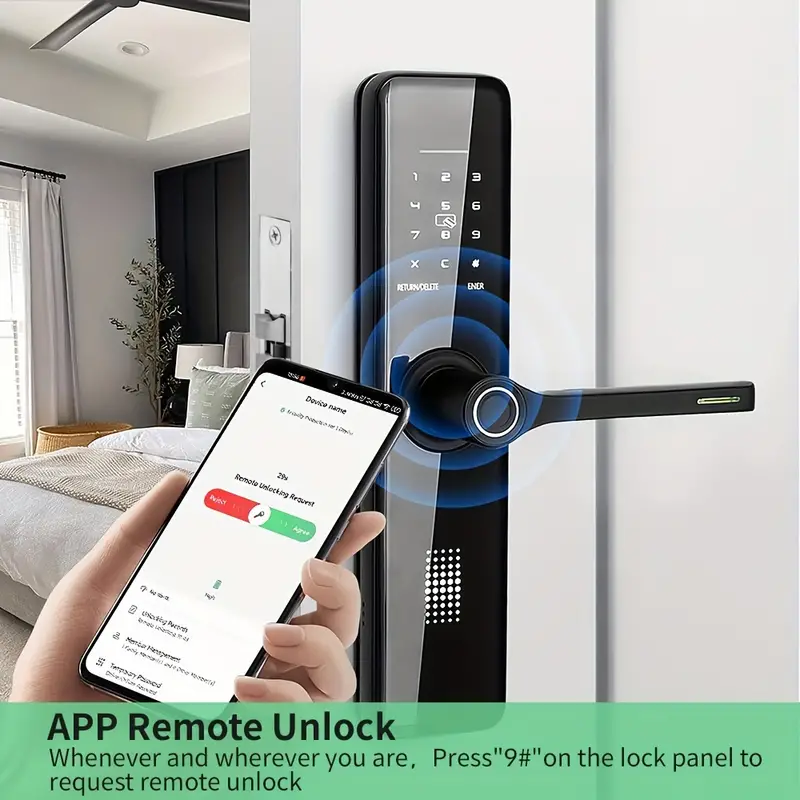
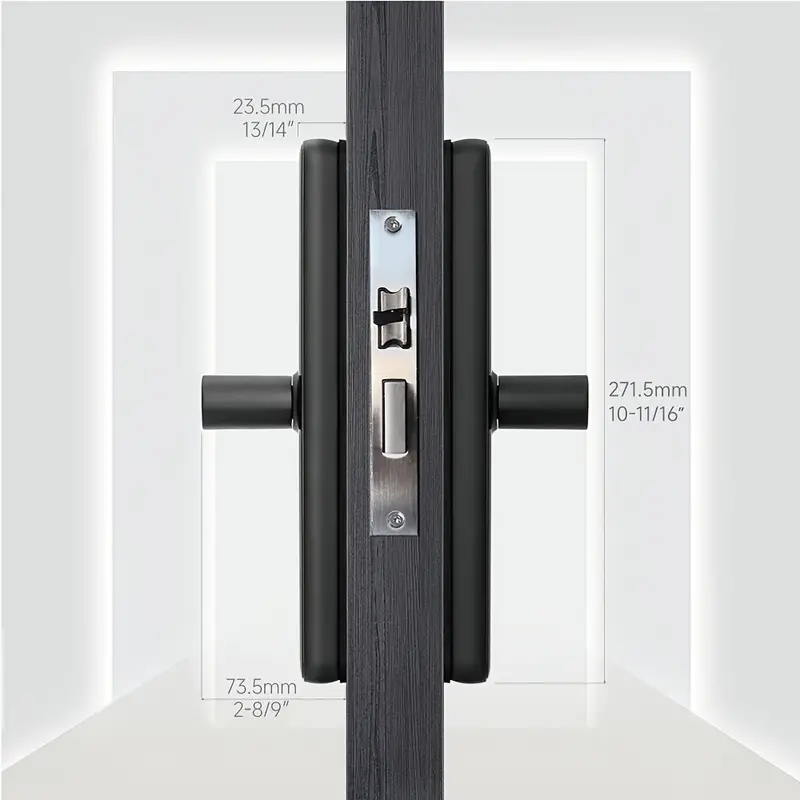
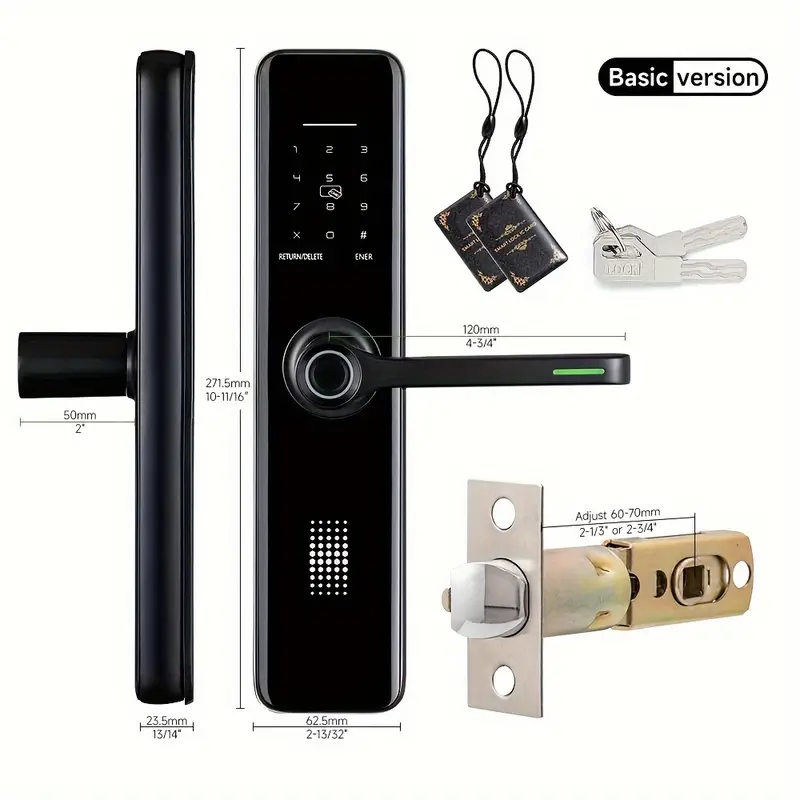
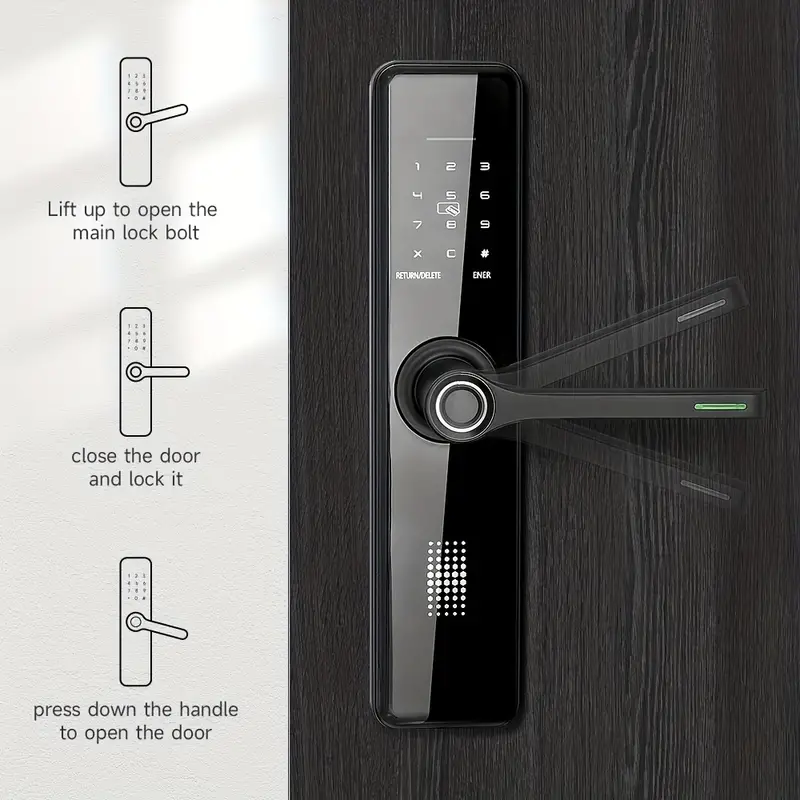
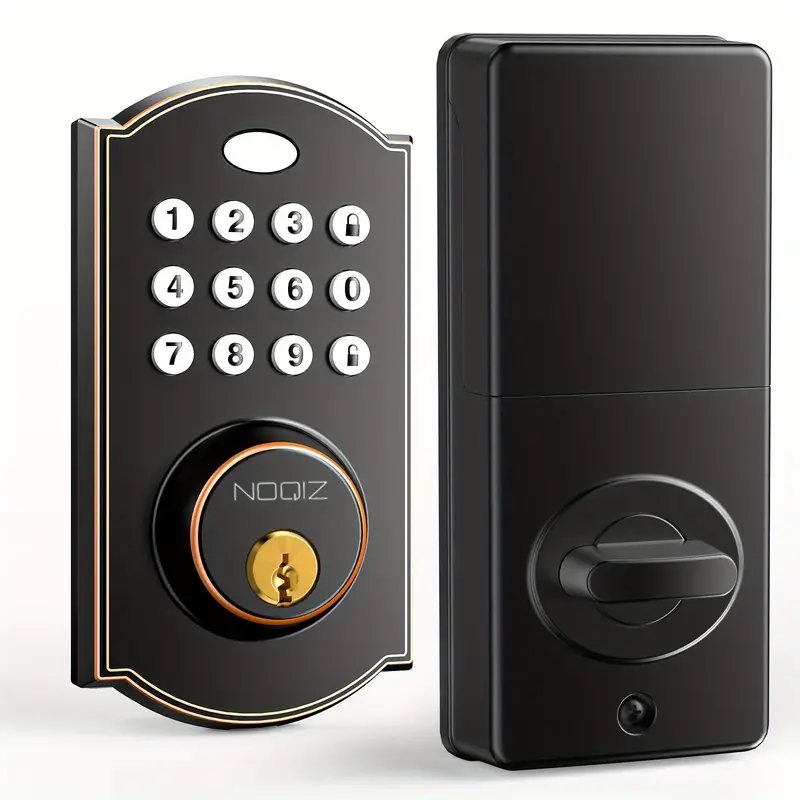
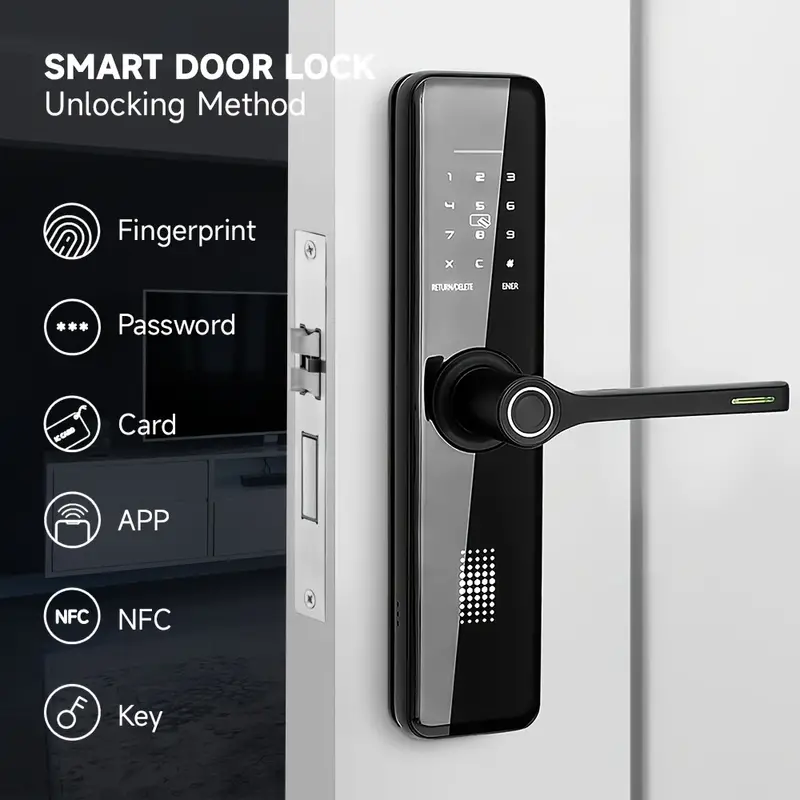
One of the most notable benefits of smart home technology is increased convenience. Homeowners can easily adjust their home environments through voice commands or mobile apps, reducing the need for manual tasks. Furthermore, smart devices often provide significant energy efficiency, as they can optimize energy use based on real-time data, leading to lower utility bills. Enhanced security features, such as smart locks and surveillance cameras, provide peace of mind by allowing homeowners to monitor their properties remotely, receiving alerts in case of unusual activity.
As we look towards 2025, the landscape of smart homes is expected to expand further, with innovations that continue to improve the way we live. This overview serves as a precursor to exploring specific smart devices that are anticipated to play vital roles in enhancing the future of home automation and security.
Key Trends in Smart Home Technology for 2025
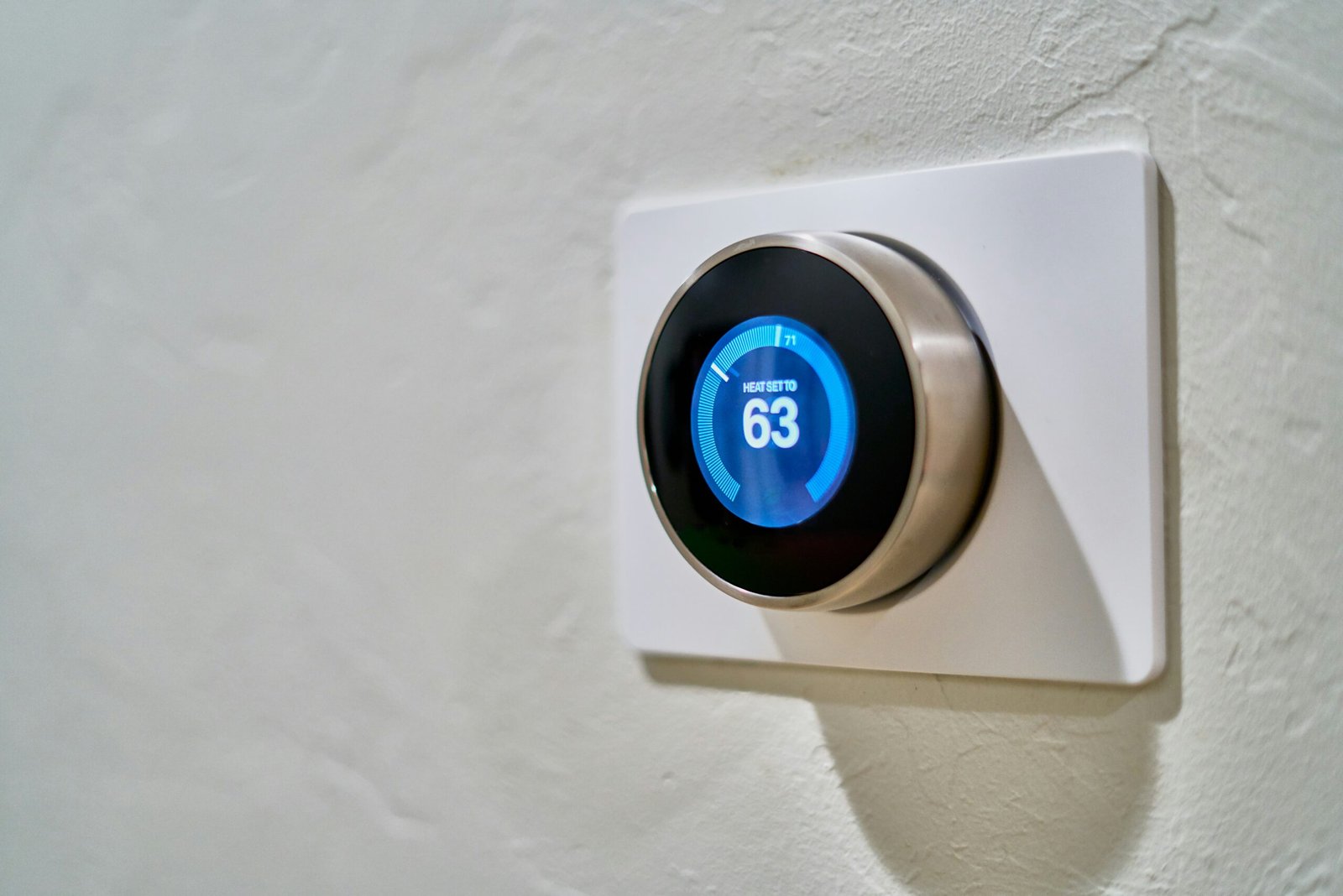
The realm of smart home technology is witnessing remarkable advancements that are set to redefine consumer experiences in 2025. One of the most significant trends is the integration of artificial intelligence (AI) into smart devices. AI enhances device functionality by enabling them to learn from user behavior, making it possible for devices to anticipate needs and adapt accordingly. For example, smart thermostats can adjust temperatures based on individual routines, promoting both comfort and energy efficiency.
Another critical trend is the enhancement of Internet of Things (IoT) connectivity. Seamless integration of multiple smart devices allows users to control them through a unified platform, creating a more cohesive smart home ecosystem. This trend not only simplifies the user experience but also increases the interoperability of devices from different manufacturers. Consumers are increasingly looking for smart home systems that can integrate varied devices, ensuring enhanced convenience and a richer user experience.
Energy management systems are also gaining traction, as more homeowners become conscious of their energy consumption. Innovative smart devices that monitor and optimize energy use are essential to creating sustainable living environments. These smart solutions encourage responsible energy use and can help reduce utility costs, resonating well with an increasingly eco-conscious consumer base. As sustainability becomes a central focus, the demand for eco-friendly smart devices continues to rise, leading manufacturers to prioritize energy-efficient features in their offerings.
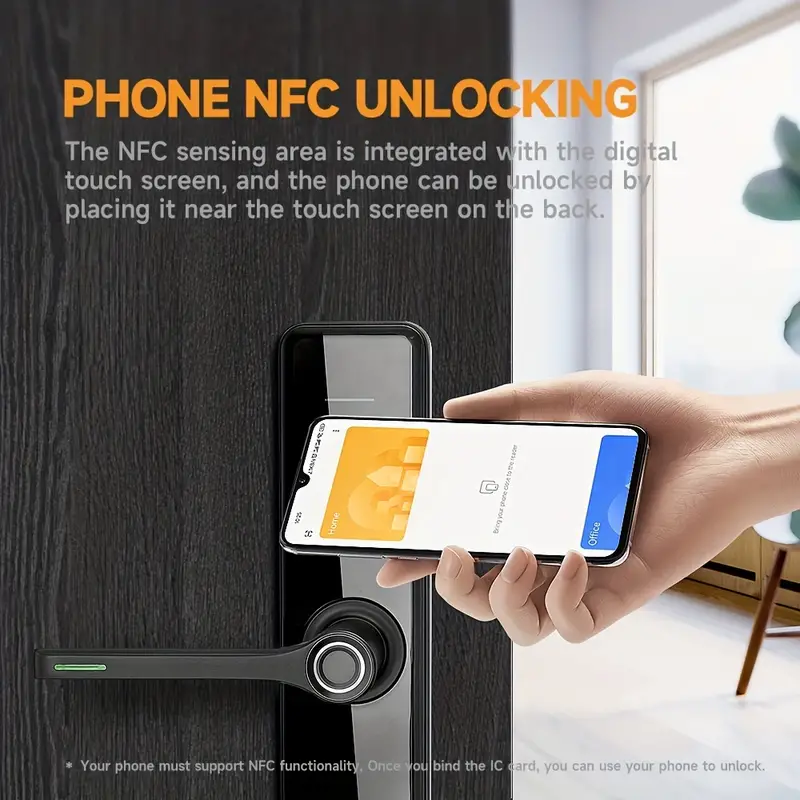
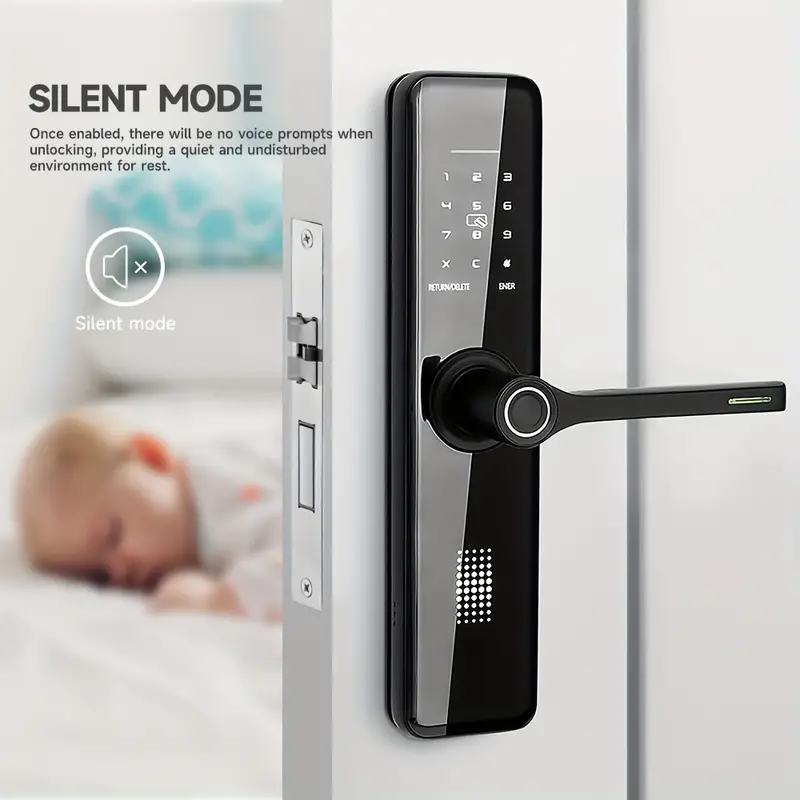
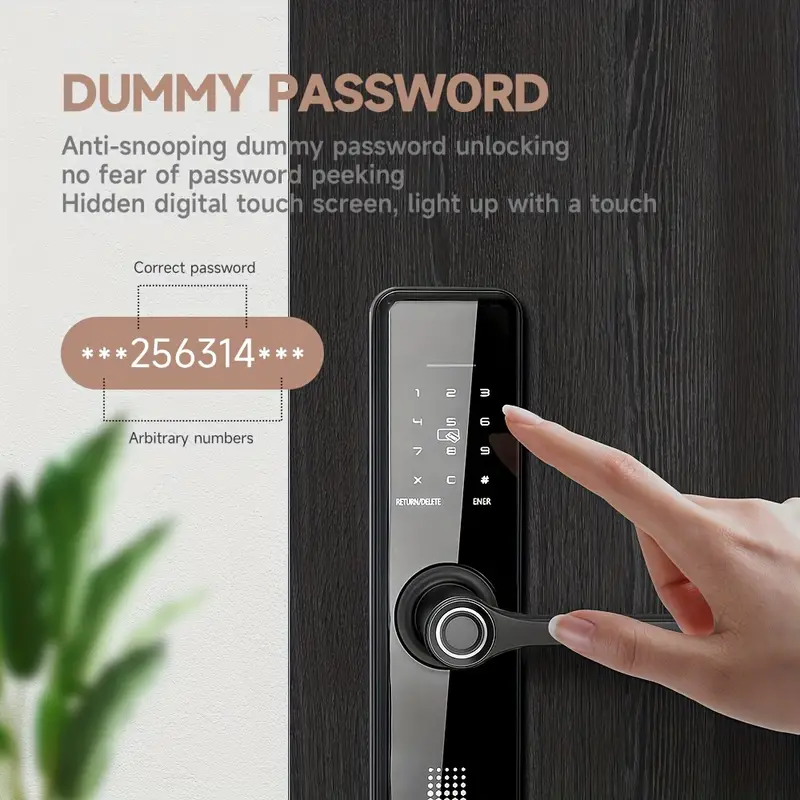
Additionally, with the rapid evolution of smart home technology, consumers are showing a preference for devices that offer advanced security features. Enhanced surveillance systems, smart locks, and motion detectors are becoming more popular, as homeowners aim to protect their properties from potential threats. In combination, these trends signal a shift towards smarter, more sustainable, and secure home environments that cater to the evolving needs and preferences of consumers.
Top Smart Home Devices to Watch in 2025
As technology advances, smart home devices continue to evolve, offering enhanced convenience, security, and energy efficiency. In 2025, several key devices are expected to play a significant role in creating a connected and efficient home environment. Below are some top smart home devices to consider incorporating into your lifestyle.
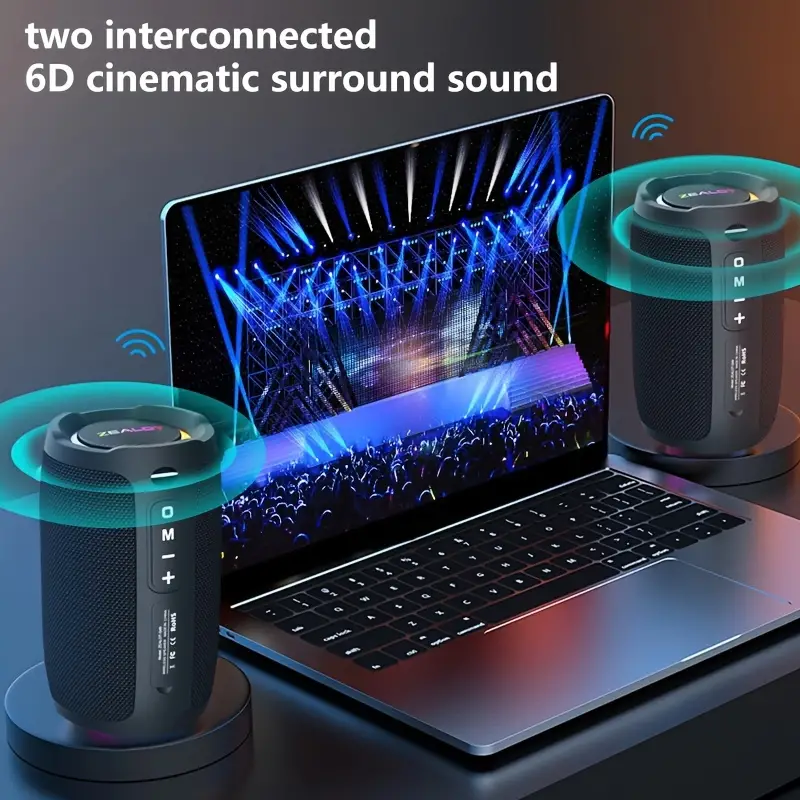
- Smart speakers, such as the latest models from Temu. Best Wireless Speakers 2024, ZEALOT S49 10W Wireless Speakers, Outdoor Portable Subwoofer Speaker, Wireless Speaker, Dual Pairing, 3600mAh Battery, Boombox, Party Box, 12 Hours Playtime Loud Stereo, Booming Bass. Charging Cable And Aux Cable, Connect With Mobile Phone/Tablet/TV. For Home, Car, Outdoor, Camping. 4.8*****


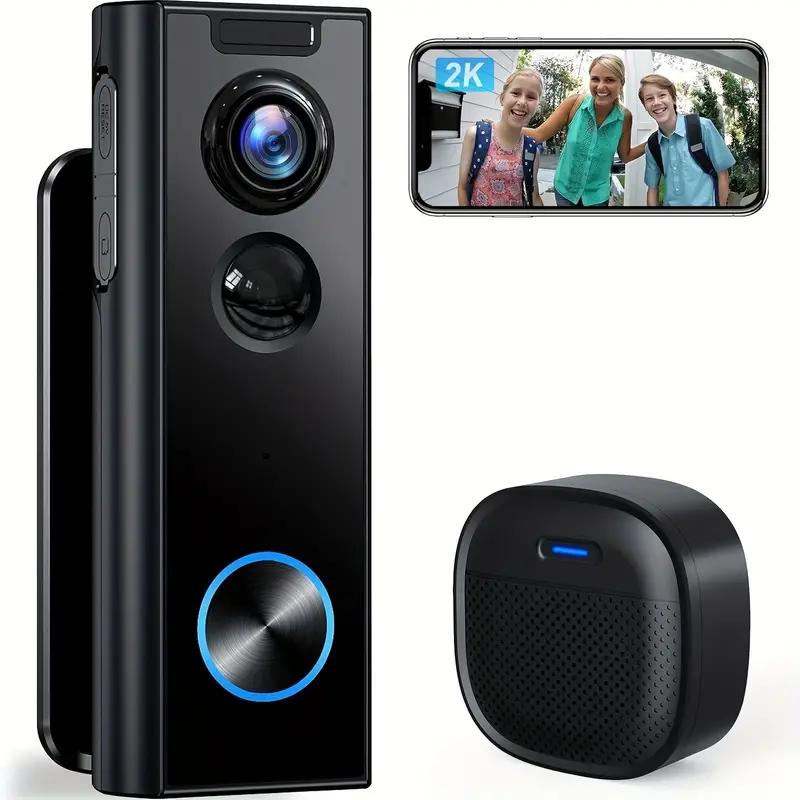
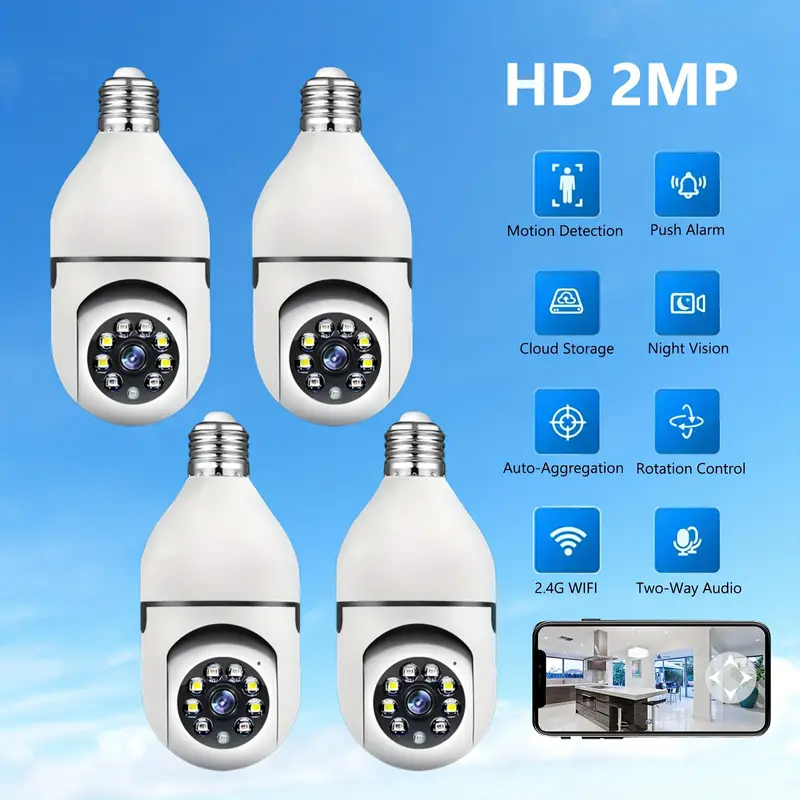
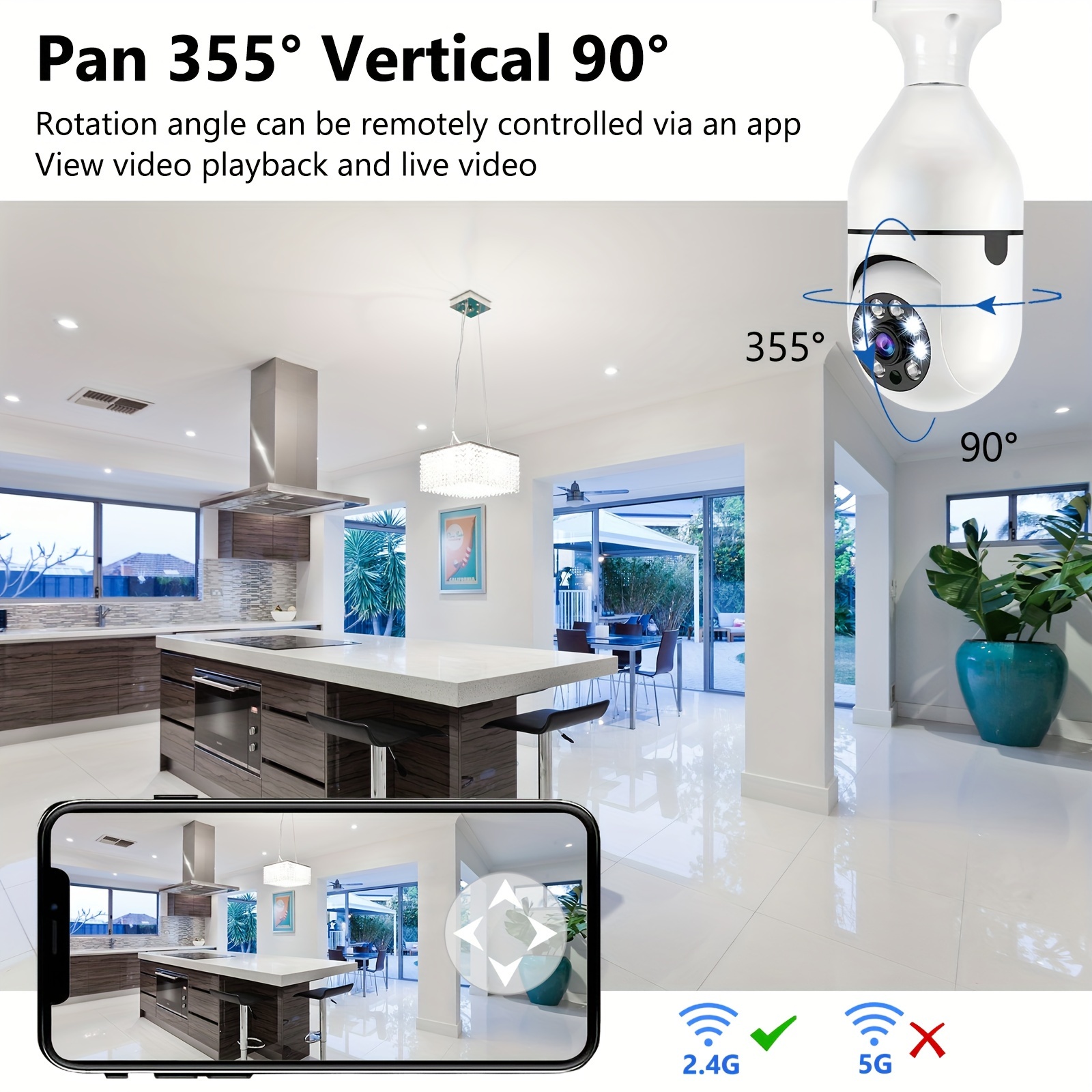
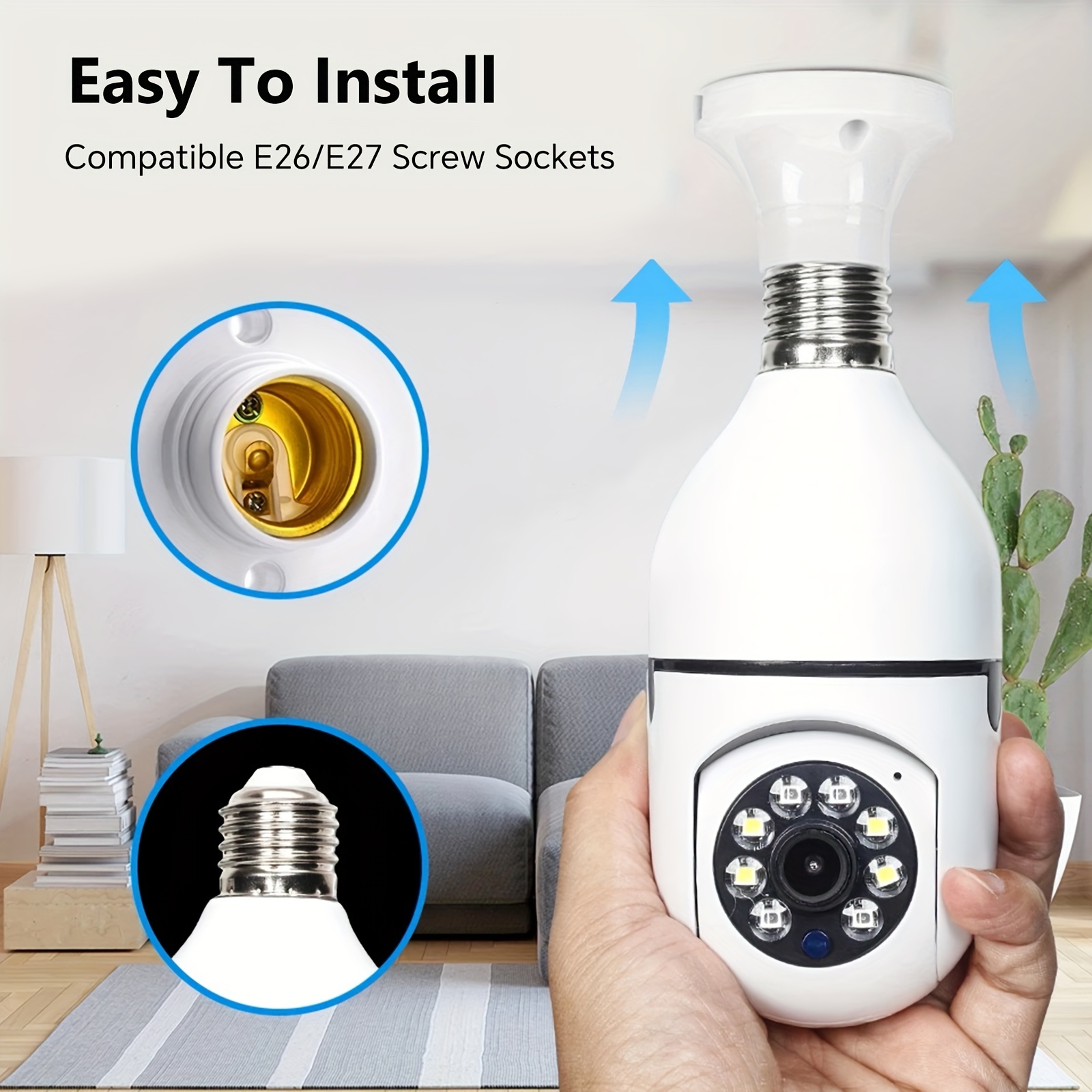
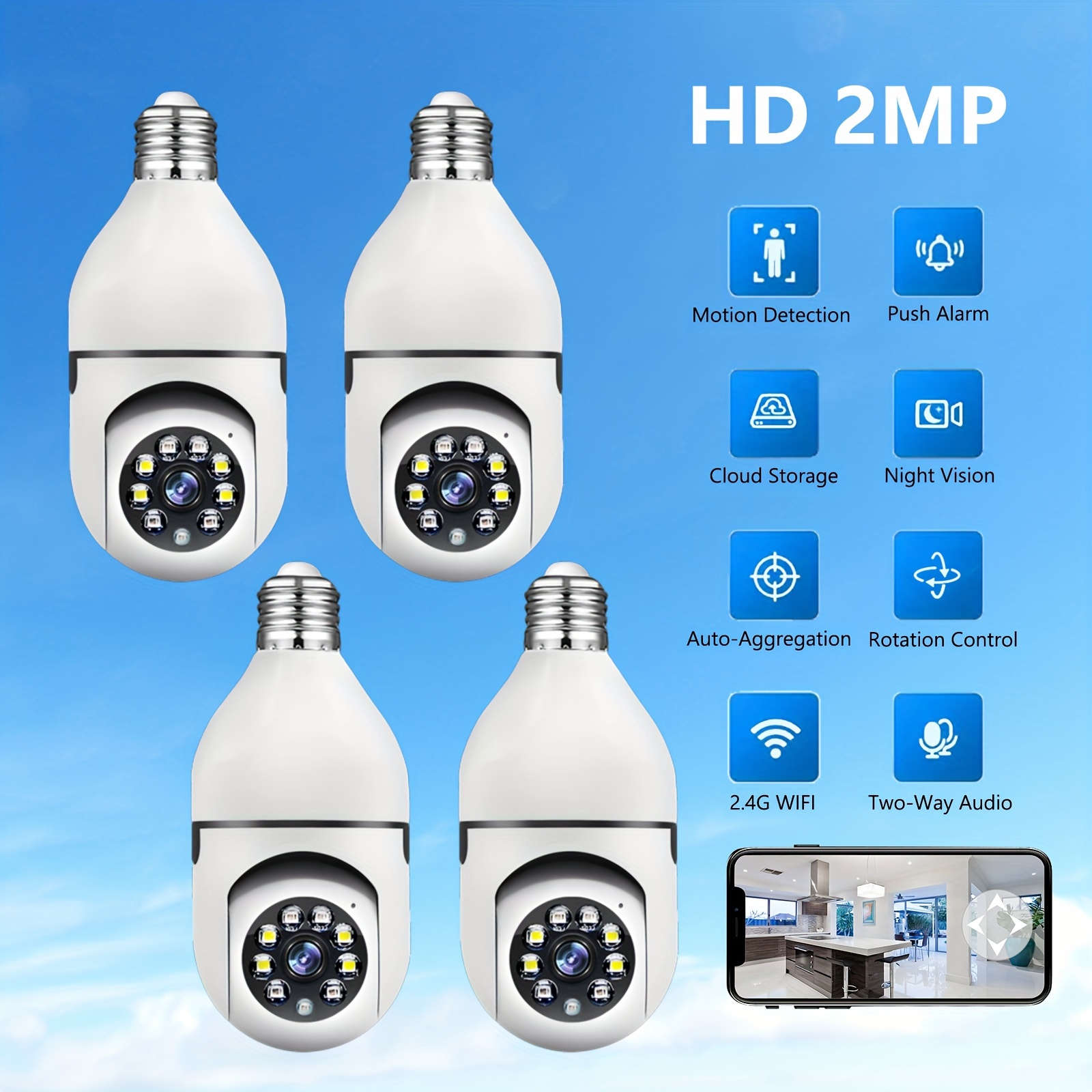
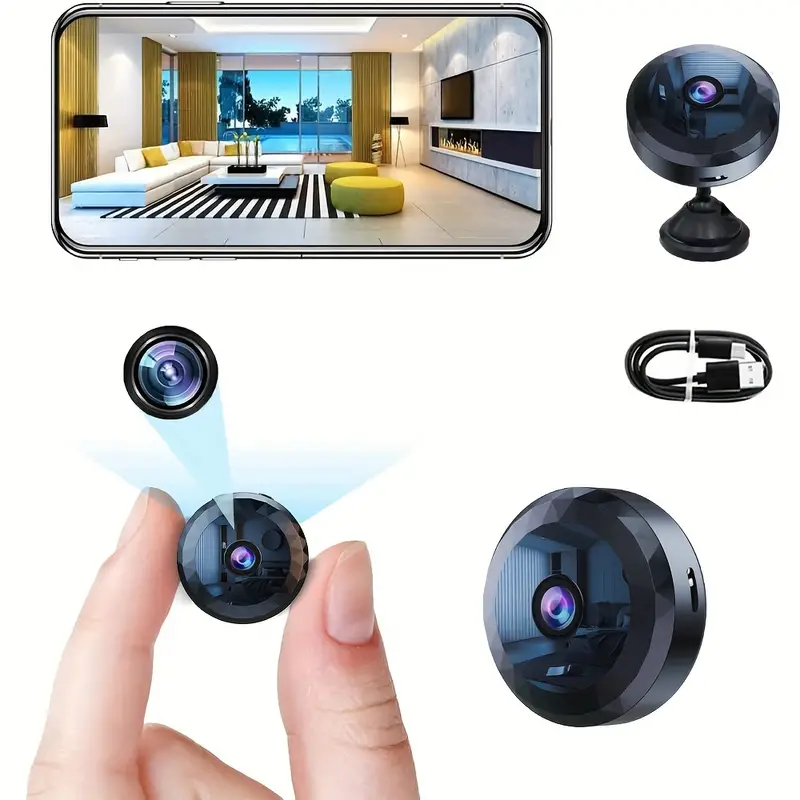
- Security is paramount, and advanced smart security cameras are anticipated to offer enhanced features. Look for models that provide high-definition video, night vision, and smart alerts that integrate seamlessly with your smartphone. Some even offer facial recognition technology, ensuring that only recognized individuals can gain access to your home. These features not only bolster security but also provide homeowners with peace of mind.
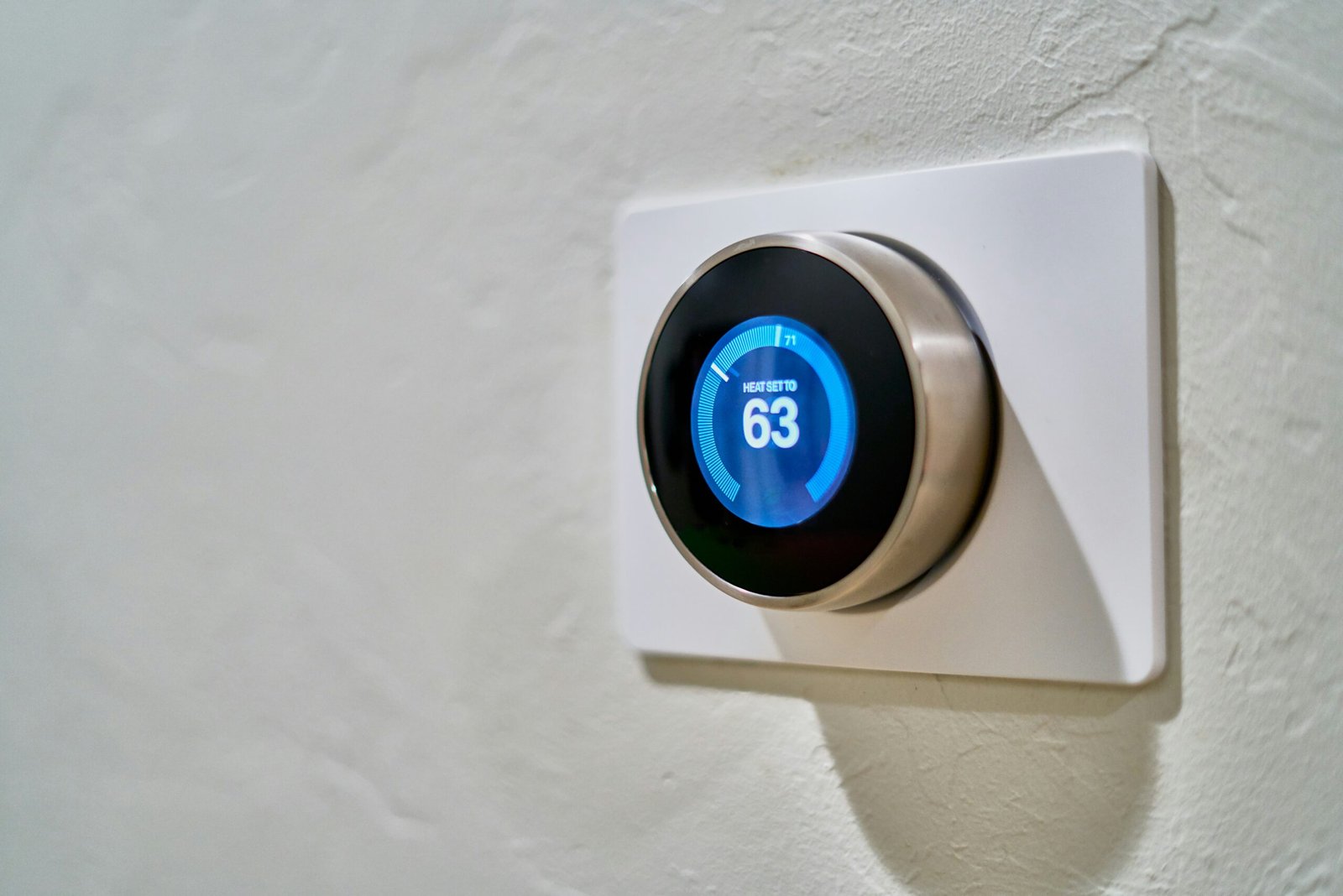
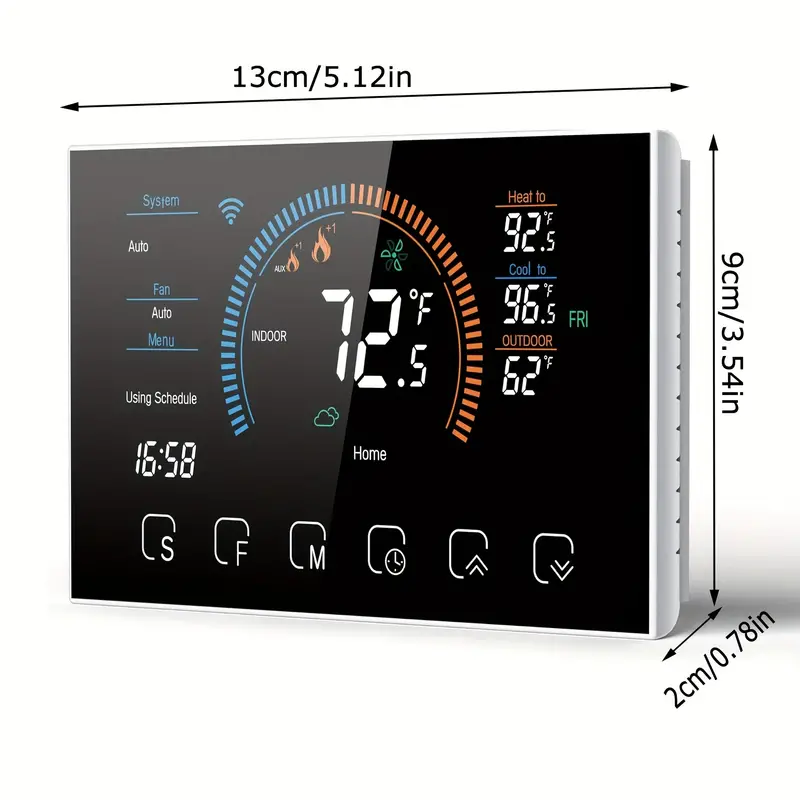
- Smart thermostats will continue to lead the market in energy management. Devices like the Nest Learning Thermostat and Ecobee SmartThermostat allow users to optimize their heating and cooling systems based on their habits, resulting in significant energy savings. Many models are compatible with multiple voice assistants, giving users flexibility in how they manage temperature settings.
- Home automation systems such as Samsung SmartThings and Apple HomeKit are expected to become more user-friendly, centralizing control over various smart devices. These platforms enable seamless interaction among different devices, enhancing the interconnectedness of your smart home. With customizable routines and security features, they cater to various lifestyles and budgets.
‘When choosing the appropriate devices, it’s crucial to take into account individual tastes and the requirements of the household. Given the vast selection available, homeowners can readily identify smart devices that not only complement their lifestyle but also enhance the efficiency and security of their home.‘
Conclusion: Preparing for the Smart Home of the Future
As we look ahead towards 2025, it is evident that the landscape of smart homes is evolving rapidly, making it crucial for homeowners and enthusiasts alike to stay informed about the latest innovations in this sector. The integration of smart devices into our living spaces is no longer just a trend; it is becoming a necessity for a more efficient and automated lifestyle. From intelligent lighting systems that adjust according to our preferences to advanced security solutions that enhance the safety of our homes, the options available are myriad and compelling.
In the discussion of top devices, we noticed a clear shift towards greater interconnectivity and user-friendly interfaces. The emergence of voice-activated technology, for example, has revolutionized how we interact with our homes, making them more intuitive and responsive to our needs. Moreover, the emphasis on sustainability via energy-efficient devices underscores the increasing consciousness of environmental consequences and the necessity for more intelligent lifestyle decisions. These advancements not only streamline everyday activities but also aid in reducing expenses and improving energy oversight.
As you contemplate the integration of smart technology into your home, it is vital to consider which devices align with your lifestyle and goals. Each product is designed to provide convenience and improve daily life, but understanding their long-term benefits is essential for meaningful adoption. We encourage you to explore various options, assess your specific needs, and envision how a smart home can enhance your living experience.
We encourage you to contribute your perspectives on the evolution of smart homes in the comments section below. Which devices captivate you the most, and how do you envision them transforming your daily living? Participating in this dialogue is a crucial step in joining the smart home movement.