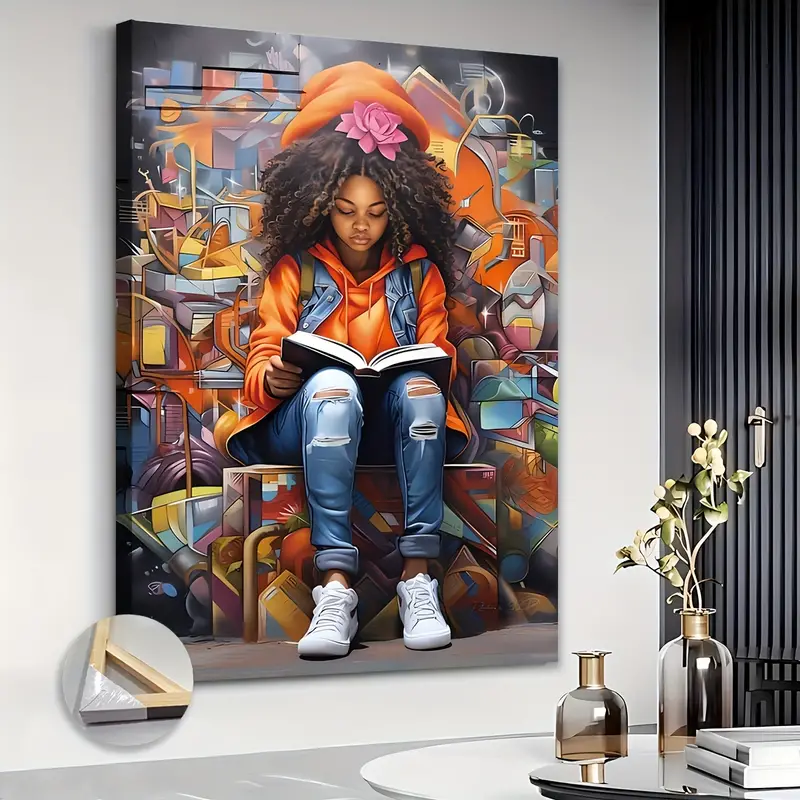

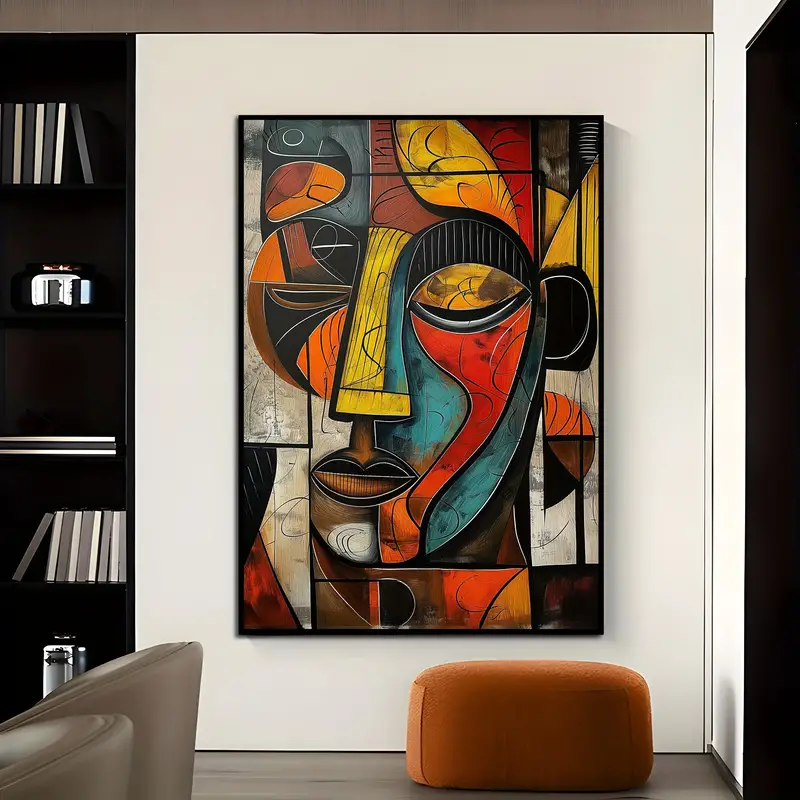
Introduction to Cultural and Eclectic Art
Cultural and eclectic art represents a captivating convergence of artistic traditions and influences drawn from diverse backgrounds. This unique art form reflects the rich tapestry of human expression, allowing artists to transcend geographical boundaries and create works that resonate on multiple levels. By weaving together various cultural elements, eclectic art emerges, highlighting the beauty found in diversity and fostering a dialogue among disparate artistic customs.
The significance of cultural art cannot be overstated. It serves as a mirror of society, capturing its complexities, values, and narratives. Each piece of art tells a story influenced by the historical, social, and political contexts in which it was created. As artists draw inspiration from a variety of sources—traditional motifs, contemporary trends, or indigenous practices—they cultivate a depth of meaning that invites viewers to engage with the artwork and explore its origins. This dynamic interplay encourages appreciation for artistic heritage while inspiring new interpretations.
Eclectic art, specifically, is characterized by its blending of styles, techniques, and concepts from different time periods and cultures. This amalgamation often leads to innovative and unexpected outcomes, pushing the boundaries of conventional art forms.
As we journey deeper into the world of cultural and eclectic art, we will uncover its historical roots, explore various styles, and examine its contemporary relevance. Through this exploration, readers will gain a broader understanding of how cultural influences shape artistic expressions in today’s diverse society, highlighting the significance of embracing multiple perspectives within the realm of creativity.
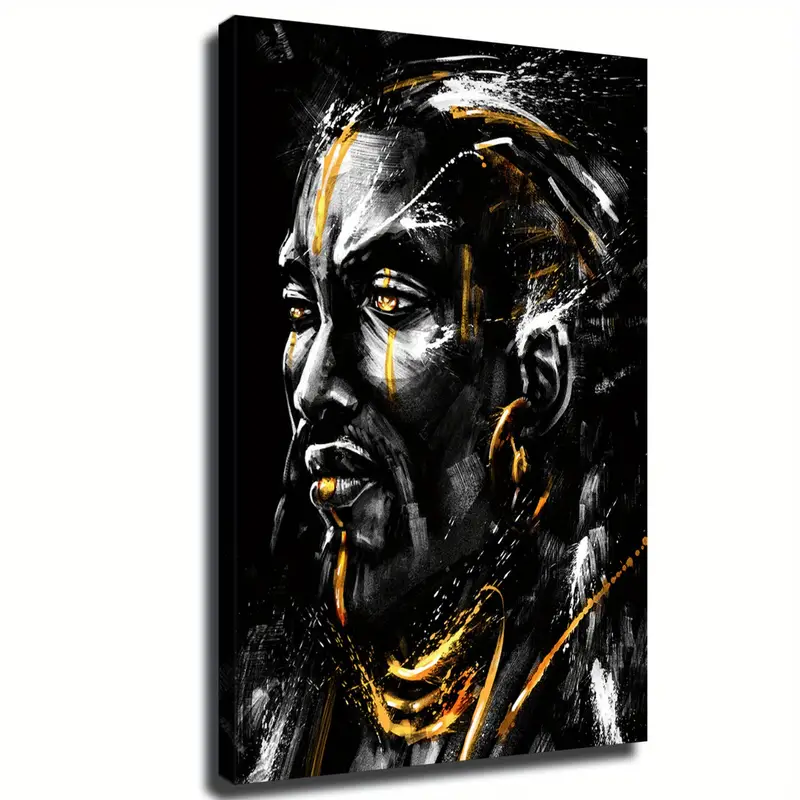
The Importance of Cultural Art in Society
Cultural art plays a pivotal role in society by fostering a sense of community and identity, acting as a powerful medium for cultural expression and understanding. Throughout history, cultural art has been instrumental in bridging gaps between different backgrounds, allowing individuals to explore experiences beyond their own. This exploration not only enriches personal perspectives but also cultivates empathy and dialogue, serving as a catalyst for social change.
Art movements rooted in cultural heritage have had significant historical and contemporary impacts. For instance, the Harlem Renaissance emerged in the early 20th century as a profound expression of African American culture and identity, highlighting issues of racial inequality and social justice. Artists such as Langston Hughes and Aaron Douglas used their works to communicate the struggles and triumphs of their community, leaving an indelible mark on American art and literature that continues to resonate today.
Similarly, the Chicano art movement, which gained momentum in the 1960s, sought to address social issues affecting Mexican Americans, such as immigration, identity, and civil rights. Through murals and other forms of artistic expression, notable artists like Judy Baca and Gilbert Luján vividly portrayed the rich cultural narratives of their communities, advocating for recognition and justice. These movements have served not only as forms of cultural expression but have also rallied communities around salient social issues, fostering unity and activism.
Exploring Eclectic Art Styles
Eclectic art styles represent a vibrant and dynamic fusion of diverse influences from various artistic movements, resulting in unique and innovative expression. At its core, eclecticism in art is about blending forms, techniques, and concepts from disparate sources, creating a richer and more complex artwork. This approach allows artists to draw inspiration from a multitude of traditions, effectively breaking down the barriers of conventional categories and styles.
One prominent example of eclecticism is collage, a technique that involves the incorporation of various materials such as paper, photographs, and fabric into a single cohesive piece. This style enables artists to construct additional layers of meaning, reflecting a complex reality that resonates with their personal experiences and cultural backgrounds. Another example encompasses mixed media, where different artistic mediums—such as paint, sculpture, and digital elements—are combined. This technique highlights the versatility that eclectic art embraces, showcasing an artist’s ability to transcend traditional boundaries and redefine what constitutes a masterpiece.
Influential artists such as Pablo Picasso and Anselm Kiefer exemplify the essence of eclectic art through their work. Picasso’s ability to meld styles, such as Cubism with elements of African art, created unprecedented perspectives that challenged viewers’ perceptions. Similarly, Kiefer’s incorporation of various materials and historical allusions into his paintings encourages viewers to contemplate themes of memory and identity. Through their unique approaches, these artists exemplify how eclectic art can become a transformative experience, allowing both the creator and observer to engage in an ongoing dialogue about culture and creativity.
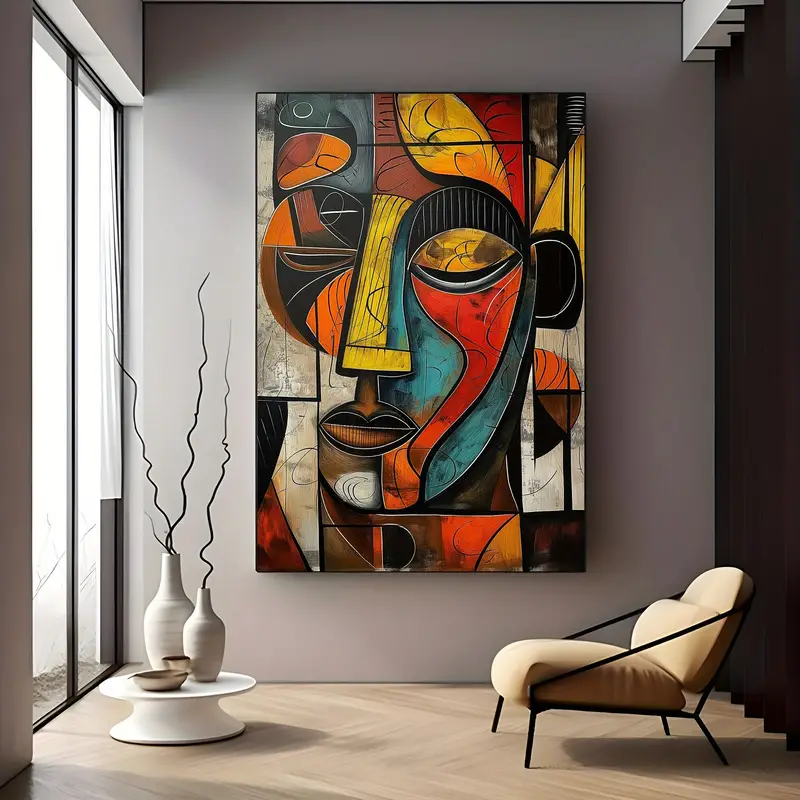
As we explore eclectic art styles, we are reminded of the rich tapestry of human experience that informs artistic expression. By embracing various influences, artists can create works that are not only visually stunning but also layered with meaning and significance. This journey through eclecticism invites readers to appreciate the diversity in art and encourages them to explore their own creative paths.
Budget-Friendly Artworks on Temu
Art holds the power to transform spaces, but the cost associated with acquiring quality pieces can often hinder many from expressing their creativity and personal style. Fortunately, Temu offers a diverse range of budget-friendly artworks that cater to various tastes and preferences, making it easier for everyone to enhance their environments without breaking the bank.
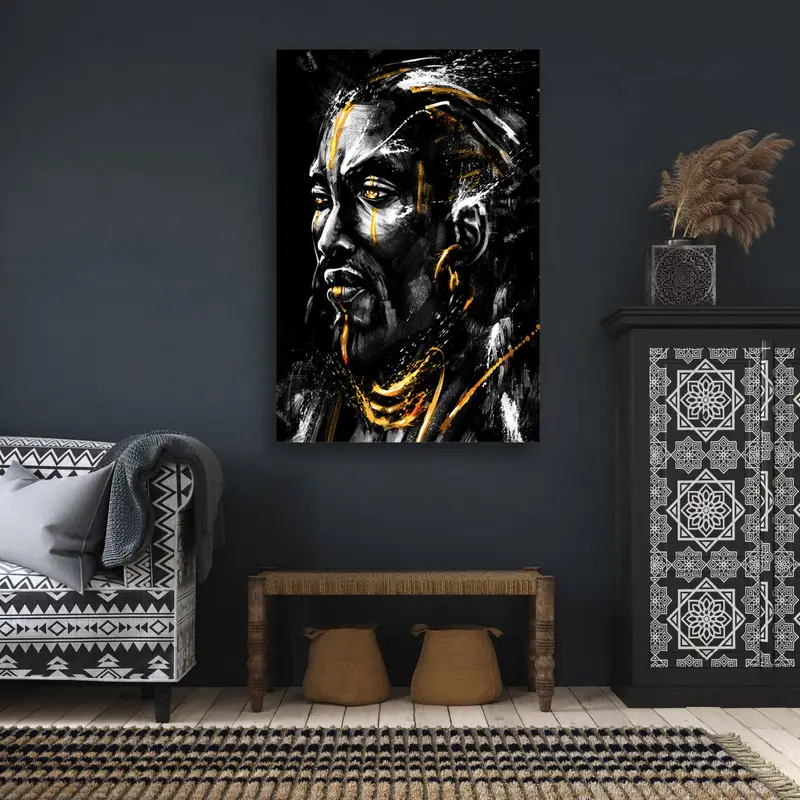
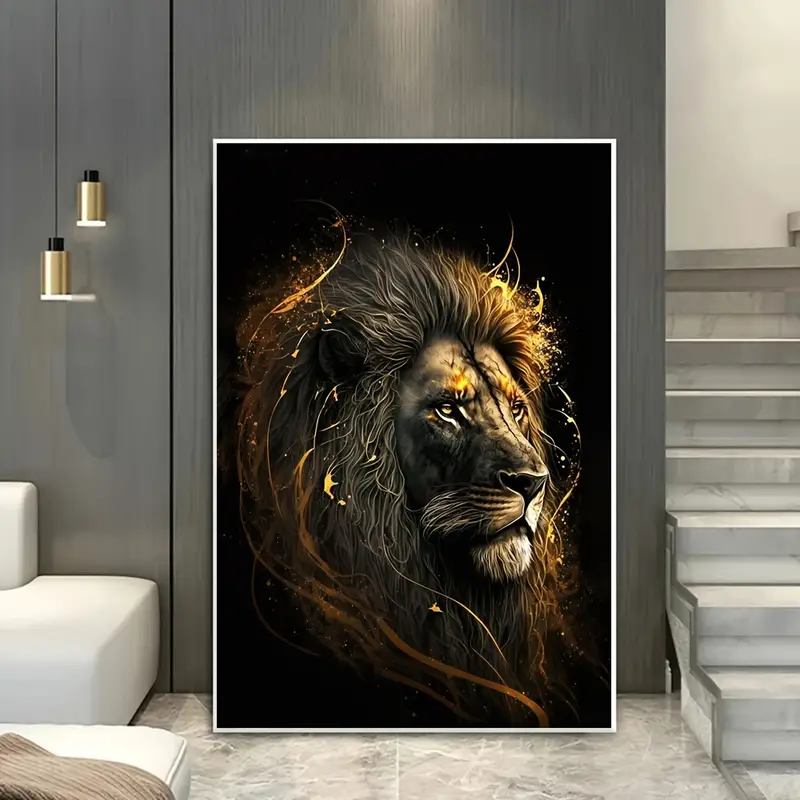
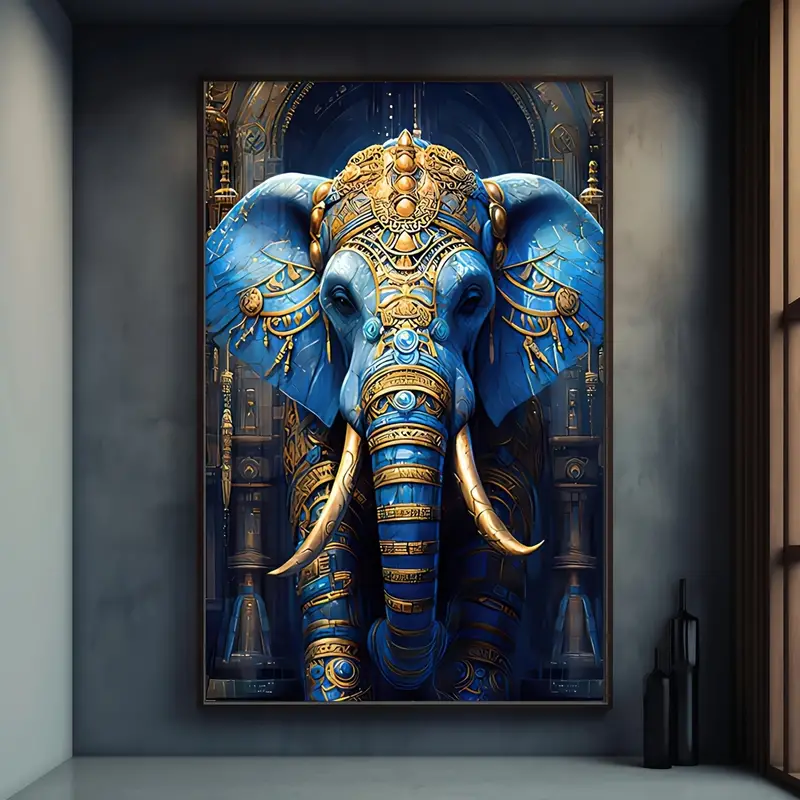
One standout option available on Temu is vibrant canvas prints that encapsulate cultural heritage and eclectic styles. These pieces, which typically range from $15 to $50, feature colorful depictions of traditional designs and modern interpretations. They are perfect for bringing a lively touch to homes, particularly in living rooms or creative spaces where conversation and energy flow naturally. For example, a canvas featuring a bold abstract design can serve as a striking centerpiece on a gallery wall, fostering a sense of cultural appreciation.
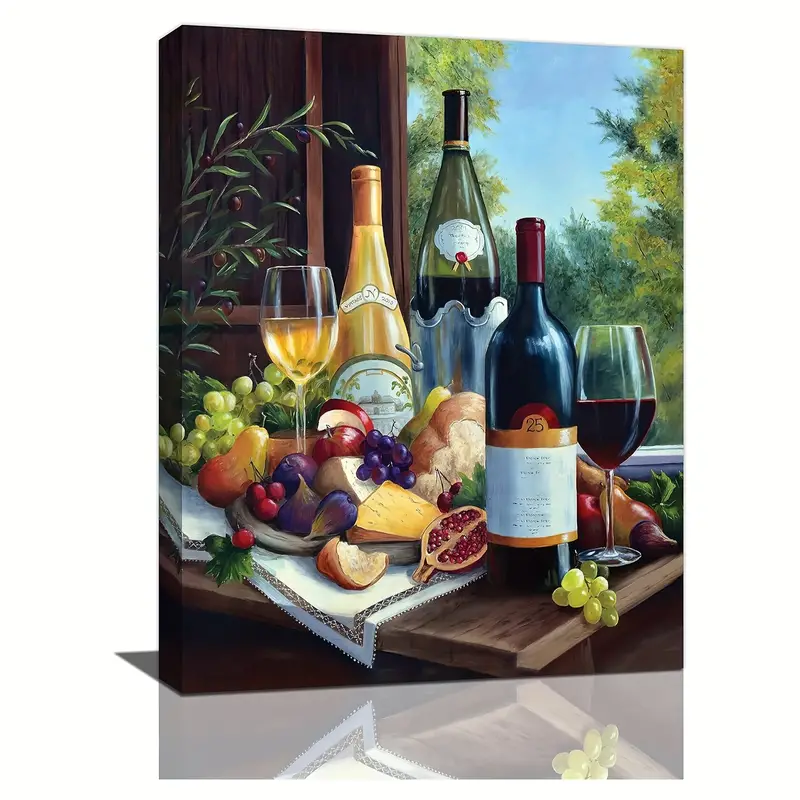
Temu also carries an assortment of framed prints, ideal for those seeking a more classic aesthetic. Prices for these artworks start around $20 and can reach up to $60. These prints often highlight serene landscapes or motivational quotes, making them suitable for offices or study areas. By adorning workspaces with inspiring visuals, individuals can create a pleasant and productive atmosphere that encourages creativity and focus.
For mixed-use spaces, decorative wall hangings made from natural materials are a perfect choice. Temu features a variety of these artworks, starting at $25, which blend well with both modern and rustic décor.
Explore the artistic treasures available on Temu and find the perfect pieces that resonate with your personal style and space needs. Each purchase not only enhances your environment but also supports a vibrant community of artists and creators.