
Introduction
The landscape of mobile technology has undergone a profound transformation over the years, evolving from basic communication devices to sophisticated smartphones that have become integral to everyday life. The significance of smartphones today cannot be overstated, as they serve not only as communication tools but also as portable computers, entertainment centers, and essential platforms for executing various tasks. This transition reflects an accelerated pace of development characterized by rapid advancements in features, user experiences, and design aesthetics.
Smartphones have recently been equipped with features once considered remarkable, including high-definition cameras, artificial intelligence integration, and sophisticated biometric security. These advancements not only improve the functionality of mobile devices but also their performance and security. Users can now interact with technology more intuitively through touch interfaces, voice-activated assistants, and improved connectivity. This progression indicates a trend towards devices that are not just practical but also an extension of one’s personal identity and lifestyle.
Emerging trends within the mobile industry are set to further shape the future of smartphones. Concepts such as foldable screens, 5G connectivity, augmented reality, and artificial intelligence are on the cusp of defining user experiences in unprecedented ways. As these innovations are adopted, they will undoubtedly influence consumer expectations and behavior, resulting in a demand for more cost-effective options without sacrificing quality. The significance of affordability in accessing advanced technology is undeniable. Platforms such as Temu and Amazon provide budget-friendly smartphones that meet a variety of user requirements. Prioritizing affordability is crucial for making advanced mobile technology available to a wider audience, thereby fostering an inclusive digital future.
5G Technology on The Rise
The advent of 5G technology marks a significant leap in the evolution of smartphone capabilities. This new generation of mobile networks is set to drastically enhance smartphone functionality, effectively reshaping user experiences across multiple domains. One of the most notable improvements is in mobile browsing speeds. Users can expect web pages to load almost instantaneously, making for a seamless online experience that is particularly beneficial for high-resolution content and interactive applications.

Beyond web browsing, 5G technology is transforming the streaming and gaming experiences on mobile devices. With its significantly higher data transfer rates compared to 4G networks, it allows users to enjoy ultra-high-definition video streaming seamlessly, without the annoyance of buffering. Gamers benefit greatly as well, with 5G facilitating low-latency connections essential for competitive online gaming. This advancement meets the increasing consumer need for high-quality content with fast and dependable connectivity.
The implications of 5G extend beyond just enhanced user experiences; they present new opportunities for app developers and businesses. Developers can leverage the speed and efficiency of 5G to create more complex and feature-rich applications. This could foster the emergence of innovative solutions in areas such as augmented reality (AR) and virtual reality (VR), industries that require significant data throughput for smooth operation. However, the transition to 5G is not without its challenges. Users may face compatibility concerns, fluctuating network availability, and the necessity to acquire new devices that support 5G technology.
As the 5G network expands, comprehending its influence on mobile communications becomes vital for both users and developers. The capabilities of 5G technology emerge as a transformative power, molding the future of mobile engagement and establishing new benchmarks in smartphone performance.
Artificial Intelligence in Smartphones
Artificial Intelligence (AI) has become a transformative force within the realm of smartphones, significantly enhancing user experiences through various innovative features. One of the most prevalent applications of AI in mobile technology is personalized recommendations. AI algorithms analyze user behavior, preferences, and patterns to suggest apps, content, or services that align with individual interests. This customized approach not only enhances user engagement but also boosts the overall satisfaction obtained from mobile devices.
Another significant area where AI plays a crucial role is in photography. Modern smartphones are equipped with advanced AI-driven camera systems that utilize machine learning to optimize image processing. Features such as scene recognition, automatic enhancements, and even real-time editing are powered by AI algorithms. These innovations enable users to capture stunning photographs effortlessly, regardless of their photography skills. The future of smartphone photography is poised to integrate even more sophisticated AI technologies, potentially incorporating augmented reality elements to provide users with immersive experiences.
Furthermore, virtual assistants are now integral to the mobile experience. AI-powered assistants such as Siri, Google Assistant, and Alexa are becoming more skilled at interpreting natural language, handling tasks, and delivering instant information. With ongoing AI advancements, these virtual assistants are expected to grow even more intelligent and intuitive, proactively addressing user needs. Predictive analytics will enhance these interactions, facilitating seamless communication between users and their devices.
In summary, the integration of artificial intelligence into smartphones represents a significant leap forward in technology. From personalized recommendations to advanced photography techniques and intelligent virtual assistants, AI is reshaping the mobile landscape. Looking ahead, the potential for AI-driven innovation seems limitless, offering a reimagined way for users to engage with their smartphones.
Foldable and Flexible Displays
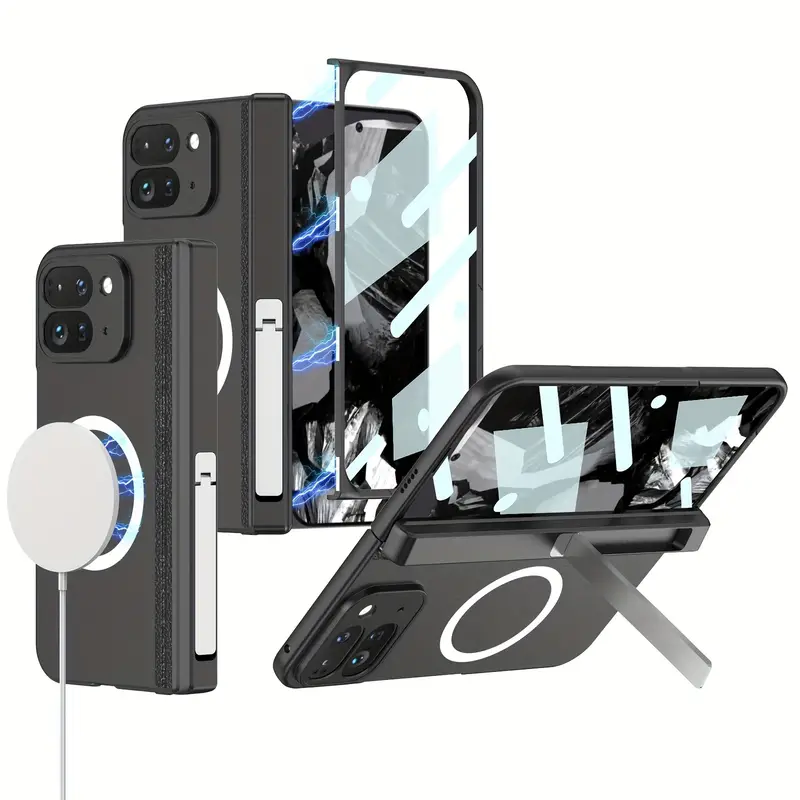
The advent of foldable and flexible displays marks a significant innovation in the realm of smartphone technology, revolutionizing the design and functionality of mobile devices. These displays enable smartphones to adopt dynamic form factors, allowing users to unfold or roll their devices to suit different needs, whether for multitasking, immersive entertainment, or enhanced portability. Major players in the market, including Samsung, Huawei, and Motorola, have already introduced devices that utilize this cutting-edge technology, with varying designs and features that cater to user demands.
Foldable displays offer a significant advantage for multitasking; they allow users to run several applications simultaneously on an expanded screen space, enhancing productivity. Additionally, the flexibility of these screens opens up new avenues for user interaction, enabling the development of innovative applications that capitalize on the unique form factors. For instance, foldable smartphones can easily transition from a compact phone size to a larger tablet-like experience, maximizing usability in different contexts.
The introduction of foldable and flexible displays brings its own set of challenges. Durability and longevity concerns are common among consumers, as the folding mechanisms might degrade with use. Additionally, the cost of devices equipped with this technology tends to be higher compared to conventional smartphones, potentially dissuading budget-minded consumers. In terms of consumer attitudes, educating and familiarizing the public with foldable technology is essential, given the skepticism about its usefulness and practicality.
https://richboyent903.in/wp-content/uploads/2024/10/d6dc8d84-608a-44eb-9eea-acf911465e2f.webp
Looking ahead, advancements in materials and production methods will likely enhance the durability and affordability of foldable displays, propelling greater adoption. As smartphone manufacturers continue to innovate in this space, consumer expectations are shifting towards more versatile devices that balance functionality, design, and cost-effectiveness. In conclusion, foldable and flexible displays represent a transformative trend in smartphone technology that could redefine how users interact with their devices.
Sustainability in Smartphone Production
The smartphone industry is increasingly prioritized sustainability, driven by both consumer demand and the need for environmental responsibility. The demand for eco-friendly materials and manufacturing processes has surged as consumers become more conscious of their environmental impacts. This transition has ignited innovation throughout the industry, leading to sustainable practices designed to reduce waste and lower the carbon footprint of smartphone manufacturing.
Leading brands have begun to adopt a variety of eco-friendly approaches. Many established manufacturers are integrating recycled materials into their devices, such as aluminum and plastic derived from post-consumer waste. This not only helps reduce reliance on virgin materials but also lessens the amount of electronic waste generated during the life cycle of a smartphone. Additionally, some companies are exploring biodegradable components, which could significantly decrease the environmental impact at the end of a device’s life.
In tandem with material innovation, energy-efficient manufacturing processes are becoming crucial. Brands are investing in renewable energy sources for their production facilities, further reducing their carbon footprints. The focus on energy efficiency goes beyond the production phase; manufacturers are dedicated to designing devices that use less energy while operating. This includes the integration of optimized software that extends battery life and improves overall device performance.
Another vital aspect of sustainability is the longevity of devices. Companies are increasingly offering repairable designs and encouraging customers to upgrade rather than replace their smartphones. This not only extends the life cycle of devices but also helps in reducing the accumulation of electronic waste, which remains a pressing concern in today’s digital age.
As the smartphone market evolves, the integration of sustainable practices into production processes and product design will likely become the norm. Adopting these strategies will help address the environmental challenges associated with mobile technology and forge a path towards a more sustainable future for the industry.
Augmented Reality (AR) and Virtual Reality (VR) Integration
The rapid advancement of technology has paved the way for the integration of Augmented Reality (AR) and Virtual Reality (VR) within the realm of smartphones. Immersive technologies are transforming user-device interactions, enriching experiences in sectors like gaming, social media, and business. Applications like Pokémon GO and Snapchat have effectively utilized AR to captivate users by blending merging digital components with the real world. These platforms enhance the entertainment factor and encourage creative self-expression via interactive filters and location-centric experiences.
In gaming, AR and VR bring an unprecedented level of realism that immerses players in their favorite virtual universes. Next-gen smartphones equipped with advanced sensors and graphics capabilities are further refining these experiences. For business, the integration of AR and VR technologies facilitates innovative solutions, such as virtual training sessions and immersive product demos, allowing businesses to connect with customers in new and engaging ways. Furthermore, sectors such as real estate and education are embracing these technologies to offer walkthroughs and interactive learning environments, respectively.
Looking ahead, the potential for AR and VR integration in smartphones appears boundless. As these technologies evolve, users can anticipate enhanced graphics, lower latency, and more seamless interactions through improved hardware and software development. This evolution suggests a future where smartphones do not merely serve as tools for communication but as gateways to a more immersive and interactive world. The ongoing convergence of AR and VR with day-to-day smartphone functionalities will likely redefine user expectations and experiences, thereby pushing the boundaries of what is achievable in mobile technology.
Budget-Friendly Smartphones on Temu and Amazon
The smartphone market has expanded significantly, offering a diverse range of budget-friendly options that cater to different user preferences and needs. Platforms like Temu and Amazon present an array of affordable smartphones, each equipped with features designed to meet the demands of everyday use without straining the budget. Here, we will explore several noteworthy budget smartphones available on these platforms.
The Samsung Galaxy A15 is a notable option on Temu, striking a perfect balance between performance and cost-effectiveness. It boasts a 6.5-inch display for an immersive viewing experience. Equipped with a tri-camera system, it enables high-quality photography. The device’s 5,000mAh battery offers extended longevity, ideal for those frequently mobile. Priced between $150 and $200, it represents an excellent value for casual users and students alike.
The Motorola Moto G Power is a favored option on Amazon, renowned for its exceptional battery life that can last up to three days. It features a bright 6.6-inch display and an efficient MediaTek Helio G37 processor. Its 50MP triple-camera system is highly regarded for its adaptability in photography. Priced between $160 and $250, the Moto G Power attracts those who prioritize multimedia features and long-lasting performance.
The Nokia G21 is an excellent choice available on both platforms, boasting a 6.5-inch display, a triple-camera setup, and a sturdy build. Its two-day battery life stands out as a major benefit for users who value dependability. Typically priced around $150, the Nokia G20 is ideal for those on a budget who do not want to sacrifice key features for affordability.
In conclusion, both Temu and Amazon offer several affordable smartphones that embody the essence of functionality, reliability, and value for money. When selecting a budget phone, consumers should consider their specific needs to find the device that best matches their lifestyle.
Security and Privacy Trends
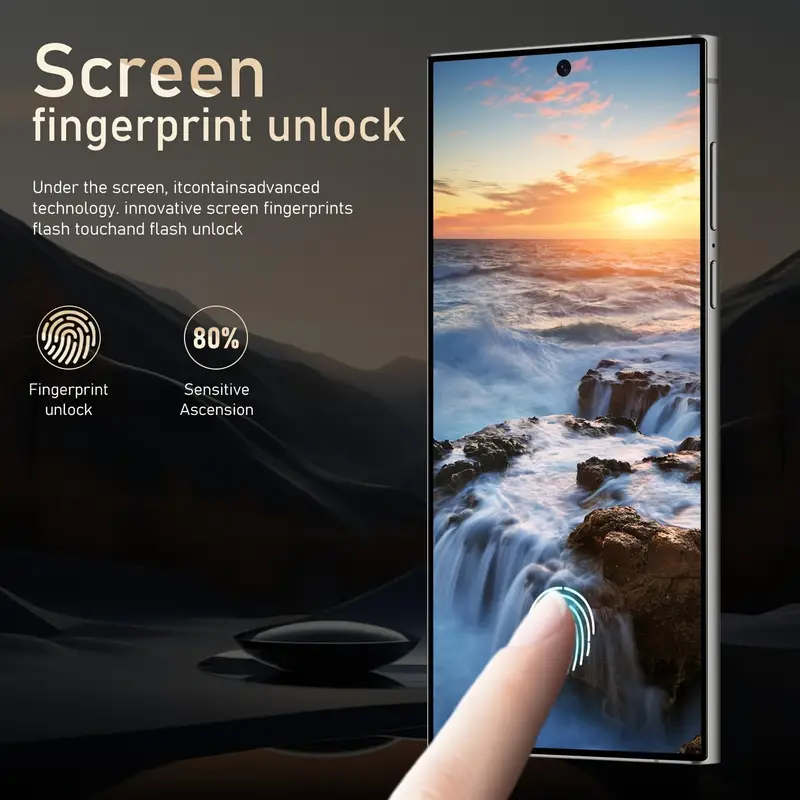
As smartphone technology evolves, so do the challenges related to security and privacy. Consumers are increasingly aware of the vulnerabilities associated with their devices and demand comprehensive solutions to protect their personal data. One of the prominent trends in this area is the advancement of biometric security systems. Face recognition and fingerprint scanners have become standard features in many modern smartphones, providing users with enhanced security without sacrificing convenience. This shift highlights a growing preference for multi-factor authentication as an essential component of mobile security strategies.
Encryption technologies also play a crucial role in securing smartphone data. End-to-end encryption ensures that messages and files shared between users remain confidential, only accessible to the intended recipients. As cyber threats continue to evolve, encryption methods are becoming more sophisticated, aiming to thwart potential breaches. Mobile operating systems are adopting stronger encryption practices, leading to more secure environments for user data. Therefore, integrating advanced encryption methods into smartphones signifies a positive step towards enhanced security measures.
Consumers are increasingly concerned about the way their personal data is collected and shared. This awareness has led to rising expectations for smartphone manufacturers to prioritize data protection. Features such as privacy dashboards, enhanced app permissions, and built-in transparency regarding data usage are gaining traction. Companies are responding by developing software that allows users to control their data better, offering clearer options for opting out of data collection processes. Additionally, legislation focusing on data privacy and protection, such as GDPR in Europe, is influencing how smartphone manufacturers design their products.
“The landscape of smartphone security and privacy is rapidly changing. With continuous advancements in biometric technologies and encryption, alongside growing consumer demands for enhanced privacy controls, the future promises to be more secure. As manufacturers adapt to these emerging trends, it is crucial for users to remain informed and proactive concerning their mobile security. The emphasis on protecting personal data will undoubtedly shape the evolution of smartphone technology in the coming years”.
Conclusion
The future of mobile technology holds immense promise, characterized by emerging trends and innovations that influence our daily lives. As we navigate through a landscape where advancements are rapidly evolving, it is crucial to recognize the key developments discussed throughout this blog post. From the rise of artificial intelligence in smartphones enabling enhanced personalization to the integration of 5G technology, which ensures faster connectivity, the smartphone experience continues to transform in unprecedented ways. Moreover, the increasing emphasis on sustainable practices within mobile manufacturing highlights a collective responsibility towards environmental stewardship.
Additionally, advancements in mobile security not only aim to protect user data but also foster an environment of trust in mobile banking and e-commerce. These innovations pave the way for more seamless and secure transactions, enhancing consumer confidence as we rely on our devices for essential services. Furthermore, the growth of foldable devices signifies a merging of convenience and capability, allowing users to leverage multitasking features without sacrificing portability.
As we embrace these advancements, it becomes essential to remain informed about their implications, particularly concerning affordability and accessibility. It is vital that the benefits of such innovations do not remain confined to a select few but are made available to a broader audience. This is critical in ensuring that all users can enjoy the enhancements that redefine communication, entertainment, and productivity. Staying engaged in discussions surrounding these trends empowers individuals and communities to advocate for inclusive practices in the mobile technology landscape.
In conclusion, the rapidly evolving world of smartphone technology presents both opportunities and challenges. By remaining informed and adaptable, we can leverage these innovations to enhance our modern lifestyle while ensuring that access to these advancements does not create disparities among users. As the future of mobile unfolds, one thing is certain: change is inevitable, and our readiness to embrace it will define our experiences moving forward.
Tour & Shop My Gallery