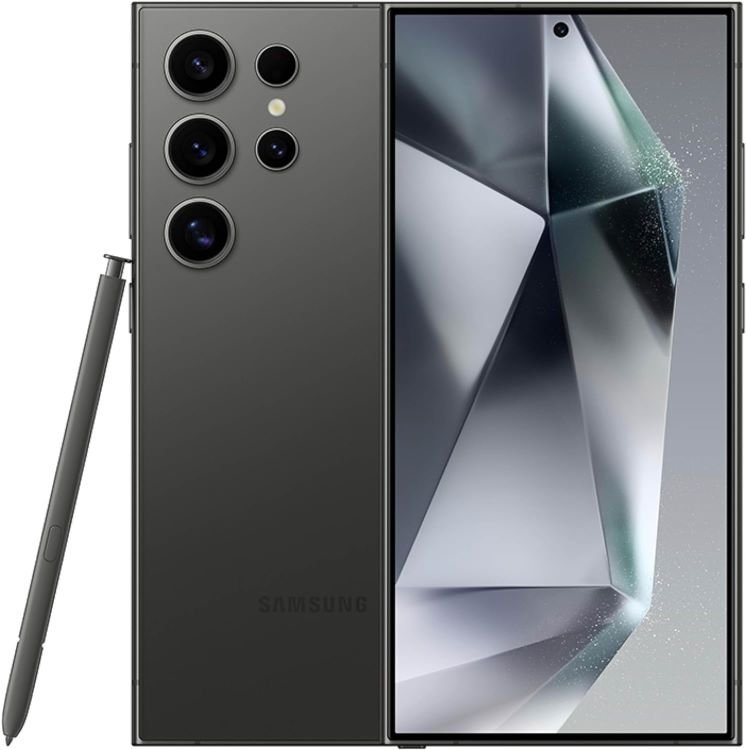
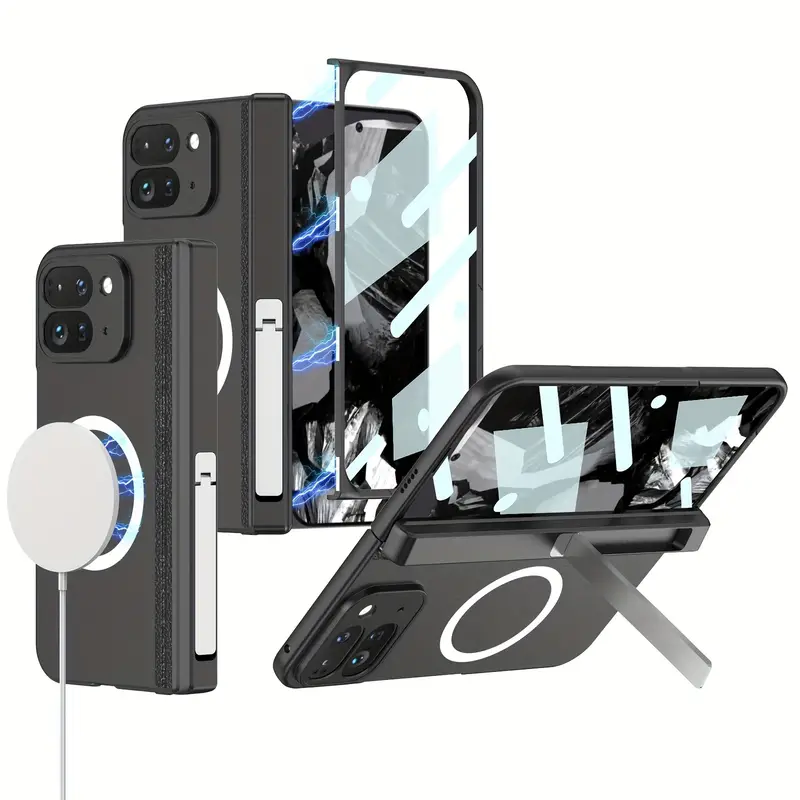
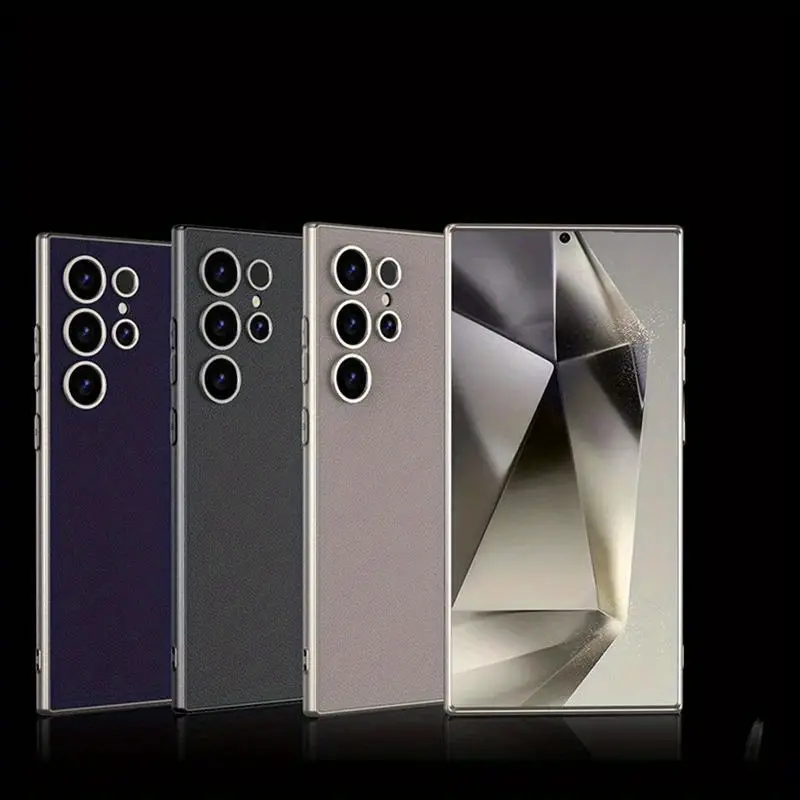
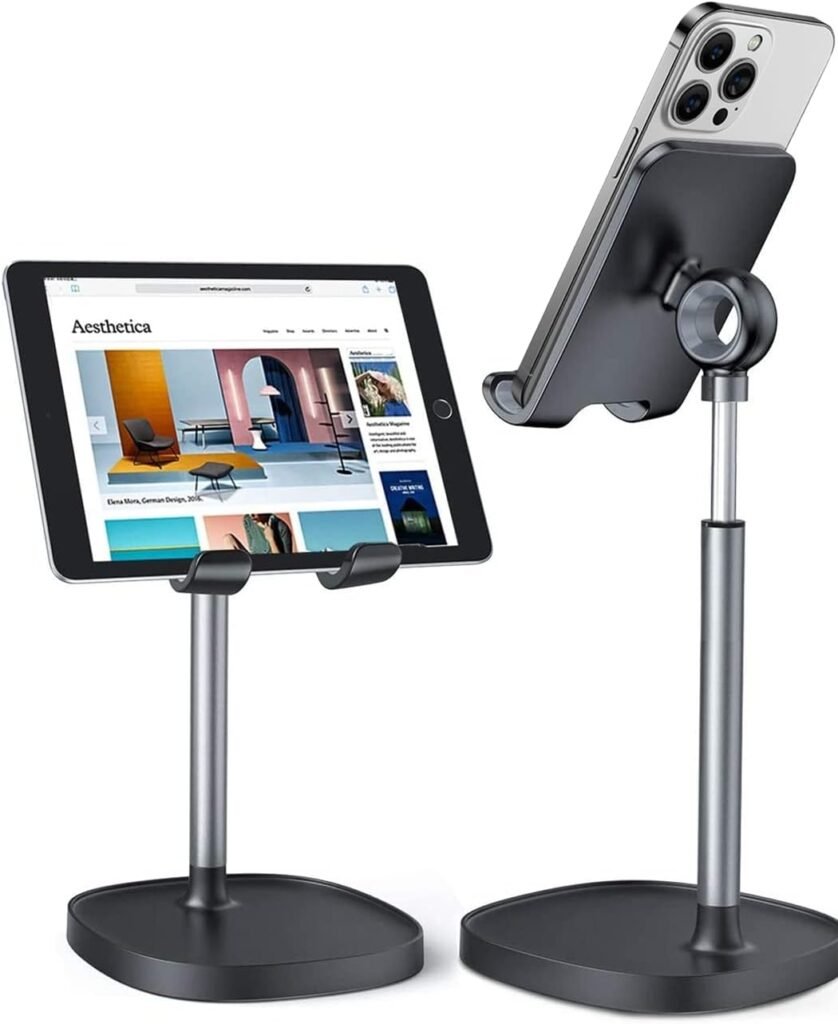
The realm of technology continues to evolve at an unprecedented pace, creating an exciting landscape for consumers who increasingly rely on gadgets to enhance their daily lives. As we venture into fall 2025, the anticipation surrounding innovative devices is palpable. This forthcoming season promises an impressive array of tech advancements that are set to redefine user experiences and functionality. Understanding the significance of these innovations and their potential impact on our lives is essential for savvy consumers.
What distinguishes upcoming gadgets in 2025 from current offerings is not only their design but also their seamless integration of cutting-edge technology. As advancements in artificial intelligence, augmented reality, and sustainable materials converge, products are becoming more intuitive, eco-friendly, and user-centric. The integration of smart features will enable consumers to interact with their gadgets in ways previously thought to be the realm of science fiction. Enhanced connectivity and automation are merely the beginning; gadgets will utilize sophisticated algorithms to adapt to individual preferences, ultimately tailoring experiences that resonate with each unique user.
Moreover, the shift towards health and wellness-focused technology will play a pivotal role in the gadgets released in 2025. Consumers will find themselves surrounded by devices that not only heighten convenience but also promote a healthier lifestyle. From smart wearables that monitor vital signs to home automation systems that optimize daily routines, the gadgets of tomorrow are designed to contribute positively to overall well-being. As such, the developments we anticipate for fall 2025 have the potential to streamline everyday tasks, making technology an even more integral component of our lives. The excitement surrounding the latest trends in technology is sure to captivate tech enthusiasts and the general public alike as we look forward to the next wave of innovative gadgets.
Innovative Smart Devices Transforming Daily Life
As we look towards fall 2025, the landscape of smart devices is poised for significant transformation, with innovations that promise to enhance our daily lives in unprecedented ways. Key advancements in smart home technology, wearables, and personal assistants are expected to play a pivotal role. These devices will not only improve connectivity but will also deliver enhanced ease of use and personalized features that cater to individual preferences.
In the realm of smart home technology, the integration of artificial intelligence is set to redefine how homes operate. Modern smart appliances, ranging from refrigerators to thermostats, will become increasingly intuitive. They will utilize machine learning algorithms to adapt to the behaviors of their users, optimizing energy consumption and simplifying daily tasks. For instance, smart refrigerators may automatically create grocery lists based on your eating habits, while intelligent thermostats adjust temperatures proactively, all while providing real-time insights into energy usage.
Wearables, another critical segment of this industry, are anticipated to evolve beyond fitness tracking and health monitoring. New devices will likely focus on enhancing user experience through features such as advanced sleep analysis, stress management tools, and seamless integration with various smart home devices. The emphasis will be on creating an interconnected ecosystem that promotes a healthier lifestyle and encourages daily activity, all customized to fit individual users.
Furthermore, personal assistants are expected to become more conversational and context-aware, allowing for a more natural interaction. These intelligent companions will not only respond to voice commands but will also anticipate user needs and preferences, streamlining everyday tasks. For instance, with the ability to analyze schedules and preferences, personal assistants might suggest optimal times for grocery shopping or alert users about necessary home maintenance, seamlessly integrating into daily routines.
Overall, the innovative smart devices emerging in fall 2025 will significantly reshape the way we engage with our environment, fostering a more efficient and tailored approach to daily living.
Cutting-Edge Gadgets in Gaming and Entertainment
The gaming and entertainment industry is poised for remarkable advancements in fall 2025, with several cutting-edge gadgets that promise to redefine user experiences. Among the most anticipated developments is the upcoming generation of gaming consoles, featuring advanced processing capabilities that will deliver unprecedented graphics and performance. These new consoles are expected to embrace innovative features, such as cloud gaming integration, which will allow players to access their favorite titles without needing to download them onto local storage. This not only enhances convenience but also fosters a more expansive gaming library accessible from any device.
Virtual reality (VR) technology continues to evolve, and fall 2025 will introduce next-generation headsets designed to deliver immersive gaming experiences. These new VR devices are projected to feature enhanced resolution, improved field of view, and lightweight designs, ensuring comfort during extended gaming sessions. Such advancements will allow users to step into expansive virtual worlds and engage with them in ways previously considered science fiction. Enhanced haptic feedback systems will further augment immersion, providing tactile experiences that replicate the sensations of the game environment.
Additionally, collaborations with major content creators and streaming platforms will play a crucial role in shaping the gaming landscape in the coming months. Gamers can anticipate exclusive content and partnerships that enhance gameplay through tailored experiences, live-stream events, or interactive storytelling. This synergistic relationship between gaming technology and popular media will not only engage established communities but also attract new users, broadening the overall gaming demographic.
In essence, the fall of 2025 is shaping up to be a pivotal moment for gaming and entertainment gadgets. With advancements in console performance, immersive VR technologies, and strategic collaborations, the future of gaming appears brighter and more engaging than ever.
Eco-Friendly Tech Trends to Watch Out For
As we anticipate the fall of 2025, one of the most exciting developments in the tech industry centers around the integration of eco-friendly materials and sustainable practices. A notable trend is the increase in energy-efficient gadgets designed to minimize power consumption while maximizing functionality. This shift is essential not only for reducing utility costs for consumers but also for lowering the overall carbon footprint associated with the usage of technology.
From smart home devices to personal electronics, manufacturers are innovating products that use renewable energy sources, such as solar power. These advances enable consumers to harness natural resources, further decreasing reliance on traditional energy. Additionally, tech companies are prioritizing the design of gadgets that consume less energy, such as smart thermostats and energy-efficient chargers that adapt their output based on the device’s requirements.
Another significant trend is the use of biodegradable materials in gadget production. As the concerns surrounding plastic waste persist, tech manufacturers are responding by incorporating materials that decompose naturally, minimizing environmental impact. Products made from such materials, including phone cases, laptop components, and other accessories, demonstrate a commitment to sustainability and resonate with an increasingly eco-conscious consumer base. This change indicates that the tech industry is acknowledging its role in fostering a more sustainable future.
Furthermore, the rise of eco-friendly tech gadgets is indicative of a larger societal shift towards sustainability. Consumers are becoming more selective, showing a willingness to invest in products that align with their values and contribute positively to the environment. Overall, the developments slated for fall 2025 highlight a promising intersection of technology and sustainability, paving the way for a future where innovation and eco-consciousness coexist harmoniously.
In recent years, sound technology has made remarkable advancements, especially in the realm of smartphones. The incorporation of superior sound systems has transformed the way we experience audio, be it through music, podcasts, or calls. The emergence of wireless ear pods and innovative sound mixers offers users a seamless auditory experience that elevates everyday activities.
Trending Products to Check Out
If you’re on the hunt for cutting-edge sound technology, platforms like Amazon provide an array of products that cater to your needs. For instance, theApple AirPods Prois a favorite among many, known for their exceptional noise cancellation and immersive sound quality. Alternatively, the Sony WF-1000XM4ear pods are celebrated for their stunning sound performance and comfort.
Enhancing Your Setup with Sound Mixers
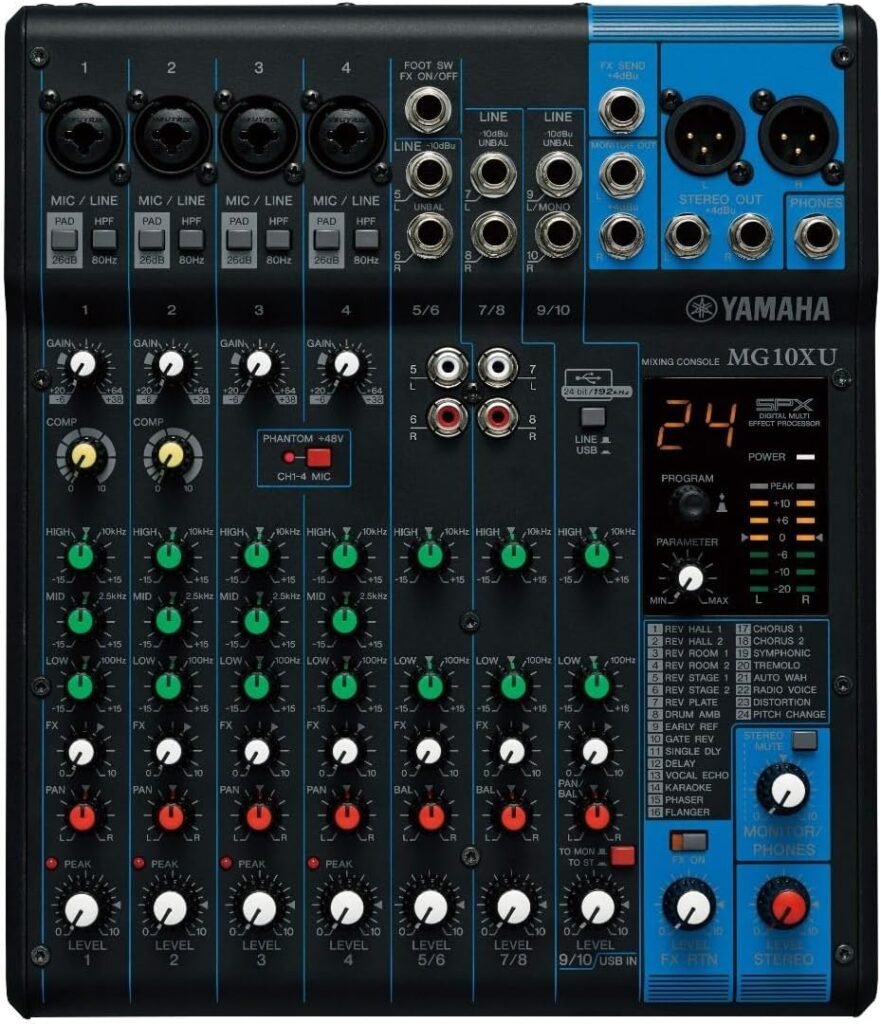
Sound mixers have also gained popularity, particularly for those keen on producing high-quality audio content. The Yamaha MG10XU audio mixer, available on Amazon, is an excellent choice for both beginners and professionals. It offers multiple input channels while ensuring clear sound output. Integrating such devices into your audio setup can notably enhance your listening experience.
With the continuous evolution of sound technology, it’s exciting to see how products like ear pods and sound mixers are shaping our auditory landscape. Keep an eye on the latest releases to stay ahead in experiencing sound like never before!
Eclectic home decor signifies a distinctive approach to interior design that breaks traditional boundaries, embracing various styles and influences to create a harmonious yet diverse environment. At its core, eclectic decor celebrates individuality, allowing homeowners to express their personality and interests through their living spaces. This design approach is marked by its fusion of diverse cultural influences, an assortment of eclectic furniture, and a broad spectrum of color palettes, creating an environment that is both welcoming and playfully imaginative.
The essence of eclectic design lies in its flexibility and lack of rigid rules. Unlike traditional design styles, which often adhere to strict guidelines regarding color, shape, and material, eclectic decor encourages the mixing of various elements from different eras, cultures, and aesthetics. The convergence of diverse influences weaves a vibrant tapestry that captivates visually and narrates personal stories, with each item contributing to the homeowner’s saga. For example, a sleek Scandinavian chair paired with antique Moroccan textiles can create a striking contrast, enriching the room’s aesthetic appeal.
Furthermore, eclectic design often incorporates various textures, patterns, and forms that might not typically coexist in a more conventional setting. This contributes not only to the visual appeal but also to the tactile experience of the space. Homeowners are encouraged to embrace their personal collections, souvenirs from travels, and heirlooms, which provide unique character to their decor. By curating these items with intention, individuals transform their homes into personal galleries that reflect their journey and experiences.
In essence, understanding eclectic home decor involves appreciating the freedom it offers to express diversity and creativity within the home.
The Importance of Personal Storytelling in Design
Eclectic home decor serves as a powerful medium for personal storytelling, enabling individuals to express their unique narratives through their living spaces. By incorporating various design elements, homeowners can create an environment that reflects their experiences, travels, and preferences, making the space not just a shelter, but a storytelling canvas. Compiling decorative pieces collected over the years—such as souvenirs from travels, family heirlooms, or art created by local artists—allows for a profound representation of one’s journey and personal history.
Every decorative piece holds a place in the overall decor, adding to a broader story. A vintage vase might bring back memories of family gatherings, while artwork from a particular place could remind one of past adventures every day. Such deliberate curation invites guests to connect more profoundly with the decor, sparking conversations about personal histories. Moreover, the mix of different styles in eclectic design, like combining modern art with vintage furniture, emphasizes the value of diversity and uniqueness, which are fundamental aspects of personal narratives.
Moreover, eclectic decor encourages homeowners to embrace their authentic selves. Unlike more traditional designs that often prioritize uniformity, an eclectic approach celebrates imperfection and uniqueness. This fosters an environment where creativity can flourish, as individuals feel empowered to explore various themes, textures, and colors that resonate with their identities. Homeowners can create spaces that are visually stimulating and deeply meaningful.
Ultimately, the allure of eclectic home decor lies in its capacity to narrate individual stories, enabling a space that not only showcases one’s design preferences but also serves as a reflection of life’s rich tapestry. This intentional approach to decorating grants significance to each element, transforming a house into a home filled with memories and personal significance.
Cohesiveness in Eclectic Design: Weaving the Threads Together
Achieving cohesiveness within eclectic home decor can be both an exciting and challenging endeavor. The essence of eclectic design lies in its diversity, which may often lead to the perception of disarray if not executed thoughtfully. To help create a harmonious environment while embracing various styles, it is paramount to establish a cohesive foundation that threads together disparate elements.
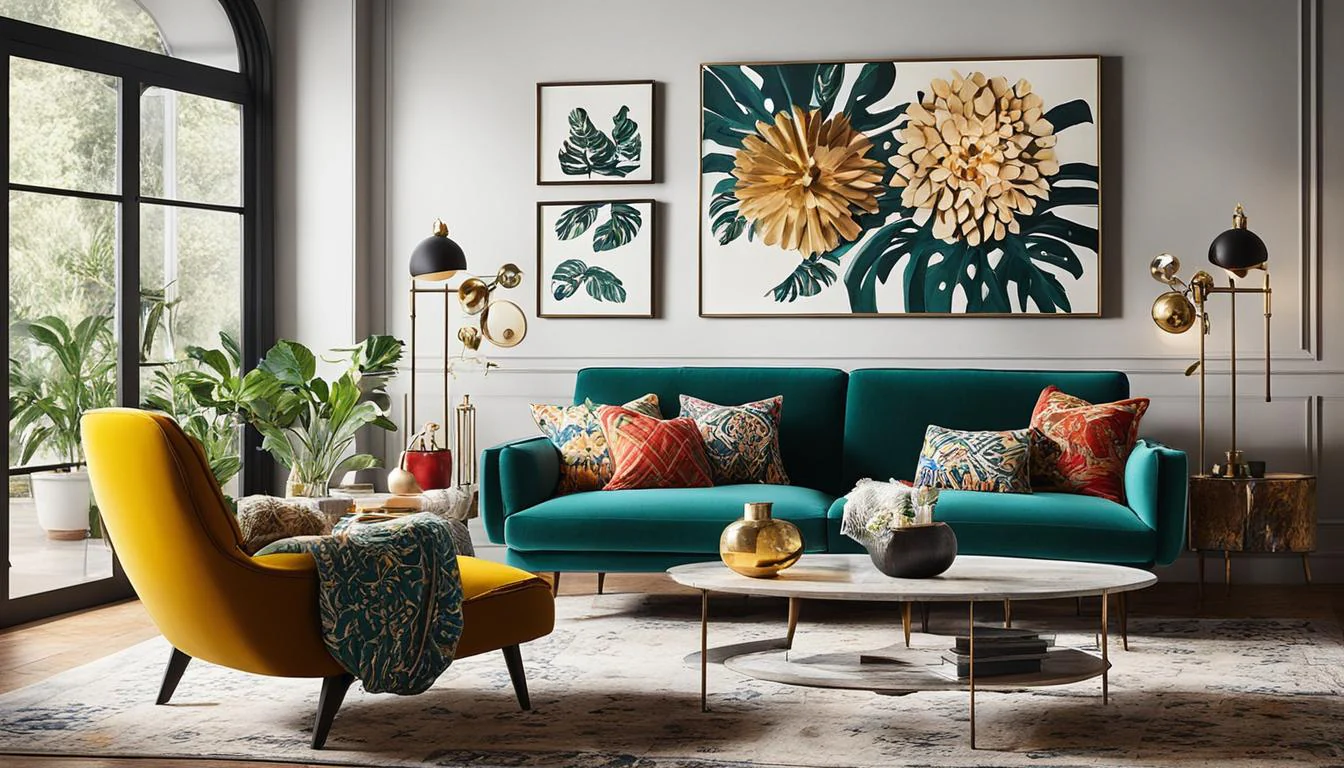
One effective strategy is the selection of a unified color palette. By choosing a few primary colors and incorporating them consistently throughout the space, various items can coexist harmoniously, irrespective of their individual origins. For example, a room adorned with antiques, contemporary art, and vintage textiles can be unified by colors found in each item, like soft blues or rich earth tones. This deliberate coordination of colors helps maintain a visually pleasing aesthetic throughout.
Complementary textures also play a crucial role in achieving cohesiveness in an eclectic arrangement. Mixing materials—such as silky fabrics paired with rough-hewn wood—can enhance the room’s depth without sacrificing cohesion.
The key is to find a balance where textures complement each other, creating a tactile dialogue that invites exploration and comfort. Accessories like cushions, throws, or wall art can introduce new textures while maintaining the overarching theme established through the color palette.
Thematic connections can be another important aspect when weaving together eclectic elements. Establishing a narrative or theme that resonates with personal experiences or interests can aid in selecting decor that not only reflects individuality but also integrates seamlessly. Shared cultural backgrounds, a passion for travel, or a love for nature can all serve as guiding principles that help shape a diverse yet cohesive design. In essence, an eclectic style that is well-implemented not only celebrates individuality but also cultivates a sense of togetherness within the space.
Budget-Friendly Artworks for Eclectic Spaces
Incorporating artwork into your eclectic decor does not have to strain your finances. With platforms like Temu and Amazon, affordable and diverse artworks can enhance the unique aesthetic of any space. These platforms provide a wide array of choices to suit diverse preferences, enabling individuals to showcase their unique style without sacrificing quality, and you’ve discovered the perfect spot for a curated assortment.
When searching for budget-friendly art, consider exploring different types of artworks that complement eclectic designs. Prints and posters featuring abstract designs or vibrant colors can create focal points in a room, while framed photography offers a more personal touch. Canvas art is another affordable option, as it provides texture and dimension, making it perfect for layered displays. Additionally, wall hangings such as macramé or fabric art can introduce warmth and tactile elements to your decor. By mixing these various types of artwork, you can create a visually striking environment that reflects individuality.
Seasonal decor can significantly enhance an eclectic space. Minor adjustments, like replacing artwork with seasonal prints or decorations, can revitalize the ambiance of a room economically. Additionally, acquiring select pieces gradually enables the creation of a personalized collection that reflects individual style and narratives.
Incorporating budget-friendly artworks is not just about saving money; it allows for creativity and exploration in designing your living space. These affordable yet visually impactful options can be seamlessly integrated into various interior styles, ensuring that eclectic decor remains accessible to everyone. When done thoughtfully, even the most budget-conscious choices can bring a sense of sophistication and artistry to your home.
Spotlight on Temu: Affordable Art Options
Temu has established itself as a notable platform for those seeking affordable art options that enhance eclectic home decor. This online marketplace offers a wide array of artistic creations, appealing to varied tastes and preferences. Among the most popular offerings are minimalist line art prints, which are ideal for adding a touch of sophistication to any room. These elegant pieces capture the essence of simplicity, yet they hold the power to transform the ambiance of a space significantly.
The art prints offered on Temu are notable for their quality, especially given their affordable prices. These prints are made with high-quality materials, which means they are not only visually appealing but also durable. With prices typically ranging from $10 to $30, they provide an accessible option for those wishing to enhance their living spaces economically. Such affordability enables people to pursue their interest in art without sacrificing quality or uniqueness.
Furthermore, Temu’s artistc offerings are incredibly versatile, catering to various interior design aesthetics. Whether your home follows a modern, bohemian, or traditional style, there exists a piece on Temu that can seamlessly integrate with your existing decor. Selecting the right artwork involves considering color schemes, themes, and overall room vibe. A minimalistic print with neutral tones can complement a modern setting, while a vibrant abstract piece might enhance a more eclectic arrangement.
While exploring Temu, it’s crucial to consider your personal preferences. Dedicate time to evaluate what aligns with your unique style. Consult customer reviews for a better understanding of quality and service based on others’ experiences. By being selective, you can assemble an art collection that not only mirrors your identity but also enhances the warmth and diversity of your living space.
Exploring Amazon’s Vintage-Inspired Decor
Amazonoffers an extensive range of vintage-inspired decor that captures the essence of nostalgia while providing an eclectic touch to any living space. Among the most popular options available are botanical prints. These artworks not only reflect a love for nature but also evoke a sense of timelessness that resonates with many homeowners looking to create a distinctive atmosphere in their homes.
Botanical prints can effortlessly enhance the eclectic theme that celebrates both diversity and individuality. By integrating these pieces into your decor, you can foster a connection to the outdoors, making your interior space feel warmer and more inviting. Amazon offers an extensive collection of prints, from timeless illustrations to contemporary designs, appealing to diverse aesthetic tastes. These art pieces are ideal for creating a mix-and-match decor style, integrating effortlessly with other decorative elements.
In terms of affordability, the selection on Amazon makes vintage-inspired decoraccessible to a range of budgets. Whether you are looking for a single captivating piece or an entire gallery wall, you can find options that suit your financial considerations without compromising on quality or style. Additionally, many of these artworks come in various sizes, allowing for flexibility in placement throughout your home. They can be hung in a living room, used as a focal point in a dining area, or even incorporated into a more private space such as a bedroom or home office.
To enhance the allure of vintage-inspired decor, think about dedicating a wall to showcase these prints or arranging them alongside other unique items like antique furniture or handmade crafts. Such a deliberate arrangement not only boosts visual appeal but also creates an ambiance rich in character and allure.
Key Features to Consider in Eclectic Art
In the realm of eclectic home décor, selecting the appropriate art pieces is key to creating a harmonious mix of diversity and individuality. It’s important to consider several essential elements to ensure that these choices align with personal style and contribute to the overall ambiance. Color, for instance, holds significant importance; bright colors can invigorate a space, whereas softer shades can induce tranquility. Using harmonizing or contrasting colors strategically can craft a visually engaging setting that mirrors one’s distinctive preferences.
Texture is another paramount feature to consider. Eclectic art often incorporates a variety of materials, such as wood, metal, fabric, and glass, contributing to the tactile experience within a space. Textured artworks can provide depth, guiding the eye across a room and inviting interaction. When selecting art pieces, one should assess how their various textures interplay with existing furnishings and textures in the room, as this will enhance the visual intrigue and cohesion of the decor.
Style also holds significant importance in the realms of eclectic decor. It is essential to embrace a wide range of artistic styles, from contemporary to vintage, as these elements can complement one another beautifully. Exploring different artistic movements and incorporating pieces that resonate with personal preferences rather than adhering strictly to a single style can result in a more authentic and diverse collection.
Lastly, thematic relevance must not be overlooked. Art pieces that embody themes or stories can enrich a space with additional layers of meaning, fostering deeper engagement. By focusing on essential elements such as color, texture, style, and thematic relevance, one can choose artworks that not only mirror their individuality but also enhance the diversity of their home decor.
Tips for Infusing Individuality into Your Decor
In the world of eclectic home decor, embracing individuality is paramount. To create a space that resonates with personal stories and unique character, consider the following strategies that allow creativity to flourish.
One effective approach is to explore thrift stores, flea markets, and garage sales for unique items that speak to your personal style. These venues often hold a treasure trove of eclectic finds, from vibrant vintage furnishings to quirky artwork. Scouring these locations not only supports sustainable practices but also encourages a storytelling element in your home.
Additionally, consider incorporating family heirlooms into your decor. These treasured items can evoke memories and a sense of belonging, weaving your family’s history into the fabric of your home. Whether it is an ornate vase, a timeworn clock, or a beloved painting, these objects add a layer of depth and significance, creating a connection between past and present.
“Handmade crafts make for exceptional additions to a diverse collection. If you have artistic talents, think about crafting your own items, whether pottery, paintings, or textile works. Moreover, local artisans often offer their creations at craft fairs or through online outlets, providing an opportunity to back independent artists while adding distinctive items to your collection. Such handcrafted pieces reflect uniqueness, displaying the artist’s personal vision and your own taste for singular artistry.“
Lastly, remember to let personal taste guide your choices. Think about what resonates with you personally; colors, patterns, and themes should reflect your personality. By curating a collection that inspires and excites you, your home will morph into an authentic extension of yourself, celebrating the beauty of eclectic decor.
Final Thoughts: Your Eclectic Journey Starts Here
As we conclude our exploration of eclectic home décor, it is vital to reflect on the key concepts we have discussed throughout this article. Embracing an eclectic style allows you to express your individuality and celebrate diversity in design. By mixing various influences, colors, and textures, you can create a space that resonates with your personality; it welcomes both modern and vintage elements, allowing each piece to contribute to a cohesive narrative that tells your unique story.
In our discussion, we emphasized the significance of carefully choosing items that hold personal significance and resonates with you. Whether it’s a vintage chair, contemporary art, or artisanal decor, each piece should be deliberate and carry meaning. Harmonizing various styles can be accomplished with a unified theme or color scheme, creating a cohesive yet eclectic space. It’s important to remember that deviating from traditional design norms is acceptable; eclectic decor thrives on individuality and inventiveness.
As you embark on your own eclectic journey, we encourage you to experiment boldly with different styles and elements in your home.
Allow yourself the freedom to curate spaces that evoke feeling, warmth, and authenticity. Incorporating suggestions from this article, like sourcing budget-friendly treasures, will ensure that accessing unique pieces does not become a financial burden. Don’t forget to check for affiliate links provided throughout the blog, as they can lead you to fantastic options that enhance the eclectic flair of your home without emptying your wallet.
Ultimately, creating an eclectic home is about you—your story, your journeys, and your preferences. Begin this exciting process with confidence, and let your space reflect the diverse beauty that is uniquely yours.
The landscape of mobile technology has undergone a profound transformation over the years, evolving from basic communication devices to sophisticated smartphones that have become integral to everyday life. The significance of smartphones today cannot be overstated, as they serve not only as communication tools but also as portable computers, entertainment centers, and essential platforms for executing various tasks. This transition reflects an accelerated pace of development characterized by rapid advancements in features, user experiences, and design aesthetics.
Smartphones have recently been equipped with features once considered remarkable, including high-definition cameras, artificial intelligence integration, and sophisticated biometric security. These advancements not only improve the functionality of mobile devices but also their performance and security. Users can now interact with technology more intuitively through touch interfaces, voice-activated assistants, and improved connectivity. This progression indicates a trend towards devices that are not just practical but also an extension of one’s personal identity and lifestyle.
Emerging trends within the mobile industry are set to further shape the future of smartphones. Concepts such as foldable screens, 5G connectivity, augmented reality, and artificial intelligence are on the cusp of defining user experiences in unprecedented ways. As these innovations are adopted, they will undoubtedly influence consumer expectations and behavior, resulting in a demand for more cost-effective options without sacrificing quality. The significance of affordability in accessing advanced technology is undeniable. Platforms such as Temu and Amazon provide budget-friendly smartphones that meet a variety of user requirements. Prioritizing affordability is crucial for making advanced mobile technology available to a wider audience, thereby fostering an inclusive digital future.
5G Technology on The Rise
The advent of 5G technology marks a significant leap in the evolution of smartphone capabilities. This new generation of mobile networks is set to drastically enhance smartphone functionality, effectively reshaping user experiences across multiple domains. One of the most notable improvements is in mobile browsing speeds. Users can expect web pages to load almost instantaneously, making for a seamless online experience that is particularly beneficial for high-resolution content and interactive applications.
Beyond web browsing, 5G technology is transforming the streaming and gaming experiences on mobile devices. With its significantly higher data transfer rates compared to 4G networks, it allows users to enjoy ultra-high-definition video streaming seamlessly, without the annoyance of buffering. Gamers benefit greatly as well, with 5G facilitating low-latency connections essential for competitive online gaming. This advancement meets the increasing consumer need for high-quality content with fast and dependable connectivity.
The implications of 5G extend beyond just enhanced user experiences; they present new opportunities for app developers and businesses. Developers can leverage the speed and efficiency of 5G to create more complex and feature-rich applications. This could foster the emergence of innovative solutions in areas such as augmented reality (AR) and virtual reality (VR), industries that require significant data throughput for smooth operation. However, the transition to 5G is not without its challenges. Users may face compatibility concerns, fluctuating network availability, and the necessity to acquire new devices that support 5G technology.
As the 5G network expands, comprehending its influence on mobile communications becomes vital for both users and developers. The capabilities of 5G technology emerge as a transformative power, molding the future of mobile engagement and establishing new benchmarks in smartphone performance.
Artificial Intelligence in Smartphones
Artificial Intelligence (AI) has become a transformative force within the realm of smartphones, significantly enhancing user experiences through various innovative features. One of the most prevalent applications of AI in mobile technology is personalized recommendations. AI algorithms analyze user behavior, preferences, and patterns to suggest apps, content, or services that align with individual interests. This customized approach not only enhances user engagement but also boosts the overall satisfaction obtained from mobile devices.
Another significant area where AI plays a crucial role is in photography. Modern smartphones are equipped with advanced AI-driven camera systems that utilize machine learning to optimize image processing. Features such as scene recognition, automatic enhancements, and even real-time editing are powered by AI algorithms. These innovations enable users to capture stunning photographs effortlessly, regardless of their photography skills. The future of smartphone photography is poised to integrate even more sophisticated AI technologies, potentially incorporating augmented reality elements to provide users with immersive experiences.
Furthermore, virtual assistants are now integral to the mobile experience. AI-powered assistants such as Siri, Google Assistant, and Alexa are becoming more skilled at interpreting natural language, handling tasks, and delivering instant information. With ongoing AI advancements, these virtual assistants are expected to grow even more intelligent and intuitive, proactively addressing user needs. Predictive analytics will enhance these interactions, facilitating seamless communication between users and their devices.
In summary, the integration of artificial intelligence into smartphones represents a significant leap forward in technology. From personalized recommendations to advanced photography techniques and intelligent virtual assistants, AI is reshaping the mobile landscape. Looking ahead, the potential for AI-driven innovation seems limitless, offering a reimagined way for users to engage with their smartphones.
Foldable and Flexible Displays
The advent of foldable and flexible displays marks a significant innovation in the realm of smartphone technology, revolutionizing the design and functionality of mobile devices. These displays enable smartphones to adopt dynamic form factors, allowing users to unfold or roll their devices to suit different needs, whether for multitasking, immersive entertainment, or enhanced portability. Major players in the market, including Samsung, Huawei, and Motorola, have already introduced devices that utilize this cutting-edge technology, with varying designs and features that cater to user demands.
Foldable displaysoffer a significant advantage for multitasking; they allow users to run several applications simultaneously on an expanded screen space, enhancing productivity. Additionally, the flexibility of these screens opens up new avenues for user interaction, enabling the development of innovative applications that capitalize on the unique form factors. For instance, foldable smartphones can easily transition from a compact phone size to a larger tablet-like experience, maximizing usability in different contexts.
The introduction of foldable and flexible displays brings its own set of challenges. Durability and longevity concerns are common among consumers, as the folding mechanisms might degrade with use. Additionally, the cost of devices equipped with this technology tends to be higher compared to conventional smartphones, potentially dissuading budget-minded consumers. In terms of consumer attitudes, educating and familiarizing the public with foldable technology is essential, given the skepticism about its usefulness and practicality.
Looking ahead, advancements in materials and production methods will likely enhance the durability and affordability of foldable displays, propelling greater adoption. As smartphone manufacturers continue to innovate in this space, consumer expectations are shifting towards more versatile devices that balance functionality, design, and cost-effectiveness. In conclusion, foldable and flexible displays represent a transformative trend in smartphone technology that could redefine how users interact with their devices.
Sustainability in Smartphone Production
The smartphone industry is increasingly prioritized sustainability, driven by both consumer demand and the need for environmental responsibility. The demand for eco-friendly materials and manufacturing processes has surged as consumers become more conscious of their environmental impacts. This transition has ignited innovation throughout the industry, leading to sustainable practices designed to reduce waste and lower the carbon footprint of smartphone manufacturing.
Leading brands have begun to adopt a variety of eco-friendly approaches. Many established manufacturers are integrating recycled materials into their devices, such as aluminum and plastic derived from post-consumer waste. This not only helps reduce reliance on virgin materials but also lessens the amount of electronic waste generated during the life cycle of a smartphone. Additionally, some companies are exploring biodegradable components, which could significantly decrease the environmental impact at the end of a device’s life.
In tandem with material innovation, energy-efficient manufacturing processes are becoming crucial. Brands are investing in renewable energy sources for their production facilities, further reducing their carbon footprints. The focus on energy efficiency goes beyond the production phase; manufacturers are dedicated to designing devices that use less energy while operating. This includes the integration of optimized software that extends battery life and improves overall device performance.
Another vital aspect of sustainability is the longevity of devices. Companies are increasingly offering repairable designs and encouraging customers to upgrade rather than replace their smartphones. This not only extends the life cycle of devices but also helps in reducing the accumulation of electronic waste, which remains a pressing concern in today’s digital age.
As the smartphone market evolves, the integration of sustainable practices into production processes and product design will likely become the norm. Adopting these strategies will help address the environmental challenges associated with mobile technology and forge a path towards a more sustainable future for the industry.
Augmented Reality (AR) and Virtual Reality (VR) Integration
The rapid advancement of technology has paved the way for the integration of Augmented Reality (AR) and Virtual Reality (VR) within the realm of smartphones. Immersive technologies are transforming user-device interactions, enriching experiences in sectors like gaming, social media, and business. Applications like Pokémon GO and Snapchat have effectively utilized AR to captivate users by blending merging digital components with the real world. These platforms enhance the entertainment factor and encourage creative self-expression via interactive filters and location-centric experiences.
In gaming, AR and VR bring an unprecedented level of realism that immerses players in their favorite virtual universes. Next-gen smartphones equipped with advanced sensors and graphics capabilities are further refining these experiences. For business, the integration of AR and VR technologies facilitates innovative solutions, such as virtual training sessions and immersive product demos, allowing businesses to connect with customers in new and engaging ways. Furthermore, sectors such as real estate and education are embracing these technologies to offer walkthroughs and interactive learning environments, respectively.
Looking ahead, the potential for AR and VR integration in smartphones appears boundless. As these technologies evolve, users can anticipate enhanced graphics, lower latency, and more seamless interactions through improved hardware and software development. This evolution suggests a future where smartphones do not merely serve as tools for communication but as gateways to a more immersive and interactive world. The ongoing convergence of AR and VR with day-to-day smartphone functionalities will likely redefine user expectations and experiences, thereby pushing the boundaries of what is achievable in mobile technology.
Budget-Friendly Smartphones on Temu and Amazon
The smartphone market has expanded significantly, offering a diverse range of budget-friendly options that cater to different user preferences and needs. Platforms like Temu and Amazon present an array of affordable smartphones, each equipped with features designed to meet the demands of everyday use without straining the budget. Here, we will explore several noteworthy budget smartphones available on these platforms.
The Samsung Galaxy A15 is a notable option on Temu, striking a perfect balance between performance and cost-effectiveness. It boasts a 6.5-inch display for an immersive viewing experience. Equipped with a tri-camera system, it enables high-quality photography. The device’s 5,000mAh battery offers extended longevity, ideal for those frequently mobile. Priced between $150 and $200, it represents an excellent value for casual users and students alike.
The Motorola Moto G Poweris a favored option on Amazon, renowned for its exceptional battery life that can last up to three days. It features a bright 6.6-inch display and an efficient MediaTek Helio G37 processor. Its 50MP triple-camera system is highly regarded for its adaptability in photography. Priced between $160 and $250, the Moto G Power attracts those who prioritize multimedia features and long-lasting performance.
The Nokia G21is an excellent choice available on both platforms, boasting a 6.5-inch display, a triple-camera setup, and a sturdy build. Its two-day battery life stands out as a major benefit for users who value dependability. Typically priced around $150, the Nokia G20 is ideal for those on a budget who do not want to sacrifice key features for affordability.
In conclusion, both Temuand Amazon offer several affordable smartphones that embody the essence of functionality, reliability, and value for money. When selecting a budget phone, consumers should consider their specific needs to find the device that best matches their lifestyle.
Security and Privacy Trends
As smartphone technology evolves, so do the challenges related to security and privacy. Consumers are increasingly aware of the vulnerabilities associated with their devices and demand comprehensive solutions to protect their personal data. One of the prominent trends in this area is the advancement of biometric security systems. Face recognition and fingerprint scanners have become standard features in many modern smartphones, providing users with enhanced security without sacrificing convenience. This shift highlights a growing preference for multi-factor authentication as an essential component of mobile security strategies.
Encryption technologies also play a crucial role in securing smartphone data. End-to-end encryption ensures that messages and files shared between users remain confidential, only accessible to the intended recipients. As cyber threats continue to evolve, encryption methods are becoming more sophisticated, aiming to thwart potential breaches. Mobile operating systems are adopting stronger encryption practices, leading to more secure environments for user data. Therefore, integrating advanced encryption methods into smartphones signifies a positive step towards enhanced security measures.
Consumers are increasingly concerned about the way their personal data is collected and shared. This awareness has led to rising expectations for smartphone manufacturers to prioritize data protection. Features such as privacy dashboards, enhanced app permissions, and built-in transparency regarding data usage are gaining traction. Companies are responding by developing software that allows users to control their data better, offering clearer options for opting out of data collection processes. Additionally, legislation focusing on data privacy and protection, such as GDPR in Europe, is influencing how smartphone manufacturers design their products.
“The landscape of smartphone security and privacy is rapidly changing. With continuous advancements in biometric technologies and encryption, alongside growing consumer demands for enhanced privacy controls, the future promises to be more secure. As manufacturers adapt to these emerging trends, it is crucial for users to remain informed and proactive concerning their mobile security. The emphasis on protecting personal data will undoubtedly shape the evolution of smartphone technology in the coming years”.
Conclusion
The future of mobile technology holds immense promise, characterized by emerging trends and innovations that influence our daily lives. As we navigate through a landscape where advancements are rapidly evolving, it is crucial to recognize the key developments discussed throughout this blog post. From the rise of artificial intelligence in smartphones enabling enhanced personalization to the integration of 5G technology, which ensures faster connectivity, the smartphone experience continues to transform in unprecedented ways. Moreover, the increasing emphasis on sustainable practices within mobile manufacturing highlights a collective responsibility towards environmental stewardship.
Additionally, advancements in mobile security not only aim to protect user data but also foster an environment of trust in mobile banking and e-commerce. These innovations pave the way for more seamless and secure transactions, enhancing consumer confidence as we rely on our devices for essential services. Furthermore, the growth of foldable devices signifies a merging of convenience and capability, allowing users to leverage multitasking features without sacrificing portability.
As we embrace these advancements, it becomes essential to remain informed about their implications, particularly concerning affordability and accessibility. It is vital that the benefits of such innovations do not remain confined to a select few but are made available to a broader audience. This is critical in ensuring that all users can enjoy the enhancements that redefine communication, entertainment, and productivity. Staying engaged in discussions surrounding these trends empowers individuals and communities to advocate for inclusive practices in the mobile technology landscape.
In conclusion, the rapidly evolving world of smartphone technology presents both opportunities and challenges. By remaining informed and adaptable, we can leverage these innovations to enhance our modern lifestyle while ensuring that access to these advancements does not create disparities among users. As the future of mobile unfolds, one thing is certain: change is inevitable, and our readiness to embrace it will define our experiences moving forward.
If you find yourself tangled in a web of cords while trying to enjoy your favorite tunes, it’s time to break free with pro sound wireless earbuds! These nifty little gadgets not only provide a hassle-free listening experience but also deliver excellent sound quality that even audiophiles can appreciate. In this post, we’ll dive into the realm of budget-friendly earbuds available on Temu. Get ready to upgrade your audio experience without burning a hole in your pocket!
Why Choose Wireless Earbuds?
Wireless earbuds are perfect companions for those always on the go. They offer the freedom to move while still enjoying crisp sound quality—whether you’re at the gym, commuting to work, or just chilling at home. Plus, the sleek designs mean you can rock them in style! But with so many options out there, how do you find the best budget-friendly earbuds?
Model A: Description: A compact and lightweight option, perfect for active lifestyles. Key Features: ENC Noise Canceling Mic, Sport Earhook Design, Stereo Sound, LED Display Charging Case.
Additional Features: Comfortable fit, impressive battery life, Sweatproof and Water Resistant.
Price Range: Retail Price $56.95–Your Price $7.98 Recommended Use: Ideal for workouts or outdoor activities. (4.7 out of 5)
Model B: Description: A stylish pair equipped with noise cancellation technology. Key Features: Active noise cancellation, touch controls, long battery life.
Additional Features: Running With ENC Noise Canceling Mic, Earphones 3D Deep Bass Over Ear, Sports Ear Buds Earhooks For IOS/Android Pros: Excellent sound isolation, chic design. Cons: Slightly bulky case. Price Range: $15.97 Recommended Use: Great for commuting or office use. (4.8 out of 5)
Smart homes represent a transformative evolution in how we interact with our living spaces, utilizing advanced technology to enhance both convenience and security. At its core, a smart home integrates various devices and systems, allowing homeowners to control elements such as lighting, heating, and security remotely, often through a central hub or smartphone application. The rise of the Internet of Things (IoT) has significantly contributed to the proliferation of smart home devices, fostering a more interconnected lifestyle.
The concept of smart homes can be traced back several decades, with early implementations focusing primarily on automation and control systems. However, over the years, advancements in wireless communication, artificial intelligence, and user interface design have significantly enriched the capabilities of smart technology. Today, smart homes offer seamless integration of various devices, from smart thermostats and lighting systems to security cameras and voice-activated assistants, creating an ecosystem that enhances daily living.
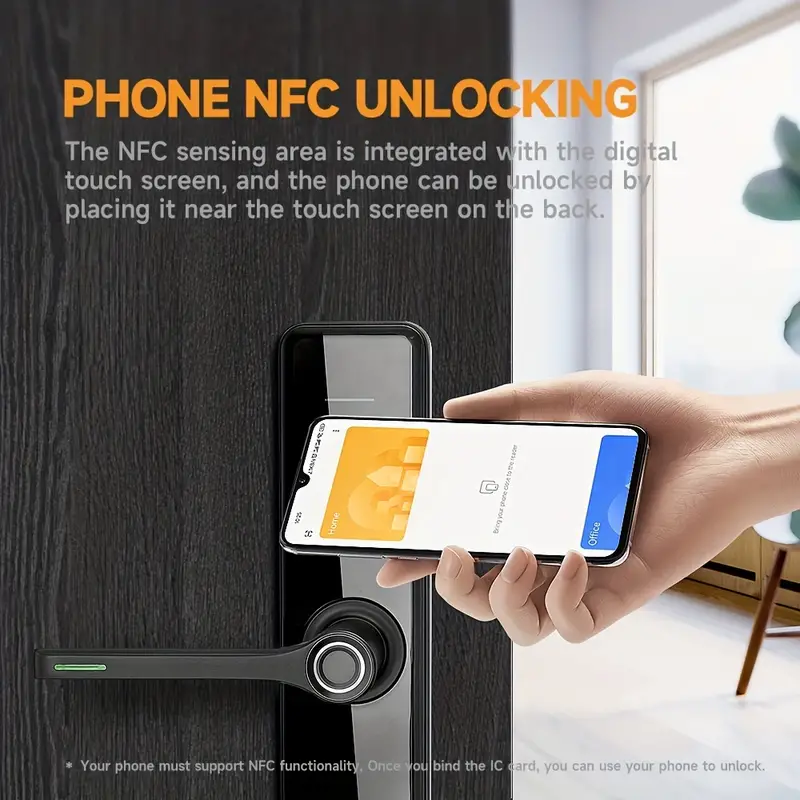
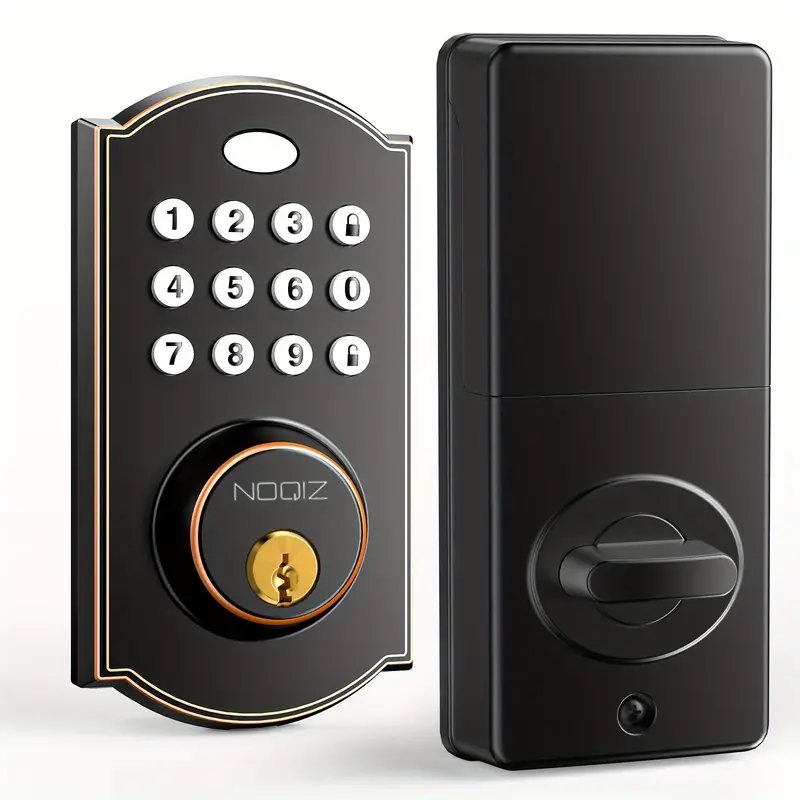
One of the most notable benefits of smart home technology is increased convenience. Homeowners can easily adjust their home environments through voice commands or mobile apps, reducing the need for manual tasks. Furthermore, smart devices often provide significant energy efficiency, as they can optimize energy use based on real-time data, leading to lower utility bills. Enhanced security features, such as smart locks and surveillance cameras, provide peace of mind by allowing homeowners to monitor their properties remotely, receiving alerts in case of unusual activity.
As we look towards 2025, the landscape of smart homes is expected to expand further, with innovations that continue to improve the way we live. This overview serves as a precursor to exploring specific smart devices that are anticipated to play vital roles in enhancing the future of home automation and security.
Key Trends in Smart Home Technology for 2025
The realm of smart home technology is witnessing remarkable advancements that are set to redefine consumer experiences in 2025. One of the most significant trends is the integration of artificial intelligence (AI) into smart devices. AI enhances device functionality by enabling them to learn from user behavior, making it possible for devices to anticipate needs and adapt accordingly. For example, smart thermostats can adjust temperatures based on individual routines, promoting both comfort and energy efficiency.
Another critical trend is the enhancement of Internet of Things (IoT) connectivity. Seamless integration of multiple smart devices allows users to control them through a unified platform, creating a more cohesive smart home ecosystem. This trend not only simplifies the user experience but also increases the interoperability of devices from different manufacturers. Consumers are increasingly looking for smart home systems that can integrate varied devices, ensuring enhanced convenience and a richer user experience.
Energy management systems are also gaining traction, as more homeowners become conscious of their energy consumption. Innovative smart devices that monitor and optimize energy use are essential to creating sustainable living environments. These smart solutions encourage responsible energy use and can help reduce utility costs, resonating well with an increasingly eco-conscious consumer base. As sustainability becomes a central focus, the demand for eco-friendly smart devices continues to rise, leading manufacturers to prioritize energy-efficient features in their offerings.
Additionally, with the rapid evolution of smart home technology, consumers are showing a preference for devices that offer advanced security features. Enhanced surveillance systems, smart locks, and motion detectors are becoming more popular, as homeowners aim to protect their properties from potential threats. In combination, these trends signal a shift towards smarter, more sustainable, and secure home environments that cater to the evolving needs and preferences of consumers.
Top Smart Home Devices to Watch in 2025
As technology advances, smart home devices continue to evolve, offering enhanced convenience, security, and energy efficiency. In 2025, several key devices are expected to play a significant role in creating a connected and efficient home environment. Below are some top smart home devices to consider incorporating into your lifestyle.
Smart speakers, such as the latest models from Temu. Best Wireless Speakers 2024, ZEALOT S49 10W Wireless Speakers, Outdoor Portable Subwoofer Speaker, Wireless Speaker, Dual Pairing, 3600mAh Battery, Boombox, Party Box, 12 Hours Playtime Loud Stereo, Booming Bass. Charging Cable And Aux Cable, Connect With Mobile Phone/Tablet/TV. For Home, Car, Outdoor, Camping. 4.8*****
Wireless Speakers6D Cinematic SoundCamo Black Speaker
Security is paramount, and advanced smart security cameras are anticipated to offer enhanced features. Look for models that provide high-definition video, night vision, and smart alerts that integrate seamlessly with your smartphone. Some even offer facial recognition technology, ensuring that only recognized individuals can gain access to your home. These features not only bolster security but also provide homeowners with peace of mind.
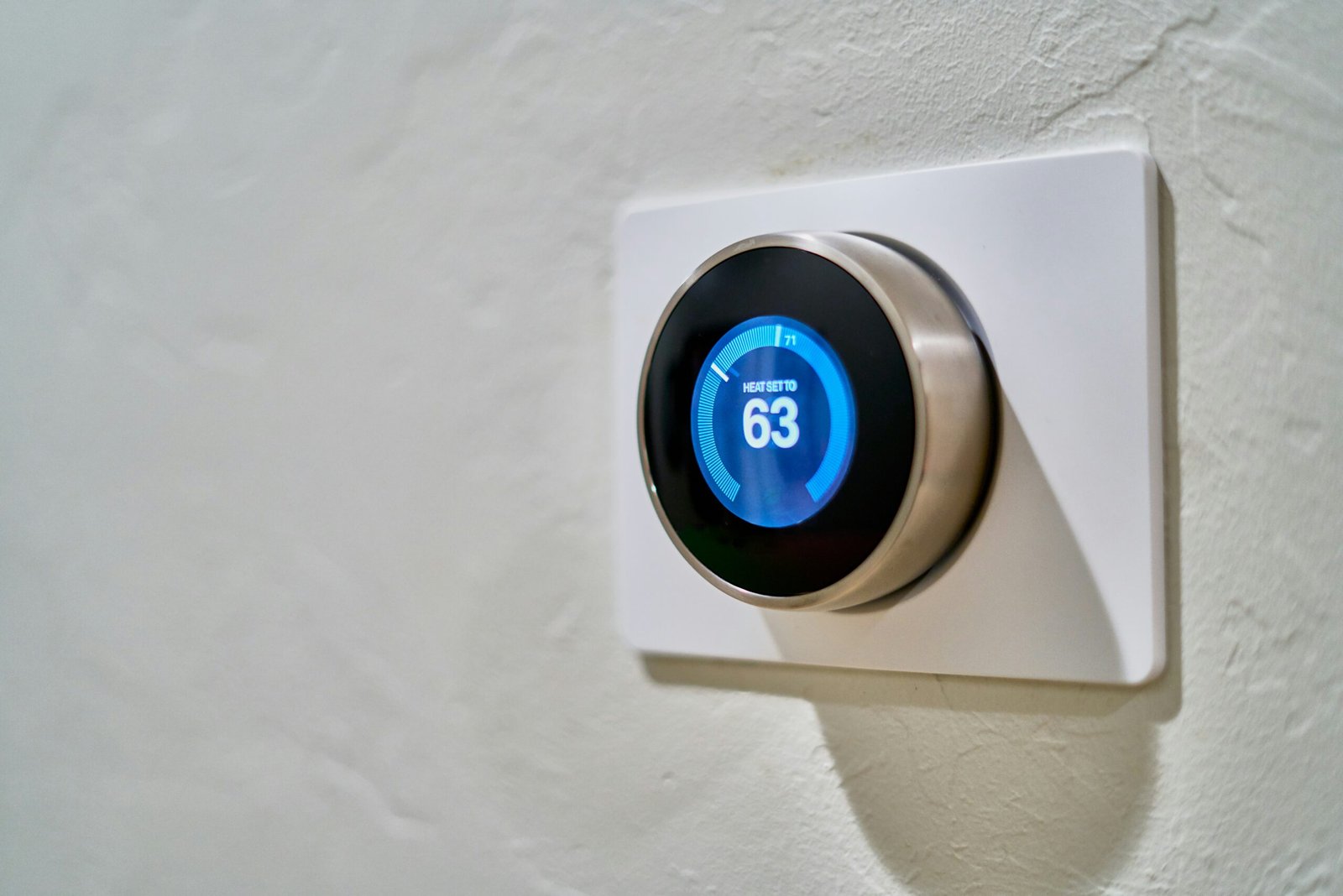
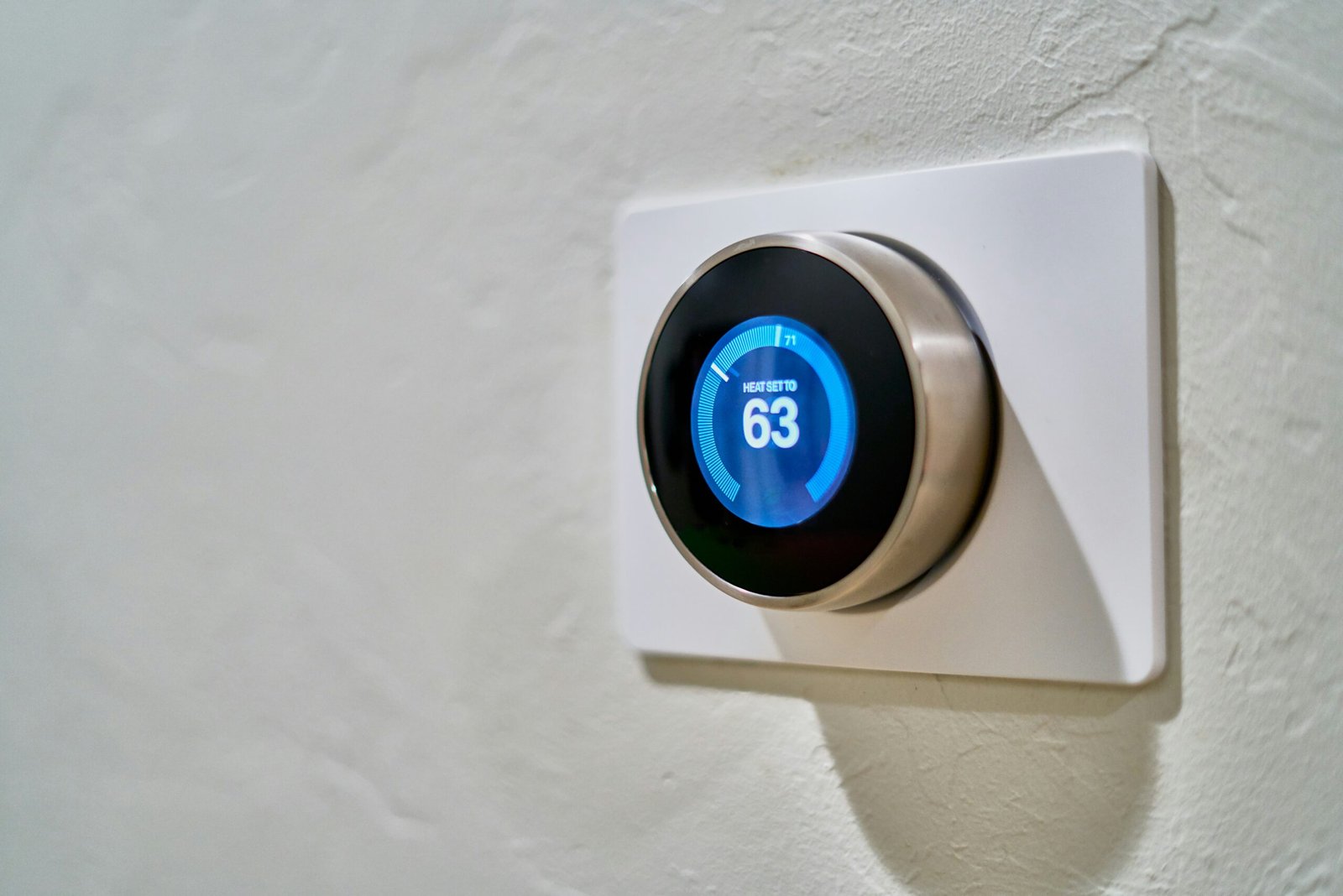
Smart thermostats will continue to lead the market in energy management. Devices like the Nest Learning Thermostat and Ecobee SmartThermostat allow users to optimize their heating and cooling systems based on their habits, resulting in significant energy savings. Many models are compatible with multiple voice assistants, giving users flexibility in how they manage temperature settings.
Home automation systems such as Samsung SmartThings and Apple HomeKit are expected to become more user-friendly, centralizing control over various smart devices. These platforms enable seamless interaction among different devices, enhancing the interconnectedness of your smart home. With customizable routines and security features, they cater to various lifestyles and budgets.
‘When choosing the appropriate devices, it’s crucial to take into account individual tastes and the requirements of the household. Given the vast selection available, homeowners can readily identify smart devices that not only complement their lifestyle but also enhance the efficiency and security of their home.‘
Conclusion: Preparing for the Smart Home of the Future
As we look ahead towards 2025, it is evident that the landscape of smart homes is evolving rapidly, making it crucial for homeowners and enthusiasts alike to stay informed about the latest innovations in this sector. The integration of smart devices into our living spaces is no longer just a trend; it is becoming a necessity for a more efficient and automated lifestyle. From intelligent lighting systems that adjust according to our preferences to advanced security solutions that enhance the safety of our homes, the options available are myriad and compelling.
In the discussion of top devices, we noticed a clear shift towards greater interconnectivity and user-friendly interfaces. The emergence of voice-activated technology, for example, has revolutionized how we interact with our homes, making them more intuitive and responsive to our needs. Moreover, the emphasis on sustainability via energy-efficient devices underscores the increasing consciousness of environmental consequences and the necessity for more intelligent lifestyle decisions. These advancements not only streamline everyday activities but also aid in reducing expenses and improving energy oversight.
As you contemplate the integration of smart technology into your home, it is vital to consider which devices align with your lifestyle and goals. Each product is designed to provide convenience and improve daily life, but understanding their long-term benefits is essential for meaningful adoption. We encourage you to explore various options, assess your specific needs, and envision how a smart home can enhance your living experience.
We encourage you to contribute your perspectives on the evolution of smart homes in the comments section below. Which devices captivate you the most, and how do you envision them transforming your daily living? Participating in this dialogue is a crucial step in joining the smart home movement.
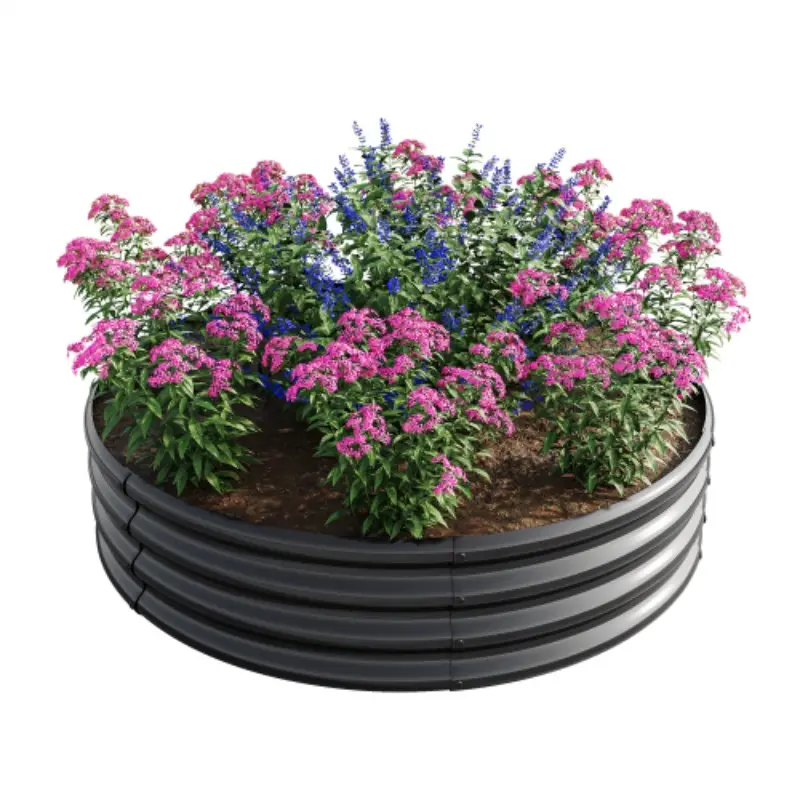
Sustainable home gardening embodies a holistic approach to nurturing both the environment and our personal well-being. This practice focuses on cultivating plants in a manner that minimizes ecological impact while maximizing the health of the ecosystem. One of the cornerstones of sustainable gardening is composting, which not only enriches the soil but also effectively reduces organic waste. By converting kitchen scraps and yard waste into nutrient-rich compost, gardeners can significantly improve soil fertility and structure, providing plants with the essentials they need for robust growth.
Composting serves as a pivotal component in maintaining a sustainable lifestyle. It allows individuals to recycle organic materials that would otherwise contribute to landfill overflow. By diverting waste from disposal, composting reduces methane emissions, a potent greenhouse gas, thereby mitigating climate change impacts. Furthermore, using compost in the garden can decrease the need for chemical fertilizers, fostering a healthier environment for both plants and beneficial organisms essential for soil health.
The benefits of composting extend beyond soil enrichment and waste reduction. It enhances the biodiversity of the garden by creating a thriving habitat for various microorganisms and earthworms that contribute to a balanced ecosystem. As these organisms break down compost, they release essential nutrients back into the soil, promoting vigorous plant growth while combating diseases and pests naturally. Home gardeners who adopt composting not only contribute to their health and the health of their gardens but also support broader environmental objectives such as soil conservation and sustainable land management.
This exploration of sustainable home gardening will review some of the best compost bins available, guiding readers towards efficient solutions for incorporating composting into their gardening practices. By choosing the right compost bin, individuals can streamline their composting efforts and further enhance their contributions towards a sustainable future.
Why Composting is Essential for Your Garden
The presence of compost fosters an environment ripe for beneficial microorganisms. These organisms play a critical role in breaking down organic matter into absorbable nutrients for plants. By attracting earthworms and other soil-dwelling creatures, compost enhances the biological activity in the soil, leading to improved fertility and disease resistance in plants. This complex ecosystem, nurtured by compost, creates a well-balanced environment conducive to plant growth.
One prevalent option is the compost tumbler, which features a closed container on a rotating axis. This design allows easy mixing of compost material, ensuring that aeration occurs more efficiently. Tumblers are ideal for those who seek a faster composting process, as they can produce mature compost in as little as two to four weeks. They are also less likely to attract pests, making them a popular choice for urban gardeners.
Stationary compost bins are another common type, usually made of wood or plastic, and are designed to hold compost in a fixed location. These bins can be open or enclosed and are suitable for larger quantities of compost material. They allow for natural decomposition, requiring more time but providing larger amounts of finished compost for gardeners with space and patience.
Worm bins, or vermicomposting systems, utilize red wigglers to break down organic waste. This method is particularly suitable for those with limited outdoor space, as it can be done indoors. Worm bins produce nutrient-rich castings that serve as an excellent fertilizer for plants, thus enhancing sustainable home gardening practices.
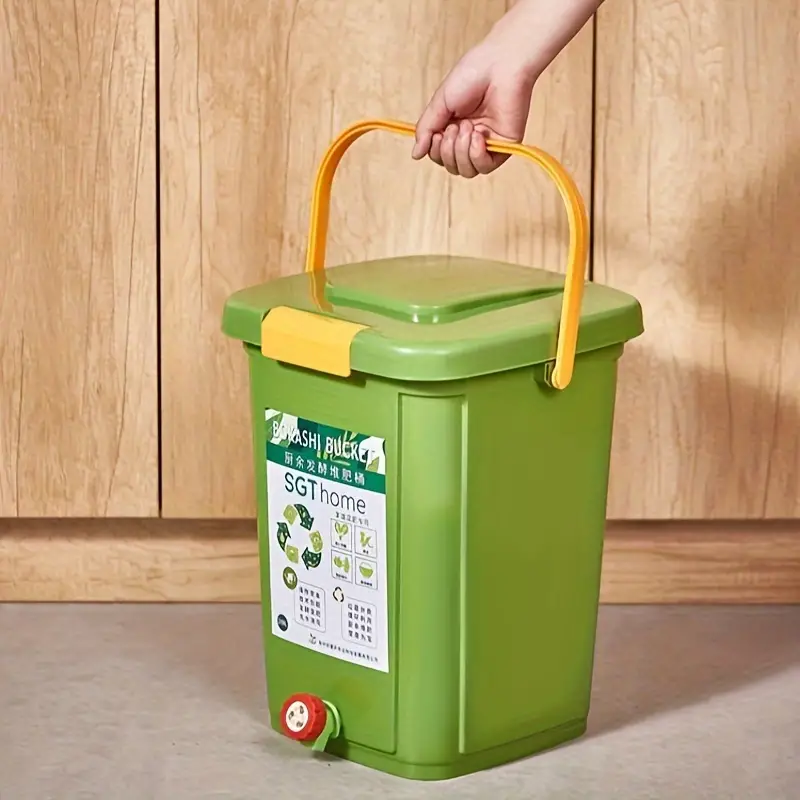
Lastly, Bokashi systems offer an innovative composting approach using fermentation to break down food waste. This method requires minimal space and works well for those who wish to compost kitchen scraps, including meat and dairy products, that traditional composting systems cannot handle. Bokashi can also be used as a pre-treatment before introducing waste into a conventional compost bin.
Overall, each type of compost bin presents unique benefits and is designed to meet various composting needs. By considering the functions and suitability of each option, gardeners can make informed decisions to further their sustainable gardening practices.
Key Features to Consider When Choosing a Compost Bin
When selecting a compost bin, several essential features must be taken into account to ensure effective composting and a seamless gardening experience. One of the primary considerations is the size of the compost bin. The volume of organic waste produced at your home will significantly influence the necessary bin capacity. A bin that is too small will require frequent emptying, while an excessively large one may become difficult to manage. It is vital to assess your gardening space and waste output to find a balance that accommodates both needs.
Another critical aspect lies in the material of the compost bin. Compost bins are typically made from plastic, metal, or wood, each with its own benefits. Plastic bins are lightweight and often come with ventilation holes, promoting airflow, which is crucial for efficient composting. Metal bins, on the other hand, are durable and resistant to pests, while wooden bins offer a more natural look and can fit into garden aesthetics. The choice of material ultimately affects longevity and maintenance requirements.
Airflow is also a key factor in the composting process. Proper aeration helps to accelerate decomposition, so choosing a bin design that allows for adequate airflow is essential. Look for bins with holes or slats that encourage air circulation, promoting a healthy composting environment.
Lastly, drainage is another fundamental feature that often gets overlooked. Proper drainage prevents excess moisture build-up, which can lead to odor issues or slow composting. Select a bin with a drainage system or consider placing it on a well-draining surface to enhance moisture control. By prioritizing these features—size, material, airflow, ease of use, and drainage—you can choose a compost bin that aligns with your lifestyle and gardening ambitions.
Budget-Friendly Compost Options
Choosing a compost bin that aligns with budget constraints while maintaining quality is essential for sustainable home gardening. Here, we present a selection of cost-effective compost bins available on Temu that cater to various needs and preferences.
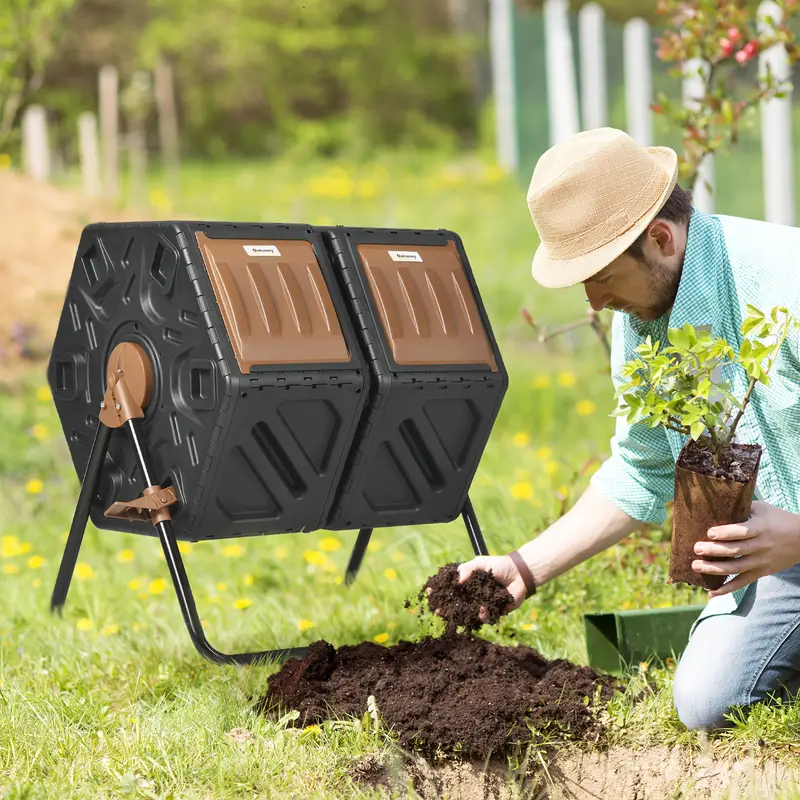
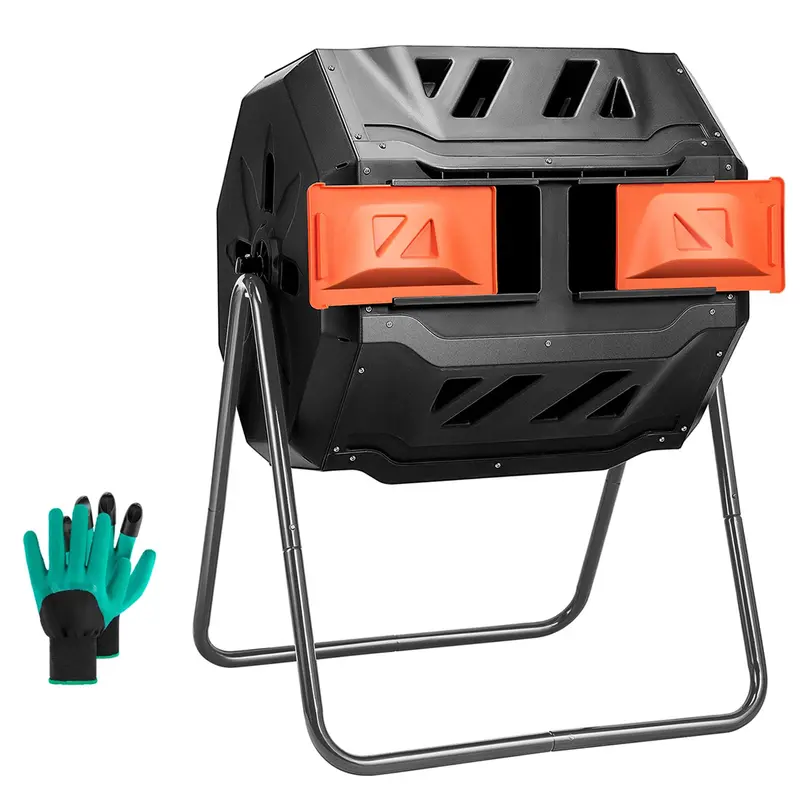
One of the most popular options is the Tumbling Composter. This bin features a dual-chamber design, allowing users to fill one side while the other side efficiently decomposes. Key features include a sturdy construction, ease of use, and quick aeration.
Another great choice is the Plastic Compost Bin. This bin is known for its lightweight design and easy assembly. It provides excellent ventilation and is crafted from recycled materials, contributing to eco-friendliness. Its affordability and durability make it a perfect option for budget-conscious gardeners. The downside here is that the composting process may take longer, which could deter some users seeking rapid results.
For those with limited outdoor space, the Kitchen Compost Collector is an excellent investment. This compact bin can be kept in the kitchen for easy access, allowing users to collect scraps readily. This bin typically comes with a filter to manage odor, making it ideal for urban living. While its capacity may be low compared to larger compost bins, it effectively encourages users to compost regularly without overwhelming them.
In conclusion, selecting a budget-friendly compost bin need not involve sacrificing quality or efficiency. By carefully considering options like Tumbling Composters, Plastic Compost Bins, and Kitchen Compost Collectors from Temu, gardeners can find practical solutions that fit their financial needs while promoting sustainable practices effectively.
Smart Gardening Tools to Pair with Your Compost Bin
To create a truly sustainable gardening experience, combining a high-quality compost bin with smart gardening tools can significantly enhance efficiency and productivity. Several essential tools complement compost bins by promoting healthier soil, effective plant care, and streamlined gardening practices. Below are some noteworthy options available on Temu.
First, consider a garden aerator. This tool is designed to perforate the soil, allowing for better air and nutrient circulation. Key features include sharp tines that penetrate tough soil and ergonomic handles for comfortable use. Pros include improved soil health and reduced compaction; however, the main con can be the physical effort required for manual aeration. Prices typically range from $25 to $50, making it a worthwhile investment for any serious gardener.
Next, a soil moisture meter is an indispensable tool in maintaining optimal hydration levels for plants. This device offers real-time feedback on soil moisture, ensuring that you water only when necessary. With features like digital displays and multiple depth probes, these meters can range from $15 to $40. The advantage lies in preventing overwatering, but the downside might include the need for batteries that require replacement over time.
Additionally, consider investing in composting gloves. These are specially designed to protect hands from odors and decomposing matter while working with organic materials. Premium gloves often feature reinforced fingertips and breathable fabrics. Prices can range from $10 to $30. They enhance comfort and hygiene but can hinder dexterity if too thick.
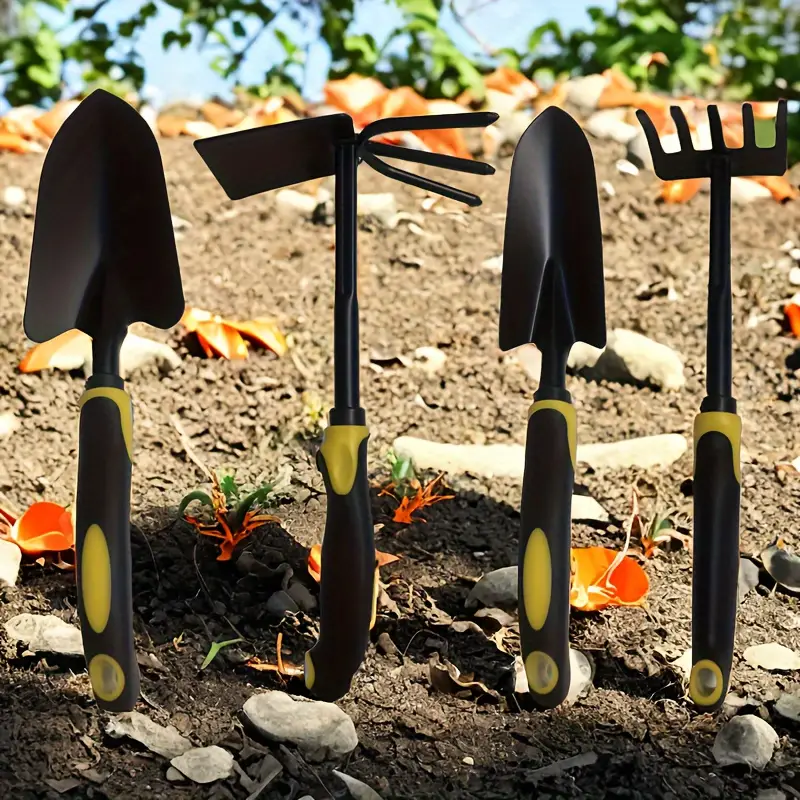
Finally, garden trowels are essential for soil cultivation and planting. Look for models with stainless steel blades and comfortable grips. Prices generally vary from $10 to $25. The pro is their versatility, but inexpensive versions may not hold up to frequent use. Integrating these smart gardening tools with your compost bin will not only streamline your gardening efforts but also foster a more sustainable approach to home gardening.
How to Start Composting: A Step-by-Step Guide
To initiate the process, the first step is to select an appropriate compost bin.
Next, consider the materials you will add to your compost bin. A successful compost mix consists of a balance between “greens” and “browns.” Greens include nitrogen-rich materials such as fruit scraps, vegetable peels, and coffee grounds, while browns consist of carbon-rich items like dried leaves, straw, and cardboard. It is essential to maintain a ratio of about 2:1 browns to greens to ensure efficient decomposition.
Avoid adding meat, dairy, and greasy foods, as they attract pests and disrupt the composting process.
To further optimize the composting process, keep an eye on moisture levels. The compost pile should be damp but not soggy; if it becomes too dry, the decomposition will slow down.
As compost matures, it evolves into a rich, dark, crumbly soil called humus. This nutrient-rich substance can be used to enrich your garden. It’s important to regularly check the compost bin, adding new materials as they become available and maintaining a balanced, moist mixture. With consistent attention and care, you can create your own compost, fostering a sustainable gardening method that benefits both your garden and the environment at large.
Common Composting Mistakes and How to Avoid Them
When materials are compressed, airflow diminishes, leading to anaerobic conditions that can produce foul odors and slow down the composting process. To avoid this, ensure that the materials are well-mixed and utilize a pitchfork or garden fork to aerate the pile regularly.
Neglecting to turn the compost pile frequently is a common oversight, which can also impede the composting process. By turning the pile every few weeks, you provide essential oxygen to the microorganisms responsible for decomposition, promoting faster breakdown, water as necessary.
Recognizing these frequent mistakes will help gardeners cultivate a more successful composting experience. With proper aeration, material selection, and regular maintenance, creating a sustainable compost pile will become a rewarding aspect of home gardening.
Conclusion: Embrace Composting for a Sustainable Future
Incorporating composting into your home gardening routine is a crucial step towards achieving a sustainable lifestyle. By transforming kitchen scraps and yard waste into nutrient-rich compost, you enrich your soil naturally, promoting plant health without the need for chemical fertilizers. As we’ve discussed, investing in a quality compost bin not only facilitates this process; but also encourages an eco-friendly mindset that resonates with the principles of sustainable living.
Composting effectively reduces landfill waste, thereby lowering greenhouse gas emissions associated with organic material decomposition. The use of compost enhances soil structure, increases moisture retention, and supports biodiversity in your garden, leading to more resilient plants. Furthermore, utilizing compost contributes to a circular economy, where your household waste contributes positively to your food growth cycle. This not only saves you money on fertilizers but also enhances the growth of organic produce in your home garden.
As you consider the best compost bins suitable for your garden, take note of your space and needs. Whether you choose a tumbling compost bin for faster results or a stationary composter for larger quantities, the benefits of composting are undeniable. For those committed to sustainable gardening practices, adding smart gardening tools can further augment your efforts. These tools help fine-tune your gardening strategy and ensure optimal growth for your plants while minimizing resource usage.
Ultimately, making the switch to composting is a decision that benefits not just your garden but also the planet.
Conclusion: Embrace Composting for a Sustainable Future
Incorporating composting into your home gardening routine is a crucial step towards achieving a sustainable lifestyle. By transforming kitchen scraps and yard waste into nutrient-rich compost, you enrich your soil naturally, promoting plant health without the need for chemical fertilizers. As we’ve discussed, investing in a quality compost bin not only facilitates this process; but also encourages an eco-friendly mindset that resonates with the principles of sustainable living.
Composting effectively reduces landfill waste, thereby lowering greenhouse gas emissions associated with organic material decomposition. The use of compost enhances soil structure, increases moisture retention, and supports biodiversity in your garden, leading to more resilient plants. Furthermore, utilizing compost contributes to a circular economy, where your household waste contributes positively to your food growth cycle. This not only saves you money on fertilizers but also enhances the growth of organic produce in your home garden.
Ultimately, making the switch to composting is a decision that benefits not just your garden but also the planet. By embracing this practice, you become part of a larger movement towards sustainability. Therefore, take the leap, invest in a compost bin, and watch how your gardening journey flourishes in harmony with nature.
The evolution of smart home technology has transformed the way people interact with their living spaces. Over recent years, the integration of connected devices into everyday life has increased significantly, making smart homes a vital component of modern households. Smart home devices are designed to provide an unprecedented level of convenience, security, and energy efficiency, all of which contribute to an enhanced lifestyle.
Moreover, smart home devices significantly improve the security of residential spaces. Advanced security systems, including smart cameras and doorbell systems, allow homeowners to monitor their premises remotely, giving them peace of mind regardless of their location. These devices employ AI and machine learning to enhance functionality, providing alerts and notifications in real time, thereby fortifying the home’s safety mechanisms.
As we delve deeper into the best smart home devices of 2024, it is evident that these innovations are not just a trend; they represent a fundamental shift in how we interact with our homes, enhancing overall quality of life while addressing contemporary challenges related to safety and resource management.
Benefits of Smart Home Devices
The integration of smart home devices into daily life offers numerous advantages that can greatly enhance the living experience. One of the most notable benefits is the convenience of automation. Smart home technology allows homeowners to control various devices remotely via smartphones or voice commands. This capability eliminates tedious tasks such as manually adjusting thermostats or switching off lights, ultimately streamlining everyday activities and saving valuable time.
Energy savings represent an important financial benefit associated with smart home devices. Many smart solutions, including smart thermostats, energy-efficient lighting, and smart plugs, are designed to optimize energy consumption. These devices enable homeowners to monitor their energy usage, set schedules, and automatically adjust settings based on real-time data, resulting in reduced utility bills and a smaller carbon footprint. Consequently, smart home technology contributes to both cost savings and environmental sustainability.
What to Look For in Smart Home Devices
When considering the selection of smart home devices, it is imperative to evaluate several key aspects to ensure a seamless integration into your existing home ecosystem. Compatibility with current systems is paramount; thus, before purchasing any new device, check whether it is compatible with your home network and other smart devices. This typically includes assessing compatibility with popular smart home platforms like Google Assistant, Amazon Alexa, or Apple HomeKit, which allows for a cohesive user experience.
Top Smart Home Devices of 2024 Available on Temu
As we explore the landscape of smart home technology in 2024, Temu emerges as a prominent marketplace where consumers can find a variety of innovative and practical devices designed to enhance the modern living experience. Below is a curated list of some of the best smart home devices available on Temu.
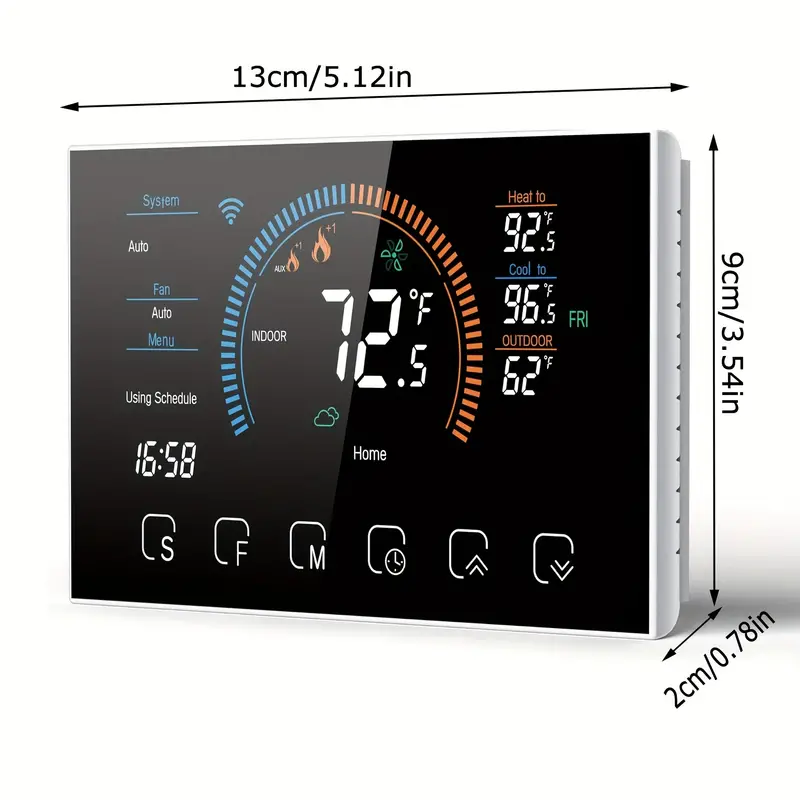
1. Smart Thermostat This device allows users to monitor and control their home temperature remotely via voice command application. Key features include scheduling options, energy-saving modes, and compatibility with various heating and cooling systems. Pros include reduced energy bills through optimized heating strategies, making it ideal for homeowners looking to streamline heating costs.
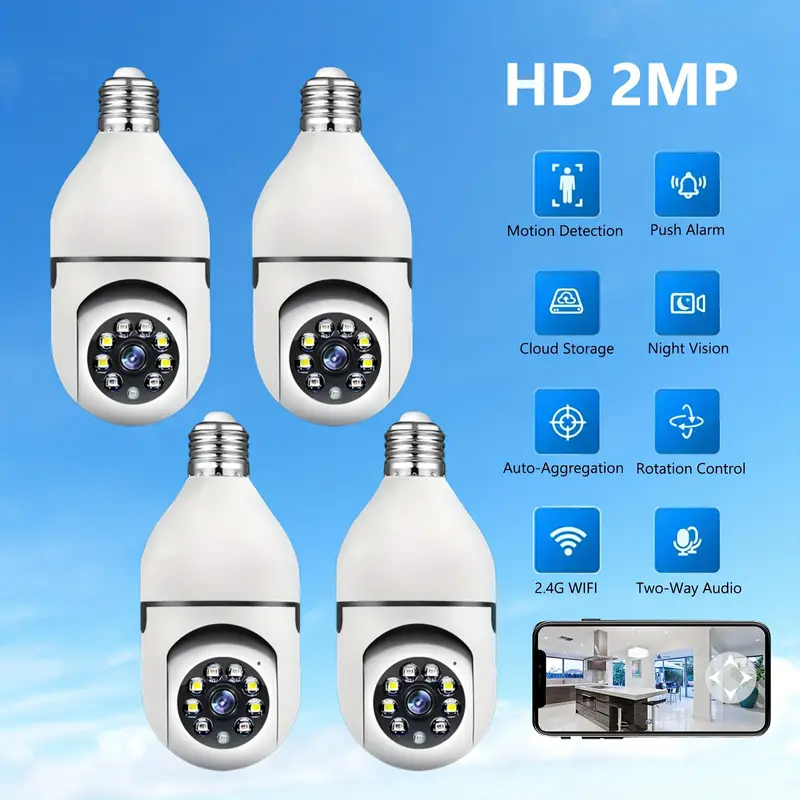
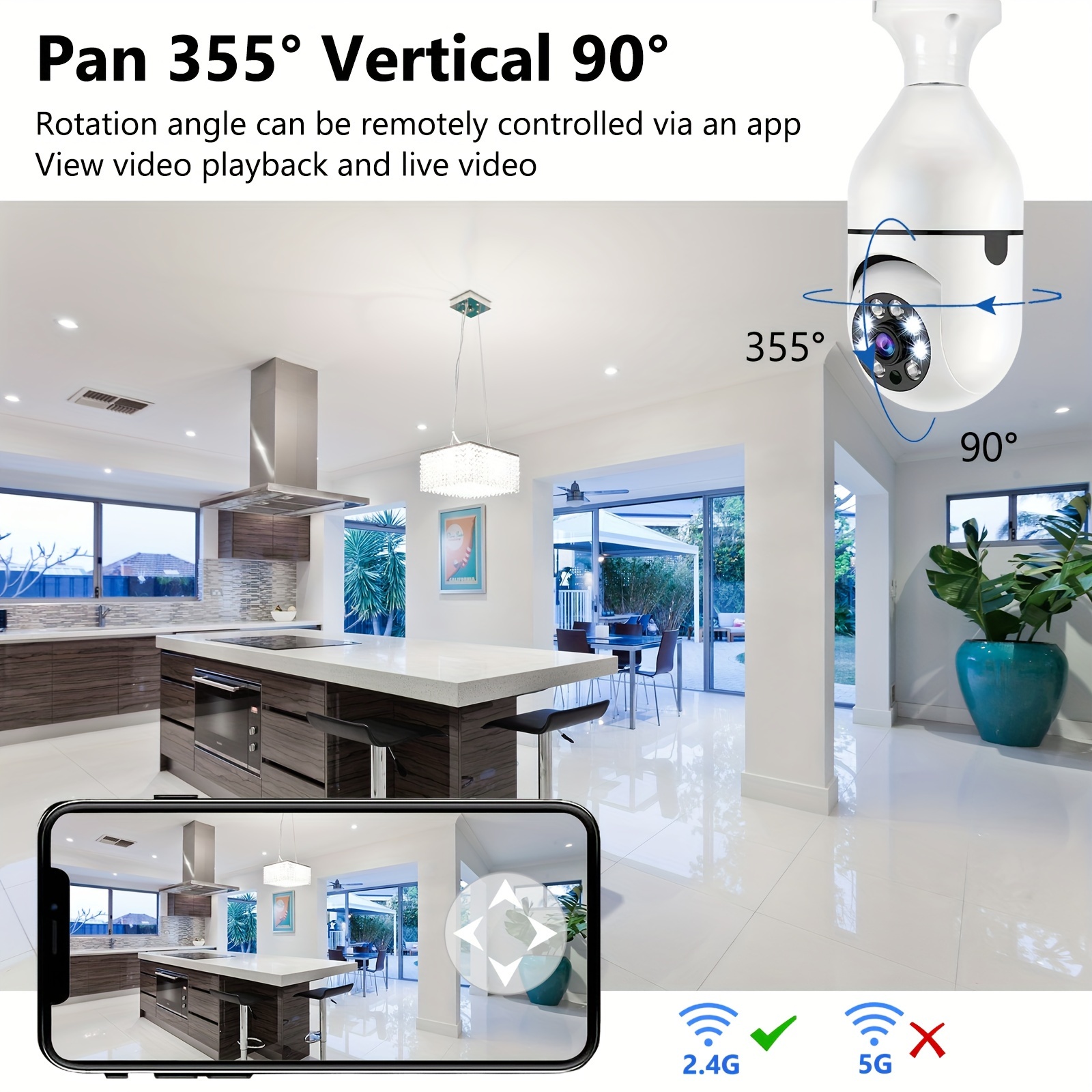
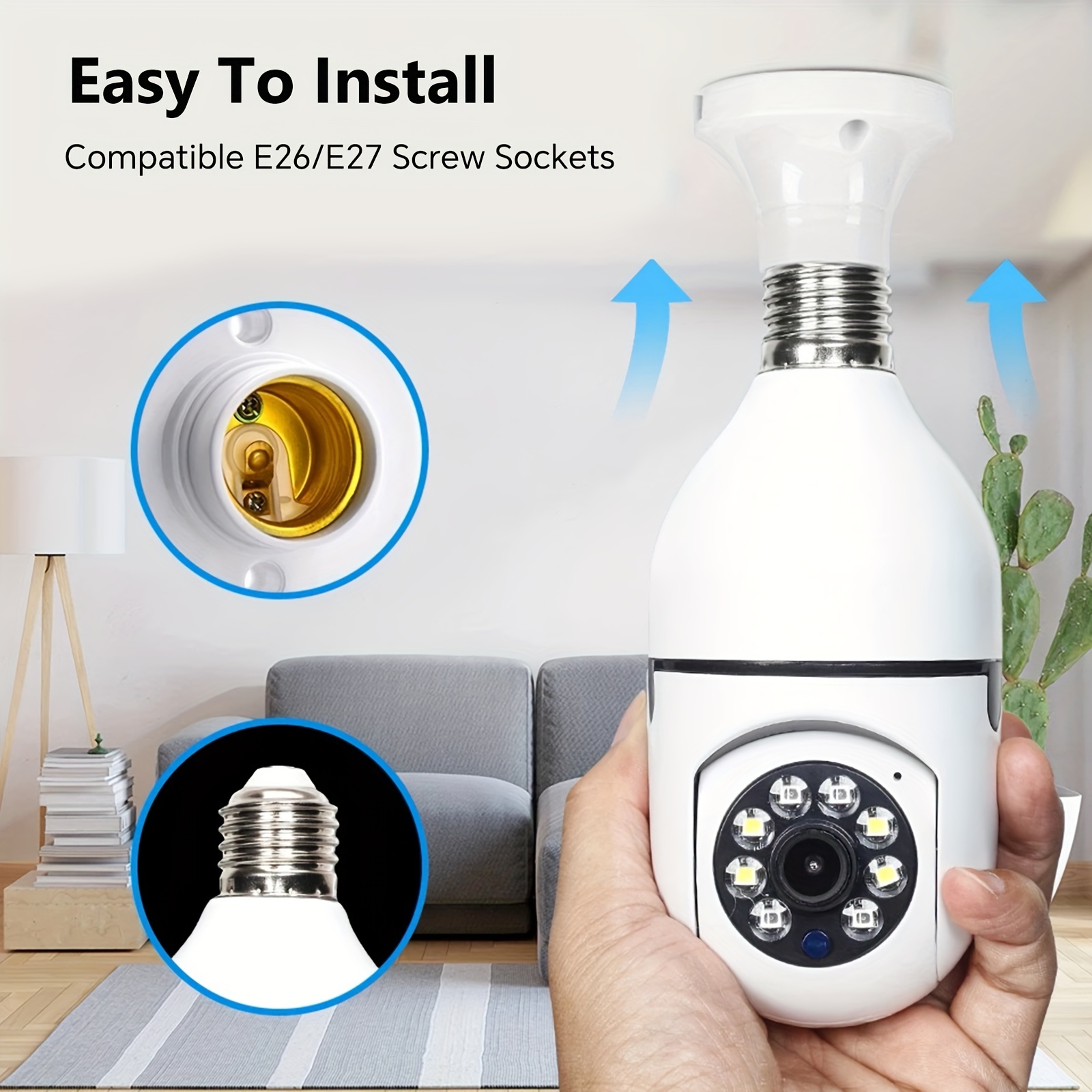
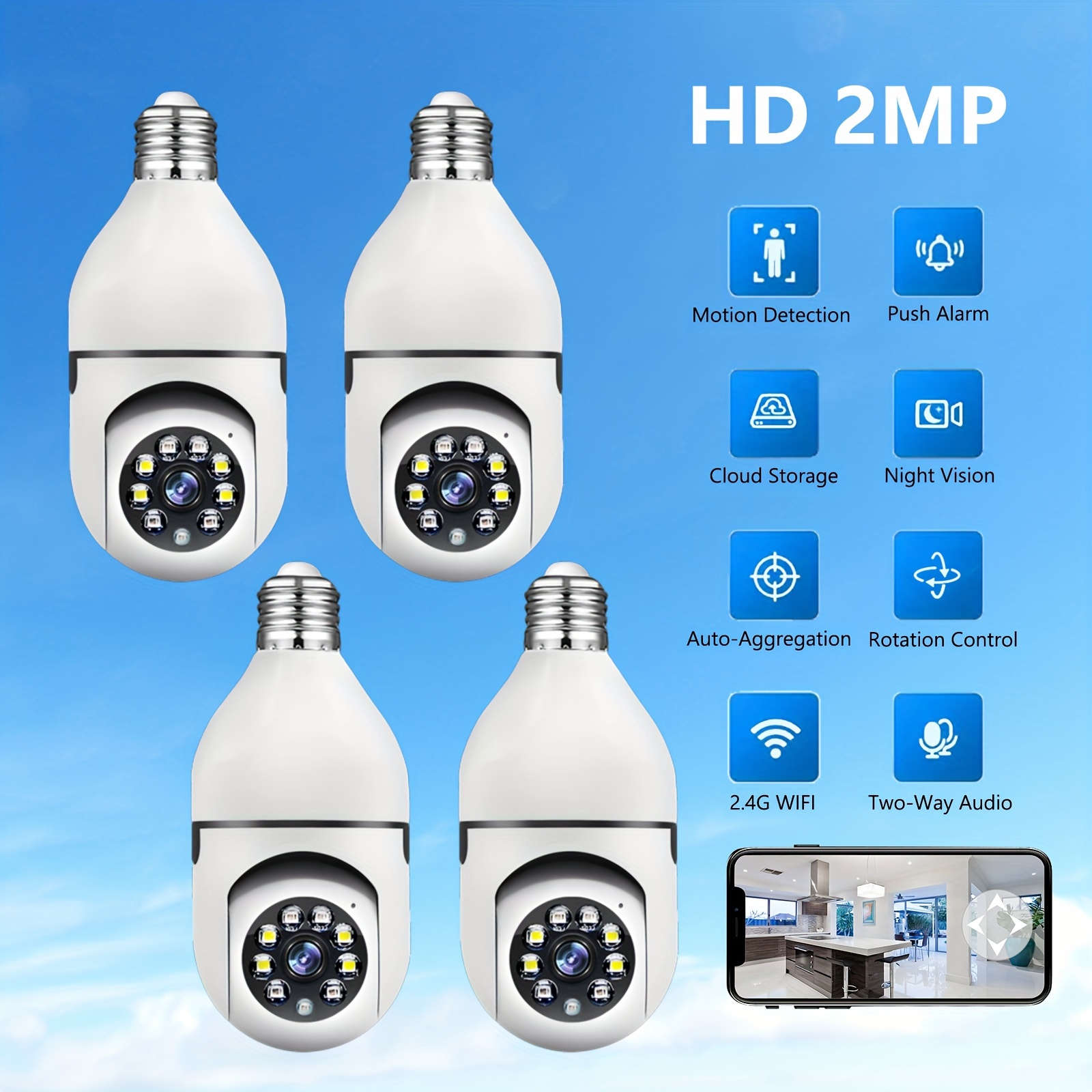
2. Smart Security Camera Equipped with high-definition video quality and night vision, this camera enhances home security by providing real-time video feeds accessible from smartphones. HD1080P Wireless Light… 1PC HD1080P Wireless Light Bulb Camera, Indoor Outdoor WIFI Camera, E27 AI Smart PTZ IP Camera, Two Way Audio Motion Detection Alarm Push Night Vision. Solar Battery Power.
3. Smart Lighting System This product allows users to adjust lighting conditions through Remote Control. Features include 3 lighting colors. Dimmable Modern Nordic Creative Home Lighting. Advantages are energy efficiency and convenience. Surface mounted for Bedroom, Living Room, Corridor Balcony LED Lamp, Wide Voltage 85V-265V. This system is perfect for those who enjoy ambiance control.
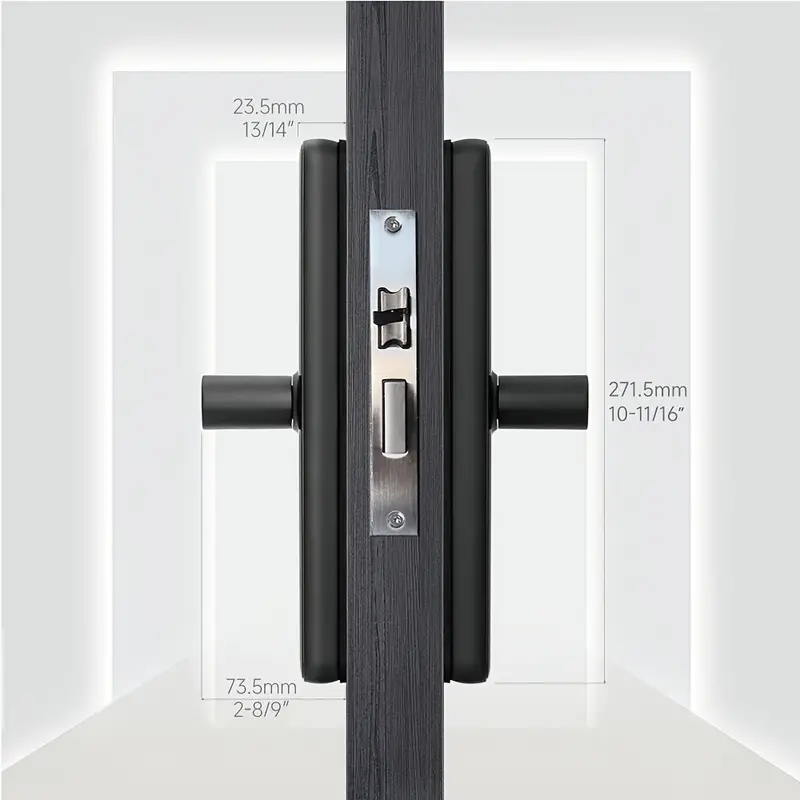
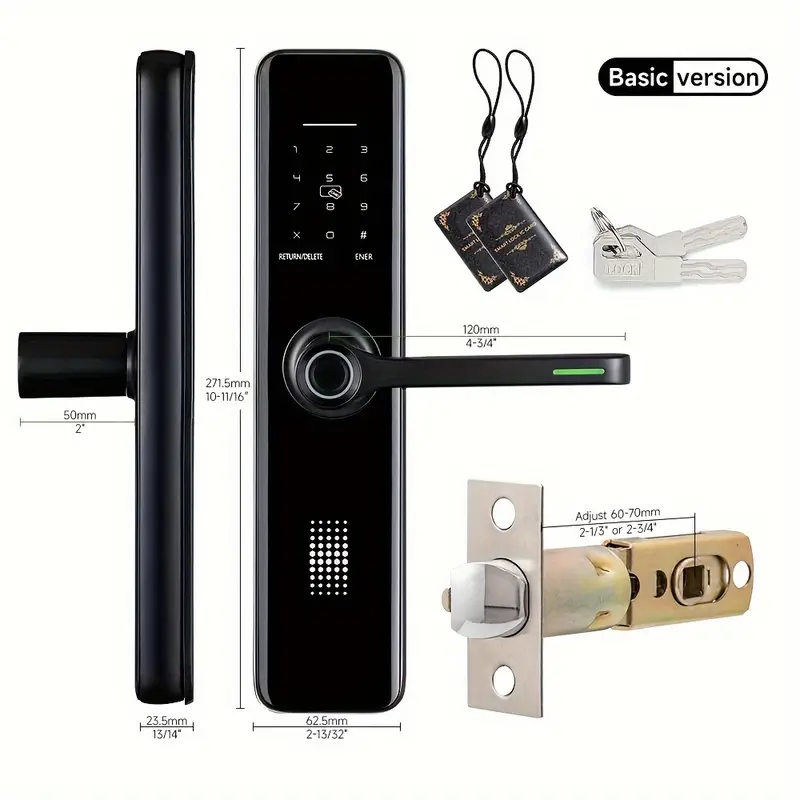
As technology continues to advance, smart security systems have emerged as essential tools for safeguarding homes in 2024. These systems integrate various features designed to enhance security, providing homeowners with peace of mind. Key elements such as video surveillance, motion detection, and smart locks work together to create a comprehensive security solution.
By combining these elements, homeowners can create a tailored security system that meets their specific needs. The integration of smart technology into security systems not only ensures better protection but also enhances the overall convenience of managing home security.
Conclusion: Elevate Your Home with Smart Technology
As we navigate through the advancements of technology, the significance of selecting quality smart home devices cannot be overstated. These devices contribute to creating an efficient, secure, and enjoyable living environment, transforming the way we manage our daily tasks. Investing in smart technology not only simplifies home management but also enhances overall quality of life. With options ranging from smart thermostats that optimize energy consumption to security cameras that provide peace of mind, the integration of these devices fosters a more connected household.