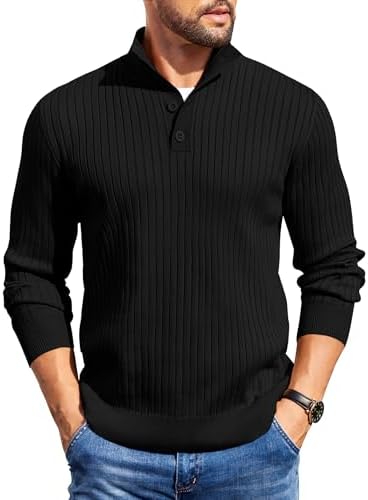
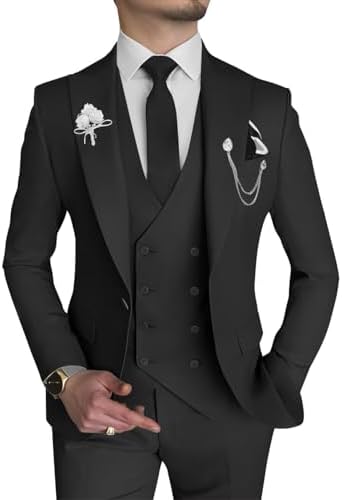
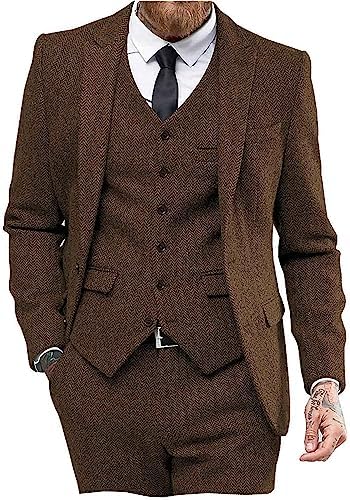
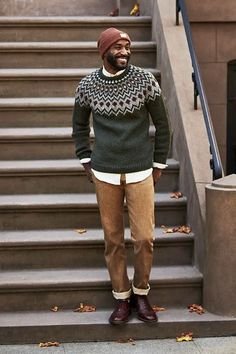
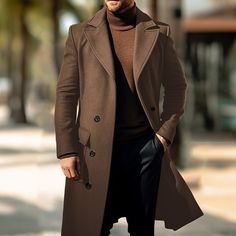
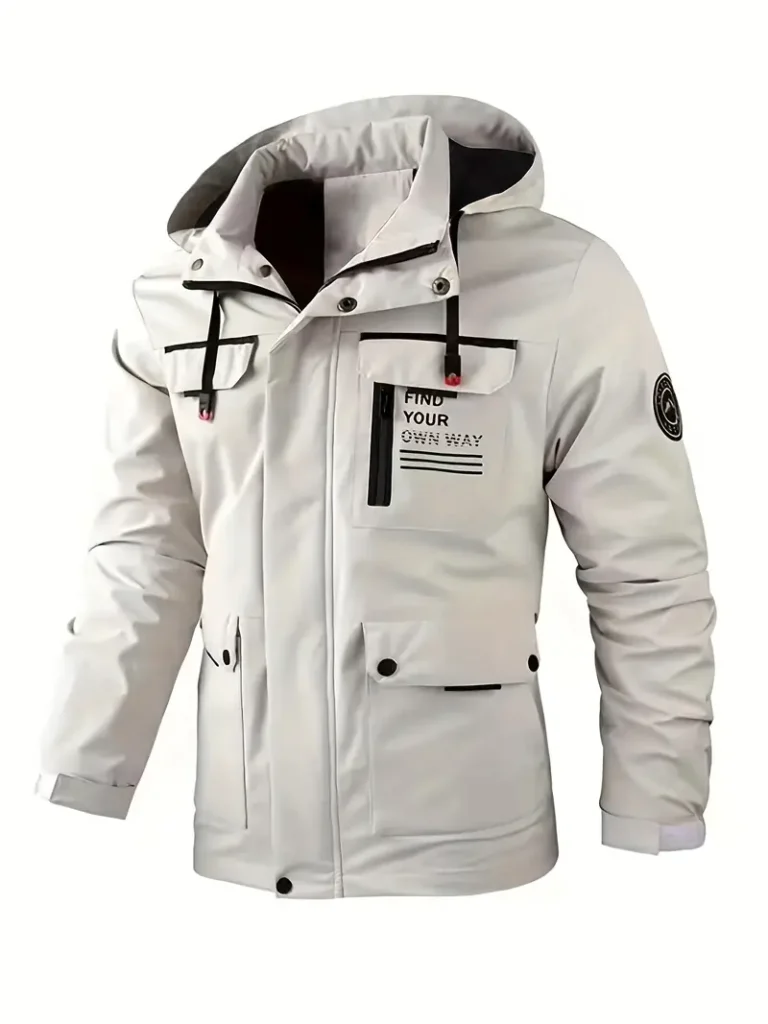
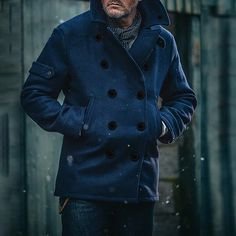
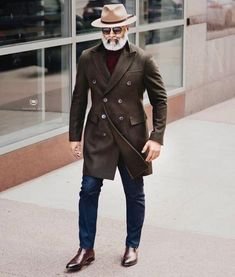
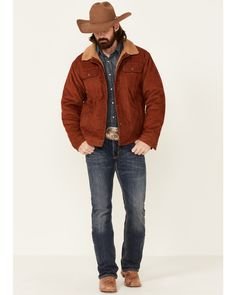
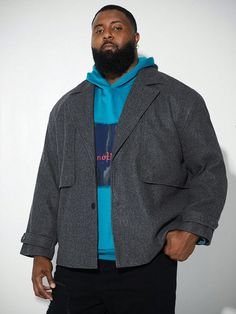
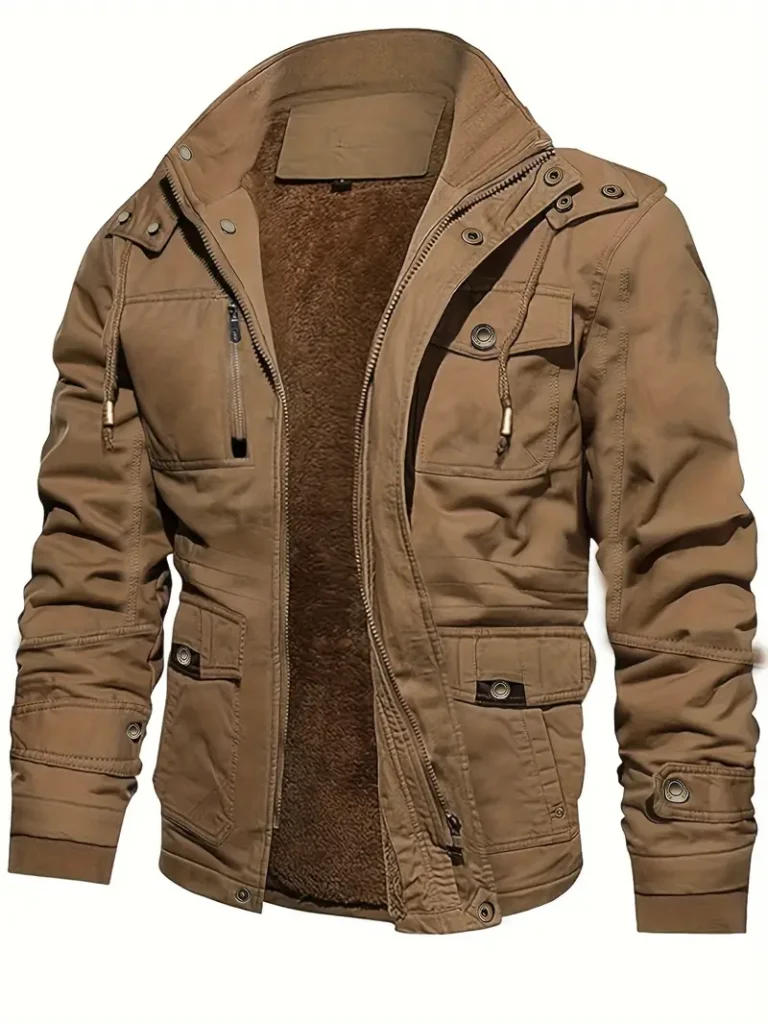
As we approach the fall of 2025, men’s fashion is poised to undergo exciting transformations, reflecting not evolving aesthetics. This season marks a pivotal moment where designers are increasingly embracing sustainability while crafting collections that resonate with modern consumers. The intersection of style and responsibility will play a crucial role in shaping the trends seen in men’s wardrobes this fall.
Key trends for men’s clothing this season emphasize a return to nature-inspired color palettes. Earthy tones such as deep greens, burnt oranges, and rich browns are expected to dominate, mirroring the shift towards environmentally conscious living. Fabrics will also reflect this trend, with a focus on organic materials and sustainable practices. Designers are expected to utilize fabrics that are not only eco-friendly but also offer comfort and functionality, catering to the demands of the modern man who values both style and substance.
In terms of silhouettes, oversized garments will continue to retain their popularity, creating a relaxed yet polished look. This trend signifies a departure from traditional fitted styles, indicating an evolution in how men prioritize comfort without compromising on appearance. Layering will be pivotal as well, allowing for versatile styling options that transition seamlessly from day to night. Accessories, like statement outerwear and eco-conscious bags, will play a complementary role in enhancing the overall aesthetic.
Ultimately, the 2025 fall fashion landscape for men is set to be marked by a harmonious blend of sustainability, bold colors, and innovative designs. As the industry adapts to the demands of contemporary society, it anticipates a season that not only highlights personal style but also encourages responsible consumption.
As the fall season approaches, it is essential for men to update their wardrobes with versatile and stylish clothing items that not only reflect seasonal trends but also provide functionality and comfort. These must-have items will serve as the foundation of any modern man’s fall attire, allowing for easy transitions from day to night.
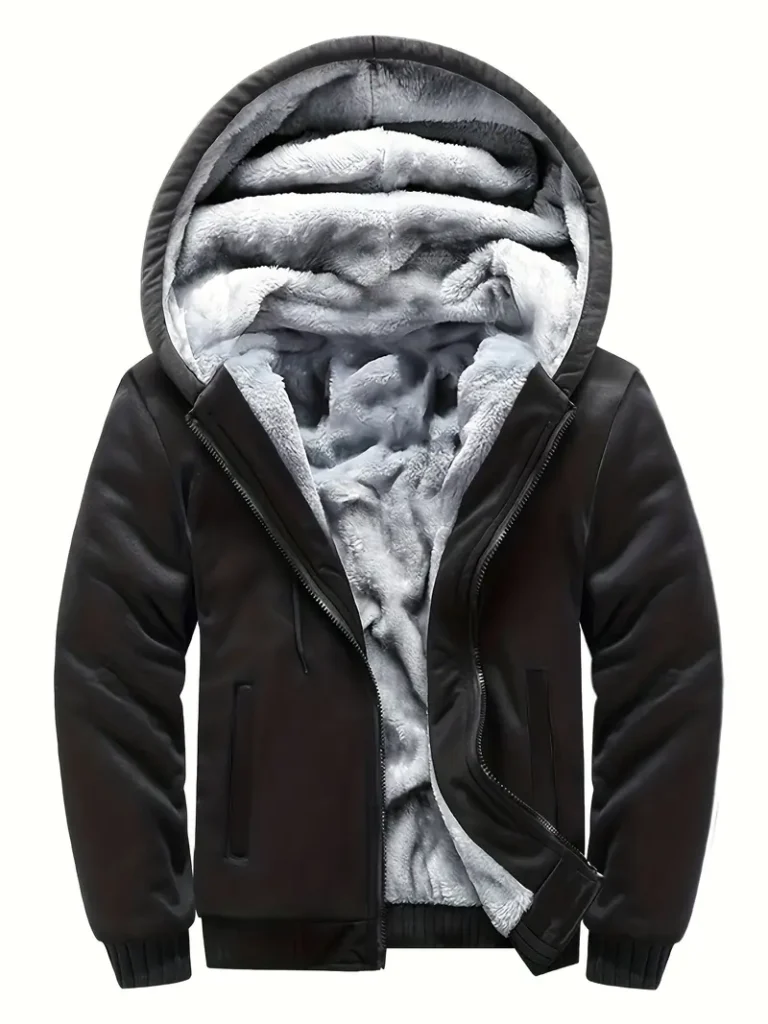
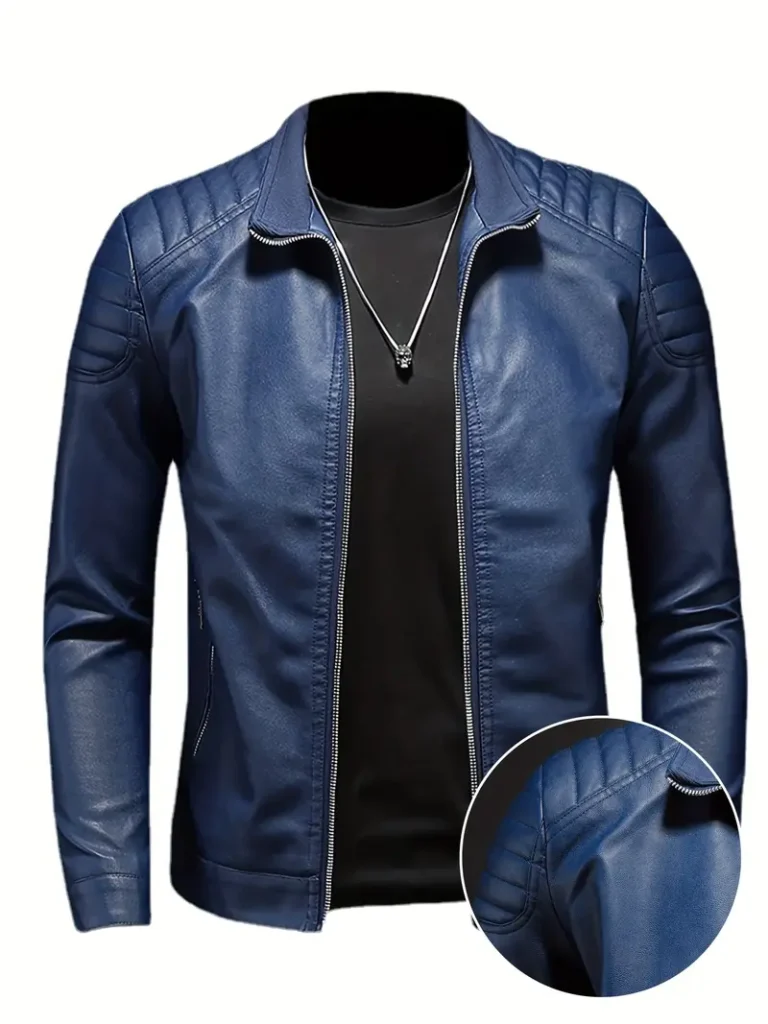
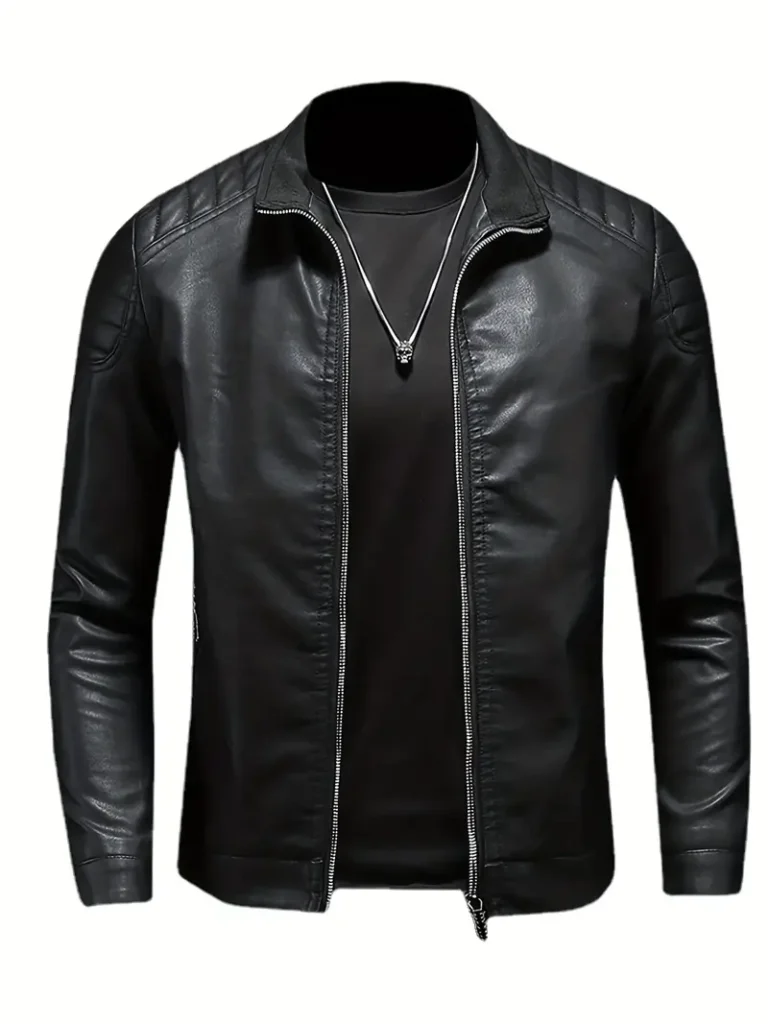
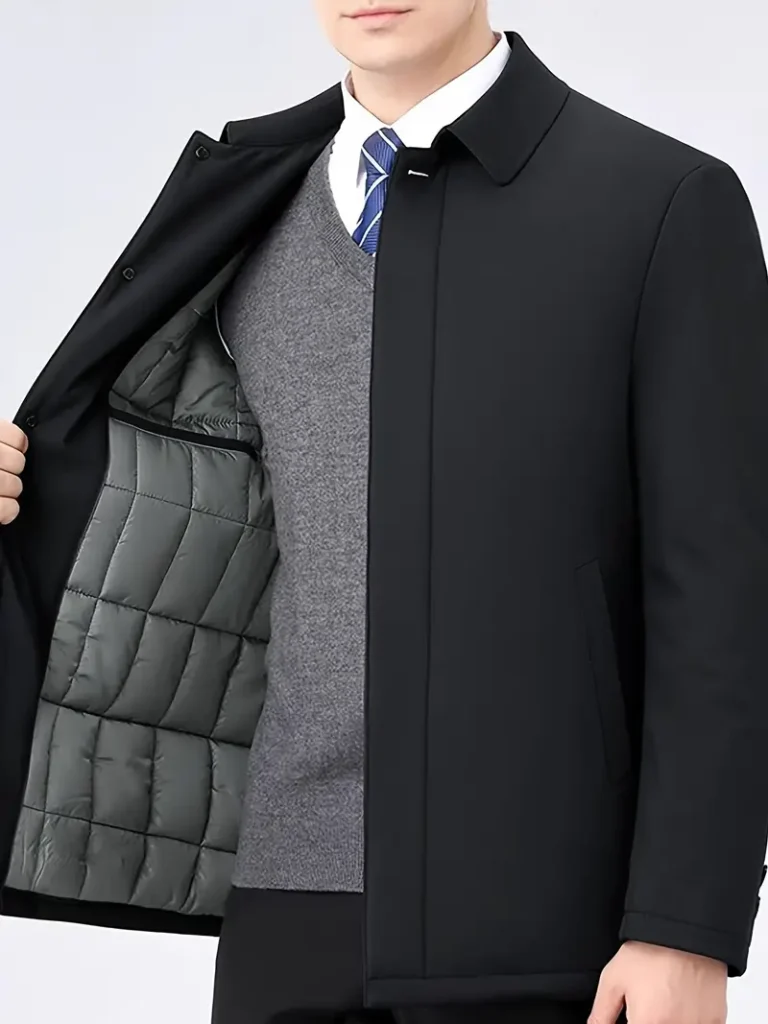
First and foremost, a tailored jacket is an indispensable piece in men’s fall fashion. Look for options such as a classic bomber or a structured blazer made from warm fabrics like wool or tweed. These jackets not only provide warmth but can elevate any outfit, whether paired with casual jeans or dressier chinos. Layering becomes crucial in the fall, so investing in high-quality sweaters is equally important. Cashmere or merino wool sweaters in neutral tones can be easily worn over collared shirts or under jackets, making them a versatile choice for both office wear and casual outings.
No layout selected.
Additionally, trousers play a significant role in defining a man’s fall style. While denim remains a staple, consider adding tailored trousers or corduroy pants to your collection. These alternatives offer a sophisticated vibe that works well for both day events and evening gatherings. To enhance versatility, opt for colors that complement your existing wardrobe, allowing for seamless coordination with various tops.
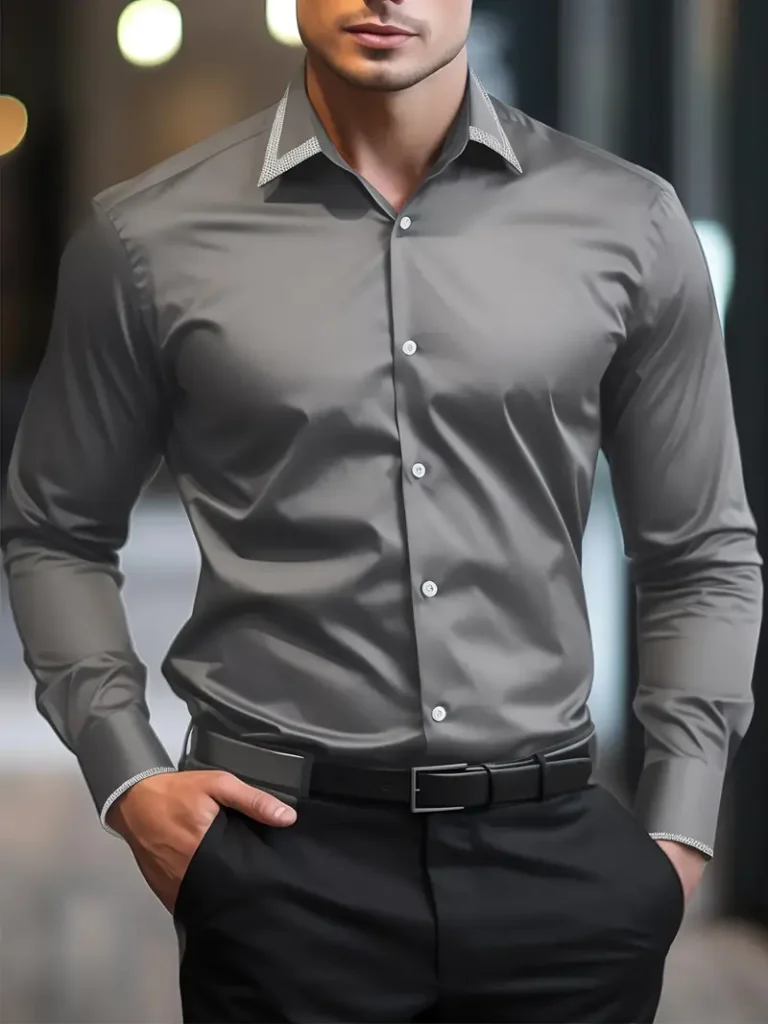
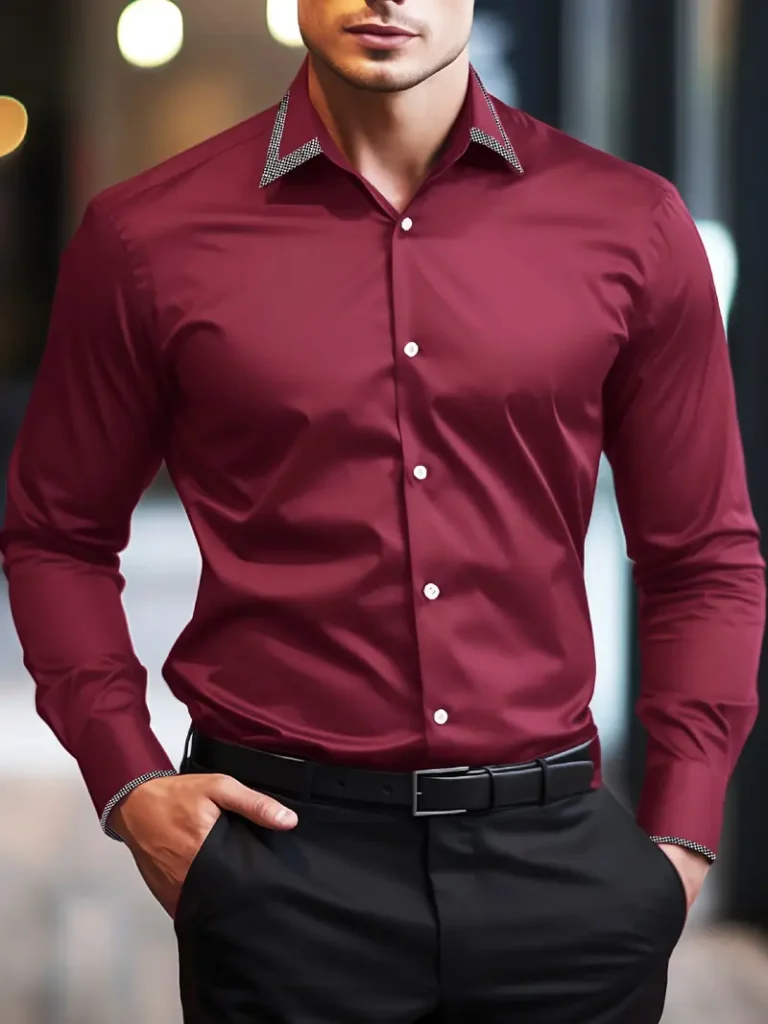
Finally, don’t overlook the power of layering pieces such as long-sleeve shirts and vests. Investing in these transitional items ensures adaptability as temperatures fluctuate throughout the day. For casual weekends, consider a lightweight flannel shirt or a stylish turtleneck to add depth and texture to your outfit.
By incorporating these essential clothing items into your fall wardrobe, you will set a solid foundation for a stylish and functional look that caters to various occasions throughout the season.
Accessorizing for the Season
As we step into the fall of 2025, accessorizing takes center stage in men’s fashion, allowing individuals to infuse their personal style into their outfits. The right accessories can not only elevate a look but also provide functionality and comfort as temperatures drop. In this season, a range of accessories will become essential to complement the broader trends in menswear.
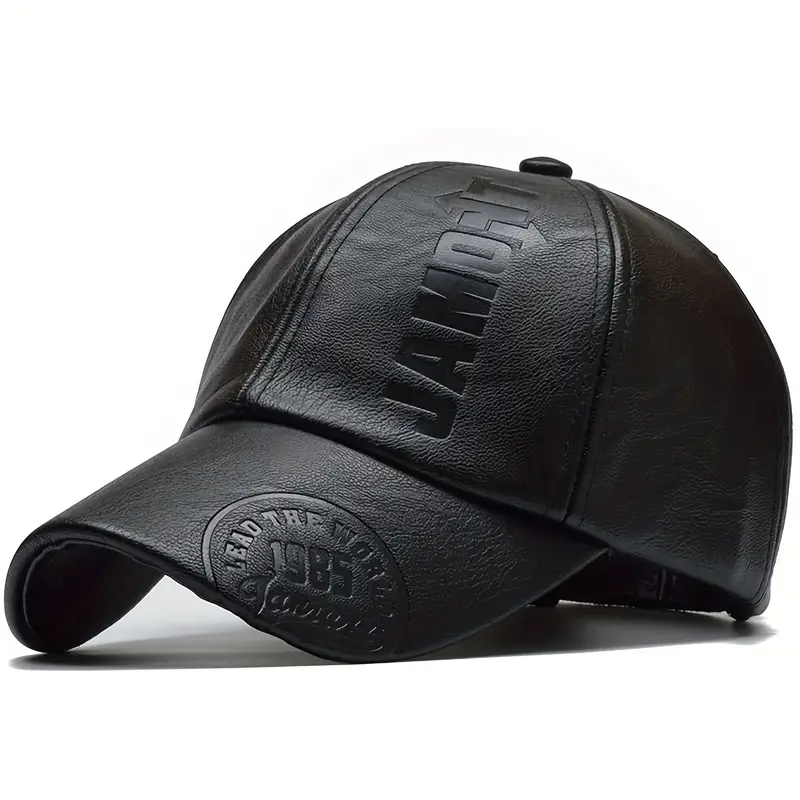
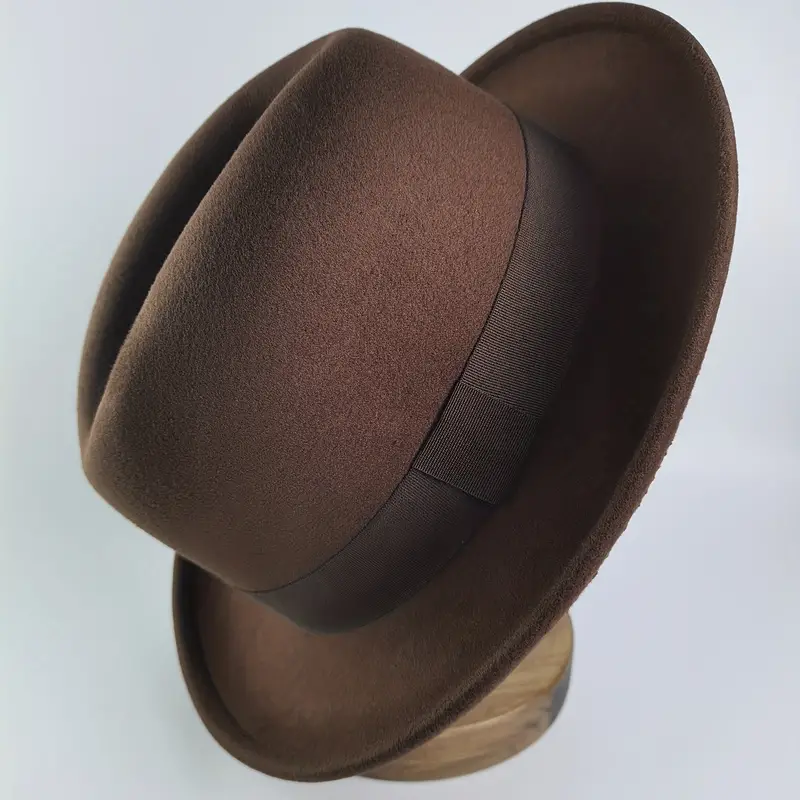
Starting with headwear, the classic fedora is making a resurgence, offering both style and warmth. The use of wool and felt in varying colors provides options that can easily pair with different outfits, making it a versatile addition to one’s wardrobe. Additionally, beanies crafted from soft materials will remain popular, offering a casual yet stylish way to keep warm.
Scarves, too, are a primary accessory that combines both aesthetics and practicality. For fall 2025, expect to see a significant shift towards oversized, chunky knit scarves, often featuring bold patterns and colors. These scarves not only serve the practical purpose of insulation but also add texture and dimension to any ensemble. When draped correctly, they can transform a simple outfit into a polished statement.
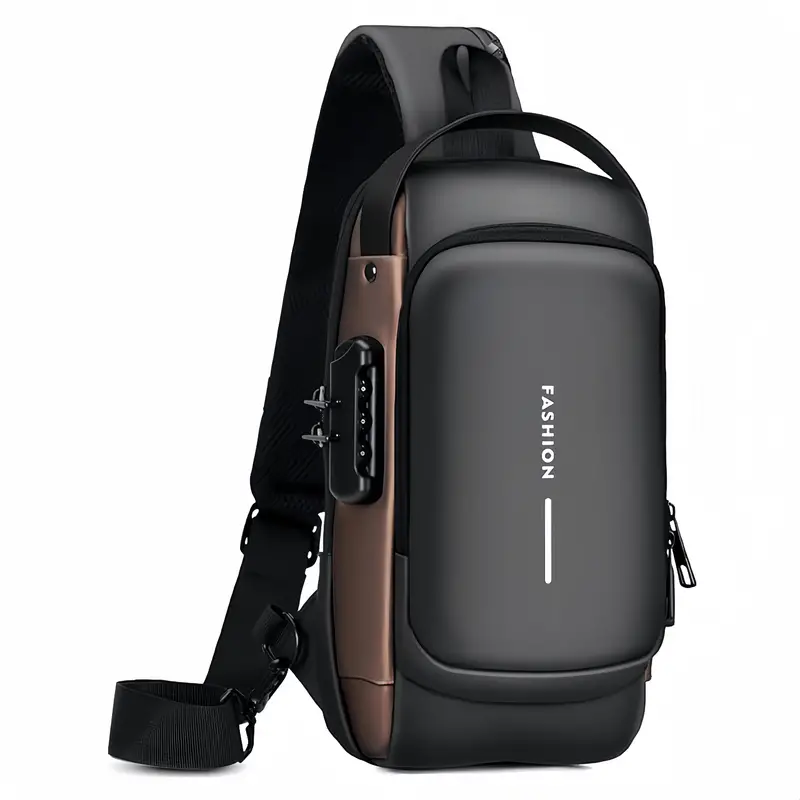
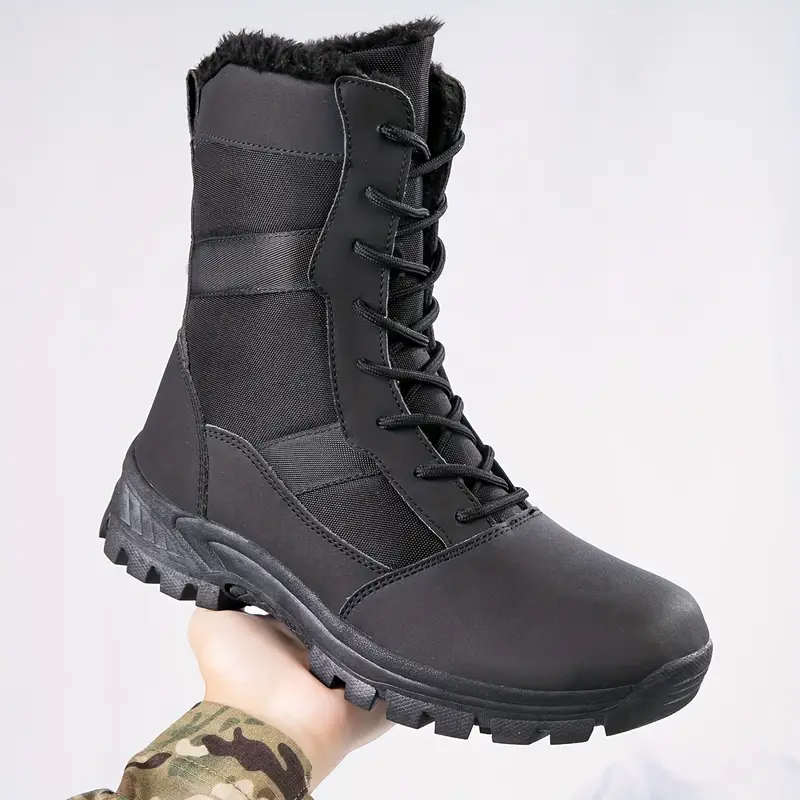
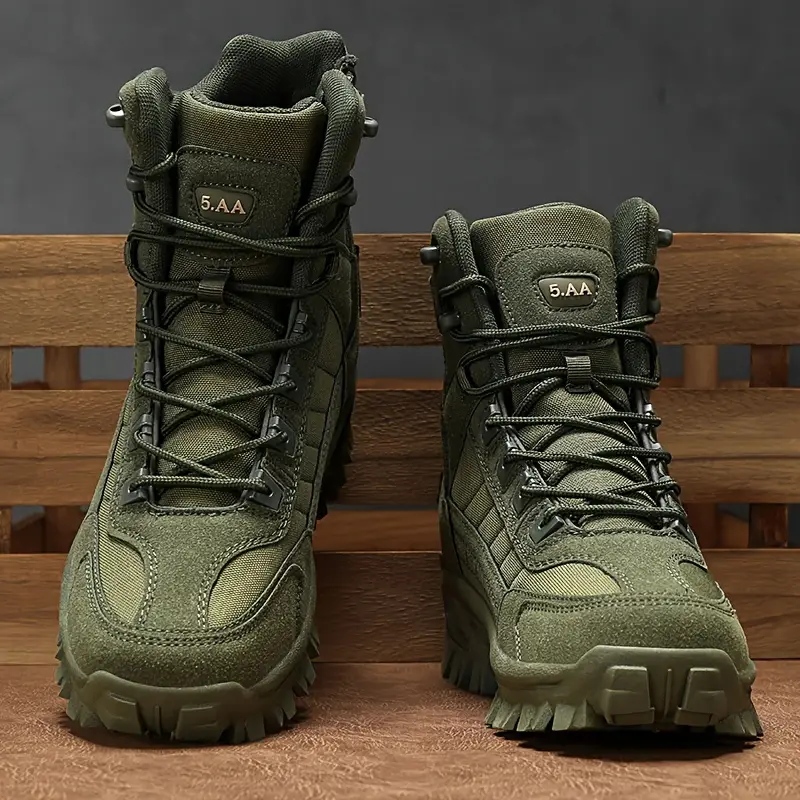
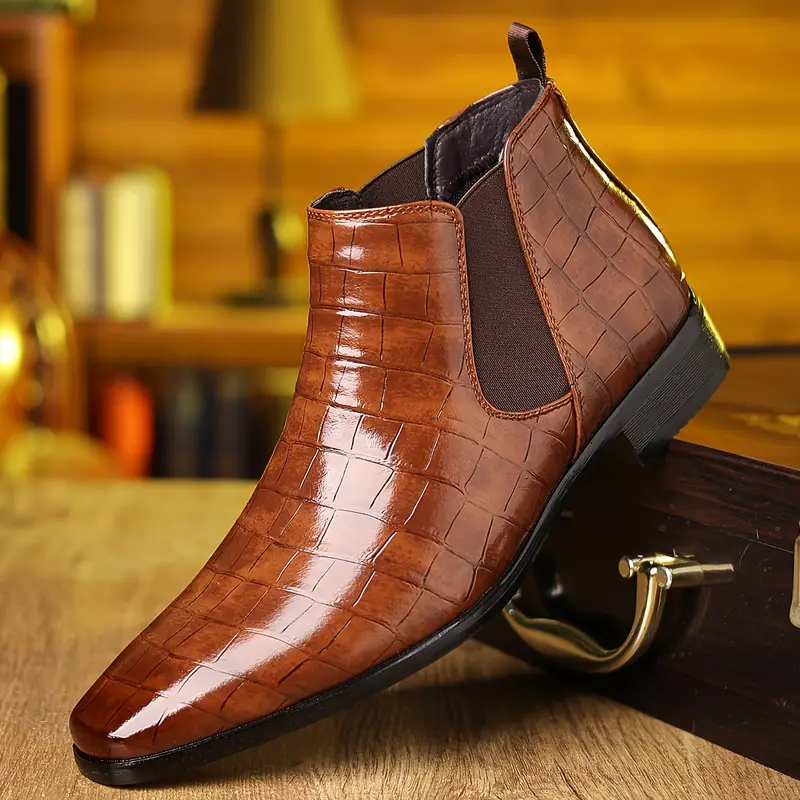
Footwear choices will also play a crucial role in accessorizing this fall. Chunky-soled boots, often in distressed leather or suede, will dominate the accessory landscape. They enhance various types of outfits, from casual jeans to more formal trousers. Furthermore, bags designed for both utility and style, such as messenger bags and structured backpacks, will complement the fall look, providing ample storage while maintaining a fashionable edge.
In essence, this season’s accessories, with their focus on comforting textures and dynamic colors, present an opportunity for men to express themselves creatively. By carefully selecting and integrating these pieces into their daily outfits, they can achieve a comprehensive and stylish fall look that stands out.
The fashion industry is witnessing a significant paradigm shift towards sustainability and ethical practices, particularly within men’s fall fashions for 2025. As consumers become increasingly environmentally conscious, many brands are responding by integrating eco-friendly materials and ethical production methods into their design processes. This shift reflects a broader commitment to reducing the environmental impact associated with clothing manufacturing.
Eco-friendly brands have risen to prominence, offering stylish options that align with the values of today’s consumers. These brands often emphasize the use of sustainable materials such as organic cotton, Tencel, linen, and recycled polyester. By utilizing these materials, they seek to minimize waste and promote responsible consumption. Moreover, many companies are actively working to reduce their carbon footprint throughout the supply chain, implementing practices such as reduced water usage and sustainable energy sources.
Another crucial aspect of sustainable fashion is ethical production practices. This includes fair labor practices, ensuring that all workers receive just wages and work under safe conditions. Brands prioritizing ethical standards contribute to a more equitable industry, garnering support from consumers who are eager to make responsible choices. Fall 2025 will likely showcase a variety of men’s fashion options, from tailored jackets to casual wear, all produced with a commitment to ethical practices.
As consumers navigate their wardrobe choices this fall, it is essential to consider the environmental and social implications of their purchases. By selecting garments from sustainable brands, individuals can showcase their style while simultaneously supporting a more sustainable and ethical fashion landscape. In aligning personal values with purchasing decisions, consumers contribute to a positive change in the industry, paving the way for a future where fashion is not only stylish but also responsible.
As the seasons transition from the warmth of summer to the crispness of fall and the chill of winter, the importance of adapting one’s wardrobe becomes increasingly evident. Fall and winter fashion is not merely about protection against the cold; it showcases an opportunity to express individual style through carefully chosen clothing pieces. Transitional wardrobe elements are essential, as they provide versatility while ensuring comfort in varying temperatures.
One of the fundamental characteristics of fall and winter clothing is the selection of fabrics. During these colder months, heavier fabrics such as wool, cashmere, and flannel become prominent, offering both insulation and texture. These materials are not only practical for retaining heat but also contribute to the aesthetic appeal of outfits. Moreover, layering techniques become crucial, as they allow individuals to adapt to fluctuating temperatures. Wearing a combination of base layers, mid-layers, and outerwear not only enhances warmth but also adds depth and style to any ensemble.
During the fall and winter seasons, color palettes undergo a significant shift. Earthy tones, deep jewel hues, and rich neutrals usually prevail, mirroring the seasonal transformations in the environment. These colors can effortlessly complement the more vibrant pieces common in summer attire. Moreover, seasonal patterns like plaids and florals offer a contrast to the solid shades, adding visual interest to ensembles. Accessorizing with items such as scarves, gloves, and the quintessential hat not only elevates the style but also serves a practical purpose.
In essence, understanding the principles of fall/winter fashion can lead to the development of a stylish and functional wardrobe. By focusing on appropriate fabric selections, proficient layering techniques, and thoughtful color combinations, individuals can confidently navigate the cooler months while remaining comfortable and fashionable.
Essential Fabrics for the Cold Season
As the temperatures begin to drop during the fall and winter months, selecting the right fabrics for clothing becomes increasingly important. Certain materials not only provide warmth but also contribute to comfort and style throughout the colder seasons.
Among the most suitable fabrics are wool, cashmere, fleece, and flannel, each offering unique properties that cater to different needs.
Wool is a time-honored material valued for its superior insulation qualities. It’s breathable, wicks moisture away, and effectively regulates temperature, making it perfect for a range of clothing items, including sweaters, jackets, and scarves. To preserve wool, it’s recommended to either hand wash or select a gentle machine cycle, and to avoid high heat when drying to protect the fabric’s structure.
NOTE: “It is recommended that wool suits, jackets, and coats be dry cleaned at least twice per year.“
Cashmere, known for its softness and luxurious feel, is derived from cashmere goats and is particularly favored for sweaters and scarves. This fine fiber is lightweight yet incredibly warm, making it a great option for layering in chic winter outfits. To extend the lifespan of cashmere, it is crucial to wash it gently by hand and lay flat to dry, avoiding ordinary detergents that may degrade its fibers.
Fleece has become a popular fabric choice, particularly for casual and active outdoor apparel. It’s lightweight yet offers superior insulation, ideal for crafting jackets and sweatshirts. While fleece is typically machine washable, it’s advisable to steer clear of fabric softeners to preserve its breathability over time.
Flannel remains a timeless option for shirts and pajamas, cherished for its softness and warmth. Typically crafted from cotton or wool blends, flannel offers extra coziness on chilly evenings. To preserve its gentle texture and form, it’s best to wash flannel in cold water and use a low heat setting for tumble drying.
In utilizing these essential fabrics, individuals can ensure their fall and winter wardrobes remain both stylish and functional, allowing them to comfortably navigate the chill of the season.
Layering Techniques for Maximum Warmth
Layering is a fundamental technique that allows individuals to stay warm and stylish during the colder months of fall and winter. Understanding how to layer effectively involves strategically combining different types of clothing to create a cohesive look that provides insulation without sacrificing comfort or style. The art of layering typically consists of three main components: base layers, mid-layers, and outer layers.
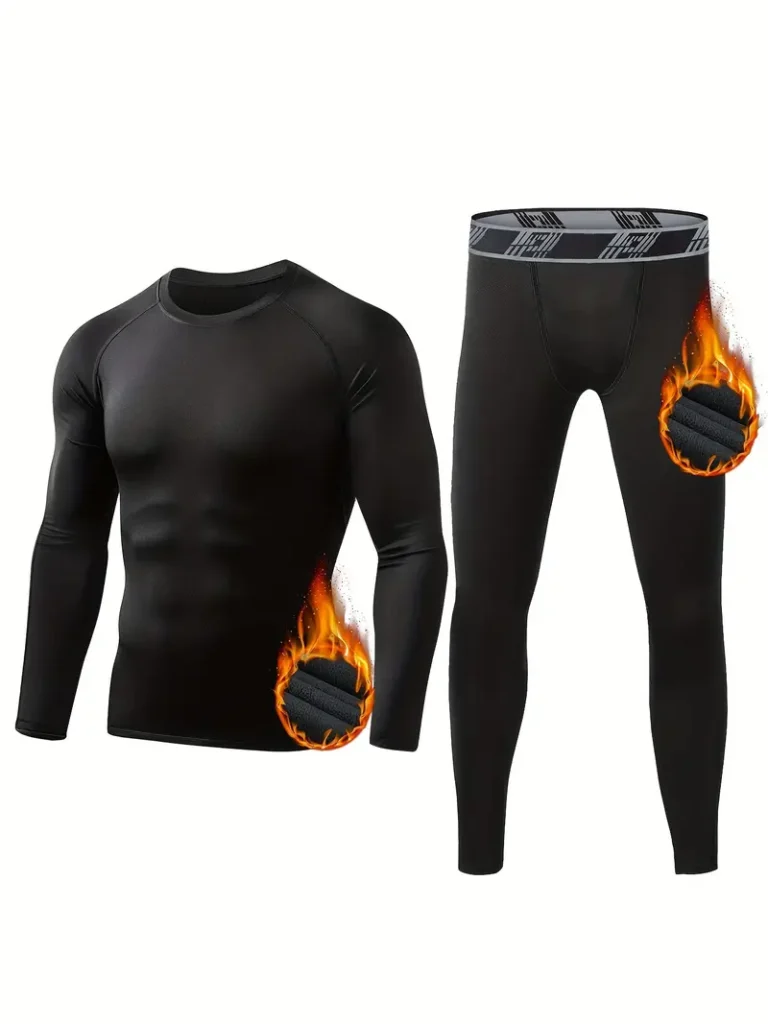
The base layer is the foundation of any layering strategy. It is typically made from materials that wick moisture away from the skin, such as merino wool or synthetic fabrics. This layer should fit snugly against the body, as it serves to regulate body temperature and keep you dry in fluctuating conditions. It is essential to select a base layer that aligns with your activity level; for example, a thermal long-sleeve shirt may be ideal for outdoor activities, while a lightweight t-shirt might suffice for indoor settings and don’t forget the long johns.
Mid-layers are essential for extra insulation. These can include sweaters, fleece tops, or quilted vests, tailored to the weather, demographic, and personal style preferences. When selecting mid-layers, the fit is important; a tailored style lends a polished look, whereas a looser fit might be more casual. Choosing versatile colors and patterns that blend well with the rest of your wardrobe is recommended.
Finally, the outer layer serves as the protective shell against wind, rain, and snow. This layer typically includes jackets, coats, hats or parkas designed with weather-resistant materials. Functional outerwear is essential, yet style should not be overlooked. Look for outer layers that complement the base and mid-layers, contributing not only to warmth but also to your overall outfit aesthetic.
Ultimately, the key to effective layering lies in the balance of fit, functionality, and style. By thoughtfully combining base, mid, and outer layers, you can achieve a chic look while staying warm throughout the fall and winter seasons.
Key Clothing Items for Your Fall/Winter Wardrobe
As the temperatures begin to drop, it becomes essential to curate a versatile fall and winter wardrobe that combines style, warmth, and practicality. Certain key items form the foundation of an effective colder-season collection, ensuring you can layer and adapt to various weather conditions while remaining fashionable.
At the top of this list is a high-quality jacket. A durable, insulated jacket is crucial for protecting against harsh winds and cold temperatures. Options such as a classic trench coat, parka, or tailored wool coat can provide both warmth and style, allowing for seamless transitions from day to night. When selecting a jacket, consider the length, fit, and materials, ensuring it complements your personal style and body type.
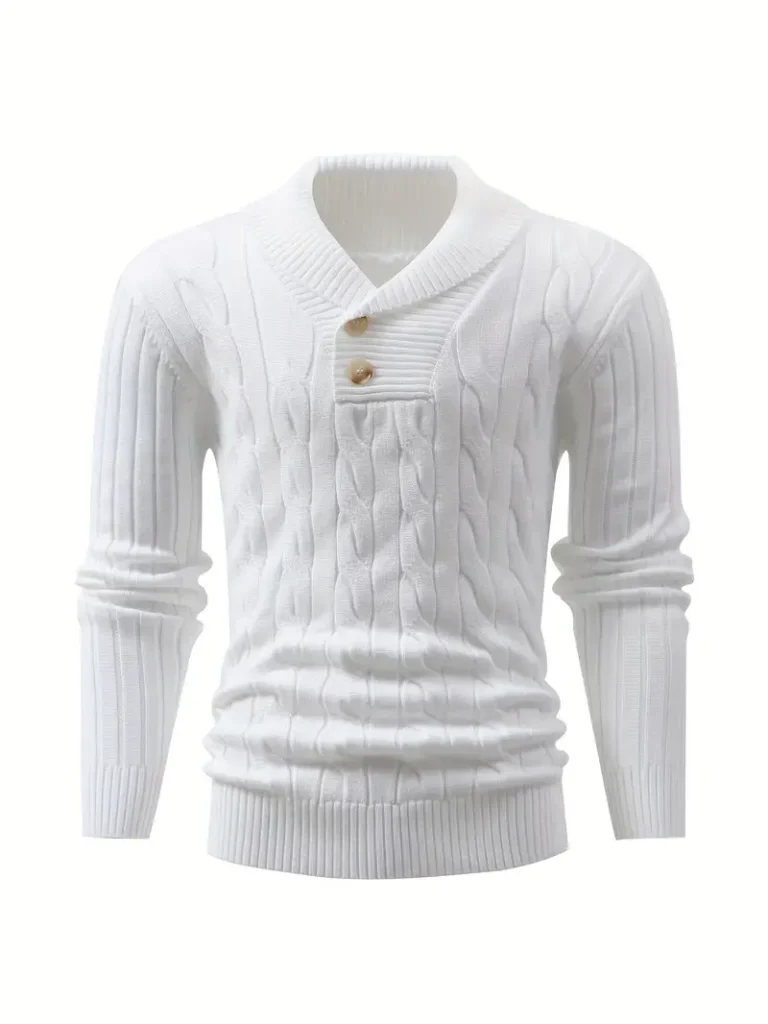
Furthermore, an assortment of cozy sweaters is essential. Not only do they offer warmth, but they also act as a medium for personal style expression. Chunky knits, turtlenecks, and cardigans, when matched with different bottoms, can forge eye-catching layered ensembles. Sweaters’ adaptability enables them to be elevated or casual, securing their place as a fundamental element in any man’s autumn and winter wardrobe.
Accessories, such as scarves and hats, play a vital role in a warm wardrobe. A fashionable scarf can elevate any outfit, while also offering additional warmth. Opt for materials like wool or cashmere for extra insulation. Hats, ranging from beanies to fedoras, not only shield from the chill but also add a distinct flair to various ensembles. When selecting these items, aim for complementary colors and textures to enhance overall cohesion.
Lastly, appropriate footwear is essential as colder months often bring snow or rain. Investing in a sturdy pair of boots with good insulation and traction will ensure longevity while keeping your feet warm and dry. Consider waterproof options if you anticipate wet conditions. By selecting versatile and stylish footwear, you can maintain a polished look throughout the fall and winter seasons.
As the seasons transition into fall and winter, color trends play a significant role in shaping the aesthetics of clothing collections. This year, the dominant palettes are characterized by rich, earthy tones and vibrant pops of color that can breathe life into layered ensembles. Popular colors include deep burgundy, olive green, and burnt orange, which offer warmth and a connection to the seasonal landscape. Additionally, classic neutrals like taupe and charcoal continue to hold their ground, providing a versatile foundation for any wardrobe.
Incorporating these trending colors into one’s wardrobe can be done seamlessly. For instance, a deep burgundy coat can serve as an anchor piece in an outfit, paired with a neutral turtleneck, tailored trousers, or a heavy jean. To add depth and avoid monotony, accessories can be utilized effectively. A vibrant scarf in mustard yellow or forest green can inject an unexpected burst of color, while still complementing the overall look.
Another noteworthy trend is the use of COLOR BLOCKING, which involves combining multiple bold colors in a single outfit for a statement effect. This can be achieved with items such as a teal sweater with rust-colored pants, striking a balance between warmth and vibrancy. When opting for color blocking, it is essential to choose colors that harmonize with one another, accent your skin tone, ensuring a cohesive and dapper appearance.
‘Moreover, prints and patterns are becoming increasingly popular in fall/winter wardrobes. Florals in darker shades and plaid patterns can effectively incorporate seasonal colors into outfits while keeping them fresh and stylish’.
Accessorizing for Style and Warmth
As the temperatures drop during the fall and winter months, the importance of accessorizing becomes increasingly evident. Accessories not only elevate an outfit but also provide essential warmth to combat the cold. The right choices in scarves, hats, gloves, can make a significant difference in both aesthetics and comfort, ensuring that you stay stylish while keeping warm.
Scarves are a crucial piece of the wardrobe puzzle; it’s recommended to choose thicker materials like wool or cashmere. These materials offer superior warmth and contribute texture and depth to your ensemble. An oversized scarf can be elegantly draped or snugly wrapped around the neck for extra warmth. Moreover, selecting scarves in vibrant colors or patterns creates an attractive contrast with the subdued hues often seen during the season.
Hats are another critical accessory during colder months. Beyond keeping your head warm, hats can also serve as a unique style statement. Beanies, fedoras, or caps can complement various outfits, especially when coordinated with the scarf and gloves. It is wise to consider the material and fit of the hat; wool and knitted styles often provide the most warmth while remaining fashionable.
Gloves are essential for keeping hands warm and can be a chic addition to any winter ensemble. Leather gloves lined with soft materials such as fleece offer an upscale look while providing comfort. Fingerless gloves are also a trendy alternative if you need dexterity, allowing you to keep your hands warm without sacrificing functionality.
As the seasons transition into fall and winter, selecting the right footwear becomes essential for maintaining both style and comfort. Footwear options for colder months must balance functionality, warmth, and aesthetics. Among the most popular choices are boots, sneakers, and dress shoes, each catering to specific needs and occasions.
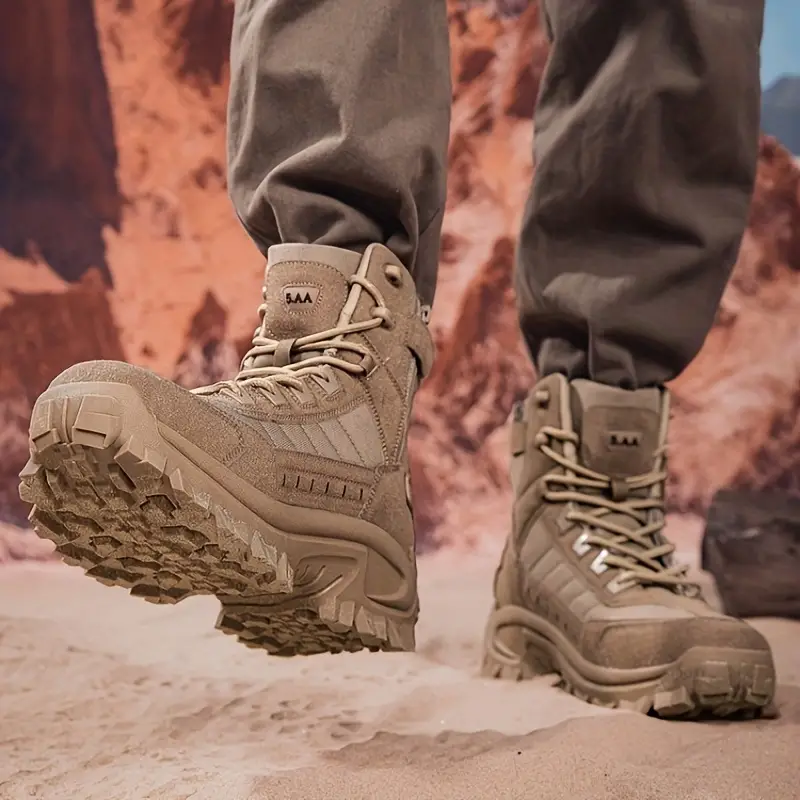
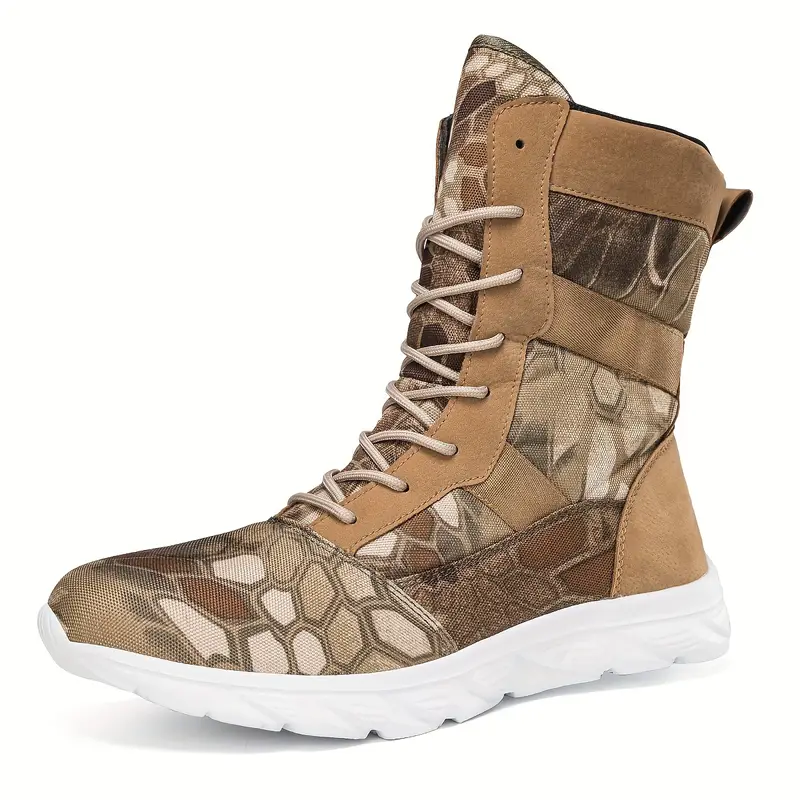
Boots are a quintessential component of fall and winter wardrobes. They come in various styles, such as ankle, knee-high, and combat boots, allowing for versatility. When choosing boots, look for materials that provide insulation, such as leather or waterproof fabrics. Insulated lining, like fleece or shearling, can help trap heat and keep feet warm during cold weather. Additionally, a sturdy outsole with good tread is crucial for navigating slippery surfaces, ensuring safety without sacrificing style.
Sneakers have also evolved to accommodate the challenges of fall and winter. Selecting a pair designed for colder weather can enhance comfort while maintaining a casual look. Look for sneakers made from water-resistant materials or those that incorporate thermal features. Moreover, a thicker sole with proper grip will provide traction, essential during rainy or snowy days.
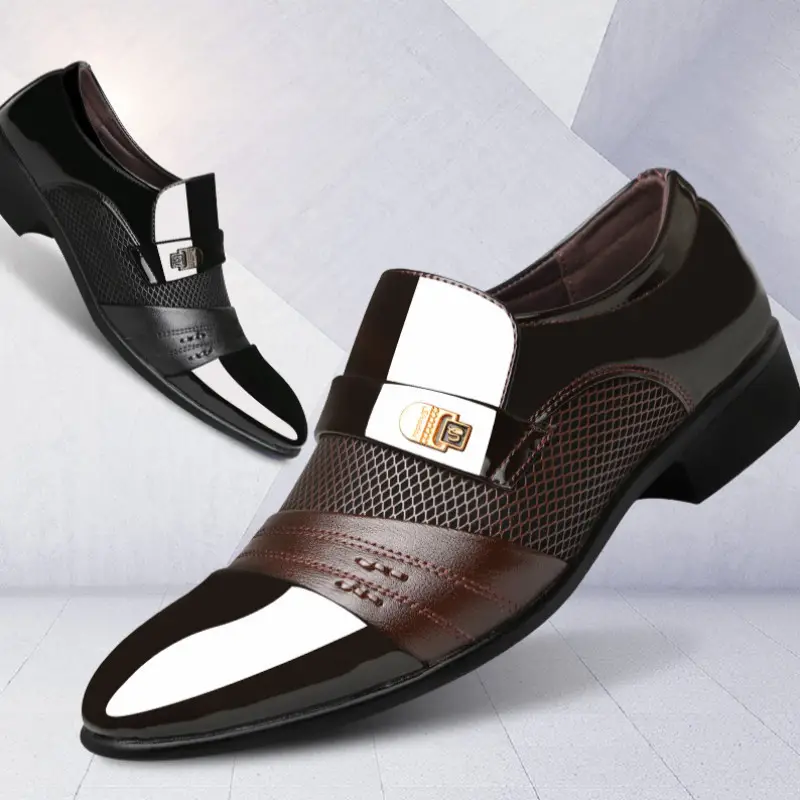
In the colder months, it’s important not to overlook dress shoes for formal events. Look for styles that combine elegance with weather-resistant features, like leather shoes that have been treated for moisture resistance. Shoes with rubber soles can improve traction, ensuring stability on icy surfaces. Non-slip options are recommended, especially when expecting to walk in wet or slushy environments.
In summary, choosing appropriate footwear, such as insulated socks that are suitable for shoes, boots and formal footwear, is essential for maintaining both style and warmth during the fall and winter seasons. By taking into account factors like material, insulation, and tread, one can ensure both comfort and sophistication through the colder months. Informed decisions in selecting these items allow one to confront the weather with confidence while expressing their unique fashion sense.
Sustainable Fall/Winter Clothing Choices
The increasing awareness of environmental issues has prompted a significant shift towards sustainable fashion, particularly in the fall and winter months. Consumers are now more mindful of their clothing choices, opting for eco-friendly fabrics and brands that prioritize sustainable practices.
When it comes to selecting sustainable fabrics for your fall and winter wardrobe, consider materials such as organic cotton, Tencel, and hemp. These fabrics are produced with minimal chemical use and are often sourced from renewable resources.
Exploring second-hand shopping or upcycling is another eco-friendly strategy. Thrift stores and online marketplaces for pre-owned fashion can offer a wealth of unique pieces for fall and winter. Upcycling, the process of converting old garments into new creations, fosters creativity and individual expression. This approach not only prevents clothing from ending up in landfills but also enables the crafting of personalized, stylish ensembles that are budget-friendly and distinctive.
Final Thoughts: Dressing for Confidence and Comfort
As the seasons transition to fall and winter, the importance of selecting clothing that not only keeps us warm but also boosts our confidence becomes paramount. The ultimate guide to fall and winter clothing centers on the idea that style should never be sacrificed for comfort, nor vice versa. To achieve a harmonious balance, one must prioritize pieces that resonate with personal style while providing the necessary warmth during colder months.
A significant insight from our exploration into seasonal fashion is the adaptability afforded by layering. By thoughtfully assembling different items like sweaters, jackets, and scarves, one can showcase their distinctive style. Layering serves to provide extra warmth and opens up avenues for creativity in blending textures and hues. Selecting harmonious items that reflect an individual’s character can boost self-assurance, embodying boldness in fashion choices.
Moreover, fabric choice plays a crucial role in achieving comfort during the chilly seasons. Materials like wool, cashmere, and fleece invoke a sense of coziness while providing the protection needed against biting winds. It is advisable to select clothing that feels good against the skin, eliminating any discomfort that might detract from confidence. Additionally, investing in key staples such as well-fitting coats and versatile shoes/boots can form the foundation of a stylish wardrobe.
“In Conclusion, embracing one’s individual style is essential. Fashion should be a reflection of who we are; therefore, it is important to select pieces that spark joy and confidence.
Fashion choices should bolster self-expression and encourage the exploration of diverse styles, enhance self-expression, allowing for exploration of different styles without the fear or concern of judgment.
As we welcome the charm of autumn and winter fashion, let us remember that feeling good begins within and manifests in our clothing, which ought to radiate ‘Confidence & Excellence’. Let these seasons be an opportunity for personal expression and comfort.“
The transition from warmer months to the fall and winter seasons demands a strategic approach to clothing selection. The key to mastering fall and winter fashion lies in understanding the essential elements that comprise this style, primarily focusing on layering, fabric choices, and color palettes. Layering is crucial, as it not only adds dimension to an outfit but also allows for versatility in varying temperatures. Effective layering typically involves three fundamental components: base layers, middle layers, and outerwear.
Base layers form the foundation of any outfit. These pieces, often made from moisture-wicking materials, should provide comfort and keep the body warm. When selecting base layers, opt for items in lightweight fabrics such as merino wool or synthetic blends, which retain heat without adding bulk. Middle layers, such as sweaters or fleece, offer additional insulation and can be styled to reflect personal aesthetics. Materials like cashmere and cotton blends not only enhance warmth but also contribute a luxe feel to everyday attire.
Outerwear serves as the final layer, crucial for shielding against harsh elements. Investing in high-quality coats and jackets, such as insulated parkas or tailored wool coats, ensures both warmth and sophistication. Color palettes for fall and winter tend to gravitate toward earthy tones and deep hues, which resonate well with the seasonal ambiance. Furthermore, texture plays a significant role in fall and winter fashion. Fabrics such as flannel, fleece, and corduroy not only provide visual interest but also enhance comfort and warmth.
Current Trends in Men’s Fall/Winter Clothing
The fall and winter seasons are marking a noteworthy evolution in fashion trends, as styles shift towards a blend of comfort, bold aesthetics, and a rising emphasis on sustainability. One of the most prominent trends observed this season is the popularity of oversized garments. These pieces, including oversized coats, chunky knit sweaters, and relaxed-fit trousers, not only offer exceptional comfort but also provide a sophisticated silhouette that can effortlessly be styled for various occasions.
“Incorporating versatile items into your wardrobe allows for a cohesive collection that can be dressed up or down as needed, accommodating various occasions.”
In addition to the oversized trend, bold patterns are making a significant impact this year. Whether it is plaid, geometrical or abstract designs, these eye-catching patterns are being embraced by fashion enthusiasts who wish to stand out during the fall and winter without spending a ton of money.
Sustainability continues to shape fashion choices, with a notable increase in brands prioritizing eco-friendly materials and ethical production methods. Consumers are more conscious than ever about their purchasing decisions, leading to a demand for sustainable clothing that does not compromise on style and break the wallet. The incorporation of recycled fabrics and organic materials into clothing lines illustrates the industry’s shift towards a greener future.
Essential pieces for the Mature Man such as tailored blazers, stylish ankle boots, and statement scarves are emerging as must-haves, while accessories like wide-brim hats enhance the elegance and versatility of fall/winter outfits.
Men’s Wardrobe Essentials for Fall/Winter
As the crisp air of fall transitions into the cold of winter, having the right items in your wardrobe becomes essential. A well-curated collection of fall and winter clothing not only enhances your style but also ensures comfort and warmth throughout the season. Key items to consider include….
Each of these elements plays a crucial role in creating an adaptable fall/winter wardrobe for the Mature Man.
Beginning with outerwear, a versatile coat is paramount. A classic wool blend peacoat or a tailored trench coat can effortlessly elevate any outfit. These outerwear options provide warmth while making a chic statement. Look for coats in neutral colors to ensure they complement various outfits. Additionally, a down or puffer jacket offers practicality during particularly cold days, ensuring you remain cozy without compromising style.
Next, quality knitwear is vital for layering. Invest in several cozy sweaters, such as cable knits or cashmere pullovers, that can be paired with both casual and formal pants. These pieces not only provide warmth but also add texture to your ensemble.
Durable footwear is another crucial component. A pair of ankle boots, made from quality materials such as leather, can transition seamlessly from day to night. Consider waterproof options to tackle inclement weather. Moreover, a pair of warm, stylish boots can be both functional and fashionable, offering the necessary support during colder conditions.
Finally, winter accessories cannot be overlooked. Scarves, gloves, and hats provide essential warmth while allowing for personal expression. Opt for accessories in coordinating colors or patterns to enhance your overall look. By combining these essential items thoughtfully, you create a wardrobe that not only signifies style but also offers lasting comfort through the fall and winter months.
Sustainable Choices for Men’s Fall/Winter Fashion
As the seasons change and temperatures drop, the demand for stylish and warm clothing grows. However, alongside this demand is an increasing awareness of sustainability in men’s fashion.
Consumers are becoming more conscientious about their clothing choices, recognizing the significant impact the fashion industry has on the environment, however; “You should impact theenvironment and not let the environment impact you”. Making sustainable and cost conscious choices for fall and winter fashion can significantly reduce this impact while allowing individuals to maintain their personal style.
One of the most effective ways to shop sustainably is to seek out brands that prioritize eco-friendly practices and tailored well. Many companies are now committed to using organic materials, reducing waste, and implementing ethical production processes. By actively supporting such organizations, consumers can contribute to a more sustainable fashion industry.
In addition to choosing sustainable brands, exploring pre-loved and thrifted options can greatly bolster one’s eco-friendly wardrobe. Thrift stores and online resale platforms offer a wide range of unique and fashionable pieces that often come at a fraction of the original price. By opting for second-hand clothing, not only do individuals save money, but they also help to reduce the demand for new clothes, which in turn lessens the strain on natural resources.
Another vital aspect of sustainable fashion for men is fabric recycling and mindful consumption. The mature man can prolong the life of their clothing, thereby reducing waste, by taking steps such as repairing minor damages or repurposing old garments. Additionally, being mindful of one’s shopping habits—such as evaluating whether a purchase is truly needed—can lead to more thoughtful and sustainable consumer behavior.
In other words, instead of buying a new pair of shoes/boots, take your old ones to your neighborhood shoe shop for repair.
As fall and winter approach, embracing these sustainable choices allows one to enjoy stylish, comfortable clothing without compromising the health of our planet and putting an unnecessary strain on one’s budget.
Explore the essentials of fall and winter fashion, focusing on layering, fabric choices, and color palettes. Discover current trends including oversized garments and sustainable styles, along with key wardrobe items such as versatile coats and durable footwear. Learn how to create a stylish and functional winter wardrobe while embracing sustainable choices and ethical brands. This guide ensures you stay warm, stylish, and environmentally conscious during the colder months.
Cultural and eclectic art represents a captivating convergence of artistic traditions and influences drawn from diverse backgrounds. This unique art form reflects the rich tapestry of human expression, allowing artists to transcend geographical boundaries and create works that resonate on multiple levels. By weaving together various cultural elements, eclectic art emerges, highlighting the beauty found in diversity and fostering a dialogue among disparate artistic customs.
The significance of cultural art cannot be overstated. It serves as a mirror of society, capturing its complexities, values, and narratives. Each piece of art tells a story influenced by the historical, social, and political contexts in which it was created. As artists draw inspiration from a variety of sources—traditional motifs, contemporary trends, or indigenous practices—they cultivate a depth of meaning that invites viewers to engage with the artwork and explore its origins. This dynamic interplay encourages appreciation for artistic heritage while inspiring new interpretations.
Eclectic art, specifically, is characterized by its blending of styles, techniques, and concepts from different time periods and cultures. This amalgamation often leads to innovative and unexpected outcomes, pushing the boundaries of conventional art forms.
As we journey deeper into the world of cultural and eclectic art, we will uncover its historical roots, explore various styles, and examine its contemporary relevance. Through this exploration, readers will gain a broader understanding of how cultural influences shape artistic expressions in today’s diverse society, highlighting the significance of embracing multiple perspectives within the realm of creativity.
The Importance of Cultural Art in Society
Cultural art plays a pivotal role in society by fostering a sense of community and identity, acting as a powerful medium for cultural expression and understanding. Throughout history, cultural art has been instrumental in bridging gaps between different backgrounds, allowing individuals to explore experiences beyond their own. This exploration not only enriches personal perspectives but also cultivates empathy and dialogue, serving as a catalyst for social change.
Art movements rooted in cultural heritage have had significant historical and contemporary impacts. For instance, the Harlem Renaissance emerged in the early 20th century as a profound expression of African American culture and identity, highlighting issues of racial inequality and social justice. Artists such as Langston Hughes and Aaron Douglas used their works to communicate the struggles and triumphs of their community, leaving an indelible mark on American art and literature that continues to resonate today.
Similarly, the Chicano art movement, which gained momentum in the 1960s, sought to address social issues affecting Mexican Americans, such as immigration, identity, and civil rights. Through murals and other forms of artistic expression, notable artists like Judy Baca and Gilbert Luján vividly portrayed the rich cultural narratives of their communities, advocating for recognition and justice. These movements have served not only as forms of cultural expression but have also rallied communities around salient social issues, fostering unity and activism.
Exploring Eclectic Art Styles
Eclectic art styles represent a vibrant and dynamic fusion of diverse influences from various artistic movements, resulting in unique and innovative expression. At its core, eclecticism in art is about blending forms, techniques, and concepts from disparate sources, creating a richer and more complex artwork. This approach allows artists to draw inspiration from a multitude of traditions, effectively breaking down the barriers of conventional categories and styles.
One prominent example of eclecticism is collage, a technique that involves the incorporation of various materials such as paper, photographs, and fabric into a single cohesive piece. This style enables artists to construct additional layers of meaning, reflecting a complex reality that resonates with their personal experiences and cultural backgrounds. Another example encompasses mixed media, where different artistic mediums—such as paint, sculpture, and digital elements—are combined. This technique highlights the versatility that eclectic art embraces, showcasing an artist’s ability to transcend traditional boundaries and redefine what constitutes a masterpiece.
Influential artists such as Pablo Picasso and Anselm Kiefer exemplify the essence of eclectic art through their work. Picasso’s ability to meld styles, such as Cubism with elements of African art, created unprecedented perspectives that challenged viewers’ perceptions. Similarly, Kiefer’s incorporation of various materials and historical allusions into his paintings encourages viewers to contemplate themes of memory and identity. Through their unique approaches, these artists exemplify how eclectic art can become a transformative experience, allowing both the creator and observer to engage in an ongoing dialogue about culture and creativity.
As we explore eclectic art styles, we are reminded of the rich tapestry of human experience that informs artistic expression. By embracing various influences, artists can create works that are not only visually stunning but also layered with meaning and significance. This journey through eclecticism invites readers to appreciate the diversity in art and encourages them to explore their own creative paths.
Budget-Friendly Artworks on Temu
Art holds the power to transform spaces, but the cost associated with acquiring quality pieces can often hinder many from expressing their creativity and personal style. Fortunately, Temu offers a diverse range of budget-friendly artworks that cater to various tastes and preferences, making it easier for everyone to enhance their environments without breaking the bank.
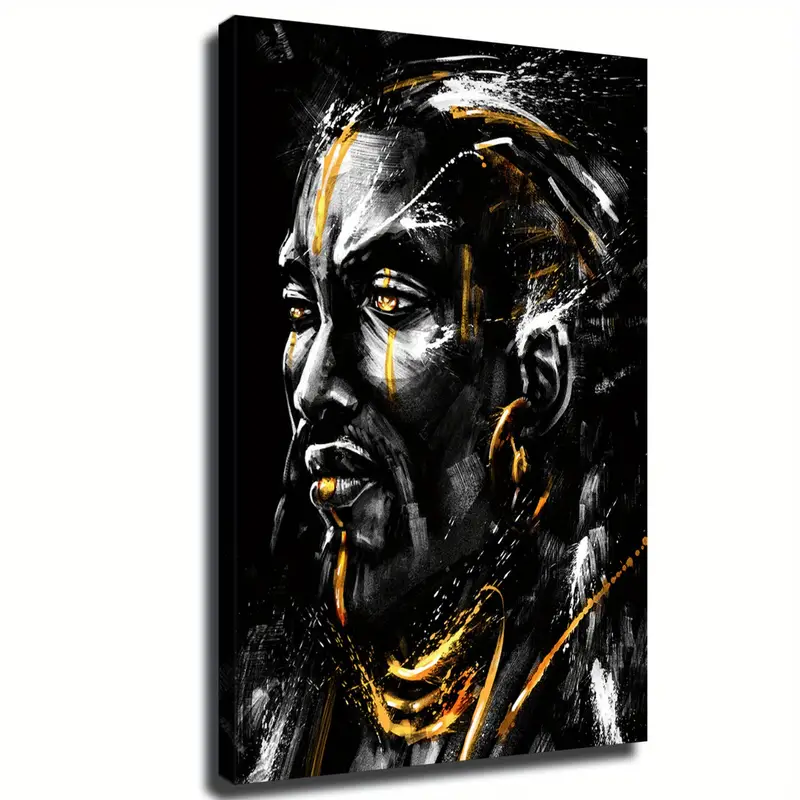
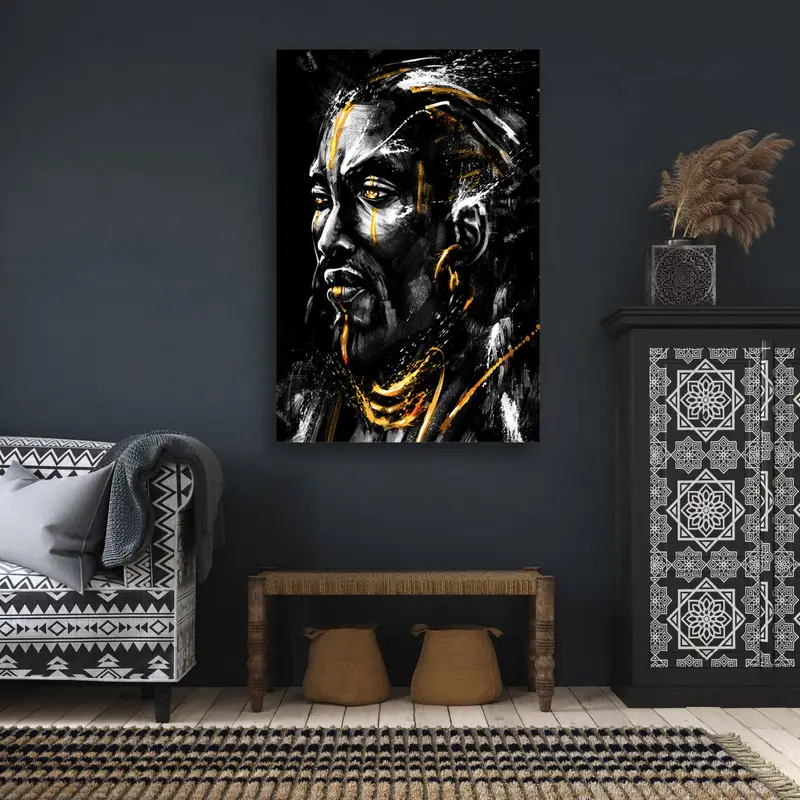
One standout option available on Temu is vibrant canvas prints that encapsulate cultural heritage and eclectic styles. These pieces, which typically range from $15 to $50, feature colorful depictions of traditional designs and modern interpretations. They are perfect for bringing a lively touch to homes, particularly in living rooms or creative spaces where conversation and energy flow naturally. For example, a canvas featuring a bold abstract design can serve as a striking centerpiece on a gallery wall, fostering a sense of cultural appreciation.
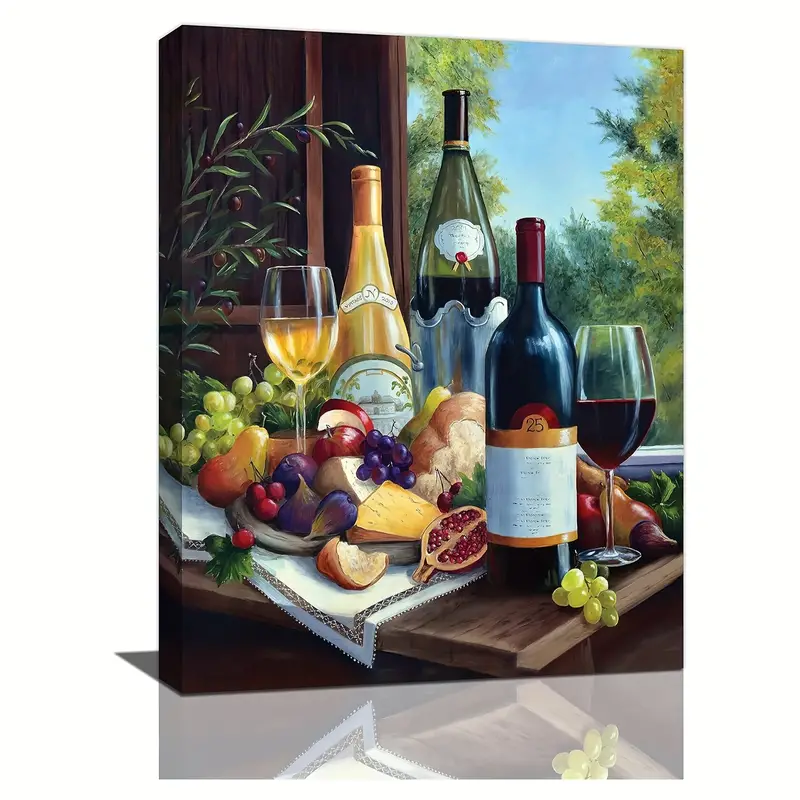
Temu also carries an assortment of framed prints, ideal for those seeking a more classic aesthetic. Prices for these artworks start around $20 and can reach up to $60. These prints often highlight serene landscapes or motivational quotes, making them suitable for offices or study areas. By adorning workspaces with inspiring visuals, individuals can create a pleasant and productive atmosphere that encourages creativity and focus.
For mixed-use spaces, decorative wall hangings made from natural materials are a perfect choice. Temu features a variety of these artworks, starting at $25, which blend well with both modern and rustic décor.
Explore the artistic treasures available on Temu and find the perfect pieces that resonate with your personal style and space needs. Each purchase not only enhances your environment but also supports a vibrant community of artists and creators.
The transition from warmer months to the fall and winter seasons demands a strategic approach to clothing selection. The key to mastering fall and winter fashion lies in understanding the essential elements that comprise this style, primarily focusing on layering, fabric choices, and color palettes. Layering is crucial, as it not only adds dimension to an outfit but also allows for versatility in varying temperatures. Effective layering typically involves three fundamental components: base layers, middle layers, and outerwear.
Base layers form the foundation of any outfit. These pieces, often made from moisture-wicking materials, should provide comfort and keep the body warm. When selecting base layers, opt for items in lightweight fabrics such as merino wool or synthetic blends, which retain heat without adding bulk. Middle layers, such as sweaters or fleece, offer additional insulation and can be styled to reflect personal aesthetics. Materials like cashmere and cotton blends not only enhance warmth but also contribute a luxe feel to everyday attire.
Outerwear serves as the final layer, crucial for shielding against harsh elements. Investing in high-quality coats and jackets, such as insulated parkas or tailored wool coats, ensures both warmth and sophistication. Color palettes for fall and winter tend to gravitate toward earthy tones and deep hues, which resonate well with the seasonal ambiance. Furthermore, texture plays a significant role in fall and winter fashion. Fabrics such as flannel, fleece, and corduroy not only provide visual interest but also enhance comfort and warmth.
Current Trends in Men’s Fall/Winter Clothing
The fall and winter seasons are marking a noteworthy evolution in fashion trends, as styles shift towards a blend of comfort, bold aesthetics, and a rising emphasis on sustainability. One of the most prominent trends observed this season is the popularity of oversized garments. These pieces, including oversized coats, chunky knit sweaters, and relaxed-fit trousers, not only offer exceptional comfort but also provide a sophisticated silhouette that can effortlessly be styled for various occasions.
“Incorporating versatile items into your wardrobe allows for a cohesive collection that can be dressed up or down as needed, accommodating various occasions.”
In addition to the oversized trend, bold patterns are making a significant impact this year. Whether it is plaid, geometrical or abstract designs, these eye-catching patterns are being embraced by fashion enthusiasts who wish to stand out during the fall and winter without spending a ton of money.
Sustainability continues to shape fashion choices, with a notable increase in brands prioritizing eco-friendly materials and ethical production methods. Consumers are more conscious than ever about their purchasing decisions, leading to a demand for sustainable clothing that does not compromise on style and break the wallet. The incorporation of recycled fabrics and organic materials into clothing lines illustrates the industry’s shift towards a greener future.
Essential pieces for the Mature Man such as tailored blazers, stylish ankle boots, and statement scarves are emerging as must-haves, while accessories like wide-brim hats enhance the elegance and versatility of fall/winter outfits.
Men’s Wardrobe Essentials for Fall/Winter
As the crisp air of fall transitions into the cold of winter, having the right items in your wardrobe becomes essential. A well-curated collection of fall and winter clothing not only enhances your style but also ensures comfort and warmth throughout the season. Key items to consider include….
Each of these elements plays a crucial role in creating an adaptable fall/winter wardrobe for the Mature Man.
Beginning with outerwear, a versatile coat is paramount. A classic wool blend peacoat or a tailored trench coat can effortlessly elevate any outfit. These outerwear options provide warmth while making a chic statement. Look for coats in neutral colors to ensure they complement various outfits. Additionally, a down or puffer jacket offers practicality during particularly cold days, ensuring you remain cozy without compromising style.
Next, quality knitwear is vital for layering. Invest in several cozy sweaters, such as cable knits or cashmere pullovers, that can be paired with both casual and formal pants. These pieces not only provide warmth but also add texture to your ensemble.
Durable footwear is another crucial component. A pair of ankle boots, made from quality materials such as leather, can transition seamlessly from day to night. Consider waterproof options to tackle inclement weather. Moreover, a pair of warm, stylish boots can be both functional and fashionable, offering the necessary support during colder conditions.
Finally, winter accessories cannot be overlooked. Scarves, gloves, and hats provide essential warmth while allowing for personal expression. Opt for accessories in coordinating colors or patterns to enhance your overall look. By combining these essential items thoughtfully, you create a wardrobe that not only signifies style but also offers lasting comfort through the fall and winter months.
Sustainable Choices for Men’s Fall/Winter Fashion
As the seasons change and temperatures drop, the demand for stylish and warm clothing grows. However, alongside this demand is an increasing awareness of sustainability in men’s fashion.
Consumers are becoming more conscientious about their clothing choices, recognizing the significant impact the fashion industry has on the environment, however; “You should impact theenvironment and not let the environment impact you”. Making sustainable and cost-conscious choices for fall and winter fashion can significantly reduce this impact while allowing individuals to maintain their personal style.
One of the most effective ways to shop sustainably is to seek out brands that prioritize eco-friendly practices and tailored well. Many companies are now committed to using organic materials, reducing waste, and implementing ethical production processes. By actively supporting such organizations, consumers can contribute to a more sustainable fashion industry.
In addition to choosing sustainable brands, exploring pre-loved and thrifted options can greatly bolster one’s eco-friendly wardrobe. Thrift stores and online resale platforms offer a wide range of unique and fashionable pieces that often come at a fraction of the original price. By opting for second-hand clothing, not only do individuals save money, but they also help to reduce the demand for new clothes, which in turn lessens the strain on natural resources.
Another vital aspect of sustainable fashion for men is fabric recycling and mindful consumption. The mature man can prolong the life of their clothing, thereby reducing waste, by taking steps such as repairing minor damages or repurposing old garments. Additionally, being mindful of one’s shopping habits—such as evaluating whether a purchase is truly needed—can lead to more thoughtful and sustainable consumer behavior.
In other words, instead of buying a new pair of shoes/boots, take your old ones to your neighborhood shoe shop for repair.
As fall and winter approach, embracing these sustainable choices allows one to enjoy stylish, comfortable clothing without compromising the health of our planet and putting an unnecessary strain on one’s budget.
Explore the essentials of fall and winter fashion, focusing on layering, fabric choices, and color palettes. Discover current trends including oversized garments and sustainable styles, along with key wardrobe items such as versatile coats and durable footwear. Learn how to create a stylish and functional winter wardrobe while embracing sustainable choices and ethical brands. This guide ensures you stay warm, stylish, and environmentally conscious during the colder months.