
Emerging Trends and Innovations in Smartphone Technology

Introduction

The landscape of mobile technology has undergone a profound transformation over the years, evolving from basic communication devices to sophisticated smartphones that have become integral to everyday life. The significance of smartphones today cannot be overstated, as they serve not only as communication tools but also as portable computers, entertainment centers, and essential platforms for executing various tasks. This transition reflects an accelerated pace of development characterized by rapid advancements in features, user experiences, and design aesthetics.

Smartphones have recently been equipped with features once considered remarkable, including high-definition cameras, artificial intelligence integration, and sophisticated biometric security. These advancements not only improve the functionality of mobile devices but also their performance and security. Users can now interact with technology more intuitively through touch interfaces, voice-activated assistants, and improved connectivity. This progression indicates a trend towards devices that are not just practical but also an extension of one’s personal identity and lifestyle.

Emerging trends within the mobile industry are set to further shape the future of smartphones. Concepts such as foldable screens, 5G connectivity, augmented reality, and artificial intelligence are on the cusp of defining user experiences in unprecedented ways. As these innovations are adopted, they will undoubtedly influence consumer expectations and behavior, resulting in a demand for more cost-effective options without sacrificing quality. The significance of affordability in accessing advanced technology is undeniable. Platforms such as Temu and Amazon provide budget-friendly smartphones that meet a variety of user requirements. Prioritizing affordability is crucial for making advanced mobile technology available to a wider audience, thereby fostering an inclusive digital future.

5G Technology on The Rise

The advent of 5G technology marks a significant leap in the evolution of smartphone capabilities. This new generation of mobile networks is set to drastically enhance smartphone functionality, effectively reshaping user experiences across multiple domains. One of the most notable improvements is in mobile browsing speeds. Users can expect web pages to load almost instantaneously, making for a seamless online experience that is particularly beneficial for high-resolution content and interactive applications.

Beyond web browsing, 5G technology is transforming the streaming and gaming experiences on mobile devices. With its significantly higher data transfer rates compared to 4G networks, it allows users to enjoy ultra-high-definition video streaming seamlessly, without the annoyance of buffering. Gamers benefit greatly as well, with 5G facilitating low-latency connections essential for competitive online gaming. This advancement meets the increasing consumer need for high-quality content with fast and dependable connectivity.

The implications of 5G extend beyond just enhanced user experiences; they present new opportunities for app developers and businesses. Developers can leverage the speed and efficiency of 5G to create more complex and feature-rich applications. This could foster the emergence of innovative solutions in areas such as augmented reality (AR) and virtual reality (VR), industries that require significant data throughput for smooth operation. However, the transition to 5G is not without its challenges. Users may face compatibility concerns, fluctuating network availability, and the necessity to acquire new devices that support 5G technology.

As the 5G network expands, comprehending its influence on mobile communications becomes vital for both users and developers. The capabilities of 5G technology emerge as a transformative power, molding the future of mobile engagement and establishing new benchmarks in smartphone performance.

Artificial Intelligence in Smartphones

Artificial Intelligence (AI) has become a transformative force within the realm of smartphones, significantly enhancing user experiences through various innovative features. One of the most prevalent applications of AI in mobile technology is personalized recommendations. AI algorithms analyze user behavior, preferences, and patterns to suggest apps, content, or services that align with individual interests. This customized approach not only enhances user engagement but also boosts the overall satisfaction obtained from mobile devices.

Another significant area where AI plays a crucial role is in photography. Modern smartphones are equipped with advanced AI-driven camera systems that utilize machine learning to optimize image processing. Features such as scene recognition, automatic enhancements, and even real-time editing are powered by AI algorithms. These innovations enable users to capture stunning photographs effortlessly, regardless of their photography skills. The future of smartphone photography is poised to integrate even more sophisticated AI technologies, potentially incorporating augmented reality elements to provide users with immersive experiences.

Furthermore, virtual assistants are now integral to the mobile experience. AI-powered assistants such as Siri, Google Assistant, and Alexa are becoming more skilled at interpreting natural language, handling tasks, and delivering instant information. With ongoing AI advancements, these virtual assistants are expected to grow even more intelligent and intuitive, proactively addressing user needs. Predictive analytics will enhance these interactions, facilitating seamless communication between users and their devices.

In summary, the integration of artificial intelligence into smartphones represents a significant leap forward in technology. From personalized recommendations to advanced photography techniques and intelligent virtual assistants, AI is reshaping the mobile landscape. Looking ahead, the potential for AI-driven innovation seems limitless, offering a reimagined way for users to engage with their smartphones.

Foldable and Flexible Displays

The advent of foldable and flexible displays marks a significant innovation in the realm of smartphone technology, revolutionizing the design and functionality of mobile devices. These displays enable smartphones to adopt dynamic form factors, allowing users to unfold or roll their devices to suit different needs, whether for multitasking, immersive entertainment, or enhanced portability. Major players in the market, including Samsung, Huawei, and Motorola, have already introduced devices that utilize this cutting-edge technology, with varying designs and features that cater to user demands.

Foldable displays offer a significant advantage for multitasking; they allow users to run several applications simultaneously on an expanded screen space, enhancing productivity. Additionally, the flexibility of these screens opens up new avenues for user interaction, enabling the development of innovative applications that capitalize on the unique form factors. For instance, foldable smartphones can easily transition from a compact phone size to a larger tablet-like experience, maximizing usability in different contexts.


The introduction of foldable and flexible displays brings its own set of challenges. Durability and longevity concerns are common among consumers, as the folding mechanisms might degrade with use. Additionally, the cost of devices equipped with this technology tends to be higher compared to conventional smartphones, potentially dissuading budget-minded consumers. In terms of consumer attitudes, educating and familiarizing the public with foldable technology is essential, given the skepticism about its usefulness and practicality.

Magnetic Foldable Case
https://richboyent903.in/wp-content/uploads/2024/10/d6dc8d84-608a-44eb-9eea-acf911465e2f.webp

Looking ahead, advancements in materials and production methods will likely enhance the durability and affordability of foldable displays, propelling greater adoption. As smartphone manufacturers continue to innovate in this space, consumer expectations are shifting towards more versatile devices that balance functionality, design, and cost-effectiveness. In conclusion, foldable and flexible displays represent a transformative trend in smartphone technology that could redefine how users interact with their devices.

Sustainability in Smartphone Production

The smartphone industry is increasingly prioritized sustainability, driven by both consumer demand and the need for environmental responsibility. The demand for eco-friendly materials and manufacturing processes has surged as consumers become more conscious of their environmental impacts. This transition has ignited innovation throughout the industry, leading to sustainable practices designed to reduce waste and lower the carbon footprint of smartphone manufacturing.

Leading brands have begun to adopt a variety of eco-friendly approaches. Many established manufacturers are integrating recycled materials into their devices, such as aluminum and plastic derived from post-consumer waste. This not only helps reduce reliance on virgin materials but also lessens the amount of electronic waste generated during the life cycle of a smartphone. Additionally, some companies are exploring biodegradable components, which could significantly decrease the environmental impact at the end of a device’s life.

In tandem with material innovation, energy-efficient manufacturing processes are becoming crucial. Brands are investing in renewable energy sources for their production facilities, further reducing their carbon footprints. The focus on energy efficiency goes beyond the production phase; manufacturers are dedicated to designing devices that use less energy while operating. This includes the integration of optimized software that extends battery life and improves overall device performance.

Another vital aspect of sustainability is the longevity of devices. Companies are increasingly offering repairable designs and encouraging customers to upgrade rather than replace their smartphones. This not only extends the life cycle of devices but also helps in reducing the accumulation of electronic waste, which remains a pressing concern in today’s digital age.

As the smartphone market evolves, the integration of sustainable practices into production processes and product design will likely become the norm. Adopting these strategies will help address the environmental challenges associated with mobile technology and forge a path towards a more sustainable future for the industry.

Augmented Reality (AR) and Virtual Reality (VR) Integration

The rapid advancement of technology has paved the way for the integration of Augmented Reality (AR) and Virtual Reality (VR) within the realm of smartphones. Immersive technologies are transforming user-device interactions, enriching experiences in sectors like gaming, social media, and business. Applications like Pokémon GO and Snapchat have effectively utilized AR to captivate users by blending merging digital components with the real world. These platforms enhance the entertainment factor and encourage creative self-expression via interactive filters and location-centric experiences.

In gaming, AR and VR bring an unprecedented level of realism that immerses players in their favorite virtual universes. Next-gen smartphones equipped with advanced sensors and graphics capabilities are further refining these experiences. For business, the integration of AR and VR technologies facilitates innovative solutions, such as virtual training sessions and immersive product demos, allowing businesses to connect with customers in new and engaging ways. Furthermore, sectors such as real estate and education are embracing these technologies to offer walkthroughs and interactive learning environments, respectively.

Looking ahead, the potential for AR and VR integration in smartphones appears boundless. As these technologies evolve, users can anticipate enhanced graphics, lower latency, and more seamless interactions through improved hardware and software development. This evolution suggests a future where smartphones do not merely serve as tools for communication but as gateways to a more immersive and interactive world. The ongoing convergence of AR and VR with day-to-day smartphone functionalities will likely redefine user expectations and experiences, thereby pushing the boundaries of what is achievable in mobile technology.

Budget-Friendly Smartphones on Temu and Amazon

The smartphone market has expanded significantly, offering a diverse range of budget-friendly options that cater to different user preferences and needs. Platforms like Temu and Amazon present an array of affordable smartphones, each equipped with features designed to meet the demands of everyday use without straining the budget. Here, we will explore several noteworthy budget smartphones available on these platforms.

The Samsung Galaxy A15 is a notable option on Temu, striking a perfect balance between performance and cost-effectiveness. It boasts a 6.5-inch display for an immersive viewing experience. Equipped with a tri-camera system, it enables high-quality photography. The device’s 5,000mAh battery offers extended longevity, ideal for those frequently mobile. Priced between $150 and $200, it represents an excellent value for casual users and students alike.

The Motorola Moto G Power is a favored option on Amazon, renowned for its exceptional battery life that can last up to three days. It features a bright 6.6-inch display and an efficient MediaTek Helio G37 processor. Its 50MP triple-camera system is highly regarded for its adaptability in photography. Priced between $160 and $250, the Moto G Power attracts those who prioritize multimedia features and long-lasting performance.

The Nokia G21 is an excellent choice available on both platforms, boasting a 6.5-inch display, a triple-camera setup, and a sturdy build. Its two-day battery life stands out as a major benefit for users who value dependability. Typically priced around $150, the Nokia G20 is ideal for those on a budget who do not want to sacrifice key features for affordability.

In conclusion, both Temu and Amazon offer several affordable smartphones that embody the essence of functionality, reliability, and value for money. When selecting a budget phone, consumers should consider their specific needs to find the device that best matches their lifestyle.

Security and Privacy Trends

As smartphone technology evolves, so do the challenges related to security and privacy. Consumers are increasingly aware of the vulnerabilities associated with their devices and demand comprehensive solutions to protect their personal data. One of the prominent trends in this area is the advancement of biometric security systems. Face recognition and fingerprint scanners have become standard features in many modern smartphones, providing users with enhanced security without sacrificing convenience. This shift highlights a growing preference for multi-factor authentication as an essential component of mobile security strategies.

Encryption technologies also play a crucial role in securing smartphone data. End-to-end encryption ensures that messages and files shared between users remain confidential, only accessible to the intended recipients. As cyber threats continue to evolve, encryption methods are becoming more sophisticated, aiming to thwart potential breaches. Mobile operating systems are adopting stronger encryption practices, leading to more secure environments for user data. Therefore, integrating advanced encryption methods into smartphones signifies a positive step towards enhanced security measures.

Consumers are increasingly concerned about the way their personal data is collected and shared. This awareness has led to rising expectations for smartphone manufacturers to prioritize data protection. Features such as privacy dashboards, enhanced app permissions, and built-in transparency regarding data usage are gaining traction. Companies are responding by developing software that allows users to control their data better, offering clearer options for opting out of data collection processes. Additionally, legislation focusing on data privacy and protection, such as GDPR in Europe, is influencing how smartphone manufacturers design their products.

The landscape of smartphone security and privacy is rapidly changing. With continuous advancements in biometric technologies and encryption, alongside growing consumer demands for enhanced privacy controls, the future promises to be more secure. As manufacturers adapt to these emerging trends, it is crucial for users to remain informed and proactive concerning their mobile security. The emphasis on protecting personal data will undoubtedly shape the evolution of smartphone technology in the coming years”.

Conclusion

The future of mobile technology holds immense promise, characterized by emerging trends and innovations that influence our daily lives. As we navigate through a landscape where advancements are rapidly evolving, it is crucial to recognize the key developments discussed throughout this blog post. From the rise of artificial intelligence in smartphones enabling enhanced personalization to the integration of 5G technology, which ensures faster connectivity, the smartphone experience continues to transform in unprecedented ways. Moreover, the increasing emphasis on sustainable practices within mobile manufacturing highlights a collective responsibility towards environmental stewardship.

Additionally, advancements in mobile security not only aim to protect user data but also foster an environment of trust in mobile banking and e-commerce. These innovations pave the way for more seamless and secure transactions, enhancing consumer confidence as we rely on our devices for essential services. Furthermore, the growth of foldable devices signifies a merging of convenience and capability, allowing users to leverage multitasking features without sacrificing portability.

As we embrace these advancements, it becomes essential to remain informed about their implications, particularly concerning affordability and accessibility. It is vital that the benefits of such innovations do not remain confined to a select few but are made available to a broader audience. This is critical in ensuring that all users can enjoy the enhancements that redefine communication, entertainment, and productivity. Staying engaged in discussions surrounding these trends empowers individuals and communities to advocate for inclusive practices in the mobile technology landscape.

In conclusion, the rapidly evolving world of smartphone technology presents both opportunities and challenges. By remaining informed and adaptable, we can leverage these innovations to enhance our modern lifestyle while ensuring that access to these advancements does not create disparities among users. As the future of mobile unfolds, one thing is certain: change is inevitable, and our readiness to embrace it will define our experiences moving forward.

Tour & Shop My Gallery

Essential Fall/Winter Fashion: Trends for Men Living in Phoenix-The Valley of The Sun

Introduction to Fall/Winter Fashion

Arizona is a stunning state, renowned for its splendid weather. Beyond the Grand Canyon, this Copper State boasts a rich history, delectable cuisine, and diverse cities. Whether you’re exploring the high elevations of its picturesque mountain regions or the Valley, dressing appropriately for the weather is key to enjoying the beautiful state of Arizona, Valley of the Sun.

As the leaves change color and temperatures drop, it becomes essential for men to adapt their wardrobes to align with the fall and winter seasons. Men’s fashion during these months transcends mere clothing choices; it reflects a blend of practicality, style, and self-expression. A well-curated autumn and winter wardrobe not only serves to keep one warm but also enhances overall appearance, allowing men to showcase personal style while navigating the colder weather.

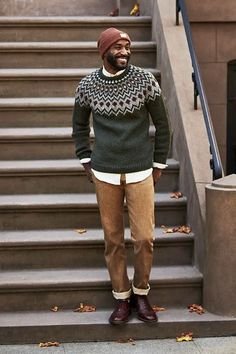
Layering is a key component of fall and winter fashion, combining style with practicality. This technique offers the perfect balance of warmth and breathability, making it easy for men to transition seamlessly between indoor and outdoor settings. Fabrics like wool, flannel, and cashmere provide excellent insulation while adding texture and sophistication to any look. Additionally, the season’s rich hues—deep reds, emerald greens, and earthy browns—enhance outfits with a visually striking appeal, reflecting the natural beauty of the autumn and winter landscape.

Adding accessories to fall/winter clothing can greatly enhance the overall style. Accessories like scarves, gloves, and fashionable hats not only add functionality but also a touch of elegance, improving the simple ensemble while offering extra warmth. Footwear is equally important, with choices varying from robust boots to elegant dress shoes suitable for different events and fashion preferences. The correct accessories enable men to present a sophisticated look that combines comfort and visual charm.

Ultimately, the significance of choosing appropriate menswear for the fall and winter months cannot be overstated. Fashion in these seasons transcends following the latest trend; it’s about crafting an ensemble that embodies personal style while prioritizing comfort, warmth and budget. As you explore the key trends of this season, it’s essential to give precedence to your personal style when making your fashion choices.

Key Color Palettes for the Season

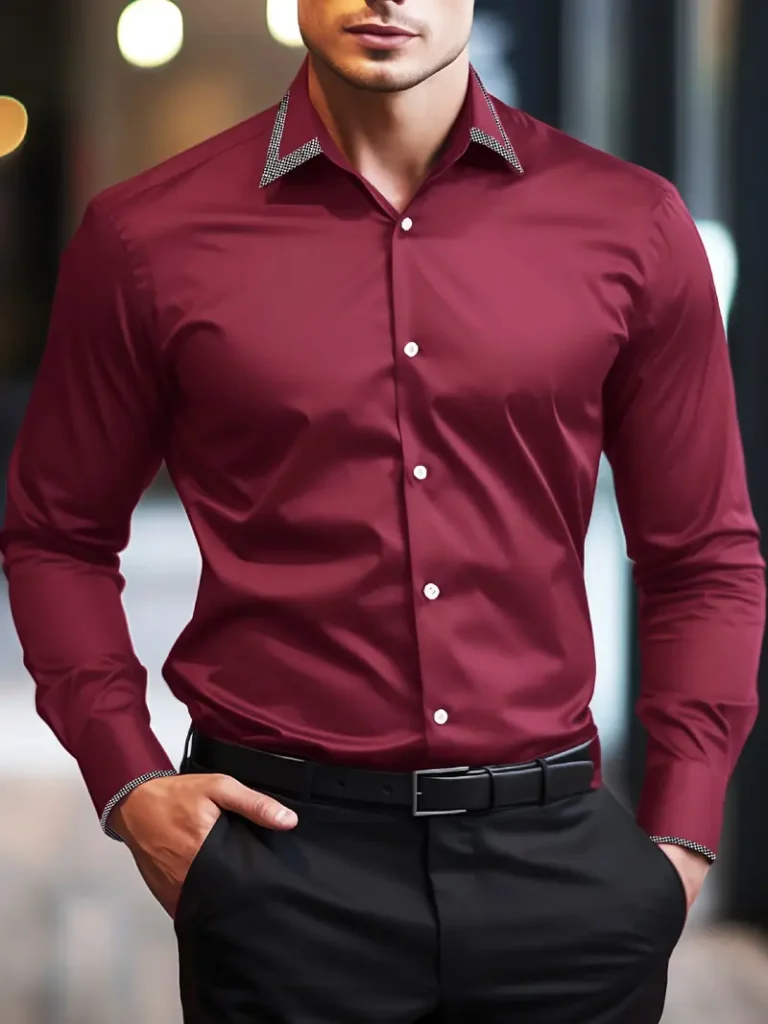
This fall and winter, the color palette embraces sophistication with rich earthy tones and classic neutrals that mirror the calm beauty of nature. As the days grow shorter and temperatures cool, men’s fashion gravitates toward colors that exude warmth and comfort. Shades like olive green, rust, deep burgundy, and camel are becoming go-to choices, offering versatility that effortlessly adapts from casual settings to more formal occasions.

Neutral shades, including beige, charcoal gray, and navy blue, will also prove essential in any man’s wardrobe. These colors not only coexist harmoniously but also serve as an ideal backdrop for accent pieces that incorporate bolder shades. The adaptability of neutral tones facilitates effortless layering, offering a polished appearance suitable for office settings as well as weekend social events. Mixing various shades within the same palette can create depth and interest without overwhelming the observer.

Fashion experts encourage experimenting with color combinations that reflect individual personality, mood, and style. For instance, pairing a deep forest green sweater with classic gray trousers strikes a perfect balance between casual and polished, making it suitable for various settings. Additionally, incorporating patterns such as plaid or houndstooth with a dress denim can introduce color variation while maintaining a refined aesthetic.

Incorporating accessories, such as scarves in burnt orange, sage greens or hats in muted earthy tones, can further enhance outfits by adding unexpected pops of color that evoke the charm of the season. Understanding the influence of color in relation to the occasion will allow men to curate outfits that not only look fashionable but also express their unique style. Ultimately, embracing these key color palettes will enable a seamless transition into the cooler months in Arizona while maintaining a sophisticated appearance.

Must-Have Outerwear Styles

As temperatures start to drop, choosing the appropriate outerwear is crucial for staying warm while maintaining a stylish appearance. Familiarizing oneself with the different kinds of outerwear can assist men in effectively managing their fall and winter wardrobe. Four essential pieces of outerwear each with distinct characteristics and styling opportunities are…

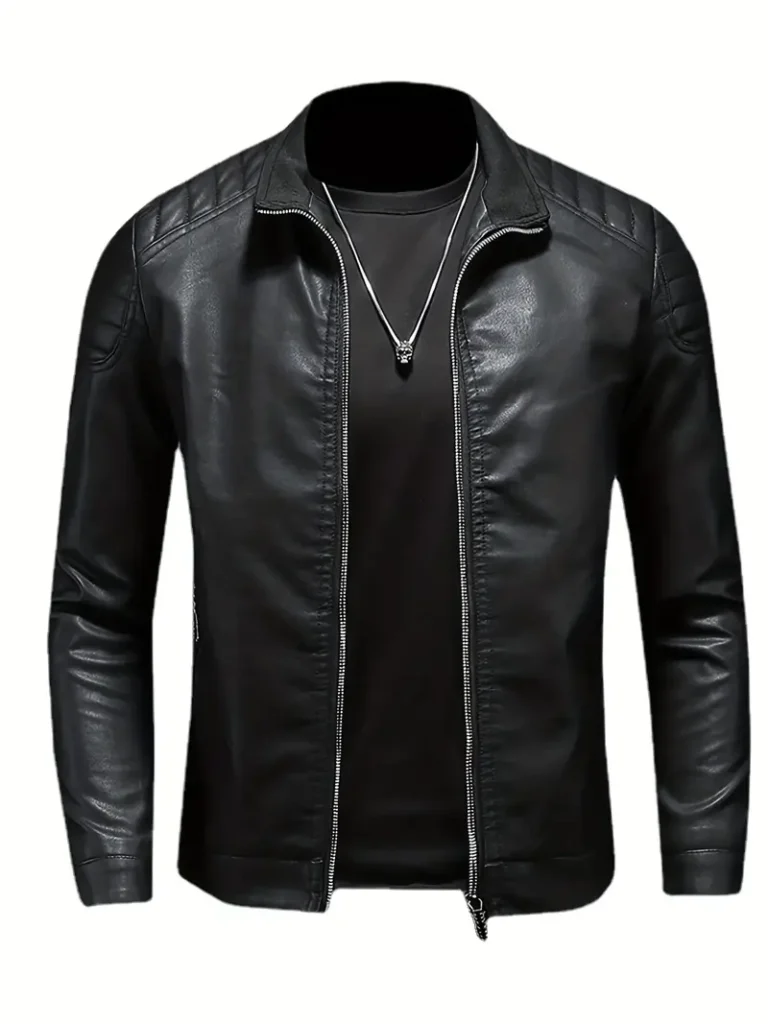
The trench coat, a classic wardrobe staple, marries elegance with functionality. Crafted from water-resistant fabrics, it offers superb defense against the elements. The garment’s extended length and cinched waist contribute to a refined profile, making it a versatile addition to both dressy and laid-back looks. For a chic appearance, choose neutral colors such as beige, navy, or black which blend seamlessly with a multitude of styles.

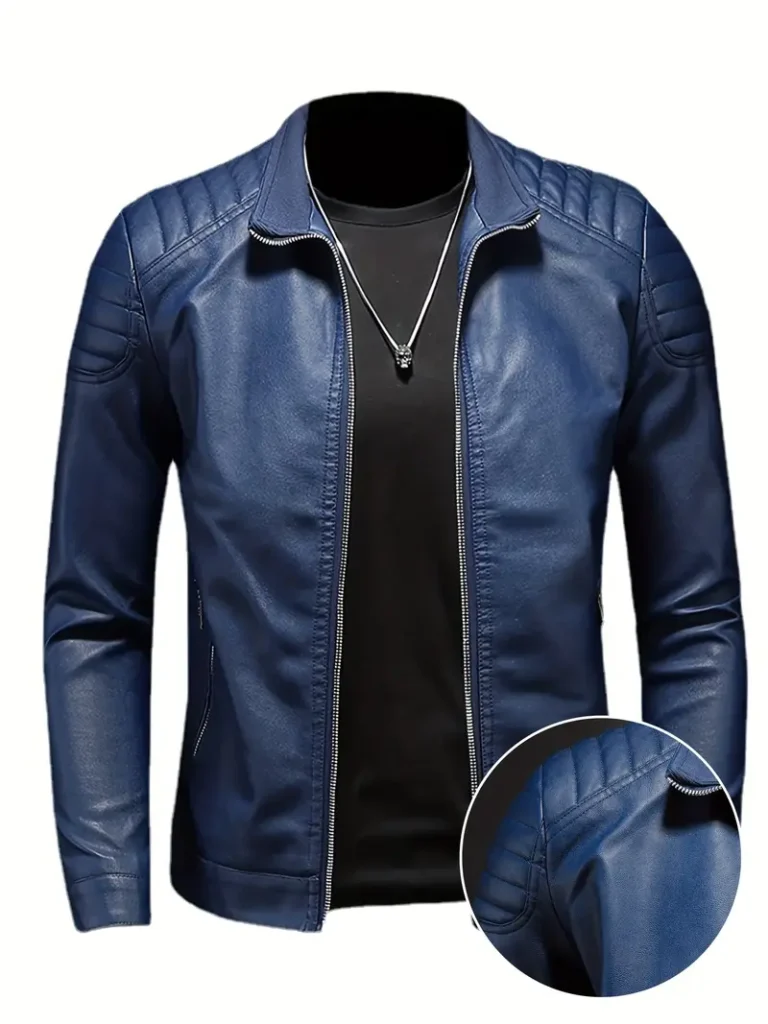
Puffer jackets are perfect for the colder climates of Flagstaff or Sedona, thanks to their superior insulation. When selecting a puffer jacket, it’s important to consider features like packability and weight. Available in various lengths and styles, they offer versatility for any occasion. For a relaxed, sporty look, try layering them over hoodies or sweaters, ensuring comfort remains a priority.

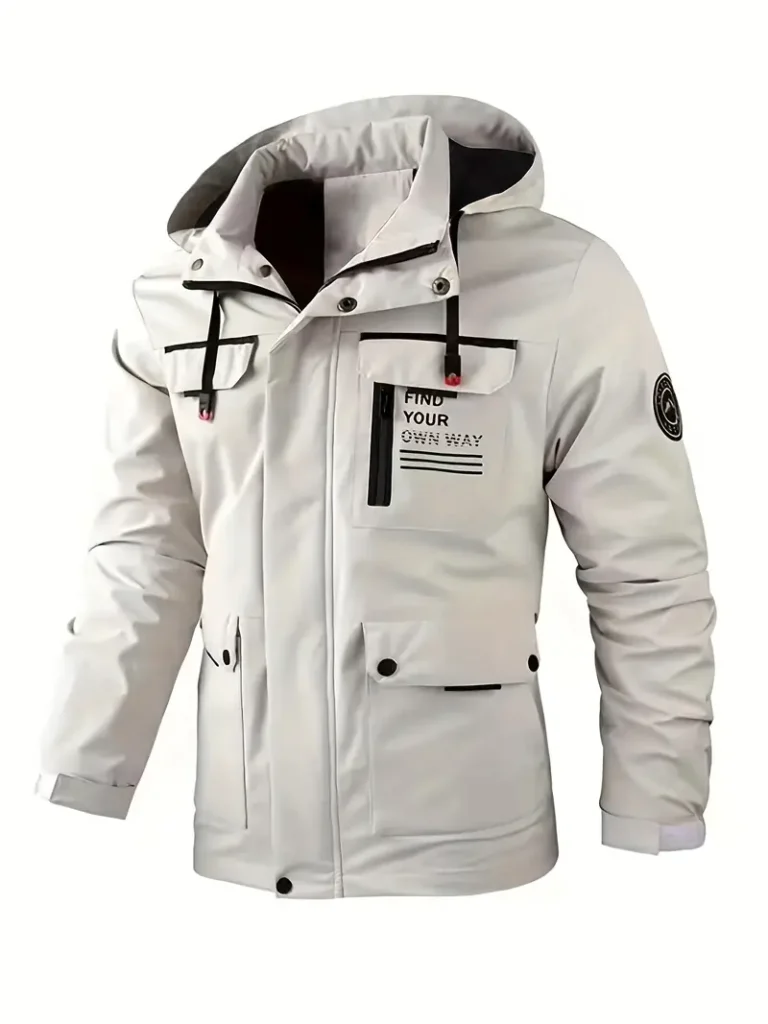
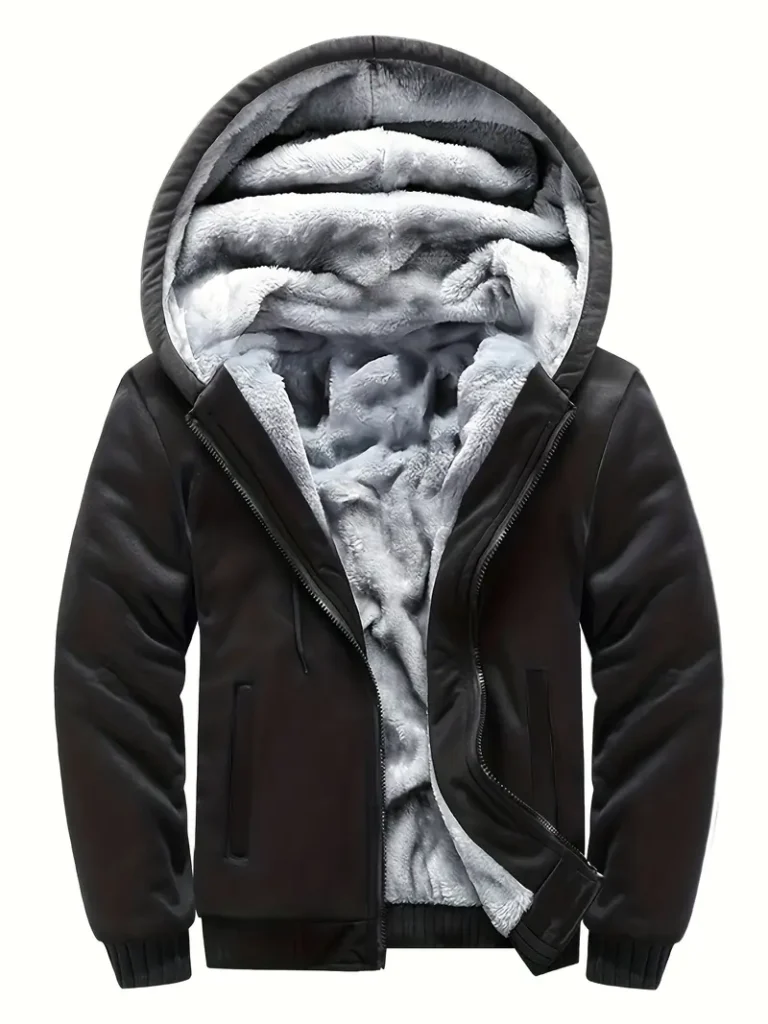
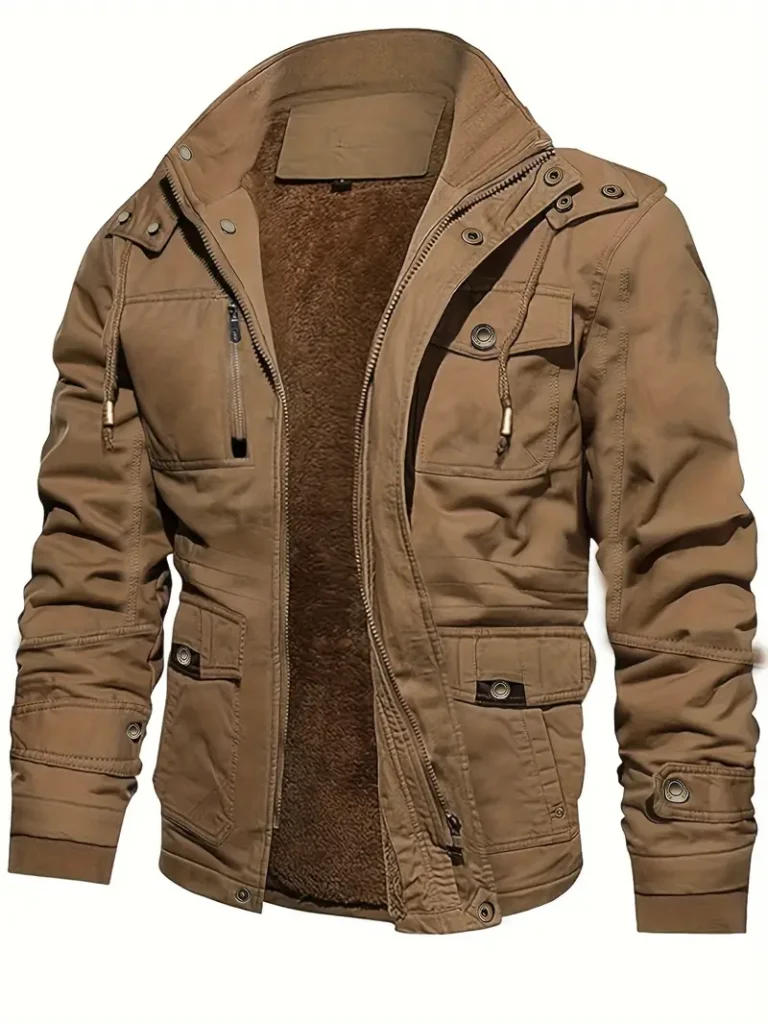
Parkas, frequently featuring fur-lined hoods and extra insulation, are ideal for extremely cold temperatures. They are designed with functionality in mind, including numerous pockets and materials that resist the weather. Pair them with chunky knit sweaters and sturdy boots to create a stylish outdoor look for the winter season.

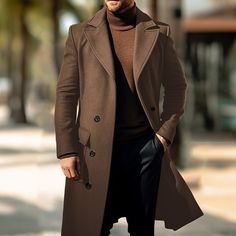
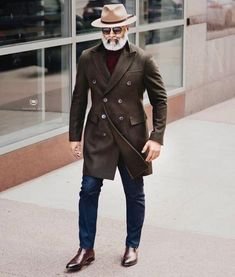
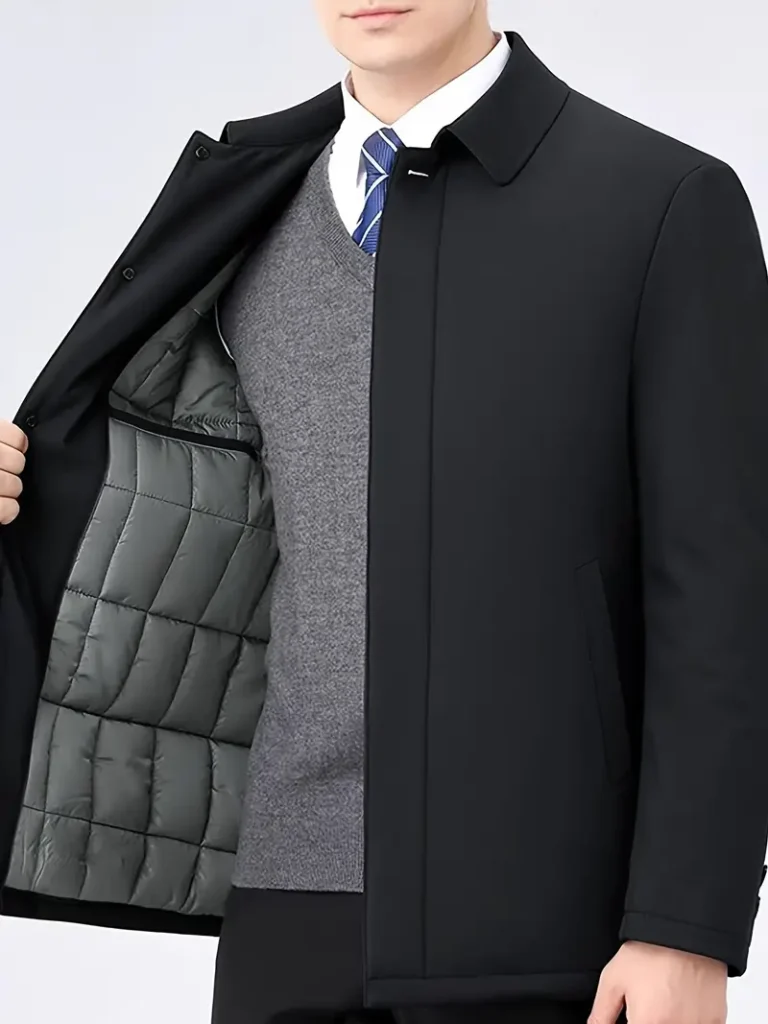
Lastly, tailored overcoats lend a refined touch to any winter outfit. These coats are characterized by their structured fit and are usually made from heavier fabrics like wool. They are perfect for formal occasions or as a sophisticated layer over business attire. Consider coloring options like charcoal or deep green to complement a stylish winter palette.

Each of these outerwear styles can be mixed and matched with various layers, making them essential tools for tackling the season with both warmth and style.

Layering Techniques for Versatility

Layering is a crucial technique in men’s fashion for fall and winter, offering both warmth and style. Properly executed, it not only shields against the cold but also allows for a versatile approach to assembling outfits. The secret to perfecting this technique is to comprehend the different layering pieces, their materials, and the best fits.

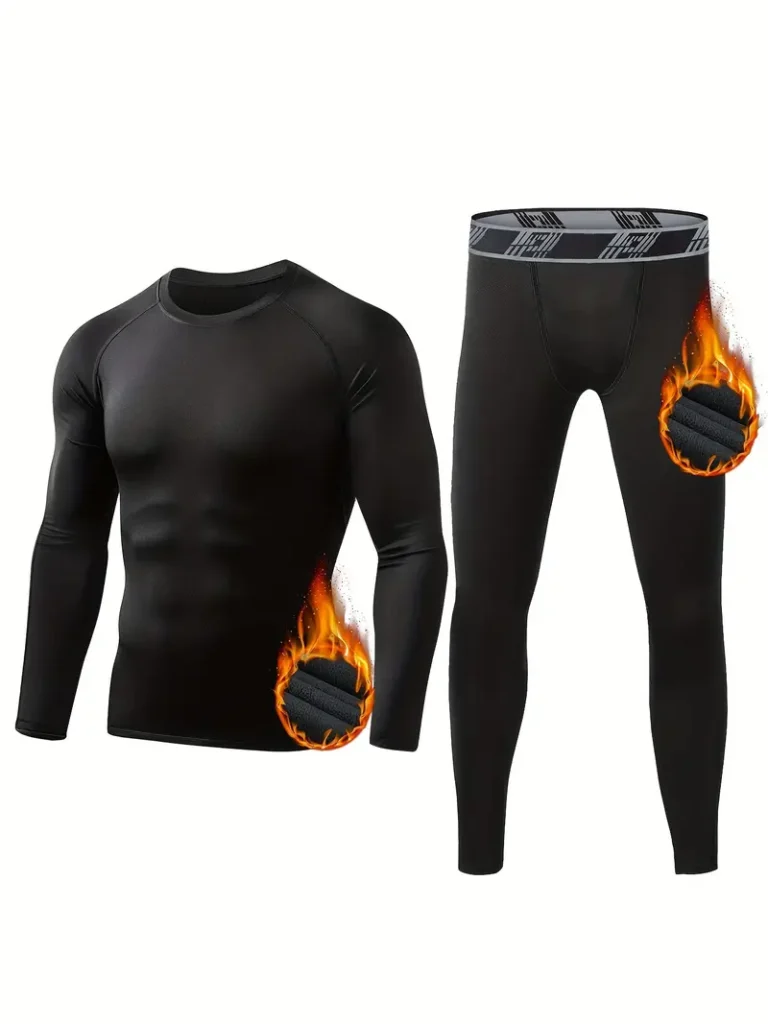
To begin with, the base layer is crucial. This layer typically includes fitted garments like thermal tops & long johns or lightweight long-sleeve shirts that serve as the foundation of your outfit. Look for fabrics such as merino wool or synthetic moisture-wicking materials that provide insulation while remaining breathable. These fabrics help regulate temperature, ensuring you stay comfortable throughout the day.

The mid-layer is an opportunity to showcase your style and add visual flair.

Choices range from sweaters and cardigans to lightweight pullovers. For timeless elegance, choose a crew or turtleneck cashmere sweater; its luxurious feel and insulating properties are ideal for combating the cold. Cardigans are adaptable; they can be elevated with a button-up shirt and tie or kept casual with a simple tee and jeans. When choosing a mid-layer, consider the fit—steer clear of excessively loose and baggy garments, which can add unwanted bulk and compromise a sleek polished appearance.

Finally, the external layer should be resilient to weather conditions. Opt for a durable, yet fashionable coat or jacket, like a trench coat or an insulated tailored coat. It should provide sufficient protection while maintaining a chic appearance. Moreover, think about adding accessories such as vests for extra warmth; they can offer an elegant shape without the bulkiness of conventional outerwear.

By understanding these layering techniques, men can not only stay warm but also curate outfits that reflect individual style while offering functional versatility.

Footwear Trends for Men: Put Some Soul on Your Sole

As the fall and winter seasons approach, the footwear landscape shifts to accommodate both practicality and style. Men’s footwear trends are diverse this year, highlighting the balance between function and aesthetic appeal. Among the most prominent styles are boots, loafers, and sneakers that not only provide comfort but also elevate any outfit.

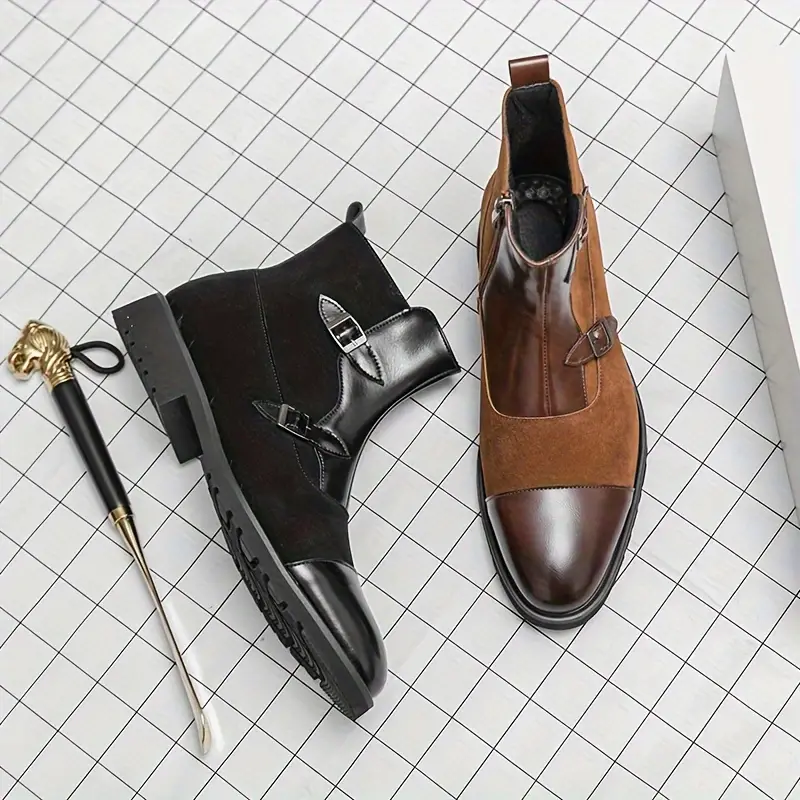
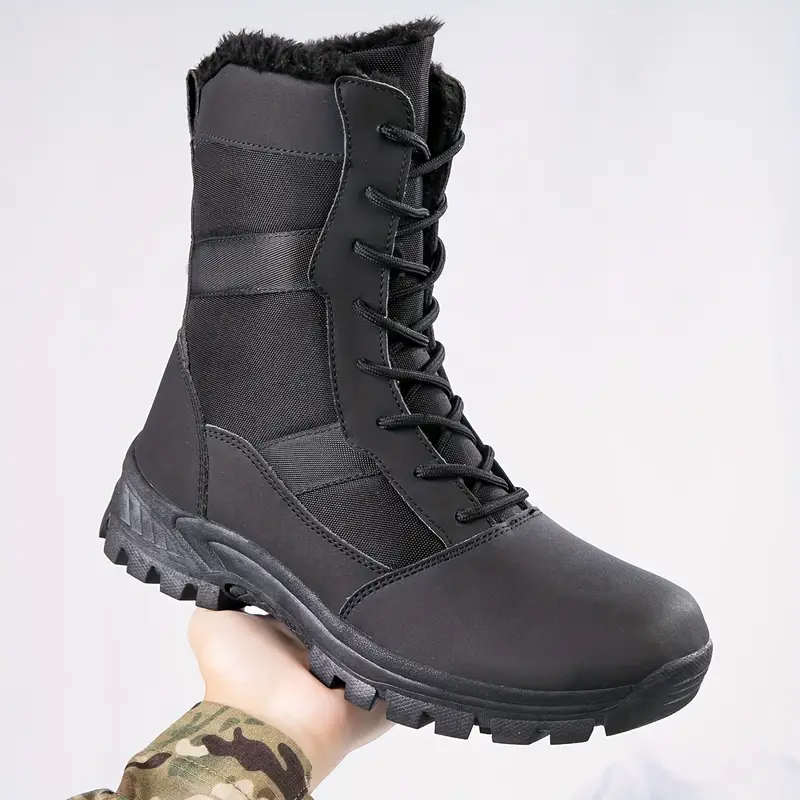
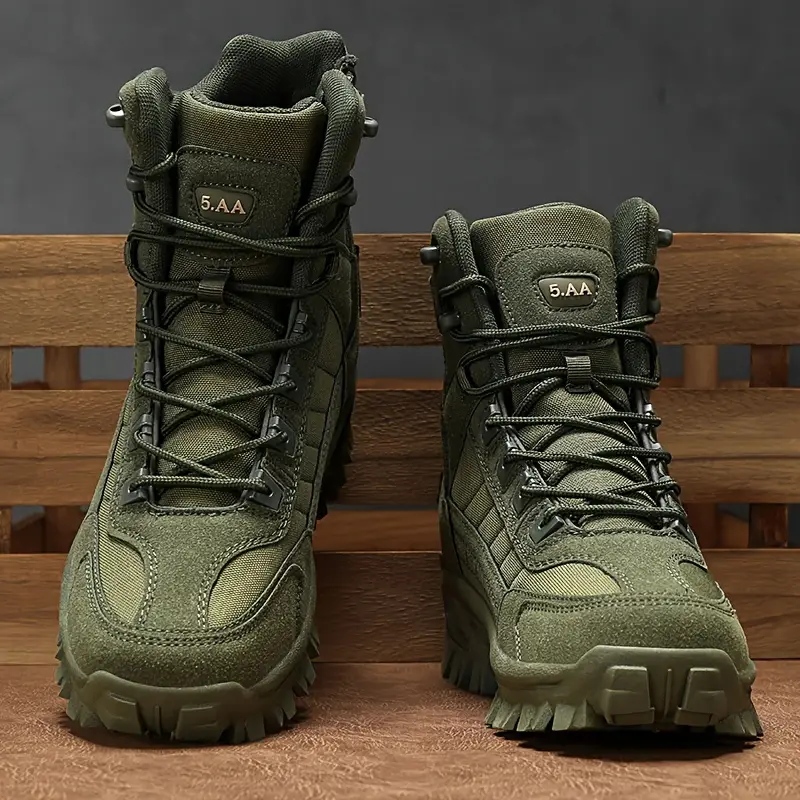
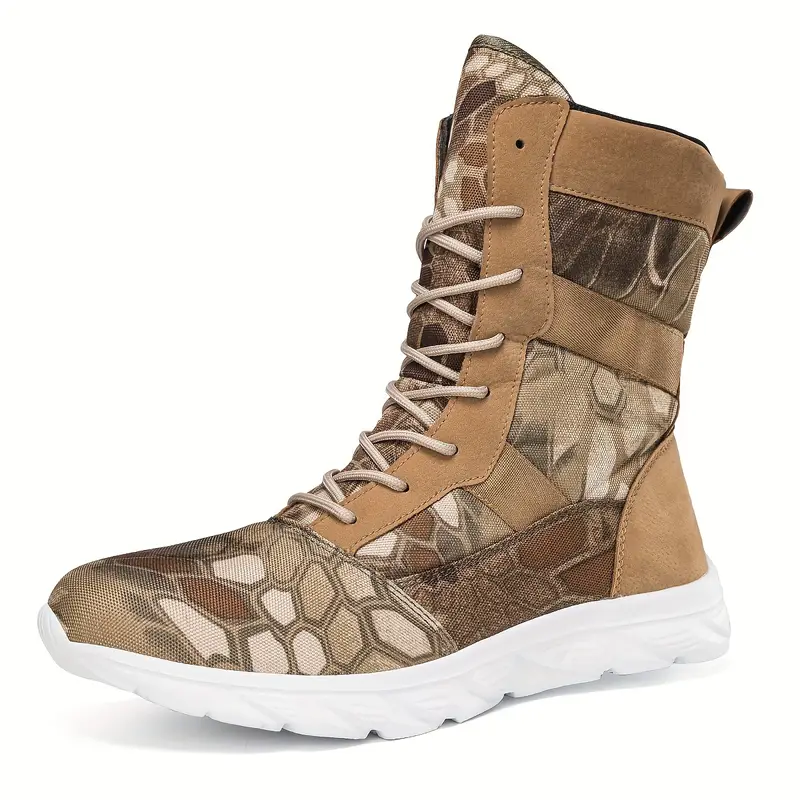
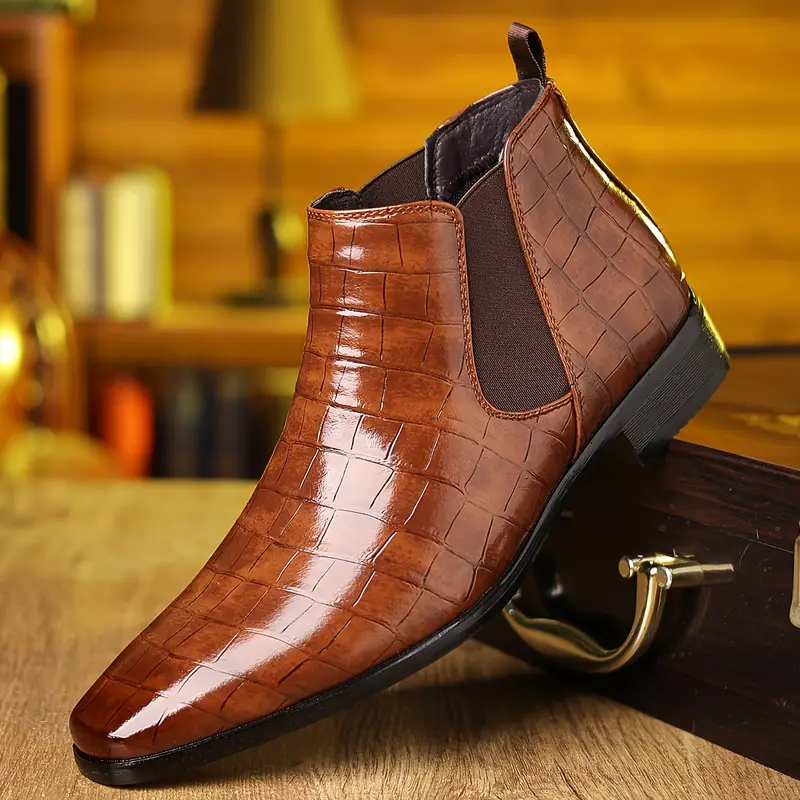
Boots are a necessity during the colder months, offering both durability and elegance. Timeless designs such as Chelsea and combat boots are resurgence in popularity, providing men with a way to showcase their personal style while staying warm. Waterproof varieties are in high demand, keeping feet dry even in wet weather. It’s important to choose boots appropriate for the occasion; sleek leather boots are suitable for formal events, whereas more casual settings might be better suited to sturdy, rugged styles.

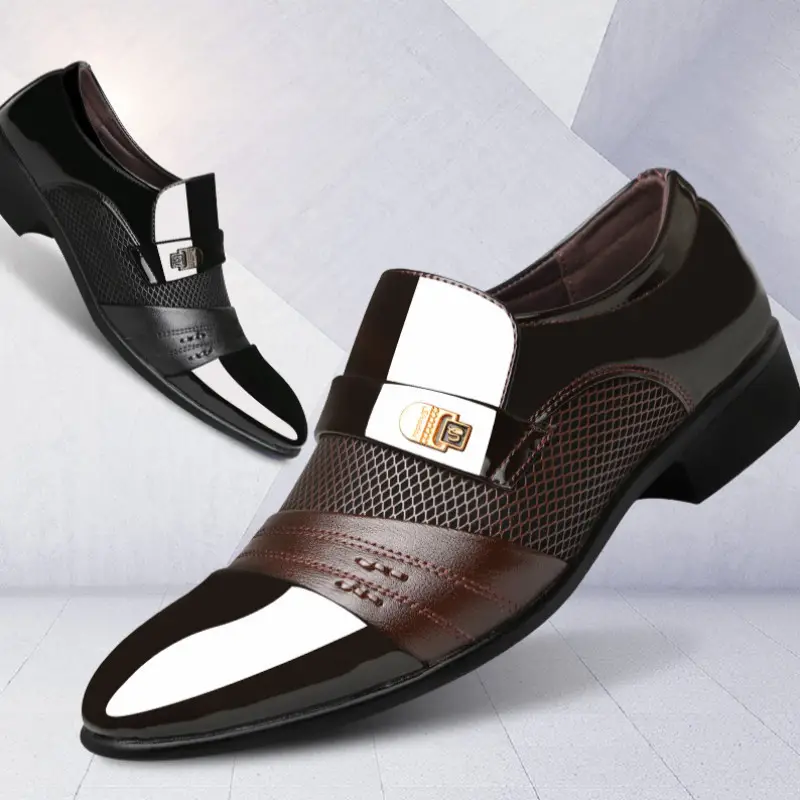
Loafers offer a refined alternative to traditional dress shoes, blending comfort with elegance. They are incredibly versatile, making them suitable for both office wear and social events. Suede loafers, in particular, are trending this season, providing a softer touch while retaining a polished look. Pair them with tailored trousers or dark jeans for a sophisticated ensemble. The key to maintaining loafers lies in proper care, which includes regular cleaning and the use of shoe trees to preserve their shape.

Sneakers remain at the forefront of casual footwear, constantly advancing in design and practicality. High-tops are especially favored for their extra ankle support and striking style. Opt for sneakers in neutral colors or timeless patterns to ensure they complement a variety of outfits. To prolong their durability, regular care including cleaning and appropriate storage is essential.

In summary, keeping abreast of the latest men’s footwear trends for the upcoming fall and winter seasons enables one to make knowledgeable choices that not only elevate personal style but also cater to functional necessities. Through judicious selection and upkeep of their footwear, men can stride with assurance in various environments.

Accessorizing for the Season

As the temperatures drop, the importance of accessorizing becomes paramount in achieving both style and comfort. Essential accessories for the fall and winter months not only serve practical purposes but also enhance overall outfits. Scarves, hats, gloves, and bags are pivotal in shaping a fashionable seasonal look. It is crucial to select accessories that not only provide warmth but also reflect personal style and elevate one’s wardrobe.

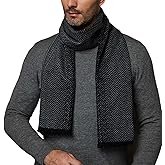
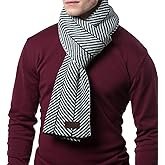
Scarves, for instance, can be a versatile addition to any outfit. They come in various materials, such as wool, cashmere, or cotton, and fleece, each serving different warmth levels. When selecting a scarf, consider both color and pattern to ensure it complements your outerwear. During the fall and winter, earthy tones and rich jewel hues are especially in vogue, blending seamlessly with neutral outerwear. Scarves add a layer of texture, ranging from thick knits to smooth silks, completing any ensemble.

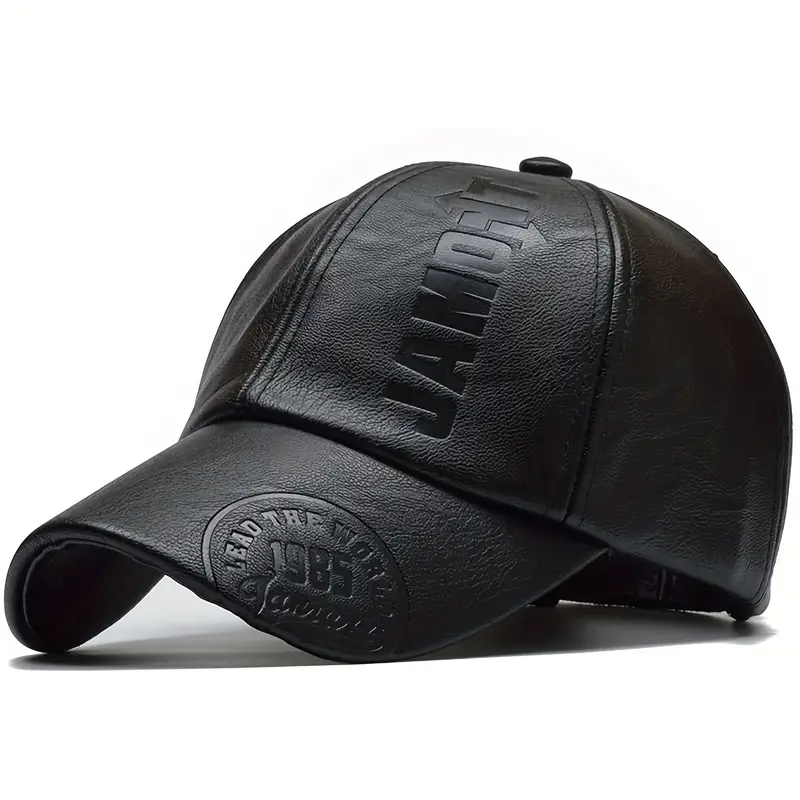
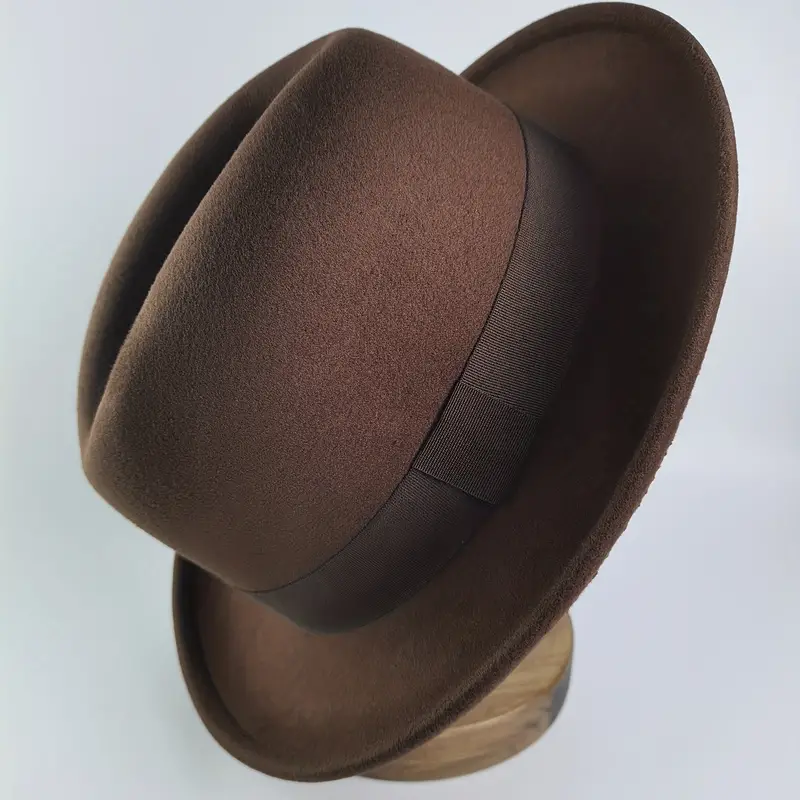
Hats are another key accessory that can turn a simple outfit into a style statement. Beanies, fedoras, and flat caps add warmth while allowing for creativity in personal expression. When choosing a hat, bear in mind the shape of your face and the color palette of your outfit. A well-chosen hat can harmonize with other elements of your wardrobe, adding balance and sophistication.

Gloves should also not be neglected, especially when residing in or visiting the higher elevations of the beautiful state of Arizona. Choose styles that blend functionality with fashion—leather gloves offer elegance, while chunky knit varieties give a sense of coziness.

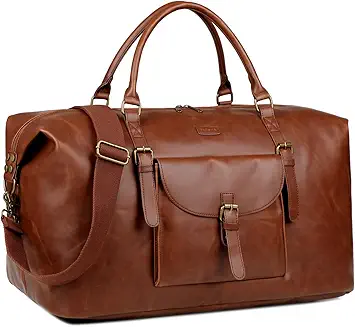
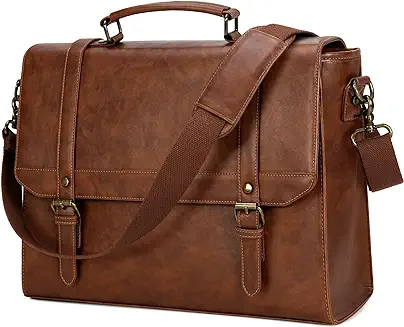
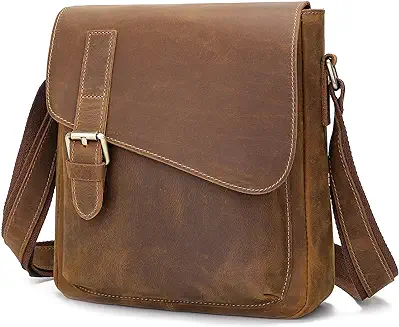
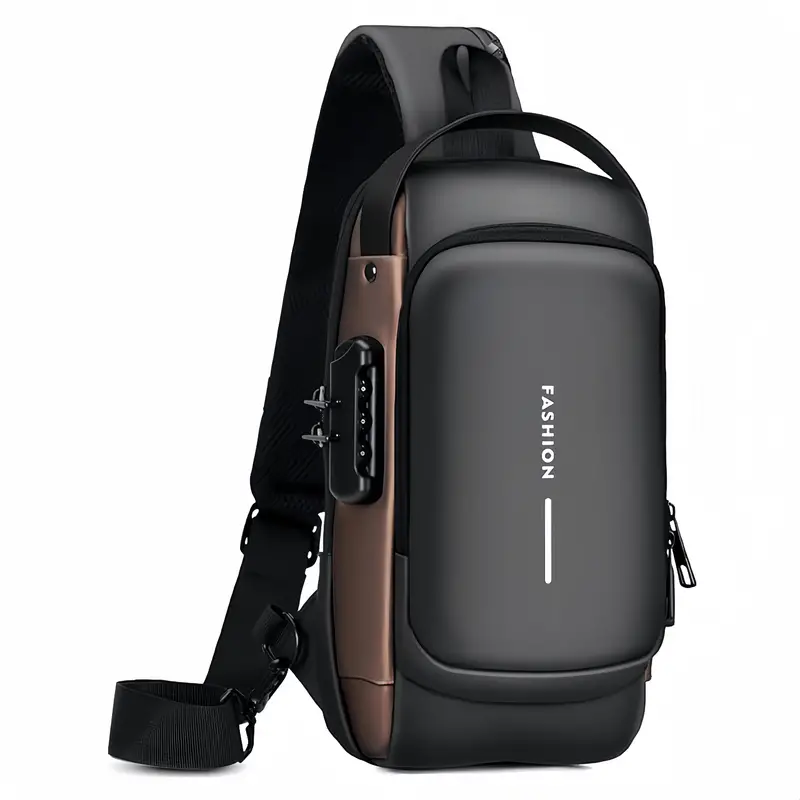
Accessories like bags can also play a significant role; select a bag that is both practical yet stylish. Materials such as leather or weather-resistant fabric are ideal for the season. Ultimately, thoughtful consideration of color coordination and texture matching ensures that your accessories complement your attire seamlessly, providing both warmth and style.

Sustainable Fashion Choices

As the fashion industry evolves, sustainability has emerged as a pivotal consideration, especially in men’s fall and winter wardrobes. Eco-friendly fashion choices are not only beneficial for the environment but also for the consumers who seek to make conscientious purchasing decisions.

Thrifting also presents a practical solution for those aiming to embrace sustainable fashion while not breaking the bank. By shopping second-hand, men can find unique pieces while reducing the demand for new production. Thrift stores and online platforms dedicated to pre-owned clothing not only offer a more affordable alternative but also divert clothing from landfills. Participating in this activity not only supports sustainability but also fosters personal style, as thrifting enables the discovery of diverse trends without participating in the harmful cycle of fast fashion.

Investing in timeless pieces is another fundamental aspect of sustainable men’s fashion. Classic items, such as a well-tailored overcoat or durable leather boots, exhibit longevity and a timeless appeal that transcends seasonal trends. Opting for high-quality materials ensures these garments withstand the test of time, both in style and wear. By making conscious choices to invest in pieces that can be worn for years, consumers effectively reduce waste and their overall carbon footprint. In fostering a commitment to sustainable fashion, individuals can contribute to a more responsible industry while preserving their personal style throughout the fall and winter seasons.

Your Fall/Winter Fashion Checklist

As the seasons shift from autumn’s warmth to winter’s chill, it’s crucial for men to update their wardrobe. The proper attire not only equips one for the temperature shift but also secures a fashionable look. Delving into key trends reveals that certain staple pieces are vital for assembling a practical and fashionable fall/winter collection.

First and foremost, layering is key. A versatile collection consisting of quality sweaters, cardigans, and lightweight jackets allows for adaptable styling is essential. When selecting outerwear, invest in a timeless coat that bridges style and comfort, such as a wool overcoat or a puffer jacket. These pieces offer warmth while maintaining a polished look.

Additionally, consider incorporating tailored trousers and dark denim into your wardrobe. These styles can be easily paired with different tops and footwear, enhancing both casual and formal outfits.

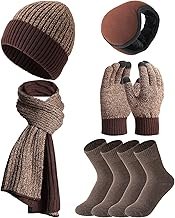
Accessories like beanies, scarves, and leather gloves can add a personal touch while providing necessary warmth.

When embarking on your shopping journey this season, focus on functionality while maintaining style. Aim for high-quality materials like wool, cashmere, and dense cotton that are known for their longevity. These fabrics offer not just durability but also elevate the sophistication of your attire and overall appearance.

Maintenance is equally significant in preserving your fall/winter wardrobe. Regular attention to cleaning and proper storage of garments will prolong their life. Consider the investment in a garment steamer and closet organizers to facilitate ease in selecting outfits.

By following this checklist and incorporating the key trends of the season, you can enter the fall and winter months with a wardrobe that is both practical and fashion-forward.

RICHBOY ENTERTAINMENT 903

Ultimate Guide to Fall/Winter Clothing II: Stay Stylish and Warm

Introduction to Fall/Winter Fashion

As the seasons transition from the warmth of summer to the crispness of fall and the chill of winter, the importance of adapting one’s wardrobe becomes increasingly evident. Fall and winter fashion is not merely about protection against the cold; it showcases an opportunity to express individual style through carefully chosen clothing pieces. Transitional wardrobe elements are essential, as they provide versatility while ensuring comfort in varying temperatures.

One of the fundamental characteristics of fall and winter clothing is the selection of fabrics. During these colder months, heavier fabrics such as wool, cashmere, and flannel become prominent, offering both insulation and texture. These materials are not only practical for retaining heat but also contribute to the aesthetic appeal of outfits. Moreover, layering techniques become crucial, as they allow individuals to adapt to fluctuating temperatures. Wearing a combination of base layers, mid-layers, and outerwear not only enhances warmth but also adds depth and style to any ensemble.

During the fall and winter seasons, color palettes undergo a significant shift. Earthy tones, deep jewel hues, and rich neutrals usually prevail, mirroring the seasonal transformations in the environment. These colors can effortlessly complement the more vibrant pieces common in summer attire. Moreover, seasonal patterns like plaids and florals offer a contrast to the solid shades, adding visual interest to ensembles. Accessorizing with items such as scarves, gloves, and the quintessential hat not only elevates the style but also serves a practical purpose.

In essence, understanding the principles of fall/winter fashion can lead to the development of a stylish and functional wardrobe. By focusing on appropriate fabric selections, proficient layering techniques, and thoughtful color combinations, individuals can confidently navigate the cooler months while remaining comfortable and fashionable.

Essential Fabrics for the Cold Season

As the temperatures begin to drop during the fall and winter months, selecting the right fabrics for clothing becomes increasingly important. Certain materials not only provide warmth but also contribute to comfort and style throughout the colder seasons.

Among the most suitable fabrics are wool, cashmere, fleece, and flannel, each offering unique properties that cater to different needs.

Wool is a time-honored material valued for its superior insulation qualities. It’s breathable, wicks moisture away, and effectively regulates temperature, making it perfect for a range of clothing items, including sweaters, jackets, and scarves. To preserve wool, it’s recommended to either hand wash or select a gentle machine cycle, and to avoid high heat when drying to protect the fabric’s structure.

NOTE: “It is recommended that wool suits, jackets, and coats be dry cleaned at least twice per year.

Cashmere, known for its softness and luxurious feel, is derived from cashmere goats and is particularly favored for sweaters and scarves. This fine fiber is lightweight yet incredibly warm, making it a great option for layering in chic winter outfits. To extend the lifespan of cashmere, it is crucial to wash it gently by hand and lay flat to dry, avoiding ordinary detergents that may degrade its fibers.

Fleece has become a popular fabric choice, particularly for casual and active outdoor apparel. It’s lightweight yet offers superior insulation, ideal for crafting jackets and sweatshirts. While fleece is typically machine washable, it’s advisable to steer clear of fabric softeners to preserve its breathability over time.

Flannel remains a timeless option for shirts and pajamas, cherished for its softness and warmth. Typically crafted from cotton or wool blends, flannel offers extra coziness on chilly evenings. To preserve its gentle texture and form, it’s best to wash flannel in cold water and use a low heat setting for tumble drying.

In utilizing these essential fabrics, individuals can ensure their fall and winter wardrobes remain both stylish and functional, allowing them to comfortably navigate the chill of the season.

Layering Techniques for Maximum Warmth

Layering is a fundamental technique that allows individuals to stay warm and stylish during the colder months of fall and winter. Understanding how to layer effectively involves strategically combining different types of clothing to create a cohesive look that provides insulation without sacrificing comfort or style. The art of layering typically consists of three main components: base layers, mid-layers, and outer layers.

The base layer is the foundation of any layering strategy. It is typically made from materials that wick moisture away from the skin, such as merino wool or synthetic fabrics. This layer should fit snugly against the body, as it serves to regulate body temperature and keep you dry in fluctuating conditions. It is essential to select a base layer that aligns with your activity level; for example, a thermal long-sleeve shirt may be ideal for outdoor activities, while a lightweight t-shirt might suffice for indoor settings and don’t forget the long johns.

Mid-layers are essential for extra insulation. These can include sweaters, fleece tops, or quilted vests, tailored to the weather, demographic, and personal style preferences. When selecting mid-layers, the fit is important; a tailored style lends a polished look, whereas a looser fit might be more casual. Choosing versatile colors and patterns that blend well with the rest of your wardrobe is recommended.

Finally, the outer layer serves as the protective shell against wind, rain, and snow. This layer typically includes jackets, coats, hats or parkas designed with weather-resistant materials. Functional outerwear is essential, yet style should not be overlooked. Look for outer layers that complement the base and mid-layers, contributing not only to warmth but also to your overall outfit aesthetic.

Ultimately, the key to effective layering lies in the balance of fit, functionality, and style. By thoughtfully combining base, mid, and outer layers, you can achieve a chic look while staying warm throughout the fall and winter seasons.

Key Clothing Items for Your Fall/Winter Wardrobe

As the temperatures begin to drop, it becomes essential to curate a versatile fall and winter wardrobe that combines style, warmth, and practicality. Certain key items form the foundation of an effective colder-season collection, ensuring you can layer and adapt to various weather conditions while remaining fashionable.

At the top of this list is a high-quality jacket. A durable, insulated jacket is crucial for protecting against harsh winds and cold temperatures. Options such as a classic trench coat, parka, or tailored wool coat can provide both warmth and style, allowing for seamless transitions from day to night. When selecting a jacket, consider the length, fit, and materials, ensuring it complements your personal style and body type.

Furthermore, an assortment of cozy sweaters is essential. Not only do they offer warmth, but they also act as a medium for personal style expression. Chunky knits, turtlenecks, and cardigans, when matched with different bottoms, can forge eye-catching layered ensembles. Sweaters’ adaptability enables them to be elevated or casual, securing their place as a fundamental element in any man’s autumn and winter wardrobe.

Accessories, such as scarves and hats, play a vital role in a warm wardrobe. A fashionable scarf can elevate any outfit, while also offering additional warmth. Opt for materials like wool or cashmere for extra insulation. Hats, ranging from beanies to fedoras, not only shield from the chill but also add a distinct flair to various ensembles. When selecting these items, aim for complementary colors and textures to enhance overall cohesion.

Lastly, appropriate footwear is essential as colder months often bring snow or rain. Investing in a sturdy pair of boots with good insulation and traction will ensure longevity while keeping your feet warm and dry. Consider waterproof options if you anticipate wet conditions. By selecting versatile and stylish footwear, you can maintain a polished look throughout the fall and winter seasons.

Color Trends for Fall/Winter

As the seasons transition into fall and winter, color trends play a significant role in shaping the aesthetics of clothing collections. This year, the dominant palettes are characterized by rich, earthy tones and vibrant pops of color that can breathe life into layered ensembles. Popular colors include deep burgundy, olive green, and burnt orange, which offer warmth and a connection to the seasonal landscape. Additionally, classic neutrals like taupe and charcoal continue to hold their ground, providing a versatile foundation for any wardrobe.

Incorporating these trending colors into one’s wardrobe can be done seamlessly. For instance, a deep burgundy coat can serve as an anchor piece in an outfit, paired with a neutral turtleneck, tailored trousers, or a heavy jean. To add depth and avoid monotony, accessories can be utilized effectively. A vibrant scarf in mustard yellow or forest green can inject an unexpected burst of color, while still complementing the overall look.

Another noteworthy trend is the use of COLOR BLOCKING, which involves combining multiple bold colors in a single outfit for a statement effect. This can be achieved with items such as a teal sweater with rust-colored pants, striking a balance between warmth and vibrancy. When opting for color blocking, it is essential to choose colors that harmonize with one another, accent your skin tone, ensuring a cohesive and dapper appearance.

Moreover, prints and patterns are becoming increasingly popular in fall/winter wardrobes. Florals in darker shades and plaid patterns can effectively incorporate seasonal colors into outfits while keeping them fresh and stylish’.

Accessorizing for Style and Warmth

As the temperatures drop during the fall and winter months, the importance of accessorizing becomes increasingly evident. Accessories not only elevate an outfit but also provide essential warmth to combat the cold. The right choices in scarves, hats, gloves, can make a significant difference in both aesthetics and comfort, ensuring that you stay stylish while keeping warm.

Scarves are a crucial piece of the wardrobe puzzle; it’s recommended to choose thicker materials like wool or cashmere. These materials offer superior warmth and contribute texture and depth to your ensemble. An oversized scarf can be elegantly draped or snugly wrapped around the neck for extra warmth. Moreover, selecting scarves in vibrant colors or patterns creates an attractive contrast with the subdued hues often seen during the season.

Hats are another critical accessory during colder months. Beyond keeping your head warm, hats can also serve as a unique style statement. Beanies, fedoras, or caps can complement various outfits, especially when coordinated with the scarf and gloves. It is wise to consider the material and fit of the hat; wool and knitted styles often provide the most warmth while remaining fashionable.

Gloves are essential for keeping hands warm and can be a chic addition to any winter ensemble. Leather gloves lined with soft materials such as fleece offer an upscale look while providing comfort. Fingerless gloves are also a trendy alternative if you need dexterity, allowing you to keep your hands warm without sacrificing functionality.

Footwear: Staying Stylish and Warm

As the seasons transition into fall and winter, selecting the right footwear becomes essential for maintaining both style and comfort. Footwear options for colder months must balance functionality, warmth, and aesthetics. Among the most popular choices are boots, sneakers, and dress shoes, each catering to specific needs and occasions.

Boots are a quintessential component of fall and winter wardrobes. They come in various styles, such as ankle, knee-high, and combat boots, allowing for versatility. When choosing boots, look for materials that provide insulation, such as leather or waterproof fabrics. Insulated lining, like fleece or shearling, can help trap heat and keep feet warm during cold weather. Additionally, a sturdy outsole with good tread is crucial for navigating slippery surfaces, ensuring safety without sacrificing style.

Sneakers have also evolved to accommodate the challenges of fall and winter. Selecting a pair designed for colder weather can enhance comfort while maintaining a casual look. Look for sneakers made from water-resistant materials or those that incorporate thermal features. Moreover, a thicker sole with proper grip will provide traction, essential during rainy or snowy days.

In the colder months, it’s important not to overlook dress shoes for formal events. Look for styles that combine elegance with weather-resistant features, like leather shoes that have been treated for moisture resistance. Shoes with rubber soles can improve traction, ensuring stability on icy surfaces. Non-slip options are recommended, especially when expecting to walk in wet or slushy environments.

In summary, choosing appropriate footwear, such as insulated socks that are suitable for shoes, boots and formal footwear, is essential for maintaining both style and warmth during the fall and winter seasons. By taking into account factors like material, insulation, and tread, one can ensure both comfort and sophistication through the colder months. Informed decisions in selecting these items allow one to confront the weather with confidence while expressing their unique fashion sense.

Sustainable Fall/Winter Clothing Choices

The increasing awareness of environmental issues has prompted a significant shift towards sustainable fashion, particularly in the fall and winter months. Consumers are now more mindful of their clothing choices, opting for eco-friendly fabrics and brands that prioritize sustainable practices.

  • When it comes to selecting sustainable fabrics for your fall and winter wardrobe, consider materials such as organic cotton, Tencel, and hemp. These fabrics are produced with minimal chemical use and are often sourced from renewable resources.
  • Exploring second-hand shopping or upcycling is another eco-friendly strategy. Thrift stores and online marketplaces for pre-owned fashion can offer a wealth of unique pieces for fall and winter. Upcycling, the process of converting old garments into new creations, fosters creativity and individual expression. This approach not only prevents clothing from ending up in landfills but also enables the crafting of personalized, stylish ensembles that are budget-friendly and distinctive.

Final Thoughts: Dressing for Confidence and Comfort

As the seasons transition to fall and winter, the importance of selecting clothing that not only keeps us warm but also boosts our confidence becomes paramount. The ultimate guide to fall and winter clothing centers on the idea that style should never be sacrificed for comfort, nor vice versa. To achieve a harmonious balance, one must prioritize pieces that resonate with personal style while providing the necessary warmth during colder months.

A significant insight from our exploration into seasonal fashion is the adaptability afforded by layering. By thoughtfully assembling different items like sweaters, jackets, and scarves, one can showcase their distinctive style. Layering serves to provide extra warmth and opens up avenues for creativity in blending textures and hues. Selecting harmonious items that reflect an individual’s character can boost self-assurance, embodying boldness in fashion choices.

Moreover, fabric choice plays a crucial role in achieving comfort during the chilly seasons. Materials like wool, cashmere, and fleece invoke a sense of coziness while providing the protection needed against biting winds. It is advisable to select clothing that feels good against the skin, eliminating any discomfort that might detract from confidence. Additionally, investing in key staples such as well-fitting coats and versatile shoes/boots can form the foundation of a stylish wardrobe.

In Conclusion, embracing one’s individual style is essential. Fashion should be a reflection of who we are; therefore, it is important to select pieces that spark joy and confidence. 

Fashion choices should bolster self-expression and encourage the exploration of diverse styles, enhance self-expression, allowing for exploration of different styles without the fear or concern of judgment. 

As we welcome the charm of autumn and winter fashion, let us remember that feeling good begins within and manifests in our clothing, which ought to radiate ‘Confidence & Excellence’.  Let these seasons be an opportunity for personal expression and comfort.

Shop In My Gallery

Ultimate Guide to Fall & Winter Clothing: Style, Comfort, and Trends for The Mature Man

Understanding Fall/Winter Fashion Basics

The transition from warmer months to the fall and winter seasons demands a strategic approach to clothing selection. The key to mastering fall and winter fashion lies in understanding the essential elements that comprise this style, primarily focusing on layering, fabric choices, and color palettes. Layering is crucial, as it not only adds dimension to an outfit but also allows for versatility in varying temperatures. Effective layering typically involves three fundamental components: base layers, middle layers, and outerwear.

Base layers form the foundation of any outfit. These pieces, often made from moisture-wicking materials, should provide comfort and keep the body warm. When selecting base layers, opt for items in lightweight fabrics such as merino wool or synthetic blends, which retain heat without adding bulk. Middle layers, such as sweaters or fleece, offer additional insulation and can be styled to reflect personal aesthetics. Materials like cashmere and cotton blends not only enhance warmth but also contribute a luxe feel to everyday attire.

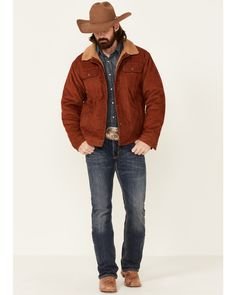
Outerwear serves as the final layer, crucial for shielding against harsh elements. Investing in high-quality coats and jackets, such as insulated parkas or tailored wool coats, ensures both warmth and sophistication. Color palettes for fall and winter tend to gravitate toward earthy tones and deep hues, which resonate well with the seasonal ambiance. Furthermore, texture plays a significant role in fall and winter fashion. Fabrics such as flannel, fleece, and corduroy not only provide visual interest but also enhance comfort and warmth.  

Current Trends in Men’s Fall/Winter Clothing

The fall and winter seasons are marking a noteworthy evolution in fashion trends, as styles shift towards a blend of comfort, bold aesthetics, and a rising emphasis on sustainability. One of the most prominent trends observed this season is the popularity of oversized garments. These pieces, including oversized coats, chunky knit sweaters, and relaxed-fit trousers, not only offer exceptional comfort but also provide a sophisticated silhouette that can effortlessly be styled for various occasions.

 “Incorporating versatile items into your wardrobe allows for a cohesive collection that can be dressed up or down as needed, accommodating various occasions.”

In addition to the oversized trend, bold patterns are making a significant impact this year. Whether it is plaid, geometrical or abstract designs, these eye-catching patterns are being embraced by fashion enthusiasts who wish to stand out during the fall and winter without spending a ton of money.

Sustainability continues to shape fashion choices, with a notable increase in brands prioritizing eco-friendly materials and ethical production methods. Consumers are more conscious than ever about their purchasing decisions, leading to a demand for sustainable clothing that does not compromise on style and break the wallet. The incorporation of recycled fabrics and organic materials into clothing lines illustrates the industry’s shift towards a greener future.

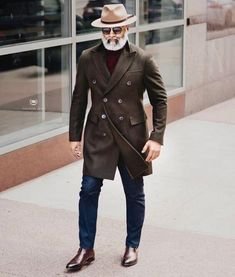
Essential pieces for the Mature Man such as tailored blazers, stylish ankle boots, and statement scarves are emerging as must-haves, while accessories like wide-brim hats enhance the elegance and versatility of fall/winter outfits.

Men’s Wardrobe Essentials for Fall/Winter

As the crisp air of fall transitions into the cold of winter, having the right items in your wardrobe becomes essential. A well-curated collection of fall and winter clothing not only enhances your style but also ensures comfort and warmth throughout the season. Key items to consider include….

  • Versatile coats
  • High-quality knitwear
  • Durable footwear 
  • Stylish winter accessories 

Each of these elements plays a crucial role in creating an adaptable fall/winter wardrobe for the Mature Man.

  1. Beginning with outerwear, a versatile coat is paramount. A classic wool blend peacoat or a tailored trench coat can effortlessly elevate any outfit. These outerwear options provide warmth while making a chic statement. Look for coats in neutral colors to ensure they complement various outfits. Additionally, a down or puffer jacket offers practicality during particularly cold days, ensuring you remain cozy without compromising style.
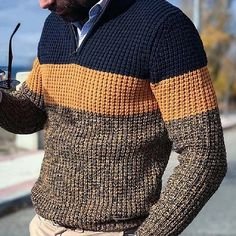
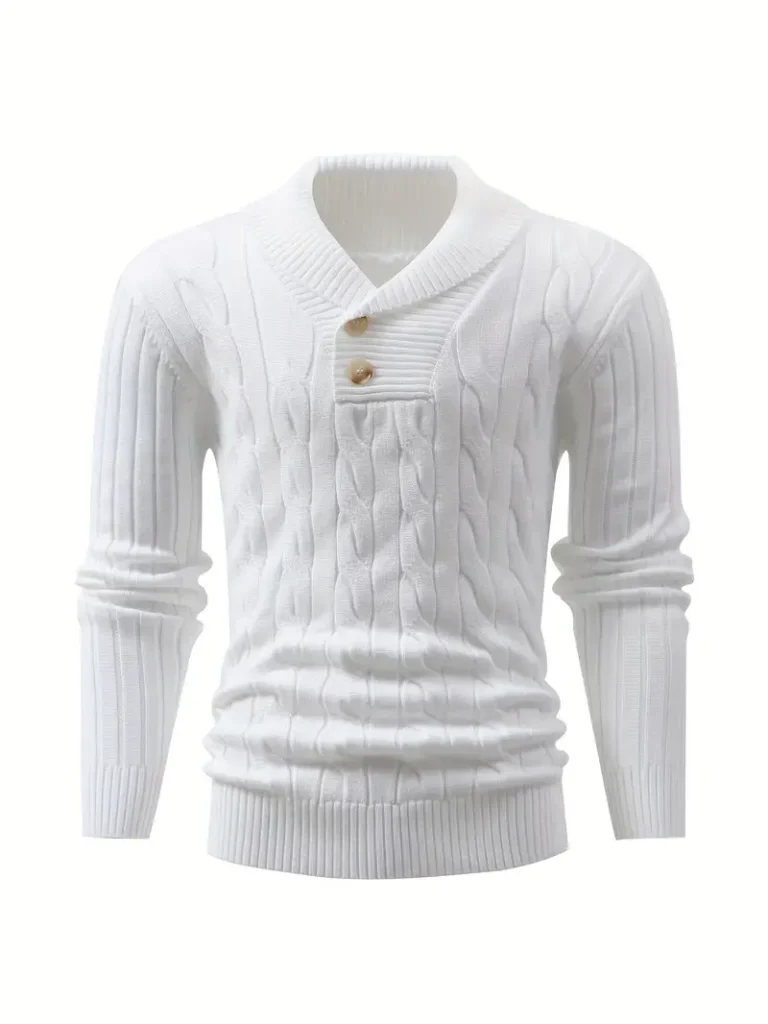
  2. Next, quality knitwear is vital for layering. Invest in several cozy sweaters, such as cable knits or cashmere pullovers, that can be paired with both casual and formal pants. These pieces not only provide warmth but also add texture to your ensemble. 
  3. Durable footwear is another crucial component. A pair of ankle boots, made from quality materials such as leather, can transition seamlessly from day to night. Consider waterproof options to tackle inclement weather. Moreover, a pair of warm, stylish boots can be both functional and fashionable, offering the necessary support during colder conditions.
  4. Finally, winter accessories cannot be overlooked. Scarves, gloves, and hats provide essential warmth while allowing for personal expression. Opt for accessories in coordinating colors or patterns to enhance your overall look. By combining these essential items thoughtfully, you create a wardrobe that not only signifies style but also offers lasting comfort through the fall and winter months.

Sustainable Choices for Men’s Fall/Winter Fashion

As the seasons change and temperatures drop, the demand for stylish and warm clothing grows. However, alongside this demand is an increasing awareness of sustainability in men’s fashion. 

Consumers are becoming more conscientious about their clothing choices, recognizing the significant impact the fashion industry has on the environment, however; “You should impact the environment and not let the environment impact you”.  Making sustainable and cost conscious choices for fall and winter fashion can significantly reduce this impact while allowing individuals to maintain their personal style.

One of the most effective ways to shop sustainably is to seek out brands that prioritize eco-friendly practices and tailored well. Many companies are now committed to using organic materials, reducing waste, and implementing ethical production processes. By actively supporting such organizations, consumers can contribute to a more sustainable fashion industry.

In addition to choosing sustainable brands, exploring pre-loved and thrifted options can greatly bolster one’s eco-friendly wardrobe. Thrift stores and online resale platforms offer a wide range of unique and fashionable pieces that often come at a fraction of the original price. By opting for second-hand clothing, not only do individuals save money, but they also help to reduce the demand for new clothes, which in turn lessens the strain on natural resources.

Another vital aspect of sustainable fashion for men is fabric recycling and mindful consumption. The mature man can prolong the life of their clothing, thereby reducing waste, by taking steps such as repairing minor damages or repurposing old garments. Additionally, being mindful of one’s shopping habits—such as evaluating whether a purchase is truly needed—can lead to more thoughtful and sustainable consumer behavior.

In other words, instead of buying a new pair of shoes/boots, take your old ones to your neighborhood shoe shop for repair. 

As fall and winter approach, embracing these sustainable choices allows one to enjoy stylish, comfortable clothing without compromising the health of our planet and putting an unnecessary strain on one’s budget.

Explore the essentials of fall and winter fashion, focusing on layering, fabric choices, and color palettes. Discover current trends including oversized garments and sustainable styles, along with key wardrobe items such as versatile coats and durable footwear. Learn how to create a stylish and functional winter wardrobe while embracing sustainable choices and ethical brands. This guide ensures you stay warm, stylish, and environmentally conscious during the colder months.

Unleash Your Sound: The Best Budget-Friendly Wireless Earbuds on Temu

Introduction to Pro Sound Wireless Earbuds

If you find yourself tangled in a web of cords while trying to enjoy your favorite tunes, it’s time to break free with pro sound wireless earbuds! These nifty little gadgets not only provide a hassle-free listening experience but also deliver excellent sound quality that even audiophiles can appreciate. In this post, we’ll dive into the realm of budget-friendly earbuds available on Temu. Get ready to upgrade your audio experience without burning a hole in your pocket!

Why Choose Wireless Earbuds?

Wireless earbuds are perfect companions for those always on the go. They offer the freedom to move while still enjoying crisp sound quality—whether you’re at the gym, commuting to work, or just chilling at home. Plus, the sleek designs mean you can rock them in style! But with so many options out there, how do you find the best budget-friendly earbuds?

Top Budget-Friendly Earbuds on Temu

Here’s a selection of some remarkable budget-friendly earbuds you can find on Temu, ready to elevate your audio game:

  • Model A:
    Description: A compact and lightweight option, perfect for active lifestyles.
    Key Features: ENC Noise Canceling Mic, Sport Earhook Design, Stereo Sound, LED Display Charging Case.
  • Additional Features: Comfortable fit, impressive battery life, Sweatproof and Water Resistant.
  • Price Range: Retail Price $56.95 Your Price $7.98
    Recommended Use: Ideal for workouts or outdoor activities. (4.7 out of 5)

  • Model B:
    Description: A stylish pair equipped with noise cancellation technology.
    Key Features: Active noise cancellation, touch controls, long battery life.
  • Additional Features: Running With ENC Noise Canceling Mic, Earphones 3D Deep Bass Over Ear, Sports Ear Buds Earhooks For IOS/Android
    Pros: Excellent sound isolation, chic design.
    Cons: Slightly bulky case.
    Price Range: $15.97
    Recommended Use: Great for commuting or office use. (4.8 out of 5)

Want to snag a pair for yourself? Check out the affiliate links to grab your pro sound wireless earbuds today!

(4.7 out of 5)

The Future of Smart Homes: Top Devices You Need in 2025

Introduction to Smart Homes

Smart homes represent a transformative evolution in how we interact with our living spaces, utilizing advanced technology to enhance both convenience and security. At its core, a smart home integrates various devices and systems, allowing homeowners to control elements such as lighting, heating, and security remotely, often through a central hub or smartphone application. The rise of the Internet of Things (IoT) has significantly contributed to the proliferation of smart home devices, fostering a more interconnected lifestyle.

The concept of smart homes can be traced back several decades, with early implementations focusing primarily on automation and control systems. However, over the years, advancements in wireless communication, artificial intelligence, and user interface design have significantly enriched the capabilities of smart technology. Today, smart homes offer seamless integration of various devices, from smart thermostats and lighting systems to security cameras and voice-activated assistants, creating an ecosystem that enhances daily living.

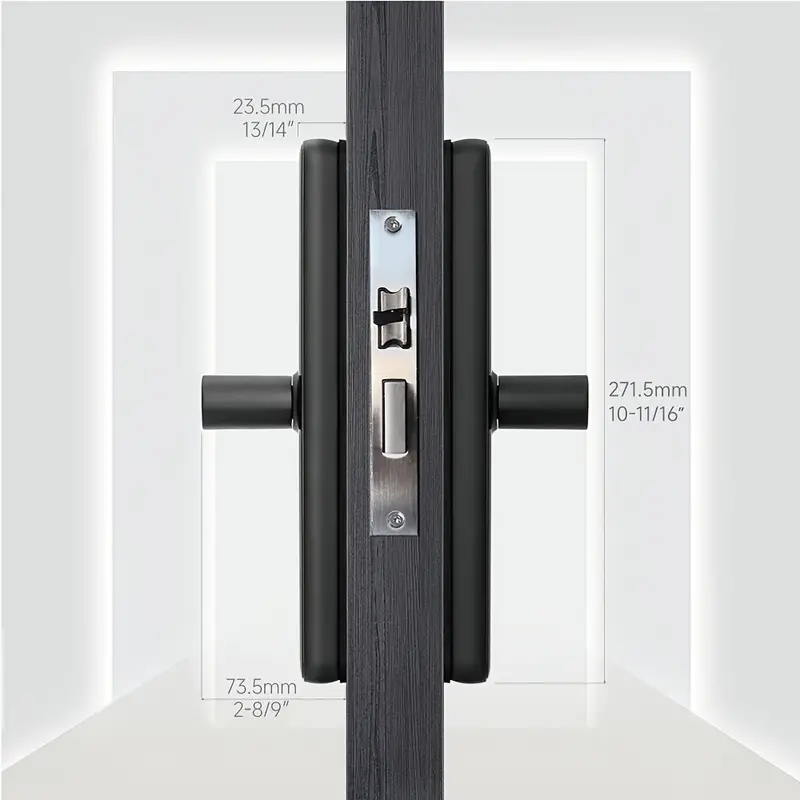
One of the most notable benefits of smart home technology is increased convenience. Homeowners can easily adjust their home environments through voice commands or mobile apps, reducing the need for manual tasks. Furthermore, smart devices often provide significant energy efficiency, as they can optimize energy use based on real-time data, leading to lower utility bills. Enhanced security features, such as smart locks and surveillance cameras, provide peace of mind by allowing homeowners to monitor their properties remotely, receiving alerts in case of unusual activity.

As we look towards 2025, the landscape of smart homes is expected to expand further, with innovations that continue to improve the way we live. This overview serves as a precursor to exploring specific smart devices that are anticipated to play vital roles in enhancing the future of home automation and security.

Key Trends in Smart Home Technology for 2025

The realm of smart home technology is witnessing remarkable advancements that are set to redefine consumer experiences in 2025. One of the most significant trends is the integration of artificial intelligence (AI) into smart devices. AI enhances device functionality by enabling them to learn from user behavior, making it possible for devices to anticipate needs and adapt accordingly. For example, smart thermostats can adjust temperatures based on individual routines, promoting both comfort and energy efficiency.

gray Nest thermostat displaying at 63
Photo by Dan LeFebvre on Unsplash

Another critical trend is the enhancement of Internet of Things (IoT) connectivity. Seamless integration of multiple smart devices allows users to control them through a unified platform, creating a more cohesive smart home ecosystem. This trend not only simplifies the user experience but also increases the interoperability of devices from different manufacturers. Consumers are increasingly looking for smart home systems that can integrate varied devices, ensuring enhanced convenience and a richer user experience.

Energy management systems are also gaining traction, as more homeowners become conscious of their energy consumption. Innovative smart devices that monitor and optimize energy use are essential to creating sustainable living environments. These smart solutions encourage responsible energy use and can help reduce utility costs, resonating well with an increasingly eco-conscious consumer base. As sustainability becomes a central focus, the demand for eco-friendly smart devices continues to rise, leading manufacturers to prioritize energy-efficient features in their offerings.

Additionally, with the rapid evolution of smart home technology, consumers are showing a preference for devices that offer advanced security features. Enhanced surveillance systems, smart locks, and motion detectors are becoming more popular, as homeowners aim to protect their properties from potential threats. In combination, these trends signal a shift towards smarter, more sustainable, and secure home environments that cater to the evolving needs and preferences of consumers.

Top Smart Home Devices to Watch in 2025

As technology advances, smart home devices continue to evolve, offering enhanced convenience, security, and energy efficiency. In 2025, several key devices are expected to play a significant role in creating a connected and efficient home environment. Below are some top smart home devices to consider incorporating into your lifestyle.

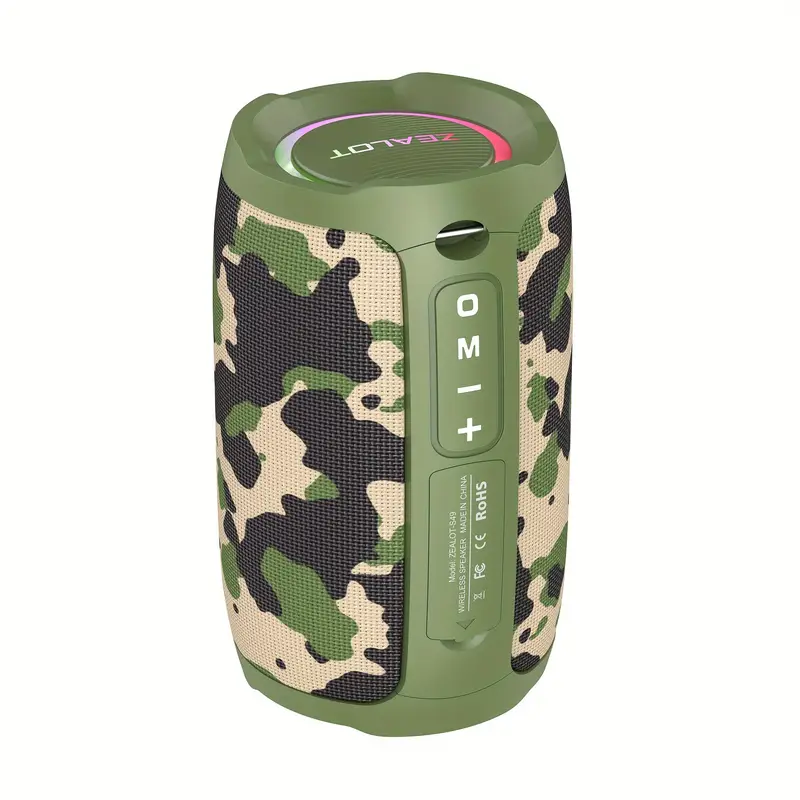
  • Smart speakers, such as the latest models from Temu. Best Wireless Speakers 2024, ZEALOT S49 10W Wireless Speakers, Outdoor Portable Subwoofer Speaker, Wireless Speaker, Dual Pairing, 3600mAh Battery, Boombox, Party Box, 12 Hours Playtime Loud Stereo, Booming Bass. Charging Cable And Aux Cable, Connect With Mobile Phone/Tablet/TV. For Home, Car, Outdoor, Camping. 4.8*****
  • Security is paramount, and advanced smart security cameras are anticipated to offer enhanced features. Look for models that provide high-definition video, night vision, and smart alerts that integrate seamlessly with your smartphone. Some even offer facial recognition technology, ensuring that only recognized individuals can gain access to your home. These features not only bolster security but also provide homeowners with peace of mind.
  • Smart thermostats will continue to lead the market in energy management. Devices like the Nest Learning Thermostat and Ecobee SmartThermostat allow users to optimize their heating and cooling systems based on their habits, resulting in significant energy savings. Many models are compatible with multiple voice assistants, giving users flexibility in how they manage temperature settings.
  • Home automation systems such as Samsung SmartThings and Apple HomeKit are expected to become more user-friendly, centralizing control over various smart devices. These platforms enable seamless interaction among different devices, enhancing the interconnectedness of your smart home. With customizable routines and security features, they cater to various lifestyles and budgets.

When choosing the appropriate devices, it’s crucial to take into account individual tastes and the requirements of the household. Given the vast selection available, homeowners can readily identify smart devices that not only complement their lifestyle but also enhance the efficiency and security of their home.

Conclusion: Preparing for the Smart Home of the Future

As we look ahead towards 2025, it is evident that the landscape of smart homes is evolving rapidly, making it crucial for homeowners and enthusiasts alike to stay informed about the latest innovations in this sector. The integration of smart devices into our living spaces is no longer just a trend; it is becoming a necessity for a more efficient and automated lifestyle. From intelligent lighting systems that adjust according to our preferences to advanced security solutions that enhance the safety of our homes, the options available are myriad and compelling.

In the discussion of top devices, we noticed a clear shift towards greater interconnectivity and user-friendly interfaces. The emergence of voice-activated technology, for example, has revolutionized how we interact with our homes, making them more intuitive and responsive to our needs. Moreover, the emphasis on sustainability via energy-efficient devices underscores the increasing consciousness of environmental consequences and the necessity for more intelligent lifestyle decisions. These advancements not only streamline everyday activities but also aid in reducing expenses and improving energy oversight.

As you contemplate the integration of smart technology into your home, it is vital to consider which devices align with your lifestyle and goals. Each product is designed to provide convenience and improve daily life, but understanding their long-term benefits is essential for meaningful adoption. We encourage you to explore various options, assess your specific needs, and envision how a smart home can enhance your living experience.

We encourage you to contribute your perspectives on the evolution of smart homes in the comments section below. Which devices captivate you the most, and how do you envision them transforming your daily living? Participating in this dialogue is a crucial step in joining the smart home movement.

Cultural and Eclectic Art: A Journey Through Diversity and Creativity

Introduction to Cultural and Eclectic Art

Cultural and eclectic art represents a captivating convergence of artistic traditions and influences drawn from diverse backgrounds. This unique art form reflects the rich tapestry of human expression, allowing artists to transcend geographical boundaries and create works that resonate on multiple levels. By weaving together various cultural elements, eclectic art emerges, highlighting the beauty found in diversity and fostering a dialogue among disparate artistic customs.

The significance of cultural art cannot be overstated. It serves as a mirror of society, capturing its complexities, values, and narratives. Each piece of art tells a story influenced by the historical, social, and political contexts in which it was created. As artists draw inspiration from a variety of sources—traditional motifs, contemporary trends, or indigenous practices—they cultivate a depth of meaning that invites viewers to engage with the artwork and explore its origins. This dynamic interplay encourages appreciation for artistic heritage while inspiring new interpretations.

Eclectic art, specifically, is characterized by its blending of styles, techniques, and concepts from different time periods and cultures. This amalgamation often leads to innovative and unexpected outcomes, pushing the boundaries of conventional art forms.

As we journey deeper into the world of cultural and eclectic art, we will uncover its historical roots, explore various styles, and examine its contemporary relevance. Through this exploration, readers will gain a broader understanding of how cultural influences shape artistic expressions in today’s diverse society, highlighting the significance of embracing multiple perspectives within the realm of creativity.

The Importance of Cultural Art in Society

Cultural art plays a pivotal role in society by fostering a sense of community and identity, acting as a powerful medium for cultural expression and understanding. Throughout history, cultural art has been instrumental in bridging gaps between different backgrounds, allowing individuals to explore experiences beyond their own. This exploration not only enriches personal perspectives but also cultivates empathy and dialogue, serving as a catalyst for social change.

Art movements rooted in cultural heritage have had significant historical and contemporary impacts. For instance, the Harlem Renaissance emerged in the early 20th century as a profound expression of African American culture and identity, highlighting issues of racial inequality and social justice. Artists such as Langston Hughes and Aaron Douglas used their works to communicate the struggles and triumphs of their community, leaving an indelible mark on American art and literature that continues to resonate today.

Similarly, the Chicano art movement, which gained momentum in the 1960s, sought to address social issues affecting Mexican Americans, such as immigration, identity, and civil rights. Through murals and other forms of artistic expression, notable artists like Judy Baca and Gilbert Luján vividly portrayed the rich cultural narratives of their communities, advocating for recognition and justice. These movements have served not only as forms of cultural expression but have also rallied communities around salient social issues, fostering unity and activism.

Exploring Eclectic Art Styles

Eclectic art styles represent a vibrant and dynamic fusion of diverse influences from various artistic movements, resulting in unique and innovative expression. At its core, eclecticism in art is about blending forms, techniques, and concepts from disparate sources, creating a richer and more complex artwork. This approach allows artists to draw inspiration from a multitude of traditions, effectively breaking down the barriers of conventional categories and styles.

One prominent example of eclecticism is collage, a technique that involves the incorporation of various materials such as paper, photographs, and fabric into a single cohesive piece. This style enables artists to construct additional layers of meaning, reflecting a complex reality that resonates with their personal experiences and cultural backgrounds. Another example encompasses mixed media, where different artistic mediums—such as paint, sculpture, and digital elements—are combined. This technique highlights the versatility that eclectic art embraces, showcasing an artist’s ability to transcend traditional boundaries and redefine what constitutes a masterpiece.

Influential artists such as Pablo Picasso and Anselm Kiefer exemplify the essence of eclectic art through their work. Picasso’s ability to meld styles, such as Cubism with elements of African art, created unprecedented perspectives that challenged viewers’ perceptions. Similarly, Kiefer’s incorporation of various materials and historical allusions into his paintings encourages viewers to contemplate themes of memory and identity. Through their unique approaches, these artists exemplify how eclectic art can become a transformative experience, allowing both the creator and observer to engage in an ongoing dialogue about culture and creativity.

As we explore eclectic art styles, we are reminded of the rich tapestry of human experience that informs artistic expression. By embracing various influences, artists can create works that are not only visually stunning but also layered with meaning and significance. This journey through eclecticism invites readers to appreciate the diversity in art and encourages them to explore their own creative paths.

Budget-Friendly Artworks on Temu

Art holds the power to transform spaces, but the cost associated with acquiring quality pieces can often hinder many from expressing their creativity and personal style. Fortunately, Temu offers a diverse range of budget-friendly artworks that cater to various tastes and preferences, making it easier for everyone to enhance their environments without breaking the bank.

One standout option available on Temu is vibrant canvas prints that encapsulate cultural heritage and eclectic styles. These pieces, which typically range from $15 to $50, feature colorful depictions of traditional designs and modern interpretations. They are perfect for bringing a lively touch to homes, particularly in living rooms or creative spaces where conversation and energy flow naturally. For example, a canvas featuring a bold abstract design can serve as a striking centerpiece on a gallery wall, fostering a sense of cultural appreciation.

Temu also carries an assortment of framed prints, ideal for those seeking a more classic aesthetic. Prices for these artworks start around $20 and can reach up to $60. These prints often highlight serene landscapes or motivational quotes, making them suitable for offices or study areas. By adorning workspaces with inspiring visuals, individuals can create a pleasant and productive atmosphere that encourages creativity and focus.

For mixed-use spaces, decorative wall hangings made from natural materials are a perfect choice. Temu features a variety of these artworks, starting at $25, which blend well with both modern and rustic décor.

Explore the artistic treasures available on Temu and find the perfect pieces that resonate with your personal style and space needs. Each purchase not only enhances your environment but also supports a vibrant community of artists and creators.

Ultimate Guide to Fall & Winter Clothing: Style, Comfort, and Trends for The Mature Man

Understanding Fall/Winter Fashion Basics

The transition from warmer months to the fall and winter seasons demands a strategic approach to clothing selection. The key to mastering fall and winter fashion lies in understanding the essential elements that comprise this style, primarily focusing on layering, fabric choices, and color palettes. Layering is crucial, as it not only adds dimension to an outfit but also allows for versatility in varying temperatures. Effective layering typically involves three fundamental components: base layers, middle layers, and outerwear.

Base layers form the foundation of any outfit. These pieces, often made from moisture-wicking materials, should provide comfort and keep the body warm. When selecting base layers, opt for items in lightweight fabrics such as merino wool or synthetic blends, which retain heat without adding bulk. Middle layers, such as sweaters or fleece, offer additional insulation and can be styled to reflect personal aesthetics. Materials like cashmere and cotton blends not only enhance warmth but also contribute a luxe feel to everyday attire.

Outerwear serves as the final layer, crucial for shielding against harsh elements. Investing in high-quality coats and jackets, such as insulated parkas or tailored wool coats, ensures both warmth and sophistication. Color palettes for fall and winter tend to gravitate toward earthy tones and deep hues, which resonate well with the seasonal ambiance. Furthermore, texture plays a significant role in fall and winter fashion. Fabrics such as flannel, fleece, and corduroy not only provide visual interest but also enhance comfort and warmth.  

Current Trends in Men’s Fall/Winter Clothing

The fall and winter seasons are marking a noteworthy evolution in fashion trends, as styles shift towards a blend of comfort, bold aesthetics, and a rising emphasis on sustainability. One of the most prominent trends observed this season is the popularity of oversized garments. These pieces, including oversized coats, chunky knit sweaters, and relaxed-fit trousers, not only offer exceptional comfort but also provide a sophisticated silhouette that can effortlessly be styled for various occasions.

 “Incorporating versatile items into your wardrobe allows for a cohesive collection that can be dressed up or down as needed, accommodating various occasions.”

In addition to the oversized trend, bold patterns are making a significant impact this year. Whether it is plaid, geometrical or abstract designs, these eye-catching patterns are being embraced by fashion enthusiasts who wish to stand out during the fall and winter without spending a ton of money.

Sustainability continues to shape fashion choices, with a notable increase in brands prioritizing eco-friendly materials and ethical production methods. Consumers are more conscious than ever about their purchasing decisions, leading to a demand for sustainable clothing that does not compromise on style and break the wallet. The incorporation of recycled fabrics and organic materials into clothing lines illustrates the industry’s shift towards a greener future.

Essential pieces for the Mature Man such as tailored blazers, stylish ankle boots, and statement scarves are emerging as must-haves, while accessories like wide-brim hats enhance the elegance and versatility of fall/winter outfits.

Men’s Wardrobe Essentials for Fall/Winter

As the crisp air of fall transitions into the cold of winter, having the right items in your wardrobe becomes essential. A well-curated collection of fall and winter clothing not only enhances your style but also ensures comfort and warmth throughout the season. Key items to consider include….

  • Versatile coats
  • High-quality knitwear
  • Durable footwear 
  • Stylish winter accessories 

Each of these elements plays a crucial role in creating an adaptable fall/winter wardrobe for the Mature Man.

  1. Beginning with outerwear, a versatile coat is paramount. A classic wool blend peacoat or a tailored trench coat can effortlessly elevate any outfit. These outerwear options provide warmth while making a chic statement. Look for coats in neutral colors to ensure they complement various outfits. Additionally, a down or puffer jacket offers practicality during particularly cold days, ensuring you remain cozy without compromising style.
  2. Next, quality knitwear is vital for layering. Invest in several cozy sweaters, such as cable knits or cashmere pullovers, that can be paired with both casual and formal pants. These pieces not only provide warmth but also add texture to your ensemble. 
  3. Durable footwear is another crucial component. A pair of ankle boots, made from quality materials such as leather, can transition seamlessly from day to night. Consider waterproof options to tackle inclement weather. Moreover, a pair of warm, stylish boots can be both functional and fashionable, offering the necessary support during colder conditions.
  4. Finally, winter accessories cannot be overlooked. Scarves, gloves, and hats provide essential warmth while allowing for personal expression. Opt for accessories in coordinating colors or patterns to enhance your overall look. By combining these essential items thoughtfully, you create a wardrobe that not only signifies style but also offers lasting comfort through the fall and winter months.

Sustainable Choices for Men’s Fall/Winter Fashion

As the seasons change and temperatures drop, the demand for stylish and warm clothing grows. However, alongside this demand is an increasing awareness of sustainability in men’s fashion. 

Consumers are becoming more conscientious about their clothing choices, recognizing the significant impact the fashion industry has on the environment, however; “You should impact the environment and not let the environment impact you”.  Making sustainable and cost-conscious choices for fall and winter fashion can significantly reduce this impact while allowing individuals to maintain their personal style.

One of the most effective ways to shop sustainably is to seek out brands that prioritize eco-friendly practices and tailored well. Many companies are now committed to using organic materials, reducing waste, and implementing ethical production processes. By actively supporting such organizations, consumers can contribute to a more sustainable fashion industry.

In addition to choosing sustainable brands, exploring pre-loved and thrifted options can greatly bolster one’s eco-friendly wardrobe. Thrift stores and online resale platforms offer a wide range of unique and fashionable pieces that often come at a fraction of the original price. By opting for second-hand clothing, not only do individuals save money, but they also help to reduce the demand for new clothes, which in turn lessens the strain on natural resources.

Another vital aspect of sustainable fashion for men is fabric recycling and mindful consumption. The mature man can prolong the life of their clothing, thereby reducing waste, by taking steps such as repairing minor damages or repurposing old garments. Additionally, being mindful of one’s shopping habits—such as evaluating whether a purchase is truly needed—can lead to more thoughtful and sustainable consumer behavior.

In other words, instead of buying a new pair of shoes/boots, take your old ones to your neighborhood shoe shop for repair. 

As fall and winter approach, embracing these sustainable choices allows one to enjoy stylish, comfortable clothing without compromising the health of our planet and putting an unnecessary strain on one’s budget.

Explore the essentials of fall and winter fashion, focusing on layering, fabric choices, and color palettes. Discover current trends including oversized garments and sustainable styles, along with key wardrobe items such as versatile coats and durable footwear. Learn how to create a stylish and functional winter wardrobe while embracing sustainable choices and ethical brands. This guide ensures you stay warm, stylish, and environmentally conscious during the colder months.

Best Compost Bins for Sustainable Home Gardening

This image has an empty alt attribute; its file name is 1d7d072d-2e26-4ff3-9ad4-ceddd38b1021_1500x1500-1.webp

Introduction to Sustainable Home Gardening

Sustainable home gardening embodies a holistic approach to nurturing both the environment and our personal well-being. This practice focuses on cultivating plants in a manner that minimizes ecological impact while maximizing the health of the ecosystem. One of the cornerstones of sustainable gardening is composting, which not only enriches the soil but also effectively reduces organic waste. By converting kitchen scraps and yard waste into nutrient-rich compost, gardeners can significantly improve soil fertility and structure, providing plants with the essentials they need for robust growth.

Composting serves as a pivotal component in maintaining a sustainable lifestyle. It allows individuals to recycle organic materials that would otherwise contribute to landfill overflow. By diverting waste from disposal, composting reduces methane emissions, a potent greenhouse gas, thereby mitigating climate change impacts. Furthermore, using compost in the garden can decrease the need for chemical fertilizers, fostering a healthier environment for both plants and beneficial organisms essential for soil health.

The benefits of composting extend beyond soil enrichment and waste reduction. It enhances the biodiversity of the garden by creating a thriving habitat for various microorganisms and earthworms that contribute to a balanced ecosystem. As these organisms break down compost, they release essential nutrients back into the soil, promoting vigorous plant growth while combating diseases and pests naturally. Home gardeners who adopt composting not only contribute to their health and the health of their gardens but also support broader environmental objectives such as soil conservation and sustainable land management.

This exploration of sustainable home gardening will review some of the best compost bins available, guiding readers towards efficient solutions for incorporating composting into their gardening practices. By choosing the right compost bin, individuals can streamline their composting efforts and further enhance their contributions towards a sustainable future.

Why Composting is Essential for Your Garden

The presence of compost fosters an environment ripe for beneficial microorganisms. These organisms play a critical role in breaking down organic matter into absorbable nutrients for plants. By attracting earthworms and other soil-dwelling creatures, compost enhances the biological activity in the soil, leading to improved fertility and disease resistance in plants. This complex ecosystem, nurtured by compost, creates a well-balanced environment conducive to plant growth.

This image has an empty alt attribute; its file name is 8b86ac99-f0c2-4b0d-b786-905ea96b6297.webp

Types of Compost Bins

One prevalent option is the compost tumbler, which features a closed container on a rotating axis. This design allows easy mixing of compost material, ensuring that aeration occurs more efficiently. Tumblers are ideal for those who seek a faster composting process, as they can produce mature compost in as little as two to four weeks. They are also less likely to attract pests, making them a popular choice for urban gardeners.

Stationary compost bins are another common type, usually made of wood or plastic, and are designed to hold compost in a fixed location. These bins can be open or enclosed and are suitable for larger quantities of compost material. They allow for natural decomposition, requiring more time but providing larger amounts of finished compost for gardeners with space and patience.

Worm bins, or vermicomposting systems, utilize red wigglers to break down organic waste. This method is particularly suitable for those with limited outdoor space, as it can be done indoors. Worm bins produce nutrient-rich castings that serve as an excellent fertilizer for plants, thus enhancing sustainable home gardening practices.

Lastly, Bokashi systems offer an innovative composting approach using fermentation to break down food waste. This method requires minimal space and works well for those who wish to compost kitchen scraps, including meat and dairy products, that traditional composting systems cannot handle. Bokashi can also be used as a pre-treatment before introducing waste into a conventional compost bin.

Overall, each type of compost bin presents unique benefits and is designed to meet various composting needs. By considering the functions and suitability of each option, gardeners can make informed decisions to further their sustainable gardening practices.

Key Features to Consider When Choosing a Compost Bin

When selecting a compost bin, several essential features must be taken into account to ensure effective composting and a seamless gardening experience. One of the primary considerations is the size of the compost bin. The volume of organic waste produced at your home will significantly influence the necessary bin capacity. A bin that is too small will require frequent emptying, while an excessively large one may become difficult to manage. It is vital to assess your gardening space and waste output to find a balance that accommodates both needs.

Another critical aspect lies in the material of the compost bin. Compost bins are typically made from plastic, metal, or wood, each with its own benefits. Plastic bins are lightweight and often come with ventilation holes, promoting airflow, which is crucial for efficient composting. Metal bins, on the other hand, are durable and resistant to pests, while wooden bins offer a more natural look and can fit into garden aesthetics. The choice of material ultimately affects longevity and maintenance requirements.

Airflow is also a key factor in the composting process. Proper aeration helps to accelerate decomposition, so choosing a bin design that allows for adequate airflow is essential. Look for bins with holes or slats that encourage air circulation, promoting a healthy composting environment.

Lastly, drainage is another fundamental feature that often gets overlooked. Proper drainage prevents excess moisture build-up, which can lead to odor issues or slow composting. Select a bin with a drainage system or consider placing it on a well-draining surface to enhance moisture control. By prioritizing these features—size, material, airflow, ease of use, and drainage—you can choose a compost bin that aligns with your lifestyle and gardening ambitions.

Budget-Friendly Compost Options

Choosing a compost bin that aligns with budget constraints while maintaining quality is essential for sustainable home gardening. Here, we present a selection of cost-effective compost bins available on Temu that cater to various needs and preferences.

One of the most popular options is the Tumbling Composter. This bin features a dual-chamber design, allowing users to fill one side while the other side efficiently decomposes. Key features include a sturdy construction, ease of use, and quick aeration.

Another great choice is the Plastic Compost Bin. This bin is known for its lightweight design and easy assembly. It provides excellent ventilation and is crafted from recycled materials, contributing to eco-friendliness. Its affordability and durability make it a perfect option for budget-conscious gardeners. The downside here is that the composting process may take longer, which could deter some users seeking rapid results.

For those with limited outdoor space, the Kitchen Compost Collector is an excellent investment. This compact bin can be kept in the kitchen for easy access, allowing users to collect scraps readily. This bin typically comes with a filter to manage odor, making it ideal for urban living. While its capacity may be low compared to larger compost bins, it effectively encourages users to compost regularly without overwhelming them.

In conclusion, selecting a budget-friendly compost bin need not involve sacrificing quality or efficiency. By carefully considering options like Tumbling Composters, Plastic Compost Bins, and Kitchen Compost Collectors from Temu, gardeners can find practical solutions that fit their financial needs while promoting sustainable practices effectively.

Smart Gardening Tools to Pair with Your Compost Bin

To create a truly sustainable gardening experience, combining a high-quality compost bin with smart gardening tools can significantly enhance efficiency and productivity. Several essential tools complement compost bins by promoting healthier soil, effective plant care, and streamlined gardening practices. Below are some noteworthy options available on Temu.

  • First, consider a garden aerator. This tool is designed to perforate the soil, allowing for better air and nutrient circulation. Key features include sharp tines that penetrate tough soil and ergonomic handles for comfortable use. Pros include improved soil health and reduced compaction; however, the main con can be the physical effort required for manual aeration. Prices typically range from $25 to $50, making it a worthwhile investment for any serious gardener.
  • Next, a soil moisture meter is an indispensable tool in maintaining optimal hydration levels for plants. This device offers real-time feedback on soil moisture, ensuring that you water only when necessary. With features like digital displays and multiple depth probes, these meters can range from $15 to $40. The advantage lies in preventing overwatering, but the downside might include the need for batteries that require replacement over time.

  • Additionally, consider investing in composting gloves. These are specially designed to protect hands from odors and decomposing matter while working with organic materials. Premium gloves often feature reinforced fingertips and breathable fabrics. Prices can range from $10 to $30. They enhance comfort and hygiene but can hinder dexterity if too thick.
  • Finally, garden trowels are essential for soil cultivation and planting. Look for models with stainless steel blades and comfortable grips. Prices generally vary from $10 to $25. The pro is their versatility, but inexpensive versions may not hold up to frequent use. Integrating these smart gardening tools with your compost bin will not only streamline your gardening efforts but also foster a more sustainable approach to home gardening.

How to Start Composting: A Step-by-Step Guide

To initiate the process, the first step is to select an appropriate compost bin.

  • Next, consider the materials you will add to your compost bin. A successful compost mix consists of a balance between “greens” and “browns.” Greens include nitrogen-rich materials such as fruit scraps, vegetable peels, and coffee grounds, while browns consist of carbon-rich items like dried leaves, straw, and cardboard. It is essential to maintain a ratio of about 2:1 browns to greens to ensure efficient decomposition.

Avoid adding meat, dairy, and greasy foods, as they attract pests and disrupt the composting process.

To further optimize the composting process, keep an eye on moisture levels. The compost pile should be damp but not soggy; if it becomes too dry, the decomposition will slow down.

  • As compost matures, it evolves into a rich, dark, crumbly soil called humus. This nutrient-rich substance can be used to enrich your garden. It’s important to regularly check the compost bin, adding new materials as they become available and maintaining a balanced, moist mixture. With consistent attention and care, you can create your own compost, fostering a sustainable gardening method that benefits both your garden and the environment at large.

Common Composting Mistakes and How to Avoid Them

When materials are compressed, airflow diminishes, leading to anaerobic conditions that can produce foul odors and slow down the composting process. To avoid this, ensure that the materials are well-mixed and utilize a pitchfork or garden fork to aerate the pile regularly.

Neglecting to turn the compost pile frequently is a common oversight, which can also impede the composting process. By turning the pile every few weeks, you provide essential oxygen to the microorganisms responsible for decomposition, promoting faster breakdown, water as necessary.

Recognizing these frequent mistakes will help gardeners cultivate a more successful composting experience. With proper aeration, material selection, and regular maintenance, creating a sustainable compost pile will become a rewarding aspect of home gardening.

Conclusion: Embrace Composting for a Sustainable Future

Incorporating composting into your home gardening routine is a crucial step towards achieving a sustainable lifestyle. By transforming kitchen scraps and yard waste into nutrient-rich compost, you enrich your soil naturally, promoting plant health without the need for chemical fertilizers. As we’ve discussed, investing in a quality compost bin not only facilitates this process; but also encourages an eco-friendly mindset that resonates with the principles of sustainable living.

Composting effectively reduces landfill waste, thereby lowering greenhouse gas emissions associated with organic material decomposition. The use of compost enhances soil structure, increases moisture retention, and supports biodiversity in your garden, leading to more resilient plants. Furthermore, utilizing compost contributes to a circular economy, where your household waste contributes positively to your food growth cycle. This not only saves you money on fertilizers but also enhances the growth of organic produce in your home garden.

As you consider the best compost bins suitable for your garden, take note of your space and needs. Whether you choose a tumbling compost bin for faster results or a stationary composter for larger quantities, the benefits of composting are undeniable. For those committed to sustainable gardening practices, adding smart gardening tools can further augment your efforts. These tools help fine-tune your gardening strategy and ensure optimal growth for your plants while minimizing resource usage.

Ultimately, making the switch to composting is a decision that benefits not just your garden but also the planet.

Conclusion: Embrace Composting for a Sustainable Future

Incorporating composting into your home gardening routine is a crucial step towards achieving a sustainable lifestyle. By transforming kitchen scraps and yard waste into nutrient-rich compost, you enrich your soil naturally, promoting plant health without the need for chemical fertilizers. As we’ve discussed, investing in a quality compost bin not only facilitates this process; but also encourages an eco-friendly mindset that resonates with the principles of sustainable living.

Composting effectively reduces landfill waste, thereby lowering greenhouse gas emissions associated with organic material decomposition. The use of compost enhances soil structure, increases moisture retention, and supports biodiversity in your garden, leading to more resilient plants. Furthermore, utilizing compost contributes to a circular economy, where your household waste contributes positively to your food growth cycle. This not only saves you money on fertilizers but also enhances the growth of organic produce in your home garden.

Ultimately, making the switch to composting is a decision that benefits not just your garden but also the planet. By embracing this practice, you become part of a larger movement towards sustainability. Therefore, take the leap, invest in a compost bin, and watch how your gardening journey flourishes in harmony with nature.

Best Smart Home Devices of 2024

gray Nest thermostat displaying at 63

Introduction to Smart Home Technology

The evolution of smart home technology has transformed the way people interact with their living spaces. Over recent years, the integration of connected devices into everyday life has increased significantly, making smart homes a vital component of modern households. Smart home devices are designed to provide an unprecedented level of convenience, security, and energy efficiency, all of which contribute to an enhanced lifestyle.

Moreover, smart home devices significantly improve the security of residential spaces. Advanced security systems, including smart cameras and doorbell systems, allow homeowners to monitor their premises remotely, giving them peace of mind regardless of their location. These devices employ AI and machine learning to enhance functionality, providing alerts and notifications in real time, thereby fortifying the home’s safety mechanisms.

As we delve deeper into the best smart home devices of 2024, it is evident that these innovations are not just a trend; they represent a fundamental shift in how we interact with our homes, enhancing overall quality of life while addressing contemporary challenges related to safety and resource management.

Benefits of Smart Home Devices

The integration of smart home devices into daily life offers numerous advantages that can greatly enhance the living experience. One of the most notable benefits is the convenience of automation. Smart home technology allows homeowners to control various devices remotely via smartphones or voice commands. This capability eliminates tedious tasks such as manually adjusting thermostats or switching off lights, ultimately streamlining everyday activities and saving valuable time.

Energy savings represent an important financial benefit associated with smart home devices. Many smart solutions, including smart thermostats, energy-efficient lighting, and smart plugs, are designed to optimize energy consumption. These devices enable homeowners to monitor their energy usage, set schedules, and automatically adjust settings based on real-time data, resulting in reduced utility bills and a smaller carbon footprint. Consequently, smart home technology contributes to both cost savings and environmental sustainability.

What to Look For in Smart Home Devices

When considering the selection of smart home devices, it is imperative to evaluate several key aspects to ensure a seamless integration into your existing home ecosystem. Compatibility with current systems is paramount; thus, before purchasing any new device, check whether it is compatible with your home network and other smart devices. This typically includes assessing compatibility with popular smart home platforms like Google Assistant, Amazon Alexa, or Apple HomeKit, which allows for a cohesive user experience.

Top Smart Home Devices of 2024 Available on Temu

As we explore the landscape of smart home technology in 2024, Temu emerges as a prominent marketplace where consumers can find a variety of innovative and practical devices designed to enhance the modern living experience. Below is a curated list of some of the best smart home devices available on Temu.

1. Smart Thermostat
This device allows users to monitor and control their home temperature remotely via voice command application. Key features include scheduling options, energy-saving modes, and compatibility with various heating and cooling systems. Pros include reduced energy bills through optimized heating strategies, making it ideal for homeowners looking to streamline heating costs.

2. Smart Security Camera
Equipped with high-definition video quality and night vision, this camera enhances home security by providing real-time video feeds accessible from smartphones. HD1080P Wireless Light… 1PC HD1080P Wireless Light Bulb Camera, Indoor Outdoor WIFI Camera, E27 AI Smart PTZ IP Camera, Two Way Audio Motion Detection Alarm Push Night Vision. Solar Battery Power.

1pc hd1080p wireless light bulb camera wireless security camera indoor outdoor wifi camera e27 ai smart ptz ip camera     detection alarm   vision sd     monitor compatible solar   1
1pc hd1080p wireless light bulb camera wireless security camera indoor outdoor wifi camera e27 ai smart ptz ip camera     detection alarm   vision sd     monitor compatible solar   7
1pc hd1080p wireless light bulb camera wireless security camera indoor outdoor wifi camera e27 ai smart ptz ip camera     detection alarm   vision sd     monitor compatible solar   0

3. Smart Lighting System
This product allows users to adjust lighting conditions through Remote Control. Features include 3 lighting colors. Dimmable Modern Nordic Creative Home Lighting. Advantages are energy efficiency and convenience. Surface mounted for Bedroom, Living Room, Corridor Balcony LED Lamp, Wide Voltage 85V-265V. This system is perfect for those who enjoy ambiance control.

Nordic Remote Lighting

Smart Security Systems: Safeguarding Your Home

As technology continues to advance, smart security systems have emerged as essential tools for safeguarding homes in 2024. These systems integrate various features designed to enhance security, providing homeowners with peace of mind. Key elements such as video surveillance, motion detection, and smart locks work together to create a comprehensive security solution.

By combining these elements, homeowners can create a tailored security system that meets their specific needs. The integration of smart technology into security systems not only ensures better protection but also enhances the overall convenience of managing home security.

Conclusion: Elevate Your Home with Smart Technology

As we navigate through the advancements of technology, the significance of selecting quality smart home devices cannot be overstated. These devices contribute to creating an efficient, secure, and enjoyable living environment, transforming the way we manage our daily tasks. Investing in smart technology not only simplifies home management but also enhances overall quality of life. With options ranging from smart thermostats that optimize energy consumption to security cameras that provide peace of mind, the integration of these devices fosters a more connected household.

1080PDual Camera Dash Cam For Cars With IR Night Vision, Loop Recording Wide Angle DVR Camera

1pc Mini WiFi Surveillance Camera, 2.4G WiFi Monitor Night Vision Motion Detection Cam.

Mini WiFi Surveillance Camera

Waterproof Smart Watch 1.83″ Full Touch Screen Display With Message, Answer Make Call Smartwatch.

Ads Blocker Image Powered by Code Help Pro

Ads Blocker Detected!!!

We have detected that you are using extensions to block ads. Please support us by disabling these ads blocker.

Powered By
100% Free SEO Tools - Tool Kits PRO