


Overview of Smart Home Security in 2025
As we have arrived to 2025, the landscape of smart home security is rapidly evolving, driven by technological advancements and increasing concerns over urban crime rates. The significance of home automation in enhancing security measures cannot be overstated. With more households recognizing the value of integrated systems, home security is becoming a fundamental aspect of the smart home ecosystem. Smart home security systems provide homeowners with innovative ways to protect their properties while enhancing convenience and control.
One notable trend is the integration of artificial intelligence (AI) into smart home security products. AI technologies enable real-time monitoring and data analysis, allowing for more informed decision-making processes. For instance, AI-powered cameras can differentiate between familiar and unfamiliar faces, sending alerts only for potential threats. This capability minimizes false alarms and streamlines the user’s response to genuine security issues, contributing to a safer living environment. Furthermore, AI algorithms can learn from behavioral patterns, adapting security measures based on the residents’ habits, thus enhancing overall home safety.
Alongside these advancements, there is a growing trend towards DIY security systems. These systems empower users to customize their security setups according to their specific needs and preferences, eliminating the necessity for professional installation. The rise of user-friendly technology has made it easier for homeowners to take control of their security. With various products available, such as smart locks, security cameras, and motion sensors, individuals can effectively design a comprehensive security solution that fits their lifestyle and budget. As a result, the DIY approach to security not only offers flexibility but also fosters a sense of personal investment in safeguarding one’s home.
Cutting-Edge Technologies in Smart Home Security
The landscape of smart home security is evolving rapidly, driven by numerous innovative technologies designed to enhance safety and user convenience. Among these advancements, smart cameras equipped with facial recognition capabilities are at the forefront. These sophisticated devices analyze video feeds to identify familiar faces and alert homeowners to potentially unauthorized individuals. Products such as the Ring Floodlight Cam and Arlo Ultra offer high-definition video quality along with advanced night vision, providing continuous surveillance and a significant boost to home security.
The Future of Smart Homes: Top Devices You Need in 2024
Another significant advancement in this sector is the development of enhanced motion sensors. These sensors employ advanced algorithms and machine learning to reduce false alarms by distinguishing between human movement and environmental changes such as pets or passing vehicles. Brands like Philips Hue and Nest Secure have incorporated these sensors into their ecosystems, enabling homeowners to fine-tune their security systems to meet specific needs and contexts.
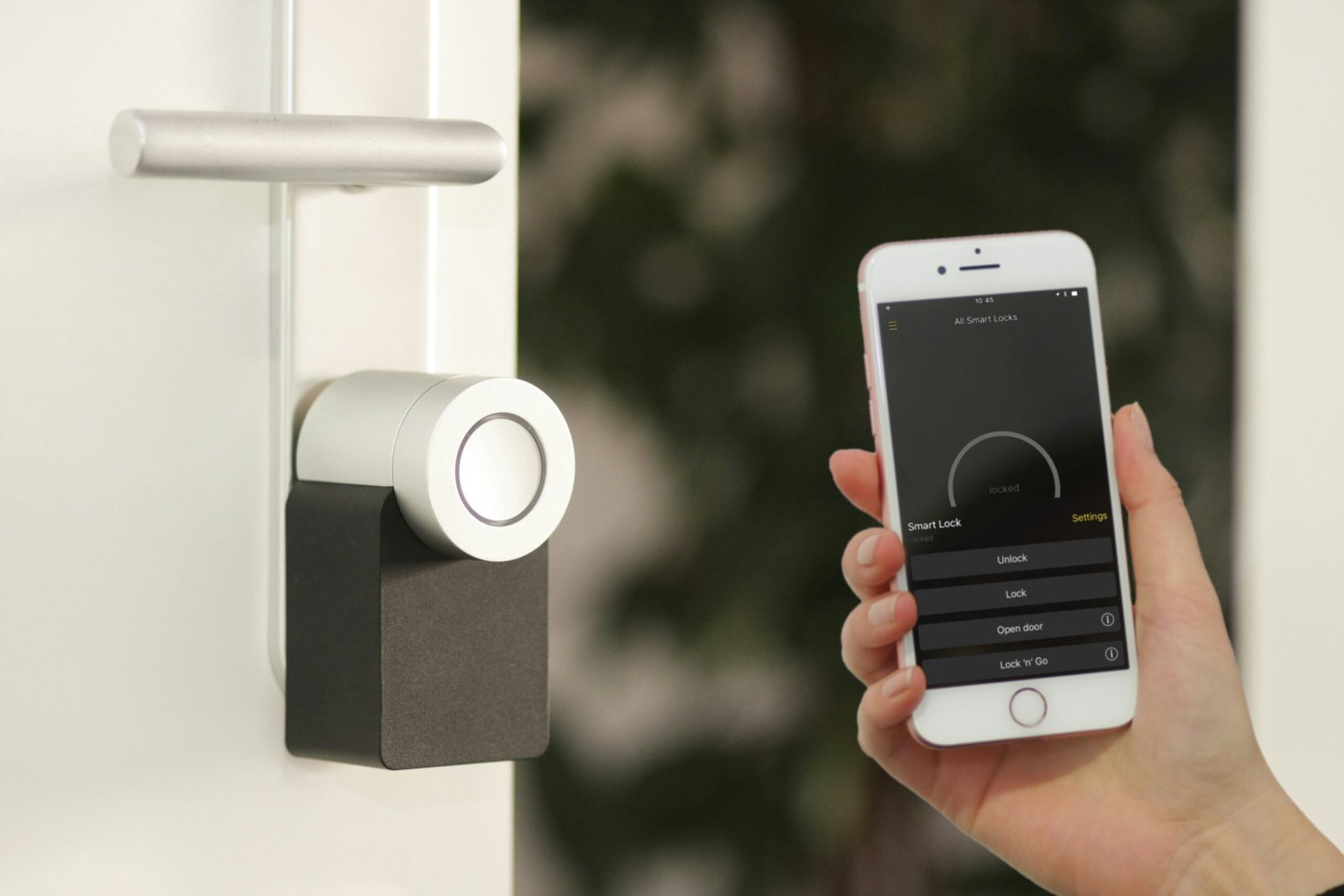
Moreover, biometric locks are emerging as a prominent feature in smart home security. By using fingerprint or facial recognition technology, these locks offer personalized access to authorized users while significantly reducing the risk of unauthorized entry. Various models, such as the Yale Assure Lock 2 and August Smart Lock Pro, are available on platforms like Amazon, showcasing their ability to seamlessly integrate with existing smart home systems via Bluetooth or Wi-Fi. Additionally, these products often come with user-friendly mobile applications that allow for remote access control, making it easier than ever to monitor and manage home security.
As these technologies continue to advance, they not only fortify security measures but also provide homeowners with unparalleled peace of mind, ensuring that their property and loved ones are protected. Embracing these innovations will play a crucial role in shaping the future of smart home security systems in households around the globe.
Top Smart Home Security Products to Consider in 2025
As of 2025, a variety of smart home security products stand out for their innovative features and user-friendly designs. These products not only enhance the safety of your home but also integrate seamlessly into daily life, providing peace of mind for homeowners.
One of the leading products in this category is the smart doorbell. Equipped with high-definition video and motion detection, these devices allow homeowners to monitor who approaches their front door in real-time. With features like two-way audio and cloud storage for video footage, smart doorbells offer an added layer of security and convenience. Popular options include the Ring Video Doorbell and the Nest Hello, both of which have garnered positive reviews for their reliability and performance.
Next, smart security cameras have become essential in residential security. These cameras come with advanced functions such as night vision, mobile alerts, and facial recognition, enabling homeowners to keep an eye on their property from anywhere. The Arlo Ultra and the Blink Outdoor are noteworthy choices, praised for their image quality and extensive features that cater to various budget levels.
Home automation hubs are also crucial in 2025, as they connect various smart devices into a cohesive system. These hubs allow users to control security systems, lighting, and other smart home products through a single interface. Notable products include Samsung SmartThings and Amazon Echo Plus, which facilitate comprehensive home automation.
Lastly, smart locks provide an excellent solution for securing entry points without traditional keys. They allow users to manage access via smartphones, granting entry to guests or service providers remotely. The August Smart Lock and Yale Assure Lock are highly recommended for their ease of use and security features. When selecting the right smart home security products, consider your specific requirements and budget; prioritize devices that offer compatibility and ease of integration into your overall security system.
For further exploration, links to these products can be easily found on Amazon, where you can make informed decisions based on reviews and specifications.
Future Trends and Challenges in Smart Home Security
Looking ahead to the future of smart home security, several trends are anticipated to shape the landscape beyond 2025. One of the most significant will be the integration of 5G technology. With its faster data transmission capabilities, 5G will enhance the connectivity of smart devices, allowing for real-time monitoring and response in security systems. This improvement will not only increase the efficiency of surveillance and alarm systems but also facilitate the of AI algorithms to analyze security data in real-time. Consequently, a more proactive approach to home security will be achieved.
Alongside the advancements in connectivity provided by 5G, the Internet of Things (IoT) will play a crucial role in enhancing the functionality of smart home security systems. The proliferation of IoT devices will result in a more interconnected home environment, where various security measures, such as door locks, cameras, and motion detectors, can communicate seamlessly. This interoperability will empower homeowners to customize their security setups and improve overall safety measures. However, as the network of devices expands, the importance of robust cybersecurity measures cannot be overstated. Protecting sensitive data from breaches and unauthorized access will be paramount as vulnerabilities may arise from increased connectivity.
Despite the many innovations on the horizon, challenges such as privacy concerns and regulatory issues will persist. Homeowners increasingly grapple with the balance between convenience and security, often questioning how their data is stored and used. Moreover, varying regulations across regions concerning data protection and smart technology implementation pose additional complications. To navigate this evolving landscape, consumers should prioritize staying informed about product updates and security requirements and actively engage with manufacturers regarding privacy practices. By being proactive and educated, homeowners can effectively protect their investments and personal information in an advancing digital world.