Cultural and eclectic art represents a captivating convergence of artistic traditions and influences drawn from diverse backgrounds. This unique art form reflects the rich tapestry of human expression, allowing artists to transcend geographical boundaries and create works that resonate on multiple levels. By weaving together various cultural elements, eclectic art emerges, highlighting the beauty found in diversity and fostering a dialogue among disparate artistic customs.
The significance of cultural art cannot be overstated. It serves as a mirror of society, capturing its complexities, values, and narratives. Each piece of art tells a story influenced by the historical, social, and political contexts in which it was created. As artists draw inspiration from a variety of sources—traditional motifs, contemporary trends, or indigenous practices—they cultivate a depth of meaning that invites viewers to engage with the artwork and explore its origins. This dynamic interplay encourages appreciation for artistic heritage while inspiring new interpretations.
Eclectic art, specifically, is characterized by its blending of styles, techniques, and concepts from different time periods and cultures. This amalgamation often leads to innovative and unexpected outcomes, pushing the boundaries of conventional art forms.
As we journey deeper into the world of cultural and eclectic art, we will uncover its historical roots, explore various styles, and examine its contemporary relevance. Through this exploration, readers will gain a broader understanding of how cultural influences shape artistic expressions in today’s diverse society, highlighting the significance of embracing multiple perspectives within the realm of creativity.
The Importance of Cultural Art in Society
Cultural art plays a pivotal role in society by fostering a sense of community and identity, acting as a powerful medium for cultural expression and understanding. Throughout history, cultural art has been instrumental in bridging gaps between different backgrounds, allowing individuals to explore experiences beyond their own. This exploration not only enriches personal perspectives but also cultivates empathy and dialogue, serving as a catalyst for social change.
Art movements rooted in cultural heritage have had significant historical and contemporary impacts. For instance, the Harlem Renaissance emerged in the early 20th century as a profound expression of African American culture and identity, highlighting issues of racial inequality and social justice. Artists such as Langston Hughes and Aaron Douglas used their works to communicate the struggles and triumphs of their community, leaving an indelible mark on American art and literature that continues to resonate today.
Similarly, the Chicano art movement, which gained momentum in the 1960s, sought to address social issues affecting Mexican Americans, such as immigration, identity, and civil rights. Through murals and other forms of artistic expression, notable artists like Judy Baca and Gilbert Luján vividly portrayed the rich cultural narratives of their communities, advocating for recognition and justice. These movements have served not only as forms of cultural expression but have also rallied communities around salient social issues, fostering unity and activism.
Exploring Eclectic Art Styles
Eclectic art styles represent a vibrant and dynamic fusion of diverse influences from various artistic movements, resulting in unique and innovative expression. At its core, eclecticism in art is about blending forms, techniques, and concepts from disparate sources, creating a richer and more complex artwork. This approach allows artists to draw inspiration from a multitude of traditions, effectively breaking down the barriers of conventional categories and styles.
One prominent example of eclecticism is collage, a technique that involves the incorporation of various materials such as paper, photographs, and fabric into a single cohesive piece. This style enables artists to construct additional layers of meaning, reflecting a complex reality that resonates with their personal experiences and cultural backgrounds. Another example encompasses mixed media, where different artistic mediums—such as paint, sculpture, and digital elements—are combined. This technique highlights the versatility that eclectic art embraces, showcasing an artist’s ability to transcend traditional boundaries and redefine what constitutes a masterpiece.
Influential artists such as Pablo Picasso and Anselm Kiefer exemplify the essence of eclectic art through their work. Picasso’s ability to meld styles, such as Cubism with elements of African art, created unprecedented perspectives that challenged viewers’ perceptions. Similarly, Kiefer’s incorporation of various materials and historical allusions into his paintings encourages viewers to contemplate themes of memory and identity. Through their unique approaches, these artists exemplify how eclectic art can become a transformative experience, allowing both the creator and observer to engage in an ongoing dialogue about culture and creativity.
As we explore eclectic art styles, we are reminded of the rich tapestry of human experience that informs artistic expression. By embracing various influences, artists can create works that are not only visually stunning but also layered with meaning and significance. This journey through eclecticism invites readers to appreciate the diversity in art and encourages them to explore their own creative paths.
Budget-Friendly Artworks on Temu
Art holds the power to transform spaces, but the cost associated with acquiring quality pieces can often hinder many from expressing their creativity and personal style. Fortunately, Temu offers a diverse range of budget-friendly artworks that cater to various tastes and preferences, making it easier for everyone to enhance their environments without breaking the bank.
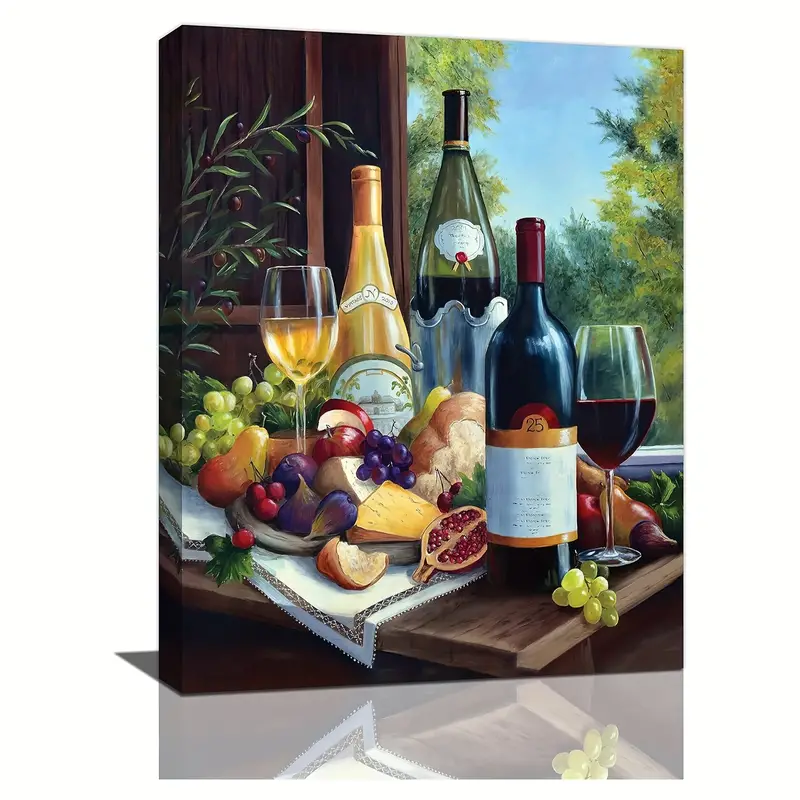
One standout option available on Temu is vibrant canvas prints that encapsulate cultural heritage and eclectic styles. These pieces, which typically range from $15 to $50, feature colorful depictions of traditional designs and modern interpretations. They are perfect for bringing a lively touch to homes, particularly in living rooms or creative spaces where conversation and energy flow naturally. For example, a canvas featuring a bold abstract design can serve as a striking centerpiece on a gallery wall, fostering a sense of cultural appreciation.
Temu also carries an assortment of framed prints, ideal for those seeking a more classic aesthetic. Prices for these artworks start around $20 and can reach up to $60. These prints often highlight serene landscapes or motivational quotes, making them suitable for offices or study areas. By adorning workspaces with inspiring visuals, individuals can create a pleasant and productive atmosphere that encourages creativity and focus.
For mixed-use spaces, decorative wall hangings made from natural materials are a perfect choice. Temu features a variety of these artworks, starting at $25, which blend well with both modern and rustic décor.
Explore the artistic treasures available on Temu and find the perfect pieces that resonate with your personal style and space needs. Each purchase not only enhances your environment but also supports a vibrant community of artists and creators.
The transition from warmer months to the fall and winter seasons demands a strategic approach to clothing selection. The key to mastering fall and winter fashion lies in understanding the essential elements that comprise this style, primarily focusing on layering, fabric choices, and color palettes. Layering is crucial, as it not only adds dimension to an outfit but also allows for versatility in varying temperatures. Effective layering typically involves three fundamental components: base layers, middle layers, and outerwear.
Base layers form the foundation of any outfit. These pieces, often made from moisture-wicking materials, should provide comfort and keep the body warm. When selecting base layers, opt for items in lightweight fabrics such as merino wool or synthetic blends, which retain heat without adding bulk. Middle layers, such as sweaters or fleece, offer additional insulation and can be styled to reflect personal aesthetics. Materials like cashmere and cotton blends not only enhance warmth but also contribute a luxe feel to everyday attire.
Outerwear serves as the final layer, crucial for shielding against harsh elements. Investing in high-quality coats and jackets, such as insulated parkas or tailored wool coats, ensures both warmth and sophistication. Color palettes for fall and winter tend to gravitate toward earthy tones and deep hues, which resonate well with the seasonal ambiance. Furthermore, texture plays a significant role in fall and winter fashion. Fabrics such as flannel, fleece, and corduroy not only provide visual interest but also enhance comfort and warmth.
Current Trends in Men’s Fall/Winter Clothing
The fall and winter seasons are marking a noteworthy evolution in fashion trends, as styles shift towards a blend of comfort, bold aesthetics, and a rising emphasis on sustainability. One of the most prominent trends observed this season is the popularity of oversized garments. These pieces, including oversized coats, chunky knit sweaters, and relaxed-fit trousers, not only offer exceptional comfort but also provide a sophisticated silhouette that can effortlessly be styled for various occasions.
“Incorporating versatile items into your wardrobe allows for a cohesive collection that can be dressed up or down as needed, accommodating various occasions.”
In addition to the oversized trend, bold patterns are making a significant impact this year. Whether it is plaid, geometrical or abstract designs, these eye-catching patterns are being embraced by fashion enthusiasts who wish to stand out during the fall and winter without spending a ton of money.
Sustainability continues to shape fashion choices, with a notable increase in brands prioritizing eco-friendly materials and ethical production methods. Consumers are more conscious than ever about their purchasing decisions, leading to a demand for sustainable clothing that does not compromise on style and break the wallet. The incorporation of recycled fabrics and organic materials into clothing lines illustrates the industry’s shift towards a greener future.
Essential pieces for the Mature Man such as tailored blazers, stylish ankle boots, and statement scarves are emerging as must-haves, while accessories like wide-brim hats enhance the elegance and versatility of fall/winter outfits.
Men’s Wardrobe Essentials for Fall/Winter
As the crisp air of fall transitions into the cold of winter, having the right items in your wardrobe becomes essential. A well-curated collection of fall and winter clothing not only enhances your style but also ensures comfort and warmth throughout the season. Key items to consider include….
Each of these elements plays a crucial role in creating an adaptable fall/winter wardrobe for the Mature Man.
Beginning with outerwear, a versatile coat is paramount. A classic wool blend peacoat or a tailored trench coat can effortlessly elevate any outfit. These outerwear options provide warmth while making a chic statement. Look for coats in neutral colors to ensure they complement various outfits. Additionally, a down or puffer jacket offers practicality during particularly cold days, ensuring you remain cozy without compromising style.
Next, quality knitwear is vital for layering. Invest in several cozy sweaters, such as cable knits or cashmere pullovers, that can be paired with both casual and formal pants. These pieces not only provide warmth but also add texture to your ensemble.
Durable footwear is another crucial component. A pair of ankle boots, made from quality materials such as leather, can transition seamlessly from day to night. Consider waterproof options to tackle inclement weather. Moreover, a pair of warm, stylish boots can be both functional and fashionable, offering the necessary support during colder conditions.
Finally, winter accessories cannot be overlooked. Scarves, gloves, and hats provide essential warmth while allowing for personal expression. Opt for accessories in coordinating colors or patterns to enhance your overall look. By combining these essential items thoughtfully, you create a wardrobe that not only signifies style but also offers lasting comfort through the fall and winter months.
Sustainable Choices for Men’s Fall/Winter Fashion
As the seasons change and temperatures drop, the demand for stylish and warm clothing grows. However, alongside this demand is an increasing awareness of sustainability in men’s fashion.
Consumers are becoming more conscientious about their clothing choices, recognizing the significant impact the fashion industry has on the environment, however; “You should impact theenvironment and not let the environment impact you”. Making sustainable and cost-conscious choices for fall and winter fashion can significantly reduce this impact while allowing individuals to maintain their personal style.
One of the most effective ways to shop sustainably is to seek out brands that prioritize eco-friendly practices and tailored well. Many companies are now committed to using organic materials, reducing waste, and implementing ethical production processes. By actively supporting such organizations, consumers can contribute to a more sustainable fashion industry.
In addition to choosing sustainable brands, exploring pre-loved and thrifted options can greatly bolster one’s eco-friendly wardrobe. Thrift stores and online resale platforms offer a wide range of unique and fashionable pieces that often come at a fraction of the original price. By opting for second-hand clothing, not only do individuals save money, but they also help to reduce the demand for new clothes, which in turn lessens the strain on natural resources.
Another vital aspect of sustainable fashion for men is fabric recycling and mindful consumption. The mature man can prolong the life of their clothing, thereby reducing waste, by taking steps such as repairing minor damages or repurposing old garments. Additionally, being mindful of one’s shopping habits—such as evaluating whether a purchase is truly needed—can lead to more thoughtful and sustainable consumer behavior.
In other words, instead of buying a new pair of shoes/boots, take your old ones to your neighborhood shoe shop for repair.
As fall and winter approach, embracing these sustainable choices allows one to enjoy stylish, comfortable clothing without compromising the health of our planet and putting an unnecessary strain on one’s budget.
Explore the essentials of fall and winter fashion, focusing on layering, fabric choices, and color palettes. Discover current trends including oversized garments and sustainable styles, along with key wardrobe items such as versatile coats and durable footwear. Learn how to create a stylish and functional winter wardrobe while embracing sustainable choices and ethical brands. This guide ensures you stay warm, stylish, and environmentally conscious during the colder months.
Sustainable home gardening embodies a holistic approach to nurturing both the environment and our personal well-being. This practice focuses on cultivating plants in a manner that minimizes ecological impact while maximizing the health of the ecosystem. One of the cornerstones of sustainable gardening is composting, which not only enriches the soil but also effectively reduces organic waste. By converting kitchen scraps and yard waste into nutrient-rich compost, gardeners can significantly improve soil fertility and structure, providing plants with the essentials they need for robust growth.
Composting serves as a pivotal component in maintaining a sustainable lifestyle. It allows individuals to recycle organic materials that would otherwise contribute to landfill overflow. By diverting waste from disposal, composting reduces methane emissions, a potent greenhouse gas, thereby mitigating climate change impacts. Furthermore, using compost in the garden can decrease the need for chemical fertilizers, fostering a healthier environment for both plants and beneficial organisms essential for soil health.
The benefits of composting extend beyond soil enrichment and waste reduction. It enhances the biodiversity of the garden by creating a thriving habitat for various microorganisms and earthworms that contribute to a balanced ecosystem. As these organisms break down compost, they release essential nutrients back into the soil, promoting vigorous plant growth while combating diseases and pests naturally. Home gardeners who adopt composting not only contribute to their health and the health of their gardens but also support broader environmental objectives such as soil conservation and sustainable land management.
This exploration of sustainable home gardening will review some of the best compost bins available, guiding readers towards efficient solutions for incorporating composting into their gardening practices. By choosing the right compost bin, individuals can streamline their composting efforts and further enhance their contributions towards a sustainable future.
Why Composting is Essential for Your Garden
The presence of compost fosters an environment ripe for beneficial microorganisms. These organisms play a critical role in breaking down organic matter into absorbable nutrients for plants. By attracting earthworms and other soil-dwelling creatures, compost enhances the biological activity in the soil, leading to improved fertility and disease resistance in plants. This complex ecosystem, nurtured by compost, creates a well-balanced environment conducive to plant growth.
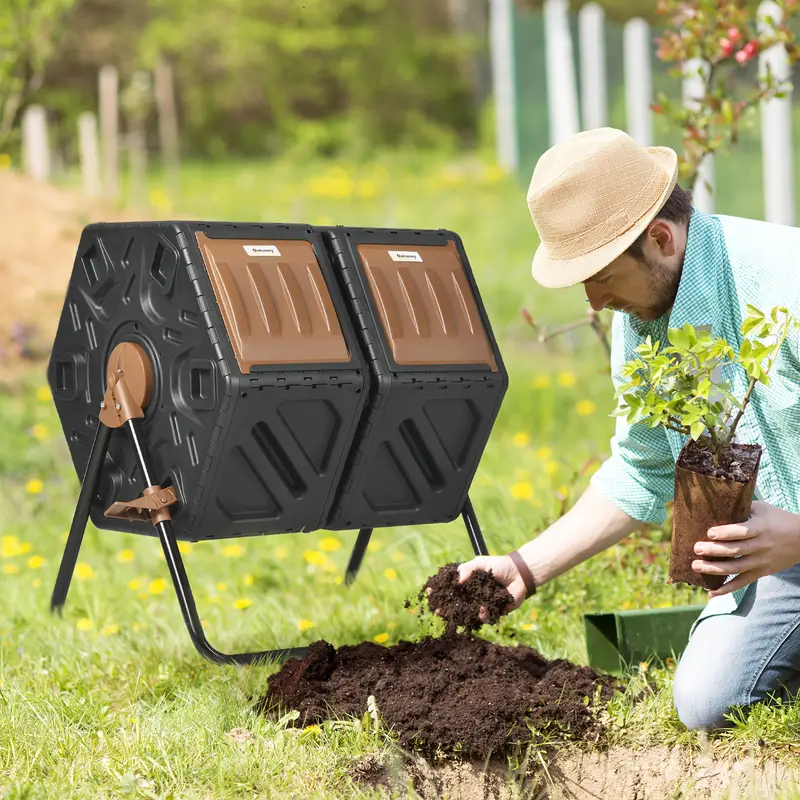
One prevalent option is the compost tumbler, which features a closed container on a rotating axis. This design allows easy mixing of compost material, ensuring that aeration occurs more efficiently. Tumblers are ideal for those who seek a faster composting process, as they can produce mature compost in as little as two to four weeks. They are also less likely to attract pests, making them a popular choice for urban gardeners.
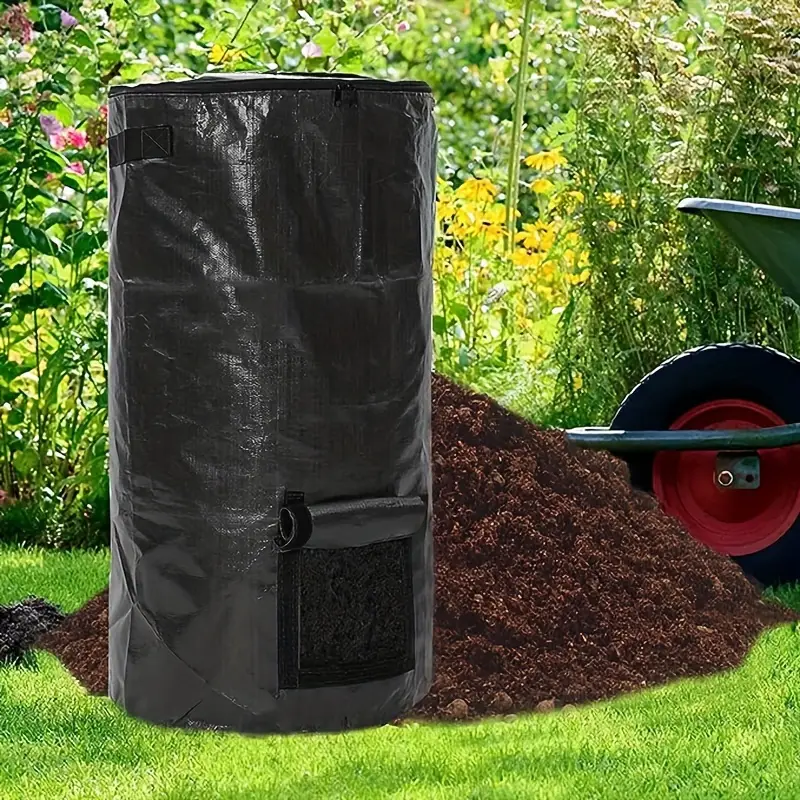
Stationary compost bins are another common type, usually made of wood or plastic, and are designed to hold compost in a fixed location. These bins can be open or enclosed and are suitable for larger quantities of compost material. They allow for natural decomposition, requiring more time but providing larger amounts of finished compost for gardeners with space and patience.
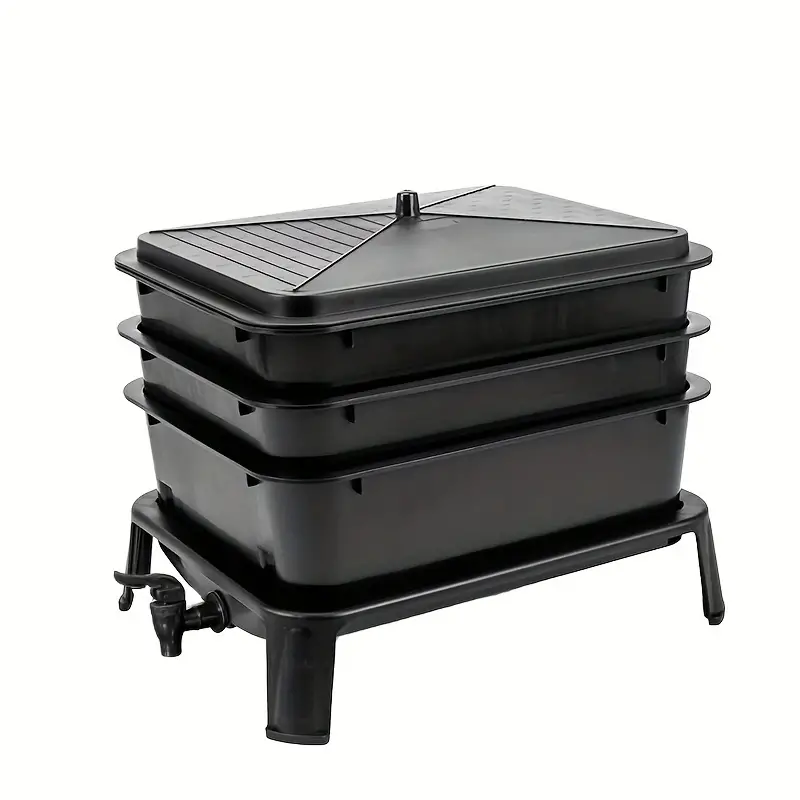
Worm bins, or vermicomposting systems, utilize red wigglers to break down organic waste. This method is particularly suitable for those with limited outdoor space, as it can be done indoors. Worm bins produce nutrient-rich castings that serve as an excellent fertilizer for plants, thus enhancing sustainable home gardening practices.
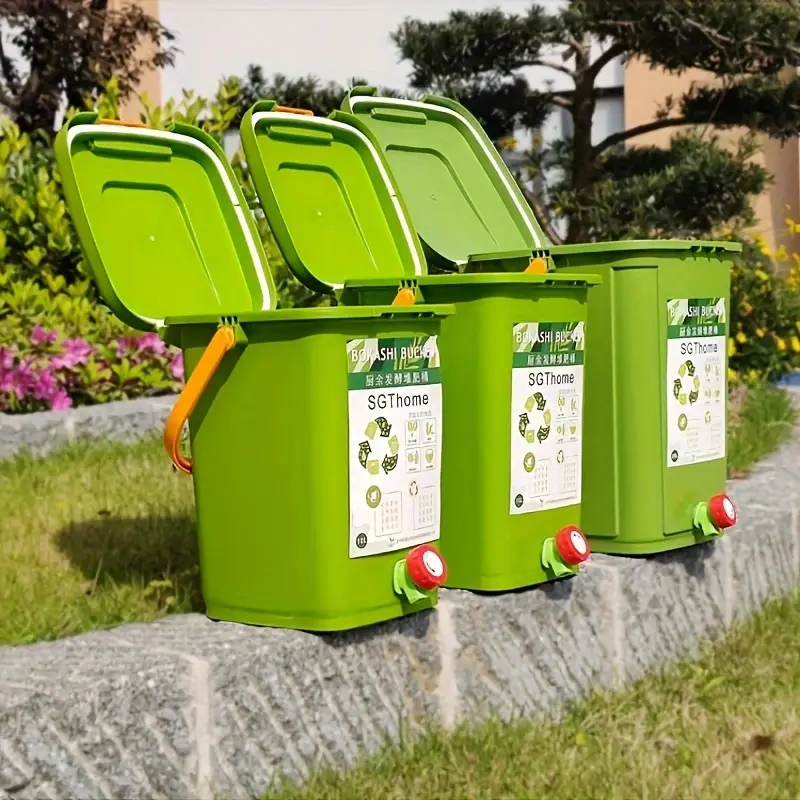
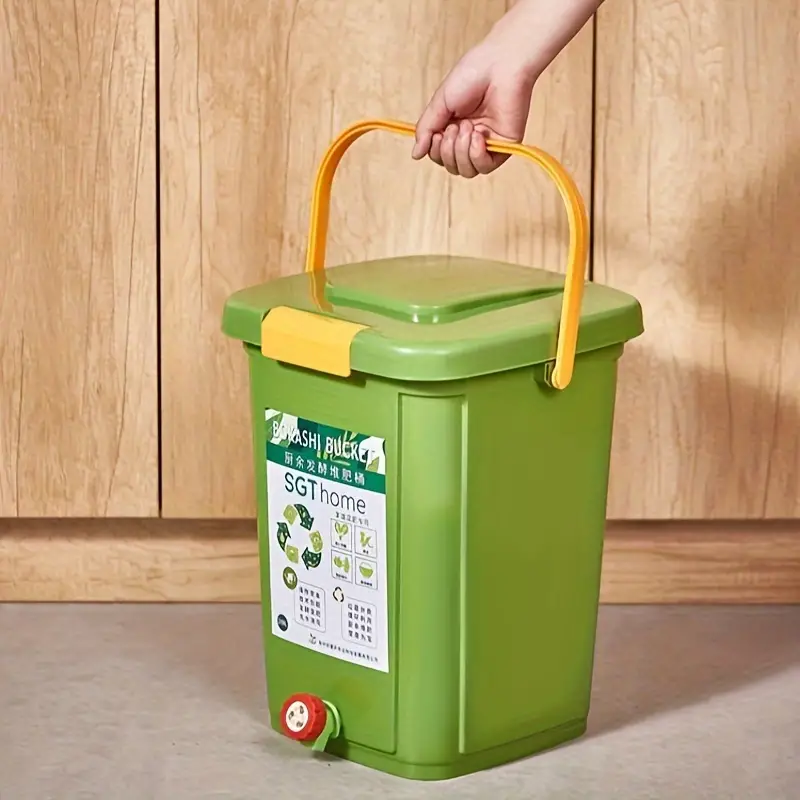
Lastly, Bokashi systems offer an innovative composting approach using fermentation to break down food waste. This method requires minimal space and works well for those who wish to compost kitchen scraps, including meat and dairy products, that traditional composting systems cannot handle. Bokashi can also be used as a pre-treatment before introducing waste into a conventional compost bin.
Overall, each type of compost bin presents unique benefits and is designed to meet various composting needs. By considering the functions and suitability of each option, gardeners can make informed decisions to further their sustainable gardening practices.
Key Features to Consider When Choosing a Compost Bin
When selecting a compost bin, several essential features must be taken into account to ensure effective composting and a seamless gardening experience. One of the primary considerations is the size of the compost bin. The volume of organic waste produced at your home will significantly influence the necessary bin capacity. A bin that is too small will require frequent emptying, while an excessively large one may become difficult to manage. It is vital to assess your gardening space and waste output to find a balance that accommodates both needs.
Another critical aspect lies in the material of the compost bin. Compost bins are typically made from plastic, metal, or wood, each with its own benefits. Plastic bins are lightweight and often come with ventilation holes, promoting airflow, which is crucial for efficient composting. Metal bins, on the other hand, are durable and resistant to pests, while wooden bins offer a more natural look and can fit into garden aesthetics. The choice of material ultimately affects longevity and maintenance requirements.
Airflow is also a key factor in the composting process. Proper aeration helps to accelerate decomposition, so choosing a bin design that allows for adequate airflow is essential. Look for bins with holes or slats that encourage air circulation, promoting a healthy composting environment.
Lastly, drainage is another fundamental feature that often gets overlooked. Proper drainage prevents excess moisture build-up, which can lead to odor issues or slow composting. Select a bin with a drainage system or consider placing it on a well-draining surface to enhance moisture control. By prioritizing these features—size, material, airflow, ease of use, and drainage—you can choose a compost bin that aligns with your lifestyle and gardening ambitions.
Budget-Friendly Compost Options
Choosing a compost bin that aligns with budget constraints while maintaining quality is essential for sustainable home gardening. Here, we present a selection of cost-effective compost bins available on Temu that cater to various needs and preferences.
One of the most popular options is the Tumbling Composter. This bin features a dual-chamber design, allowing users to fill one side while the other side efficiently decomposes. Key features include a sturdy construction, ease of use, and quick aeration.
Another great choice is the Plastic Compost Bin. This bin is known for its lightweight design and easy assembly. It provides excellent ventilation and is crafted from recycled materials, contributing to eco-friendliness. Its affordability and durability make it a perfect option for budget-conscious gardeners. The downside here is that the composting process may take longer, which could deter some users seeking rapid results.
For those with limited outdoor space, the Kitchen Compost Collector is an excellent investment. This compact bin can be kept in the kitchen for easy access, allowing users to collect scraps readily. This bin typically comes with a filter to manage odor, making it ideal for urban living. While its capacity may be low compared to larger compost bins, it effectively encourages users to compost regularly without overwhelming them.
In conclusion, selecting a budget-friendly compost bin need not involve sacrificing quality or efficiency. By carefully considering options like Tumbling Composters, Plastic Compost Bins, and Kitchen Compost Collectors from Temu, gardeners can find practical solutions that fit their financial needs while promoting sustainable practices effectively.
Smart Gardening Tools to Pair with Your Compost Bin
To create a truly sustainable gardening experience, combining a high-quality compost bin with smart gardening tools can significantly enhance efficiency and productivity. Several essential tools complement compost bins by promoting healthier soil, effective plant care, and streamlined gardening practices. Below are some noteworthy options available on Temu.
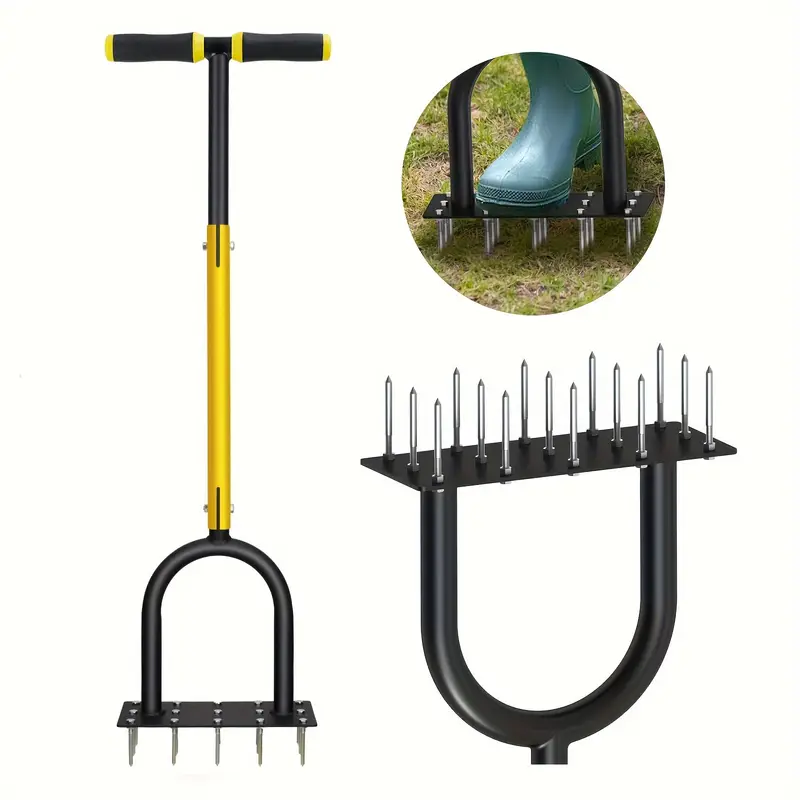
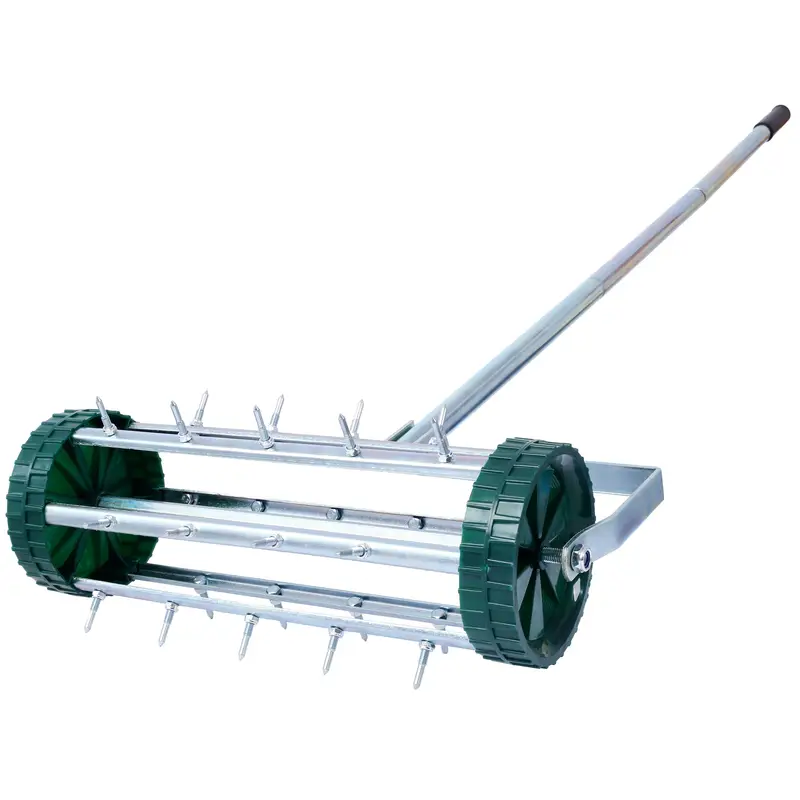
First, consider a garden aerator. This tool is designed to perforate the soil, allowing for better air and nutrient circulation. Key features include sharp tines that penetrate tough soil and ergonomic handles for comfortable use. Pros include improved soil health and reduced compaction; however, the main con can be the physical effort required for manual aeration. Prices typically range from $25 to $50, making it a worthwhile investment for any serious gardener.
Next, a soil moisture meter is an indispensable tool in maintaining optimal hydration levels for plants. This device offers real-time feedback on soil moisture, ensuring that you water only when necessary. With features like digital displays and multiple depth probes, these meters can range from $15 to $40. The advantage lies in preventing overwatering, but the downside might include the need for batteries that require replacement over time.
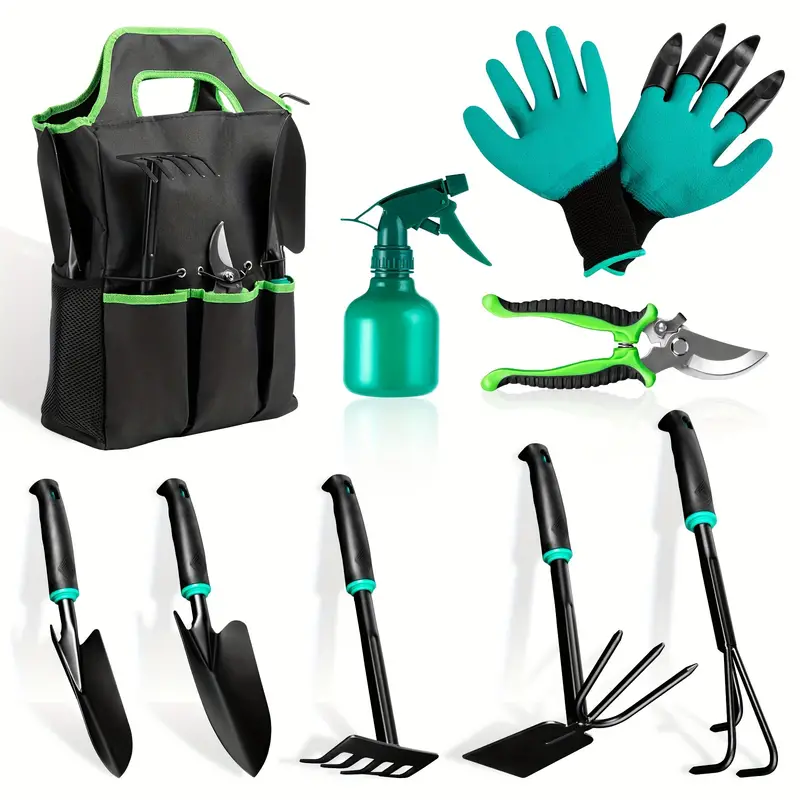
Additionally, consider investing in composting gloves. These are specially designed to protect hands from odors and decomposing matter while working with organic materials. Premium gloves often feature reinforced fingertips and breathable fabrics. Prices can range from $10 to $30. They enhance comfort and hygiene but can hinder dexterity if too thick.
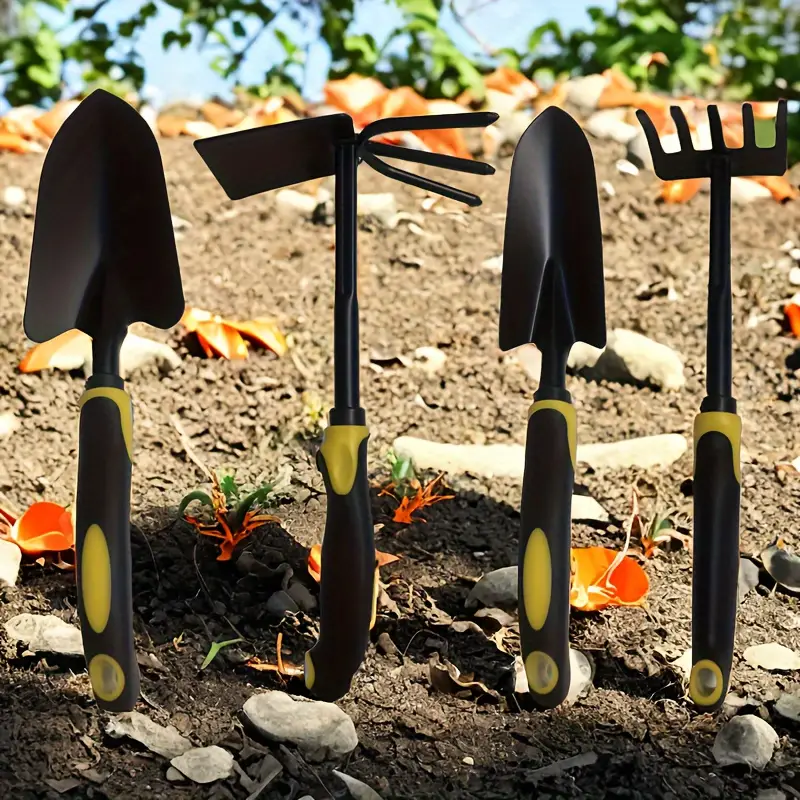
Finally, garden trowels are essential for soil cultivation and planting. Look for models with stainless steel blades and comfortable grips. Prices generally vary from $10 to $25. The pro is their versatility, but inexpensive versions may not hold up to frequent use. Integrating these smart gardening tools with your compost bin will not only streamline your gardening efforts but also foster a more sustainable approach to home gardening.
How to Start Composting: A Step-by-Step Guide
To initiate the process, the first step is to select an appropriate compost bin.
Next, consider the materials you will add to your compost bin. A successful compost mix consists of a balance between “greens” and “browns.” Greens include nitrogen-rich materials such as fruit scraps, vegetable peels, and coffee grounds, while browns consist of carbon-rich items like dried leaves, straw, and cardboard. It is essential to maintain a ratio of about 2:1 browns to greens to ensure efficient decomposition.
Avoid adding meat, dairy, and greasy foods, as they attract pests and disrupt the composting process.
To further optimize the composting process, keep an eye on moisture levels. The compost pile should be damp but not soggy; if it becomes too dry, the decomposition will slow down.
As compost matures, it evolves into a rich, dark, crumbly soil called humus. This nutrient-rich substance can be used to enrich your garden. It’s important to regularly check the compost bin, adding new materials as they become available and maintaining a balanced, moist mixture. With consistent attention and care, you can create your own compost, fostering a sustainable gardening method that benefits both your garden and the environment at large.
Common Composting Mistakes and How to Avoid Them
When materials are compressed, airflow diminishes, leading to anaerobic conditions that can produce foul odors and slow down the composting process. To avoid this, ensure that the materials are well-mixed and utilize a pitchfork or garden fork to aerate the pile regularly.
Neglecting to turn the compost pile frequently is a common oversight, which can also impede the composting process. By turning the pile every few weeks, you provide essential oxygen to the microorganisms responsible for decomposition, promoting faster breakdown, water as necessary.
Recognizing these frequent mistakes will help gardeners cultivate a more successful composting experience. With proper aeration, material selection, and regular maintenance, creating a sustainable compost pile will become a rewarding aspect of home gardening.
Conclusion: Embrace Composting for a Sustainable Future
Incorporating composting into your home gardening routine is a crucial step towards achieving a sustainable lifestyle. By transforming kitchen scraps and yard waste into nutrient-rich compost, you enrich your soil naturally, promoting plant health without the need for chemical fertilizers. As we’ve discussed, investing in a quality compost bin not only facilitates this process; but also encourages an eco-friendly mindset that resonates with the principles of sustainable living.
Composting effectively reduces landfill waste, thereby lowering greenhouse gas emissions associated with organic material decomposition. The use of compost enhances soil structure, increases moisture retention, and supports biodiversity in your garden, leading to more resilient plants. Furthermore, utilizing compost contributes to a circular economy, where your household waste contributes positively to your food growth cycle. This not only saves you money on fertilizers but also enhances the growth of organic produce in your home garden.
As you consider the best compost bins suitable for your garden, take note of your space and needs. Whether you choose a tumbling compost bin for faster results or a stationary composter for larger quantities, the benefits of composting are undeniable. For those committed to sustainable gardening practices, adding smart gardening tools can further augment your efforts. These tools help fine-tune your gardening strategy and ensure optimal growth for your plants while minimizing resource usage.
Ultimately, making the switch to composting is a decision that benefits not just your garden but also the planet.
Conclusion: Embrace Composting for a Sustainable Future
Incorporating composting into your home gardening routine is a crucial step towards achieving a sustainable lifestyle. By transforming kitchen scraps and yard waste into nutrient-rich compost, you enrich your soil naturally, promoting plant health without the need for chemical fertilizers. As we’ve discussed, investing in a quality compost bin not only facilitates this process; but also encourages an eco-friendly mindset that resonates with the principles of sustainable living.
Composting effectively reduces landfill waste, thereby lowering greenhouse gas emissions associated with organic material decomposition. The use of compost enhances soil structure, increases moisture retention, and supports biodiversity in your garden, leading to more resilient plants. Furthermore, utilizing compost contributes to a circular economy, where your household waste contributes positively to your food growth cycle. This not only saves you money on fertilizers but also enhances the growth of organic produce in your home garden.
Ultimately, making the switch to composting is a decision that benefits not just your garden but also the planet. By embracing this practice, you become part of a larger movement towards sustainability. Therefore, take the leap, invest in a compost bin, and watch how your gardening journey flourishes in harmony with nature.
The evolution of smart home technology has transformed the way people interact with their living spaces. Over recent years, the integration of connected devices into everyday life has increased significantly, making smart homes a vital component of modern households. Smart home devices are designed to provide an unprecedented level of convenience, security, and energy efficiency, all of which contribute to an enhanced lifestyle.
Moreover, smart home devices significantly improve the security of residential spaces. Advanced security systems, including smart cameras and doorbell systems, allow homeowners to monitor their premises remotely, giving them peace of mind regardless of their location. These devices employ AI and machine learning to enhance functionality, providing alerts and notifications in real time, thereby fortifying the home’s safety mechanisms.
As we delve deeper into the best smart home devices of 2024, it is evident that these innovations are not just a trend; they represent a fundamental shift in how we interact with our homes, enhancing overall quality of life while addressing contemporary challenges related to safety and resource management.
Benefits of Smart Home Devices
The integration of smart home devices into daily life offers numerous advantages that can greatly enhance the living experience. One of the most notable benefits is the convenience of automation. Smart home technology allows homeowners to control various devices remotely via smartphones or voice commands. This capability eliminates tedious tasks such as manually adjusting thermostats or switching off lights, ultimately streamlining everyday activities and saving valuable time.
Energy savings represent an important financial benefit associated with smart home devices. Many smart solutions, including smart thermostats, energy-efficient lighting, and smart plugs, are designed to optimize energy consumption. These devices enable homeowners to monitor their energy usage, set schedules, and automatically adjust settings based on real-time data, resulting in reduced utility bills and a smaller carbon footprint. Consequently, smart home technology contributes to both cost savings and environmental sustainability.
What to Look For in Smart Home Devices
When considering the selection of smart home devices, it is imperative to evaluate several key aspects to ensure a seamless integration into your existing home ecosystem. Compatibility with current systems is paramount; thus, before purchasing any new device, check whether it is compatible with your home network and other smart devices. This typically includes assessing compatibility with popular smart home platforms like Google Assistant, Amazon Alexa, or Apple HomeKit, which allows for a cohesive user experience.
Top Smart Home Devices of 2024 Available on Temu
As we explore the landscape of smart home technology in 2024, Temu emerges as a prominent marketplace where consumers can find a variety of innovative and practical devices designed to enhance the modern living experience. Below is a curated list of some of the best smart home devices available on Temu.
1. Smart Thermostat This device allows users to monitor and control their home temperature remotely via voice command application. Key features include scheduling options, energy-saving modes, and compatibility with various heating and cooling systems. Pros include reduced energy bills through optimized heating strategies, making it ideal for homeowners looking to streamline heating costs.
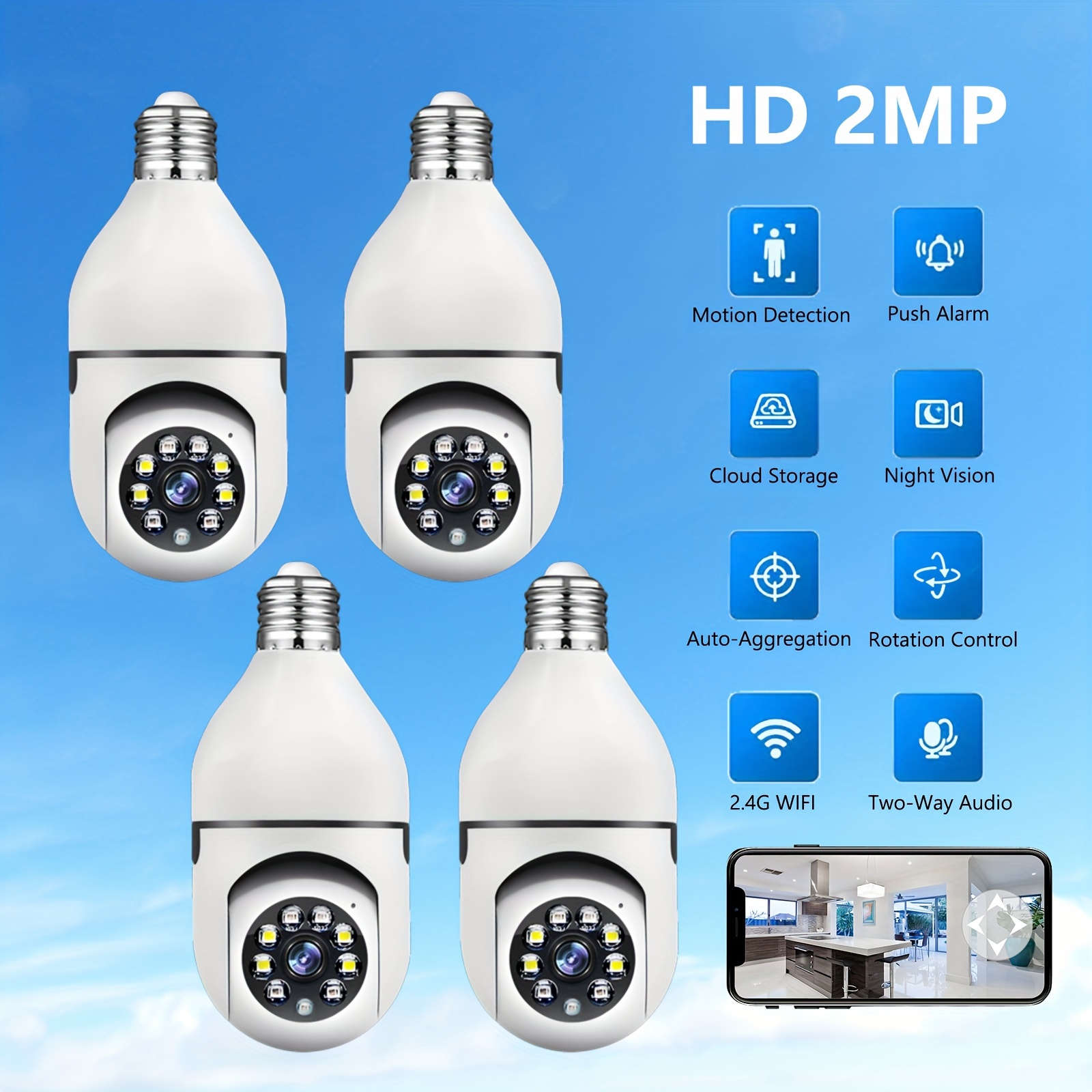
2. Smart Security Camera Equipped with high-definition video quality and night vision, this camera enhances home security by providing real-time video feeds accessible from smartphones. HD1080P Wireless Light… 1PC HD1080P Wireless Light Bulb Camera, Indoor Outdoor WIFI Camera, E27 AI Smart PTZ IP Camera, Two Way Audio Motion Detection Alarm Push Night Vision. Solar Battery Power.
3. Smart Lighting System This product allows users to adjust lighting conditions through Remote Control. Features include 3 lighting colors. Dimmable Modern Nordic Creative Home Lighting. Advantages are energy efficiency and convenience. Surface mounted for Bedroom, Living Room, Corridor Balcony LED Lamp, Wide Voltage 85V-265V. This system is perfect for those who enjoy ambiance control.
As technology continues to advance, smart security systems have emerged as essential tools for safeguarding homes in 2024. These systems integrate various features designed to enhance security, providing homeowners with peace of mind. Key elements such as video surveillance, motion detection, and smart locks work together to create a comprehensive security solution.
By combining these elements, homeowners can create a tailored security system that meets their specific needs. The integration of smart technology into security systems not only ensures better protection but also enhances the overall convenience of managing home security.
Conclusion: Elevate Your Home with Smart Technology
As we navigate through the advancements of technology, the significance of selecting quality smart home devices cannot be overstated. These devices contribute to creating an efficient, secure, and enjoyable living environment, transforming the way we manage our daily tasks. Investing in smart technology not only simplifies home management but also enhances overall quality of life. With options ranging from smart thermostats that optimize energy consumption to security cameras that provide peace of mind, the integration of these devices fosters a more connected household.